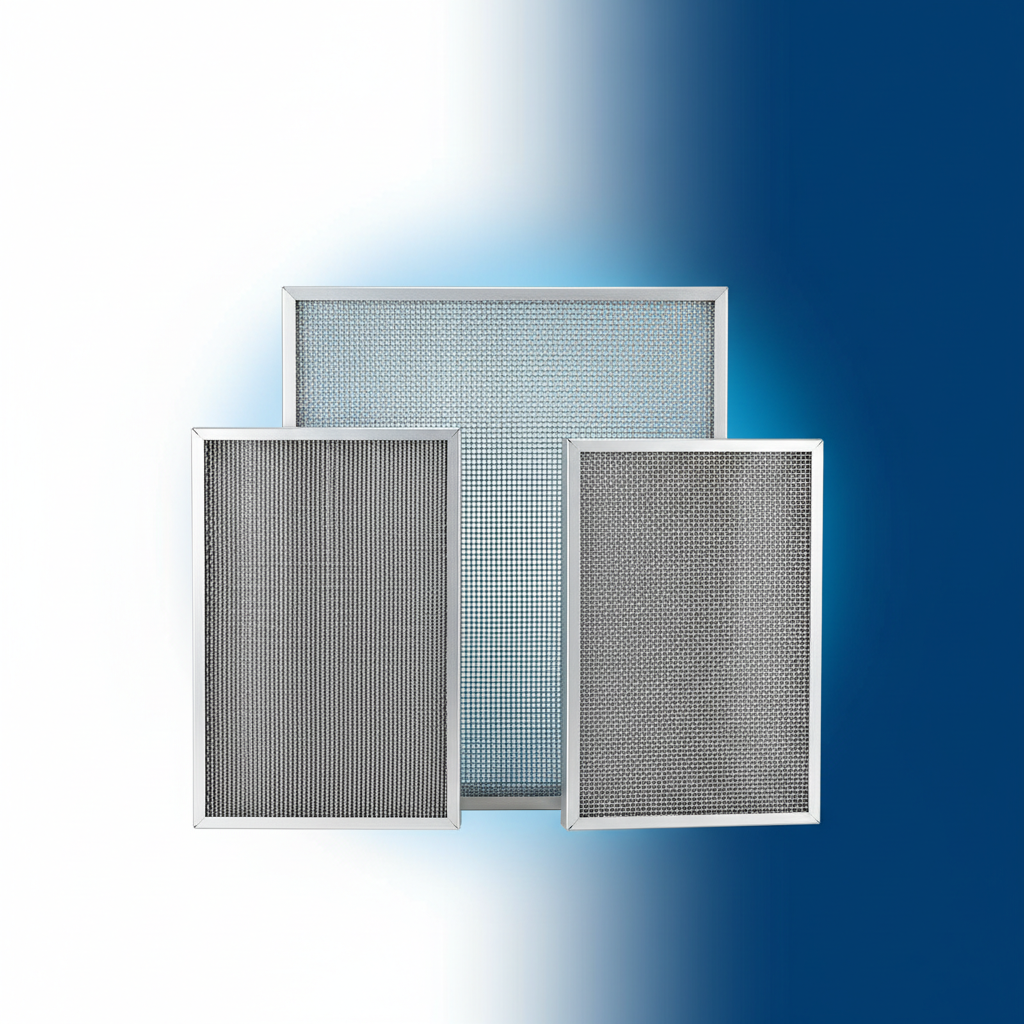
Understanding f5 Pocket Filter Media: A Crucial Asset in Air Filtration
Air quality has never been more critical globally — with urbanization, industrial growth, and rising health awareness converging, filtration technology plays a starring role. Among the many filtration media types, f5 pocket filter media stands out for balancing efficiency and operational cost, a sweet spot many industries and facilities rely on daily. Knowing the key benefits and technology behind this filter media doesn’t just help engineers or facility managers—it’s relevant to anyone interested in cleaner, healthier indoor environments.
Global Context: Why f5 Pocket Filter Media Matters
According to the World Health Organization (WHO), over 90% of the world population breathes polluted air, causing millions of premature deaths annually. Efficient filtration systems are a frontline defense—especially in hospitals, food processing, and HVAC systems in large commercial buildings. F5 rating filters are part of the ISO 16890 standard for particulate matter efficiency, designed to capture fine particles (PM10 and PM2.5), which directly affect respiratory health.
But it’s not just health—industries worldwide face increasing regulations on energy consumption and emissions. The f5 pocket filter media represents a prized combination of filtering capacity and energy efficiency, meaning reduced costs and carbon footprints. Oddly enough, many smaller facilities often overlook upgrading to such filters because they seem “technical,” yet the tangible benefits make a compelling case for adoption.
What is f5 Pocket Filter Media?
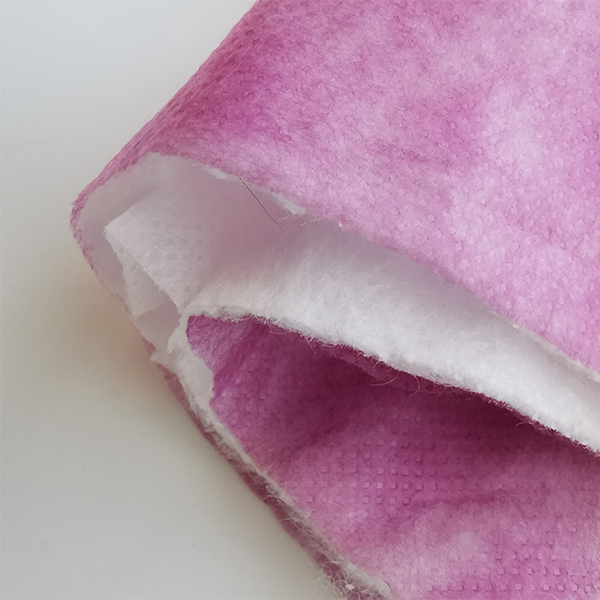
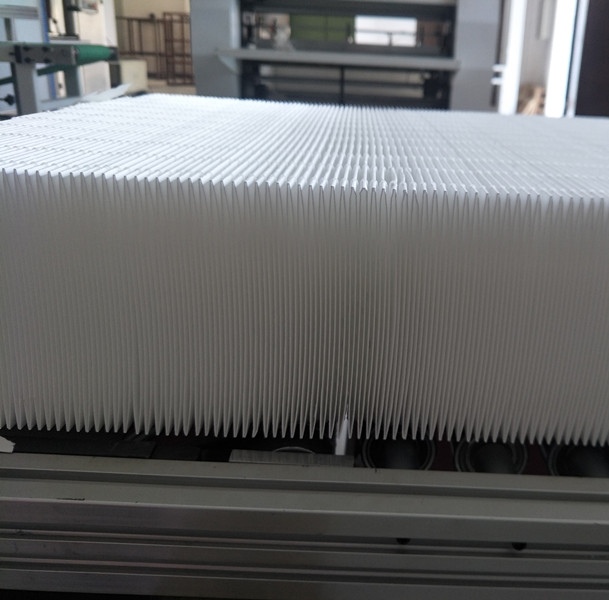
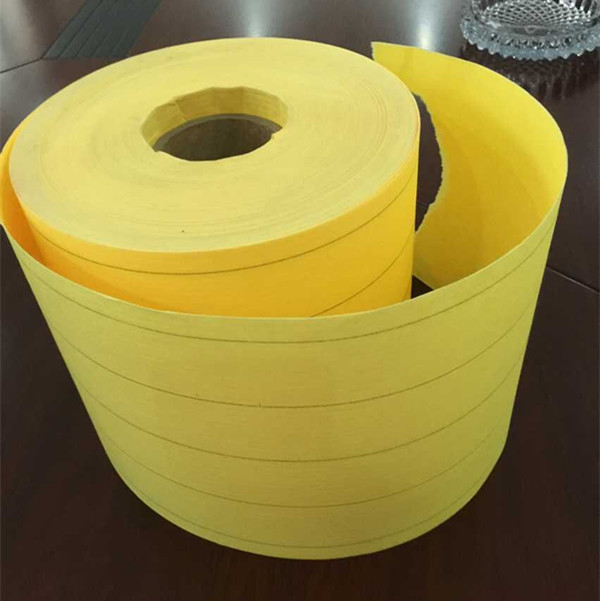
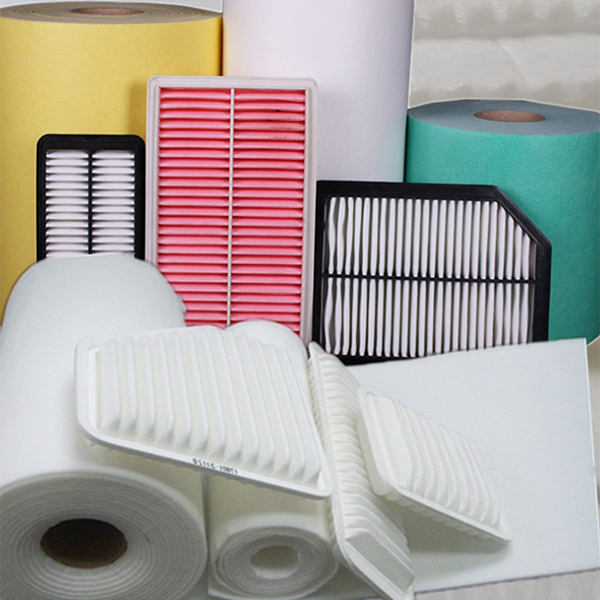
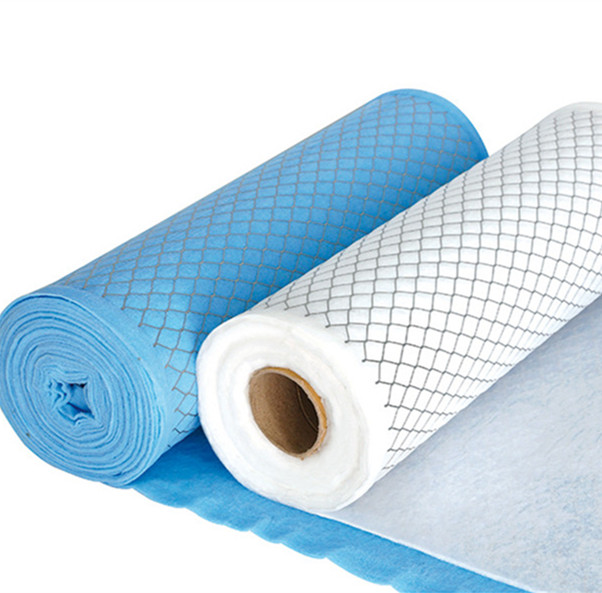
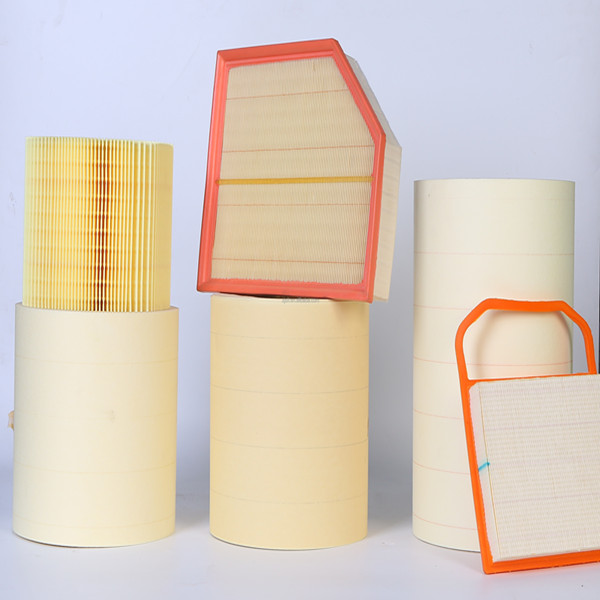
Simply put, f5 pocket filter media refers to a medium used within pocket filters rated at the F5 level on the EN 779 standard, now transitioning to ISO 16890 classification. These pocket filters have multiple fabric pockets that capture dust, pollen, mold spores, and other airborne particles efficiently. The media inside is generally made from synthetic fibers, engineered to balance air resistance and particle capture, ensuring HVAC systems maintain airflow while removing contaminants.
This technology has modern implications ranging from industrial cleanrooms to humanitarian applications, like maintaining clean air in temporary relief shelters — places where clean air literally saves lives.
Key Factors of f5 Pocket Filter Media
1. Filtration Efficiency
Rated to capture up to 40–60% of particles in the 0.4–1.0 micron size range, f5 media is ideal for moderately polluted environments. It’s not for the ultra-clean cleanrooms but perfect for general offices and light industrial settings.
2. Durability and Longevity
Thanks to robust synthetic fibers, this media withstands moisture and mechanical stress better than older cellulose-based counterparts. That means fewer replacements and less downtime, an essential economic factor.
3. Energy Efficiency
Lower pressure drops translate to less energy consumed by fans, making these media environmentally friendlier and cheaper over a filter’s lifecycle.
4. Scalability
Because pocket filters come in diverse sizes and can be combined, they adapt easily to different HVAC systems — from small commercial setups to sprawling industrial plants.
5. Cost Efficiency
Balancing initial cost with lifecycle efficiency positions f5 pocket filters as a cost-effective choice for many sectors.
Product Specification of Typical f5 Pocket Filter Media
| Specification | Value |
|---|---|
| Filter Class (EN 779) | F5 |
| Initial Pressure Drop | 80–120 Pa |
| Efficiency @ 0.4-1.0 micron | 40–60% |
| Recommended Air Flow | 2,000–4,000 m³/h per filter |
| Media Material | Synthetic Fibers (Polyester, etc.) |
| Max Operating Temperature | 70°C (158°F) |
Comparing Leading Vendors of f5 Pocket Filter Media
| Vendor | Price Range (USD/filter) | Typical Efficiency | Delivery Lead Time | Customization Options |
|---|---|---|---|---|
| CleanAir Solutions | $35–$50 | 45% | 1 week | Sizes, efficiencies |
| PureFlow Filters | $40–$55 | 50% | 2 weeks | Custom pocket length |
| EcoFilter Tech | $30–$45 | 42% | 3–5 days | Standard sizes only |
Global Applications and Real-World Use Cases
Industries that rely on f5 pocket filter media stretch across geographical and sectoral lines. For example, in Europe’s office buildings—where air quality regulations are tightening—the media improves indoor air quality while keeping energy use reasonable. In Southeast Asia, food and beverage manufacturing lines harness these filters to meet hygiene standards without ballooning operational costs.
Humanitarian organizations deploying temporary clinics in post-disaster areas often face dusty, challenging environments. Compact and efficient, f5 pocket filters maintain sterile conditions by trapping airborne bacteria and dirt, ensuring both patients and caregivers breathe easier.
Advantages and Long-Term Value
- Cost Savings: Fewer replacements, less energy use.
- Improved Health Outcomes: Captures harmful particles, reducing allergies and respiratory illnesses.
- Environmental Sustainability: Synthetic media’s durability reduces waste.
- Reliability: Performs consistently even in heavy-use environments.
- Social Impact: Supports welfare in workplaces and public spaces.
On an emotional level, knowing the air you breathe is filtered reliably feels reassuring—whether you’re managing a hospital or a school.
Innovations and Future Trends
The future for f5 pocket filter media is intertwined with smart technology and sustainability. Manufacturers are experimenting with biodegradable fibers and integrating sensor technology that signals when filters are saturated, optimizing maintenance schedules. Additionally, advances in nanofiber technology could push efficiency beyond today’s limits without compromising air flow.
Digital transformation in building management also means filters become part of energy-saving dashboards—oddly enough, turning something so mechanical into a data point that can shape entire city air quality policies.
Challenges & Solutions
Despite the perks, challenges remain. For example, f5 pocket filter media may not suffice in highly polluted or highly sensitive cleanroom environments, requiring upgrading to higher-class media. Additionally, disposal of synthetic media bears environmental considerations.
Innovative solutions include hybrid media combining synthetic and natural fibers and recycling programs backed by manufacturers to reduce landfill impact.
FAQ: Frequently Asked Questions About f5 Pocket Filter Media
- What makes f5 pocket filter media suitable for commercial HVAC systems?
- F5 media balances particle capture efficiency with low pressure drop, meaning commercial HVAC systems can maintain airflow without overloading fans, saving energy while improving air quality.
- How often should f5 pocket filters be replaced?
- Replacement typically occurs every 3 to 6 months depending on usage and environment—but monitoring pressure drop helps avoid premature or delayed changes.
- Can f5 pocket filters handle humid conditions?
- Most synthetic f5 media tolerate moderate humidity well, but excessive moisture can reduce efficiency. Choosing media rated for specific environments is critical.
- Are there eco-friendly options among f5 pocket filter products?
- Yes, some manufacturers offer recyclable or biodegradable synthetic media blends, contributing to sustainable practices.
- How do I select the right supplier for f5 filters?
- Consider vendor reliability, customization options, lead times, and compliance with international standards like ISO 16890.
Conclusion: Why Invest in f5 Pocket Filter Media?
Ultimately, choosing the right f5 pocket filter media means balancing efficiency, cost, and sustainability. Across industries and regions, these filters help protect health, reduce energy consumption, and align with rising environmental standards. If you’re looking to upgrade or specify filters with confidence, understanding these aspects is key.
Visit our website to explore f5 pocket filter media solutions tailored to your needs and join the movement toward cleaner, safer air.
Reflecting on this, it feels like air filtration, often overlooked, quietly supports so many of our daily experiences—from office comfort to health safety—and f5 pocket filter media is right at that intersection.
References:
Post time: Dec-02-2025