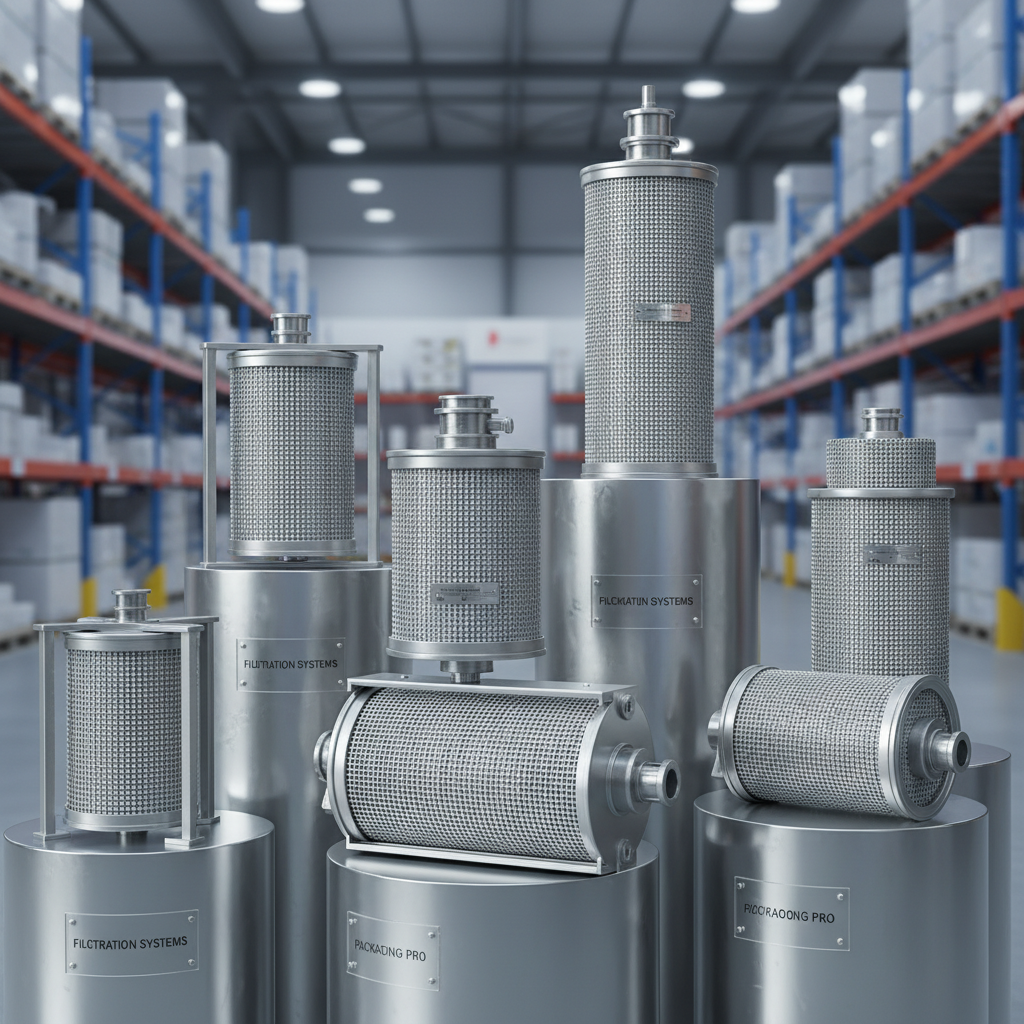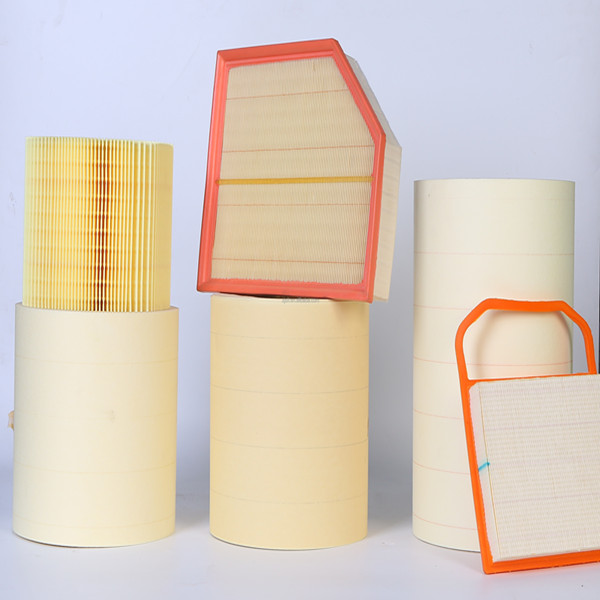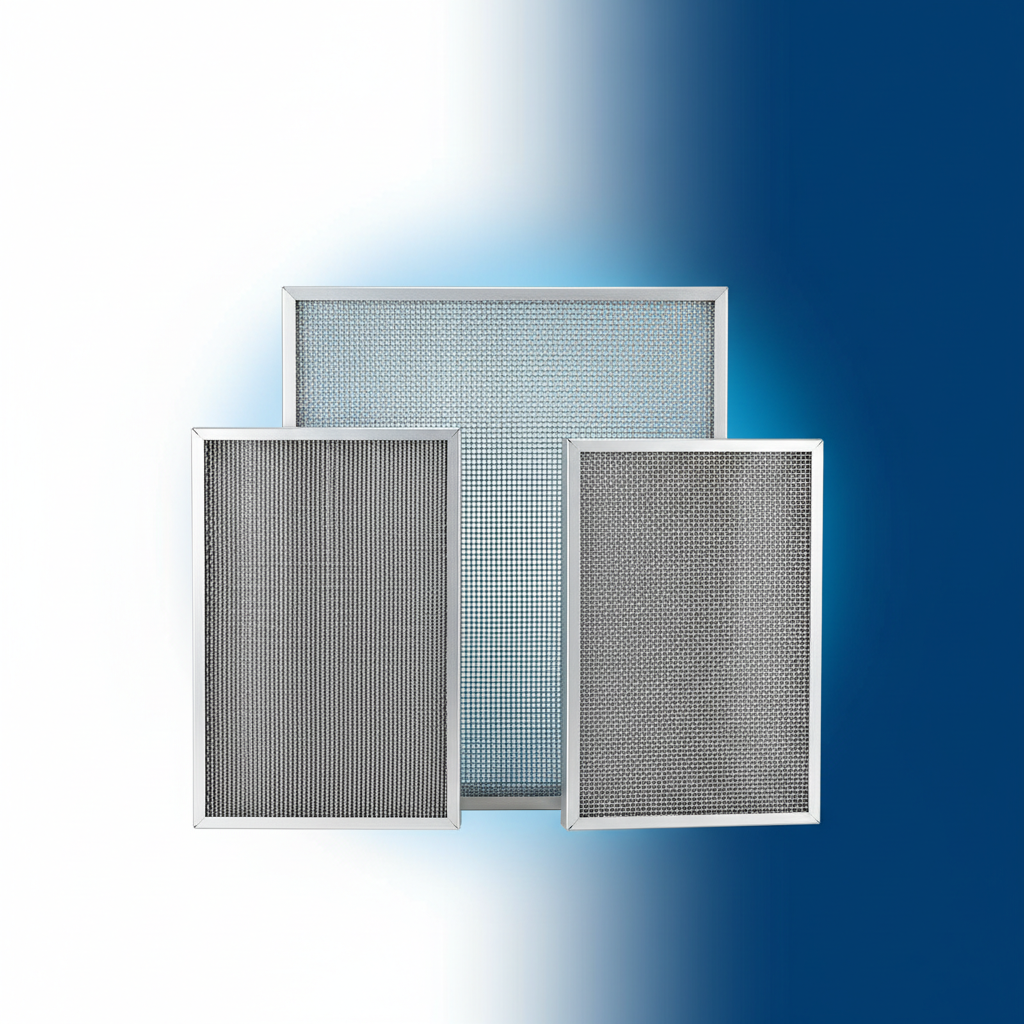
Fiberglass Filter Cloth is a key solution in the industry, specifically within filtration and separation processes crucial for many heavy-duty environments. This article explores how Anya Filter Media supports professionals with durable, high-performance products, and explains why this product is an ideal choice for businesses in these sectors.
Table of Contents
- Fiberglass Filter Cloth Overview
- Benefits & Use Cases of Fiberglass Filter Cloth
- Cost, Maintenance & User Experience
- Sustainability & Market Trends
Fiberglass Filter Cloth Overview
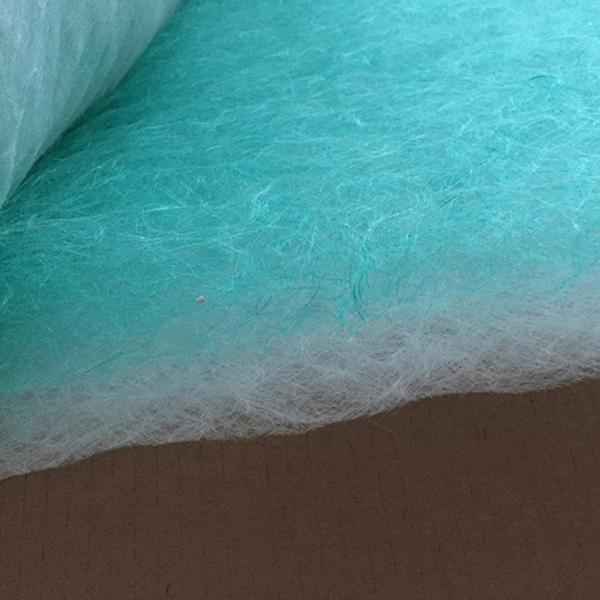
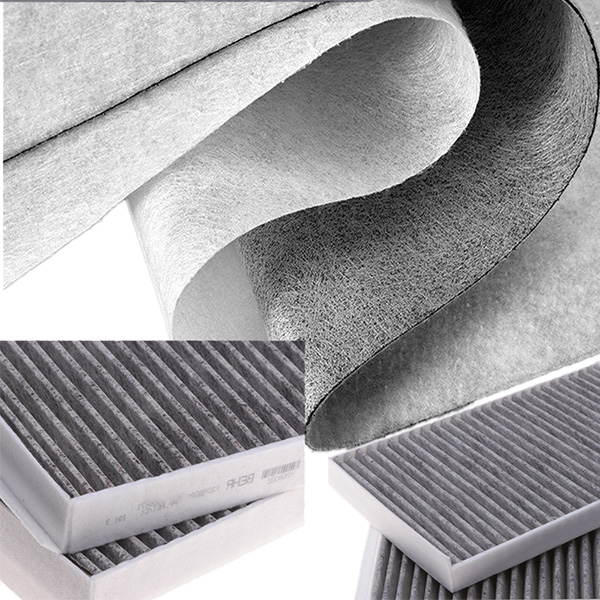
In real industrial settings, Fiberglass Filter Cloth serves as a robust filtration medium favored for its heat resistance and chemical stability. Manufactured from woven fiberglass yarns, this cloth withstands temperatures up to 500°C (sometimes higher with special coatings), making it suitable for rigorous processes like flue gas filtration or the separation of fine particles in chemical plants.
Technically speaking, this fabric combines a finely balanced weave structure with the inherent properties of fiberglass fibers — think high tensile strength and low shrinkage — which leads to consistent filtration performance. For instance, a recent case study involving a cement plant reported that substituting older polyester filter bags with fiberglass cloth increased dust capture efficiency by nearly 15%, alongside longer service intervals. Not bad, huh?
| Specification | Details |
|---|---|
| Material | Woven Fiberglass Yarn |
| Max Operating Temperature | Up to 500°C (per grade) |
| Chemical Resistance | Excellent vs Acids & Alkalis |
| Weave Types | Plain, Twill, Satin weaves available |
| Thickness | 0.3mm - 1.2mm |
Benefits & Use Cases of Fiberglass Filter Cloth
So, why do industries gravitate toward fiberglass filter cloth? Well, for starters, the high temperature tolerance means it thrives in power plants, metal processing, and incineration facilities where you’d expect scorching conditions. It’s not just the heat: its chemical resistance makes it ideal for aggressive filtration scenarios in chemical, pharmaceutical, or food industries where contamination and longevity matter.
Many engineers I’ve spoken to praise its abrasion resistance, which reduces frequency of filter replacements and cuts downtime. Plus, its dimensional stability - it doesn’t stretch or deform under pressure - helps maintain consistent filtration rates and product quality. Oddly enough, this kind of stability is something that synthetic filters sometimes struggle with.
What really stands out is the ability to customize weaves and coatings at Anya Filter Media for specialized tasks: anti-static finishes, PTFE laminations, or surface treatments for sticky dust — they cover it. It’s this flexibility that manufacturers in pulp & paper or cement plants particularly value.
| Vendor | Customization | Typical Lead Time | Price Range |
|---|---|---|---|
| Anya Filter Media | High (weaves, coatings, sizes) | 2-4 weeks | Competitive |
| Vendor B | Medium (standard sizes/coatings) | 3-5 weeks | Moderate |
| Vendor C | Low (limited options) | 4-6 weeks | Lower cost |
Cost, Maintenance & User Experience
Frankly, one of the most appealing aspects of fiberglass filter cloth is that it offers a solid return on investment (ROI) over traditional textiles. While the upfront cost might be a bit higher than polyester or cotton alternatives, the durability — resistance to heat, chemical exposure, and physical wear — reduces replacement frequency drastically.
Maintenance routines for fiberglass cloth tend to be simpler, too, since the fabric resists clogging and can often handle more aggressive pulse jet cleaning without damage. Some customers from the chemical sector have shared feedback that downtime for filter changes dropped by nearly half after switching to fiberglass fabrics sourced from Anya Filter Media.
Considering total cost of ownership, this means not just savings on replacements, but also less labor and downtime loss — something everyone values. It's almost like choosing quality materials upfront that "pay themselves back" over time. I suppose that’s what savvy procurement teams really look for.
Sustainability & Market Trends
Sustainability is an increasingly hot topic in the filtration world, and fiberglass filter cloth definitely has a role to play. Its long lifespan means fewer replacements and less waste pumped into landfills. On top of that, many manufacturers, including those at Anya Filter Media, are exploring recycling programs or using eco-friendlier binders and coatings.
Industry regulations tightening around emissions and dust control naturally push demand toward higher performing materials that achieve cleaner outputs with less environmental impact. Fiberglass cloth often ticks that box. Plus, as markets grow in Asia and South America, the need for reliable, durable filtration media only gets stronger.
Oddly enough, despite synthetic polymer filters dominating many areas, fiberglass is enjoying renewed interest precisely because it meets both performance and sustainability criteria in one package.
Frequently Asked Questions about Fiberglass Filter Cloth
- What is Fiberglass Filter Cloth and how does it work?
- Fiberglass Filter Cloth is a woven fabric made from glass fibers designed to separate solids from gases or liquids. It works by trapping particulate matter on its surface or within its tight weave as media flows through, all while resisting high temperatures and chemical exposure.
- What are the main benefits of using Fiberglass Filter Cloth in industrial applications?
- The key benefits include excellent thermal resistance, chemical stability, long service life, and strong mechanical strength. These lead to improved filtration efficiency and overall lower lifecycle costs compared to traditional filter media.
- How does Fiberglass Filter Cloth compare to traditional alternatives?
- Unlike polyester or cotton-based filters, fiberglass cloth can withstand higher temperatures and corrosive environments without deforming or degrading. It also maintains more consistent pore structures for stable filtration performance over time.
- What industries can benefit most from Fiberglass Filter Cloth implementation?
- Primary sectors include cement production, power generation, chemical processing, metal smelting, and waste incineration — basically anywhere fine particulate removal at elevated temperatures is critical.
Conclusion on Fiberglass Filter Cloth from china
To wrap up, Fiberglass Filter Cloth remains an essential player when it comes to industrial filtration requiring toughness, stability, and longevity. If you’re weighing options for upgrading or sourcing new filter media, materials from trusted suppliers like Anya Filter Media present a compelling balance of cost, customization, and proven performance.
- Recap the value of Fiberglass Filter Cloth.
- - Visit our website: https://www.anyafiltermedia.com
Reflecting on the growth of filter media markets, it’s clear that innovations in fiberglass cloth manufacture and application continue to shape how industries meet evolving regulatory and operational demands. Staying informed and choosing the right partner can make all the difference.
Post time: Dec-08-2025