a fiberglass filter media air filter: What it is and Why it Matters Globally
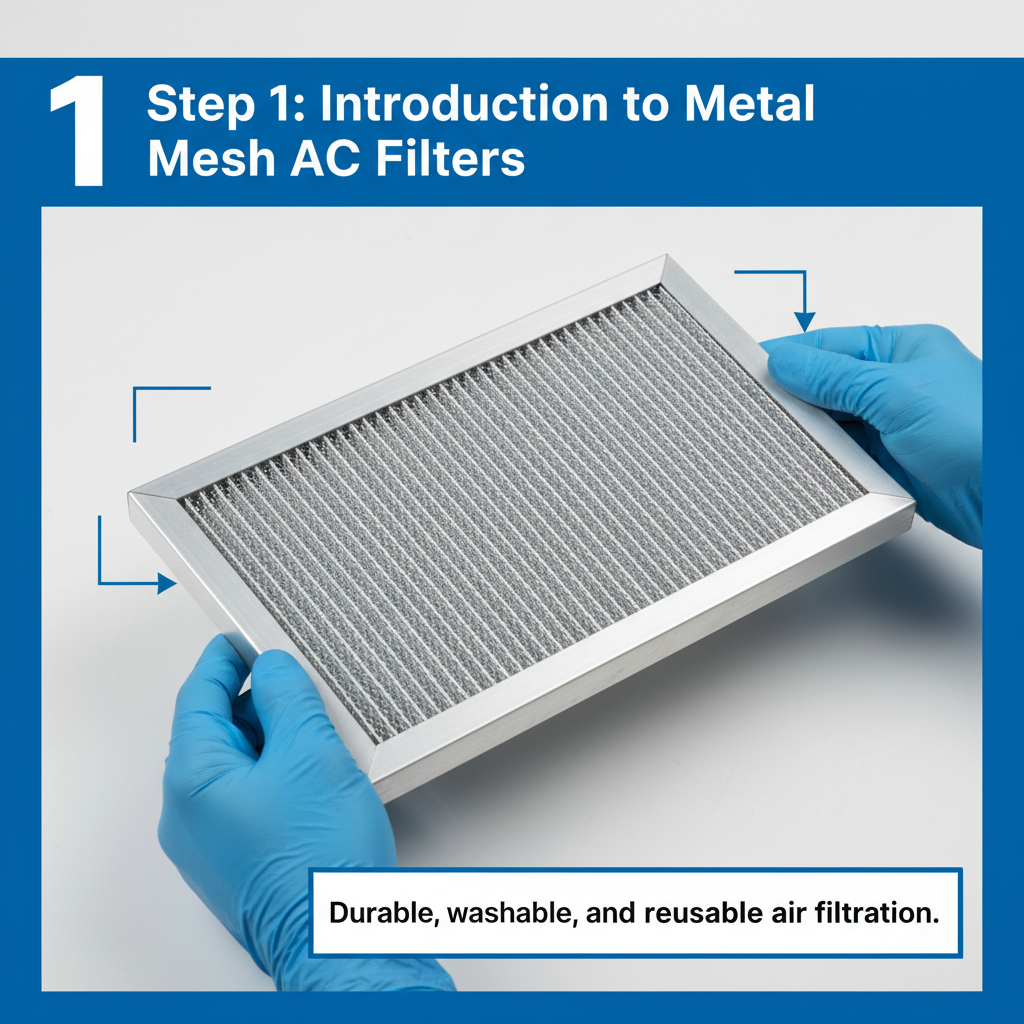
In a world that’s growing increasingly urban and industrial, clean air has become a precious commodity. Enter a fiberglass filter media air filter — a surprisingly simple yet powerful piece of technology that plays a huge role in keeping our environments breathable. Whether it’s the air conditioning system in your office or an industrial plant’s ventilation, these filters trap harmful particles to improve air quality worldwide. Understanding how they work and where they’re used can demystify an essential part of our daily lives and even highlight their role in global health and sustainability campaigns.
Introduction: Global and Industry Context
Air pollution is a leading environmental risk worldwide, causing millions of premature deaths annually, according to the World Health Organization. Globally, urban areas are struggling with deteriorating air quality stemming from industrial emissions, traffic, and natural dust. Here’s where the humble fiberglass filter media makes an impact. Often found in HVAC systems from skyscrapers in New York to factories in Guangzhou, these filters mitigate particulate matter that can enter indoor air. ISO standards for air filtration have driven the adoption of such products far and wide, aiming to create healthier indoor environments. Nevertheless, challenges remain in optimizing filter performance against ever-finer pollutants.
Definition & Meaning
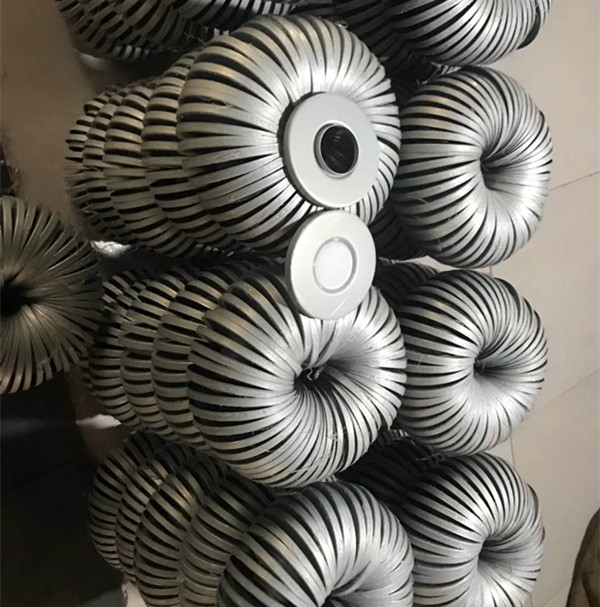
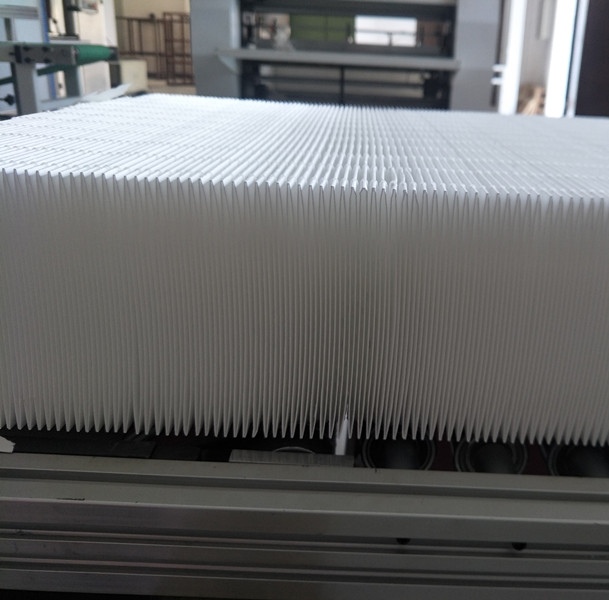
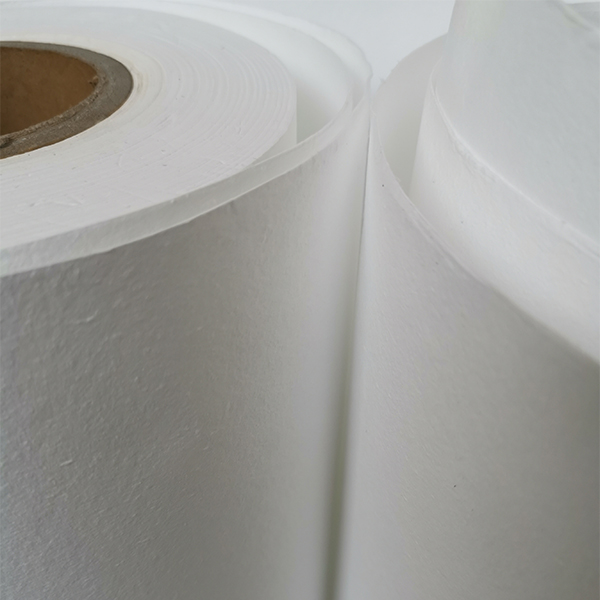
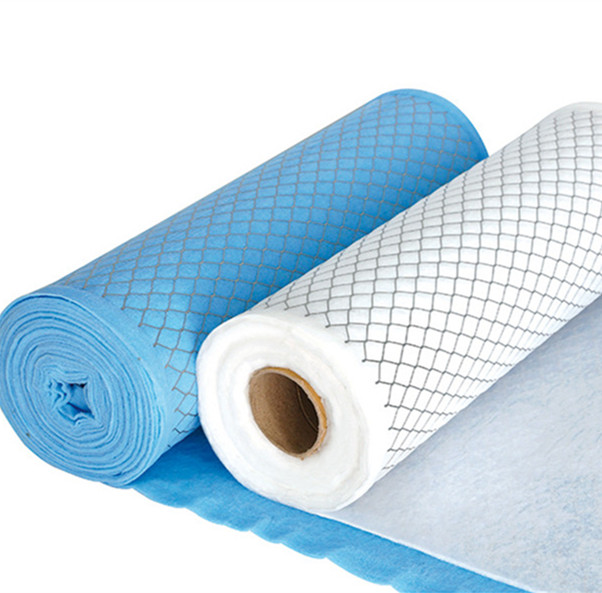
So, what exactly is a fiberglass filter media air filter? In basic terms, it’s a filter made primarily from tiny glass fibers, woven or laid into a mat that captures dust, pollen, microbes, and other airborne contaminants as air passes through it. These fibers’ fine structure creates a web-like texture effective at trapping microscopic particles, even those under a micron in size that metals or plastics might miss. They serve a crucial role not only in keeping equipment running efficiently but also protecting human health in places like hospitals, offices, and homes. Oddly enough, they blend simple material science with modern needs for clean air at scale.
Key Factors or Core Components
1. Filtration Efficiency
This measures how well the fiberglass media traps particles of different sizes. Ratings like MERV (Minimum Efficiency Reporting Value) help quantify this. A higher MERV means better filtration but possibly more airflow resistance.
2. Durability and Temperature Resistance
Fiberglass can withstand high temperatures without degrading, which makes it ideal in industrial HVAC and some cleanrooms compared to paper or synthetic filters.
3. Cost Efficiency
While not the cheapest option, fiberglass filters strike a sweet spot between price and longevity. Many engineers note their economical benefits when balancing replacement frequency and performance.
4. Environmental Impact
Though fiberglass itself isn’t biodegradable, the durability reduces total waste over time. Plus, using fiberglass filters supports energy efficiency since clean filters reduce HVAC system strain.
5. Ease of Customization and Scalability
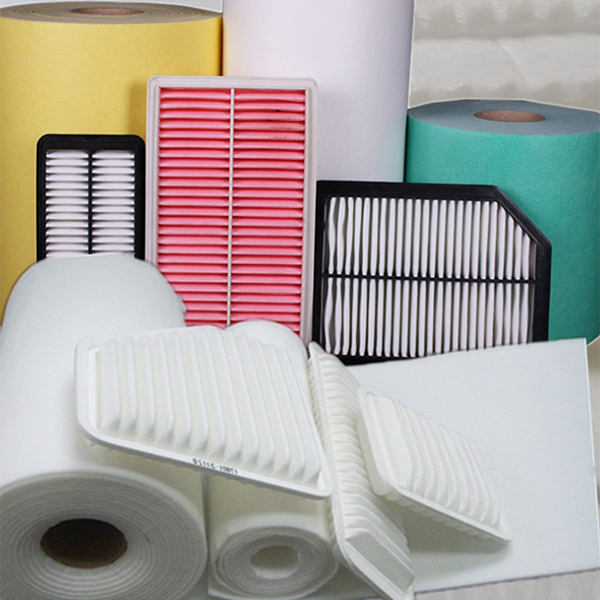
Fiberglass filter media can be tailored in density and thickness, allowing manufacturers to create filters for everything from residential air purifiers to giant industrial units.
Product Specifications Table
| Specification | Typical Values |
|---|---|
| Fiber Diameter | 0.7 - 2.0 microns |
| MERV Rating | 8 - 13 (common range) |
| Operating Temperature | Up to 250°F (120°C) |
| Airflow Resistance | Low to moderate |
| Typical Lifespan | 3 to 12 months (depending on environment) |
Global Applications & Use Cases
Fiberglass filter media air filters are frankly everywhere if you look closely—their versatility is quite remarkable. In North America and Europe, they’re standard in commercial HVAC systems, helping businesses comply with air quality codes. In Asia’s industrial hubs, these filters protect machinery and workers from harmful particulate emissions. Humanitarian organizations have even utilized portable air filtration units containing fiberglass media during disaster relief to ensure safe indoor air when external pollution spikes following wildfires or floods.
For those curious about emerging markets, remote mining operations in Australia and South America rely on these filters to maintain operational safety where dust storms are routine nuisances. The healthcare sector, universally, praises fiberglass filters for their ability to trap bacteria and allergens, improving patient outcomes. You can also find them in cleanrooms critical to pharmaceutical manufacturing.
Vendor Comparison Table
| Vendor | MERV Range | Product Customization | Typical Lead Time | Sustainability Initiatives |
|---|---|---|---|---|
| FibraTech Inc. | 8 - 13 | Thickness, density | 4 weeks | Recycling program |
| ClearAir Solutions | 6 - 12 | Standard sizes, quick ship | 1-2 weeks | Biodegradable packaging |
| GlobalFilter Corp. | 10 - 14 | Custom brands, specialty grades | 6 weeks | Carbon-neutral manufacturing |
Advantages & Long-Term Value
The benefits of fiberglass filters extend well beyond simply trapping dust. They boost HVAC efficiency by keeping systems clean and reduce maintenance costs—something every facilities manager appreciates. Socially, they contribute to healthier environments, reducing respiratory ailments. I’ve noticed that many operators especially value the emotional reassurance these filters bring; people feel safer knowing the air is cleaner. Over time, their relatively long lifespan combined with energy savings delivers solid returns on investment. They fit snugly into sustainability goals too, since cleaner air aligns neatly with international environmental targets.
Future Trends & Innovations
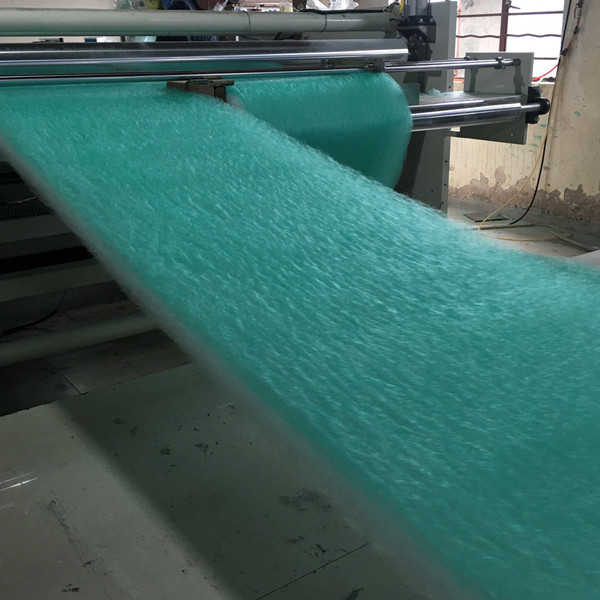
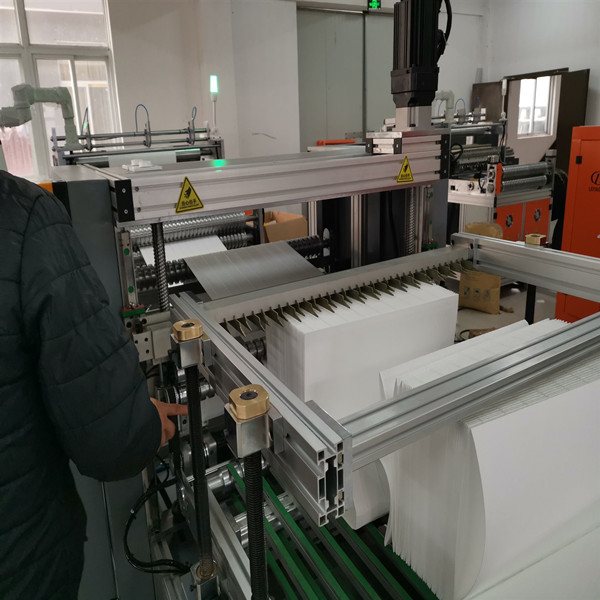
Looking ahead, the role of fiberglass filters might even expand with technologies like smart sensors that can detect clogging or filter life in real-time—digital transformation seeping into even our air filters! Green certifications are driving manufacturers to experiment with bio-based binders to replace synthetic resins in fiberglass mats, lowering their carbon footprint. Automation in production ensures consistent quality, and some firms are researching nanofibers blended with fiberglass for ultra-high efficiency at low pressure drops. It’s a quiet revolution underway, honestly.
Challenges & Solutions
Of course, no technology is perfect. Fiberglass filters can generate fine dust fibers if mishandled and need proper disposal to avoid environmental issues. They also face performance trade-offs: higher filtration efficiency usually comes with higher airflow resistance, impacting energy use. Innovative layered designs and hybrid materials are among solutions engineers are exploring. Maintenance practices and user education are equally crucial to extend filter life and ensure air quality goals are met consistently.
FAQ: Frequently Asked Questions About a fiberglass filter media air filter
- Q: How often should I replace a fiberglass filter media air filter?
A: Replacement typically ranges from 3 to 12 months depending on usage, environment, and airflow. Inspect filters monthly for dust buildup and follow manufacturer guidance for best results. - Q: Are fiberglass filters safe for residential use?
A: Yes, they are widely used in homes and commercial buildings. Proper installation and handling minimize dust fiber release concerns, making them effective and safe for indoor air quality. - Q: Can fiberglass filters remove allergens like pollen and pet dander?
A: Fiberglass media can capture larger particles such as pollen and dander effectively, but for very fine allergens or smoke, specialized HEPA or electrostatic filters may be better suited. - Q: How do fiberglass filters compare in cost to other types?
A: While not the cheapest option, fiberglass filters balance cost with durability and filtration performance well, often providing greater value over time than disposable synthetic filters.
Conclusion + Call to Action
To sum it up, a fiberglass filter media air filter is more than just a piece of equipment — it’s a key player in the global effort to maintain breathable air, reduce pollution-related health issues, and improve quality of life across industries and regions. As technologies evolve, these filters remain a dependable and essential solution for many applications. If you’re interested in exploring this further or sourcing quality fiberglass filters, visit our website: a fiberglass filter media air filter.
In short: clean air is not a given, but with effective filtration technology like fiberglass media, it’s very achievable.
References
Post time: Dec-07-2025