Wire Mesh Air Conditioner Filter: What They Are and Why They Matter Today
If you’ve ever peeked inside an air conditioner to see those thin layers that catch dust and debris, you might have encountered a wire mesh air conditioner filter without even realizing it. Far from a mere dusty screen, these filters play a significant role in ensuring indoor air quality, prolonging equipment life, and even impacting environmental footprints worldwide. Understanding them isn’t just for HVAC pros; it’s becoming increasingly relevant for industries from manufacturing hubs in China to office towers in Europe, and humanitarian relief in the world’s hottest regions.
Why does that matter globally? Because air conditioning accounts for nearly 20% of electricity use in buildings worldwide, according to the International Energy Agency. Filtering air efficiently can reduce energy waste, lower emissions, and enhance public health. Wire mesh air conditioner filters, known for their reusability and robust design, hold a big piece of this puzzle.
Setting the Stage: The Global Context of Wire Mesh Air Conditioner Filters
Climate change and rapid urbanization increasingly drive up demand for air conditioning. According to the UN Environment Programme, cooling demand is expected to triple by 2050, mostly in developing regions with fragile infrastructure. This surge poses several challenges—energy consumption, equipment strain, and air pollution infiltration.
Wire mesh air conditioner filters tackle these challenges head-on. Their design offers a reusable, durable, and effective method to keep air quality high while reducing filter replacement waste. For industries grappling with supply chain delays or cost pressures, these filters represent a sensible choice balancing economy and performance.
wire mesh air conditioner filter often emerge as a dependable solution in factories, hospitals, and even disaster relief camps where rapid setup and durability are crucial.
What Exactly Is a Wire Mesh Air Conditioner Filter?
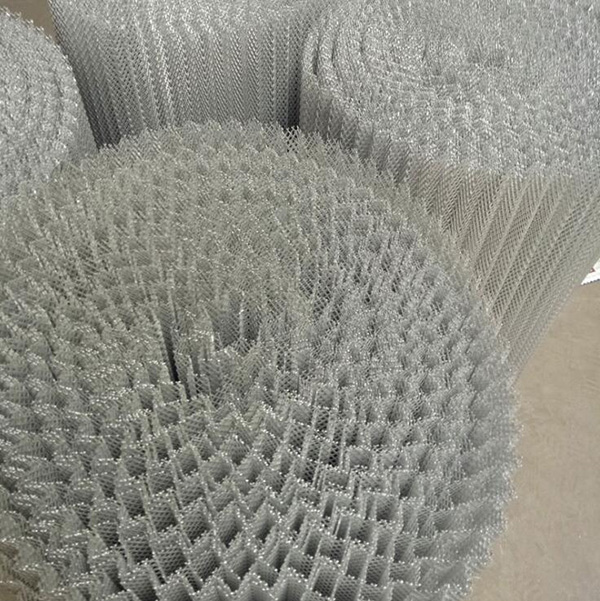
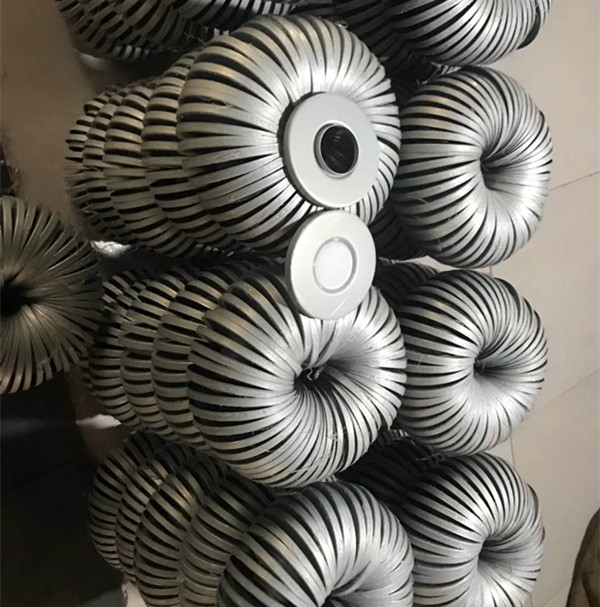
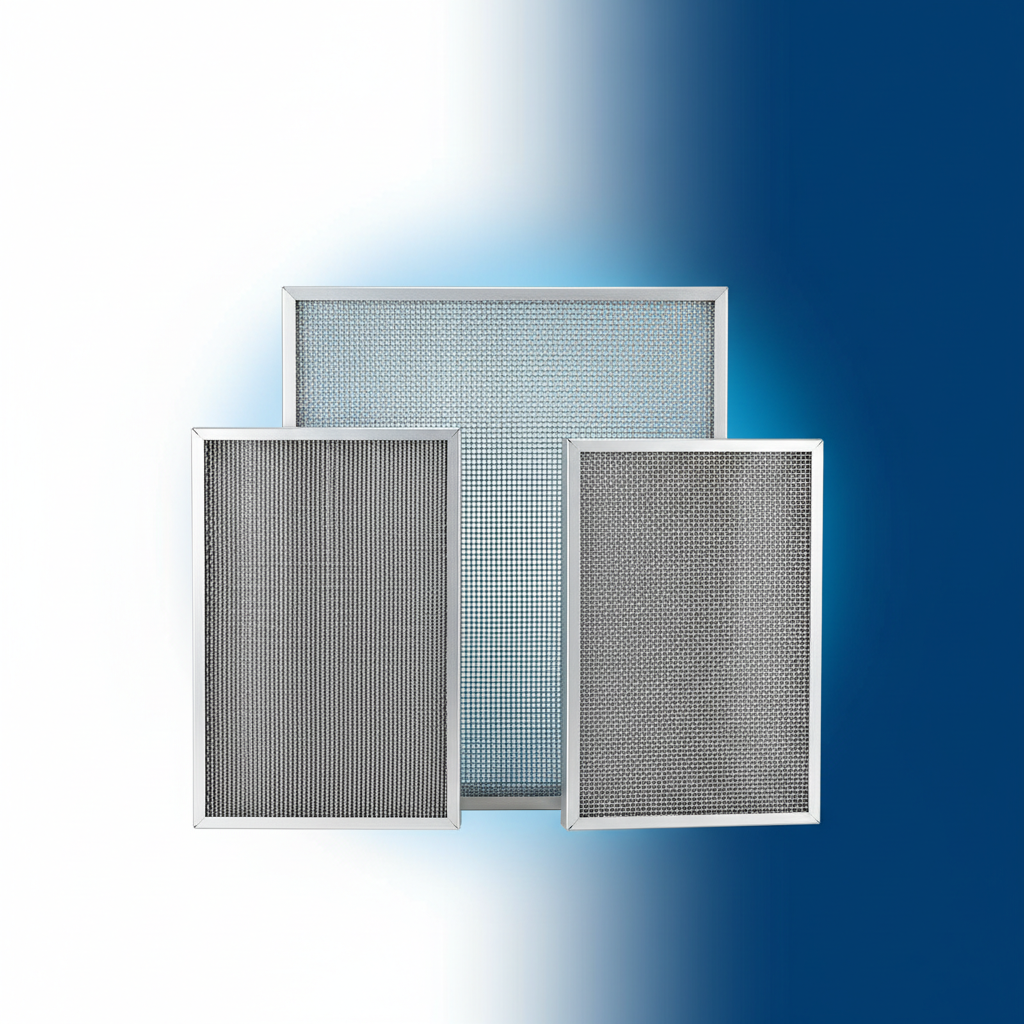
Simply put, a wire mesh air conditioner filter is a filtration element made from layers of woven or welded metal wire — usually stainless steel or aluminum — designed to trap dust, lint, and other airborne particles before they enter or exit air conditioning units.
This filter type stands apart because it’s washable and reusable, unlike disposable paper or synthetic filters. They work on mechanical filtration principles rather than electrostatic attraction or chemical treatment. Their porous yet sturdy fabric holds back contaminants, preserving the delicate internals of HVAC machinery and boosting overall efficiency.
In humanitarian contexts — like post-disaster shelters or field clinics — the simplicity and ruggedness of wire mesh filters often means the difference between clean air and one laden with harmful particulates, without needing supply chains flooded with disposable parts.
Core Characteristics That Make Wire Mesh Air Conditioner Filters Effective
Durability
These filters come made from metal wire, typically stainless steel or galvanized steel, which resist corrosion and mechanical damage. In dusty or high-humidity environments, this durability lets them last through multiple cleaning cycles without warping or degrading — quite unlike common disposable alternatives.
Reusability and Cost Efficiency
Because they can be cleaned and reused dozens of times, wire mesh filters cut down on ongoing procurement and waste disposal costs. For large-scale operations or remote sites, this means fewer supply disruptions and better budget control.
High Airflow with Moderate Filtration
The design lets air circulate more freely compared to dense media filters. Sure, they’re not HEPA-level clean, but their moderate filtration effectively traps larger particles — enough for most commercial and industrial cooling needs without choking airflow or overloading fans.
Ease of Maintenance
The mesh filters can be rinsed with water or mild solvents, often without needing special tools or chemicals. This ease allows onsite teams to keep ventilation optimized without waiting for specialists.
Customization and Scalability
Wire mesh filters are easy to tailor in terms of size, wire diameter, and layering, meaning they fit in anything from compact residential units to massive industrial air handling systems. Their scalability makes them adaptable to emerging HVAC requirements globally.
Where Wire Mesh Air Conditioner Filters Come Into Play Around the World
- Industrial Plants: Manufacturing sectors in India, China, and Brazil utilize these filters extensively to protect their HVAC equipment amid dusty, pollutant-heavy environments.
- Commercial Buildings: Office towers and shopping centers in Europe and North America choose wire mesh filters for their reusability and maintenance ease, reducing operational costs.
- Humanitarian & Emergency Use: In refugee camps or disaster-affected zones, these filters help maintain breathable air under tough conditions where disposable supply chains falter.
- Agricultural & Food Processing: In regions like California and Australia, farms and food plants use wire mesh filters to guard HVAC systems against contamination and ensure consistent airflow.
For example, a mid-sized textile factory in Bangladesh reported an 18% drop in cooling system maintenance costs after switching to wire mesh filters. The washable filters held up well in a high-moisture, dusty environment, a real testament to their pragmatic benefits.
Advantages & Long-Term Value: More Than Just a Screen
On the surface, it’s easy to think of these filters as just simple nets, but their value stretches far. Not only do they improve air conditioner efficiency and equipment longevity, but they also contribute to sustainability goals by reducing landfill waste.
- Economic Savings: Less frequent replacement means lower lifetime costs.
- Sustainability: Reusable and recyclable materials reduce environmental impact.
- Health & Comfort: Better-filtered air promotes occupant wellbeing, especially in polluted urban centers.
- Trust & Reliability: Facilities count on these filters to help avoid unexpected downtime or costly repairs.
There’s an emotional layer, too — confidence that the air you breathe isn’t just cool, but clean; that the equipment humming quietly above won’t bail on you after a hot summer day; that innovation doesn’t always have to be complicated or flashy to be useful.
Emerging Trends and The Future of Wire Mesh Air Conditioner Filters
Looking ahead, the wire mesh filter space isn’t standing still. Engineers blend traditional metal meshes with coatings that disarm bacteria or filter finer particles. Some research points toward integrating smart sensors into frames that monitor filter clogging in real time, triggering automated cleaning alerts.
Materials science is also transforming filter wire itself, with alloys promising thinner yet stronger mesh and anti-corrosive surfaces helping in challenging climates. Combining these advances with increasing demands for greener HVAC systems is pushing wire mesh filters into a fresh spotlight.
Given the world’s push for energy-efficient buildings under standards like ISO 16890 (air filter testing for ventilation), the synergy between filter performance and sustainability seems destined to grow.
Challenges Today and How Innovators Are Solving Them
Of course, wire mesh filters don’t catch everything. Their pore size limits fine particulate removal; they fall short in capturing allergens or microscopic pollutants found indoors. Sometimes they get overlooked by facilities favoring high-MERV or HEPA filters without a second thought.
But that’s where hybrid systems come in — combining wire mesh with finer media layers or electrostatic components to get the best of both worlds. There’s also a need for better training among technicians to appreciate the unique strengths and cleaning procedures these filters require.
Experts advocate for more widespread adoption coupled with smart design — think quick-release frames and modular filtering assemblies — to enhance both usability and performance in real-world settings.
FAQ: Your Questions About Wire Mesh Air Conditioner Filters Answered
- Q: How often should I clean a wire mesh air conditioner filter?
- A: Typically, cleaning every 1 to 3 months is recommended, depending on environmental dust levels and filter usage. In industrial or dusty settings, more frequent rinsing may be necessary to maintain airflow and filtration efficiency.
- Q: Are wire mesh filters effective against all types of air pollutants?
- A: While excellent at trapping large particles like dust and lint, wire mesh filters don’t filter very fine particles such as pollen, smoke, or microbial contaminants. For higher filtration demands, they often are paired with finer media filters.
- Q: Can I install a wire mesh filter myself?
- A: Many wire mesh filters are designed for user-friendly installation and cleaning. However, it’s best to consult your AC unit’s manual or a professional to ensure correct fitting and to avoid damage.
- Q: Are wire mesh filters suitable for humid or coastal environments?
- A: Yes, especially those made from stainless steel or galvanized wire, which resist rust and corrosion well. Proper maintenance is still essential to prolong filter life under these conditions.
- Q: How do wire mesh filters compare cost-wise to disposable filters?
- A: Although their upfront cost is higher, reusable wire mesh filters save money over time through multiple cleaning cycles and reduced replacement frequency, making them cost-effective in the medium and long run.
Conclusion: Why Wire Mesh Air Conditioner Filters Are Worth Considering
In a world striving for cleaner air, smarter energy use, and robust infrastructure, wire mesh air conditioner filters offer a no-nonsense, durable solution that keeps systems humming and environments healthier. Their blend of reusability, durability, and straightforward maintenance makes them a reliable partner across industries, geographies, and contexts.
If you’re managing HVAC performance or sustainability goals, it’s worth a closer look. Want to learn more or source high-quality wire mesh filters? Visit our website at Anyafiltermedia.com and discover the range of options designed for your needs.
Product Specification Table
| Feature | Specification | Notes |
|---|---|---|
| Material | Stainless steel / Aluminum | Corrosion resistant options available |
| Wire Diameter | 0.15 - 0.5 mm | Thinner wires for better airflow |
| Mesh Size | 20 - 100 mesh (holes per inch) | Customizable per filtration needs |
| Cleaning Method | Rinse with water or mild detergent | No special tools needed |
| Product Life Cycle | 3-5 years typical | Depends on usage and maintenance |
Vendor Comparison Table
| Vendor | Material Options | Customization | Lead Time | Price Range (USD) |
|---|---|---|---|---|
| Anyafilter Media | SS, Aluminum, Galvanized | Full size & mesh customization | 2-3 weeks | $$ |
| GlobalFilters Ltd. | SS only | Limited customization | 4-6 weeks | $$$ |
| EcoAir Supplies | Aluminum, plastic-coated wire | Custom mesh sizes | 3-4 weeks | $ |
Post time: Nov-26-2025