Eco Filter Paper: A Small Innovation with Big Global Impact
At first glance, eco filter paper might sound like just another product in the endless parade of green innovations. But its significance in both environmental sustainability and industrial efficiency is quietly profound. In a world increasingly conscious of resource management, having a reliable, biodegradable, and effective filtration medium brings multiple sectors—from water treatment to pharmaceuticals—closer to sustainable solutions.
Understanding eco filter paper matters globally because it addresses critical challenges like pollution control, waste management, and resource conservation. Beyond just an environmentally friendly label, it translates to healthier ecosystems, safer drinking water, and reduced industrial waste footprint.
Before you dismiss "just paper," let me take you through why eco filter paper deserves a close look.
Why Eco Filter Paper Is Gaining Ground Worldwide
Environmental concerns have shifted from niche debates to urgent, global priorities. According to the United Nations’ Sustainable Development Goals, clean water and sanitation are essential for human health, economic development, and ecosystem protection. Industries face mounting pressure to reduce pollutants, especially microplastics and chemical contaminants.
Eco filter paper fits right into this picture by offering a renewable filtration option biodegradable enough to break down naturally. While traditional synthetic filters often end up in landfills or worse, eco filter products—manufactured from cellulose fibers and without harmful additives—are gaining traction.
Globally, demand for eco-friendly filtration solutions has grown by roughly 15% annually in the past five years, driven largely by Asia-Pacific countries tackling industrial wastewater, Europe’s strict regulations, and emergency relief operations worldwide. The problem? Many conventional filters deliver performance but at the cost of long-term environmental damage. Eco filter paper tries to change that.
What Exactly Is Eco Filter Paper?
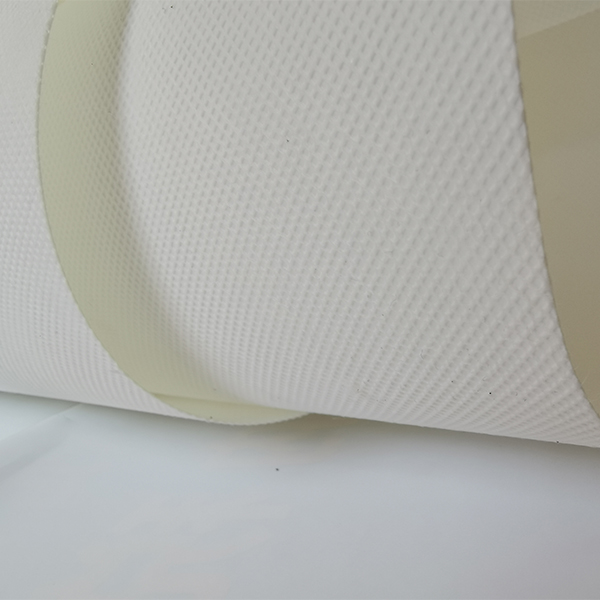
Simply put, eco filter paper is a filtration medium made primarily from natural fibers—usually sustainably sourced cellulose—with minimal chemical treatment. It performs many of the same functions as traditional filter paper: removing particulates, clarifying liquids, and even binding specific molecules. What's different is its life cycle consciousness: it biodegrades, is often compostable, and avoids toxic residues.
This paper is engineered to serve industries that need robust filtration but also want to minimize plastic reliance and chemical residues—think water purification, food & beverage processing, pharmaceuticals, and even environmental monitoring.
In humanitarian crises, too, eco filter paper is proving useful. For example, rapid water filtration setups deployed in disaster zones often use eco-based materials for easier disposal and reduced ecological footprint.
Core Features That Make Eco Filter Paper Stand Out
1. Biodegradability and Sustainability
Most eco filter papers dissolve naturally within weeks or months, unlike synthetic alternatives that stubbornly resist decay. When you factor in how many tons of filters get discarded annually, this benefit alone carries enormous weight.
2. Filtration Efficiency
It’s not just about being green—performance matters. These papers are designed with tight pore structures and enhanced fiber arrangements to capture particles ranging from coarse sediments to fine bacteria, depending on the grade.
3. Chemical Compatibility
Eco filter papers often come treated for acid or alkali resistance, enabling them to perform well in harsh industrial conditions while avoiding harmful synthetic coatings.
4. Cost Efficiency
Surprisingly, many manufacturers find that sustainably sourced filter paper competes well cost-wise when factoring overall lifecycle expenses, including disposal and regulatory fees.
5. Versatility & Scalability
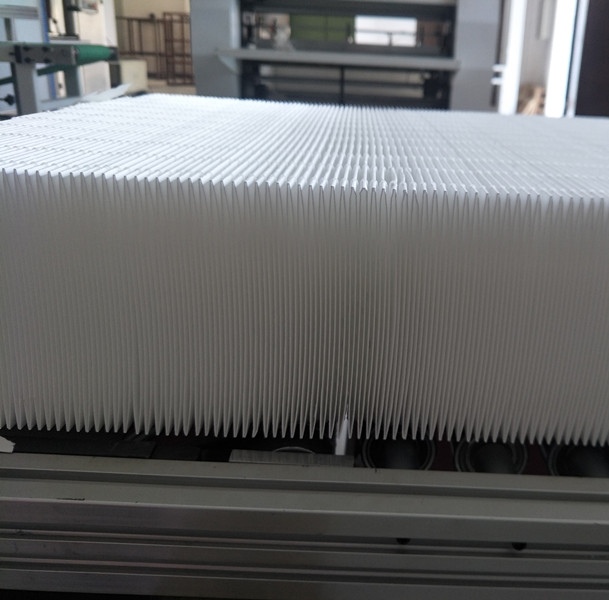
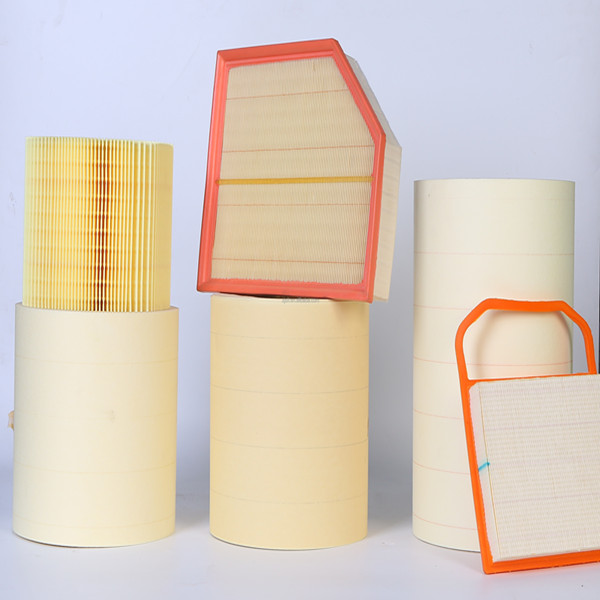
From tiny lab-scale filters to industrial-sized cartridges, eco filter paper can be customized, folded, or layered for diverse filtration setups.
6. Social Impact
Using eco-friendly materials supports fair trade pulp suppliers and local economies in forest-rich areas, adding a positive social footprint.
Mini Takeaway: Eco filter paper merges technology with conscience—delivering solid filtration that doesn't cost the planet.
How Eco Filter Paper Serves Real-World Needs Globally
Across continents and industries, eco filter paper is becoming a quiet workhorse. Here’s a brief tour:
- Water Treatment Plants: Municipal plants in Europe and Asia employ eco filter paper for sediment pre-filtration before chemical treatment, helping meet ISO water quality standards.
- Beverage & Food Industry: Breweries and juice producers in North America use it for natural filtration stages—maintaining flavor integrity without plastic contamination.
- Pharmaceutical Labs: The biodegradability and chemical compatibility support sensitive lab protocols in prominent pharma hubs like Switzerland and India.
- Disaster Relief: NGOs deploying mobile filtration units in Haiti or Indonesia rely on eco-friendly filters so waste logistics don’t compound crises.
- Industrial Zones: Remote mining operations with strict environmental mandates prefer eco filter paper for wastewater treatment, reducing environmental penalties.
There’s a real buzz in circular economy circles: a properly disposed eco filter paper can even be composted, turned into soil amendment, or safely incinerated without toxic emissions.
Advantages & Why Eco Filter Paper Is Worth the Hype
At its core, eco filter paper simply feels right. It offers manufacturers and users alike:
- Reduced Carbon Footprint: Fewer petrochemical inputs and less landfill burden.
- Cost Savings: Lower waste disposal fees and compliance with tightening regulations.
- Improved Corporate Image: Consumers are watching; going green adds trustworthiness.
- Reliability: Durable enough for the job without sacrificing environmental values.
On a more emotional level, users often mention the “peace of mind” factor—a sort of humble pride knowing their choice is building a better future.
Specifications at a Glance
| Specification | Typical Value | Remarks |
|---|---|---|
| Material | Sustainably sourced cellulose fibers | Unbleached or chlorine-free bleached |
| Thickness | 0.15 - 0.4 mm | Varies by grade |
| Pore Size Range | 0.2 - 20 microns | For fine to coarse filtration |
| Biodegradability | Complete within 3-6 months | Depends on conditions |
| pH Range | 3 - 10 (standard grades) | Customized grades available |
A Quick Look at Leading Eco Filter Paper Vendors
| Vendor | Eco Certification | Product Range | Region | Lead Times |
|---|---|---|---|---|
| GreenFiber Corp | FSC & ISO 14001 | Range from lab 0.2 micron to industrial cartridges | North America & Europe | 2-4 weeks |
| EcoPure Filters | ISO 14001 & OEKO-TEX | Customizable grades, including acid-resistant types | Asia-Pacific & Middle East | 3-5 weeks |
| Sustainia Media | FSC, B Corp | Focus on humanitarian and disaster relief products | Global (focus on Africa & South America) | 4-6 weeks |
Exciting Innovations and What the Future Holds
The eco filter paper world isn’t standing still. Researchers are experimenting with nanocellulose, biodegradable coatings infused with antimicrobial agents, and integrating sensors for real-time contamination monitoring. On a policy level, increasingly stringent EU and ISO standards are nudging manufacturers to raise the sustainability bar.
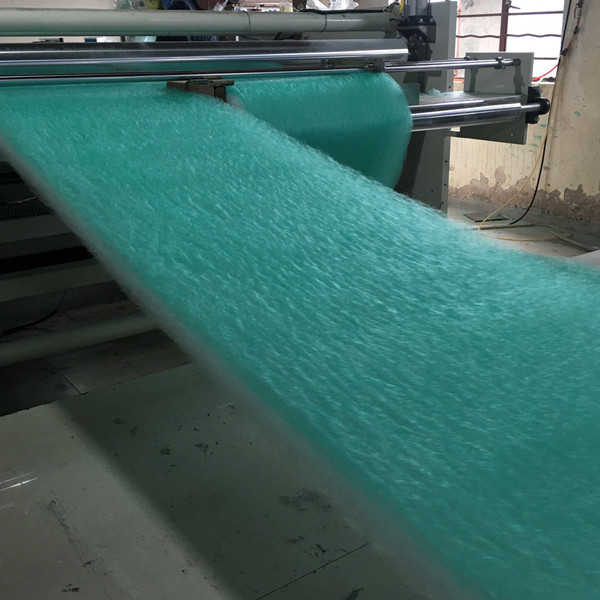
Automation in production lines means better consistency without sacrificing eco credentials. Plus, some companies are embedding traceability tech (think QR codes embedded in packaging) to verify origin and eco compliance—which is a neat transparency angle.
Real Challenges and How Experts Are Tackling Them
However, eco filter paper isn't a magic wand. Limitations include performance trade-offs under extreme pH or temperatures, shorter shelf life, and sometimes higher upfront costs compared to synthetic filters.
To combat these, manufacturers are innovating composite layers blending ecological fibers with tiny amounts of biodegradable polymers for enhanced durability, and developing better storage methods to prolong shelf life. The market’s growing, though, and economies of scale are gradually bringing prices down.
FAQ: Practical Questions About Eco Filter Paper
- What makes eco filter paper environmentally better than plastic filters?
- Eco filter paper is primarily cellulose-based, so it breaks down naturally rather than lingering in landfills or oceans as microplastics. Many filters made from plastic pose pollution risks, whereas eco versions biodegrade within months, reducing long-term waste.
- Can eco filter paper be used for drinking water filtration?
- Yes, many eco filter papers meet standards for microbiological and particulate filtration, making them suitable for water purification systems, especially in portable or emergency setups. However, certifications and treatment specifics vary, so always check product details.
- How long does eco filter paper last during storage?
- Under proper dry and cool storage, eco filter paper can last 6–12 months without significant degradation. Exposure to humidity or contaminants can reduce life, so proper packaging is key.
- Are eco filter paper products more expensive than traditional filters?
- Often, initial costs are comparable or slightly higher. But when factoring disposal costs, environmental compliance, and brand value, eco filter paper may offer better overall value.
- Can eco filter paper be customized for industrial needs?
- Definitely. Manufacturers often offer tailored pore sizes, thicknesses, and chemical resistance treatments to meet specific industrial or laboratory applications.
Wrapping Up: Why Eco Filter Paper Should Be on Your Radar
Eco filter paper captures the best of both worlds: solid technical filtration performance packed into a sustainable, conscience-friendly product. Given the environmental challenges we face, shifting to greener materials is simply smart—as a company, consumer, or policymaker.
Want to explore eco filter paper solutions tailored to your needs? Visit our website for detailed product guides and expert support at https://www.anyafiltermedia.com.
Takeaway: In an economy where every choice counts, using eco-friendly filtration media isn’t just good for the planet—it’s good business sense.
References
Post time: Nov-30-2025