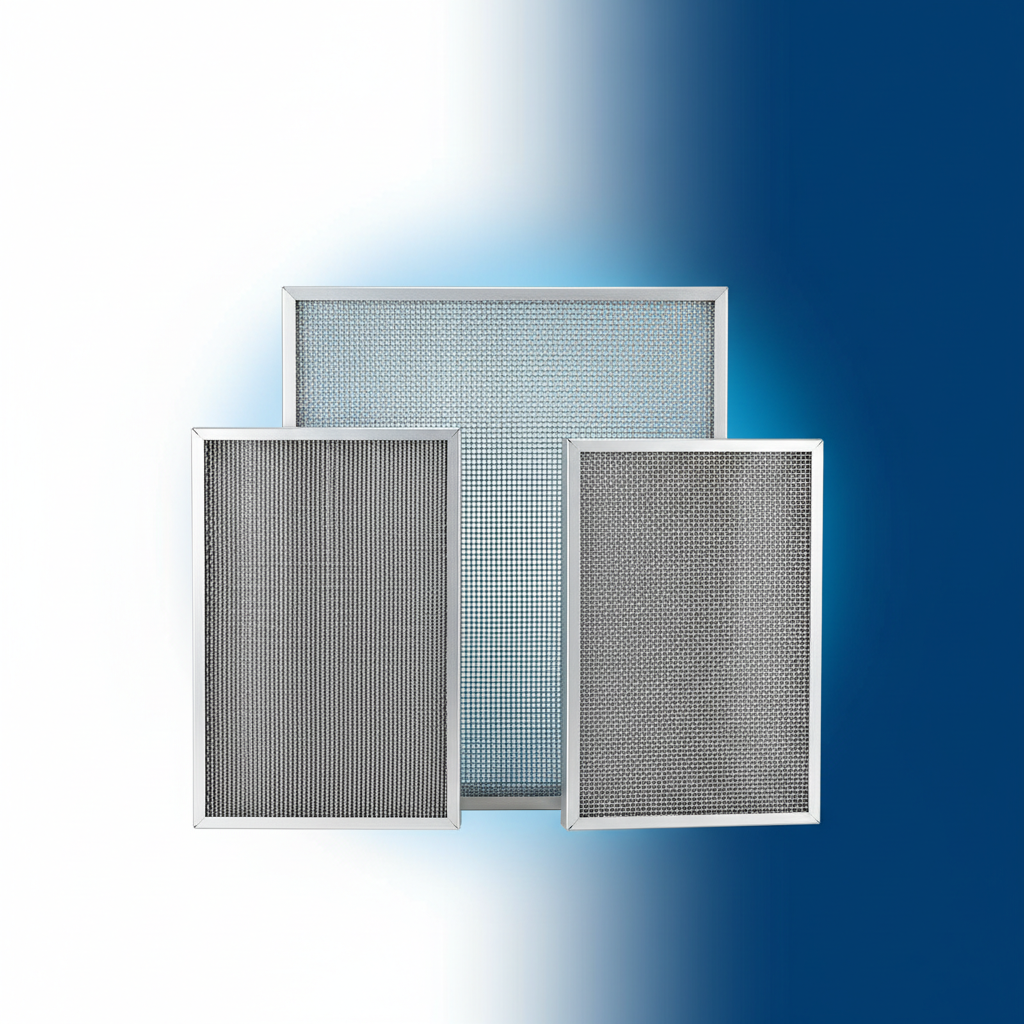
Understanding Filter Glue: A Vital Component in Industrial Filtration
Filter glue — it might sound like just another industrial adhesive, but it’s far more significant than many realize. In a world increasingly conscious of clean air, water purity, and industrial efficiency, filter glue is a quietly indispensable player. Its role is to bind filter media together, ensuring durability and performance under tough conditions. Understanding this product’s properties and applications unlocks better filtration outcomes across sectors—from wastewater treatment plants to manufacturing lines worldwide.
Introduction: Why Filter Glue Matters Globally
Globally, the filtering and purification industries are booming. According to the International Organization for Standardization (ISO), air and water filtration technologies have grown by an estimated 7% annually over the past decade. This trend speaks to increasing environmental regulations, public health awareness, and industrial demands.
But here’s the catch — filters aren’t effective without a reliable way to keep their layers intact. Enter filter glue. In many industrial setups, one faulty adhesive can mean filter failure, leading to downtime, costly replacements, or pollution leaks. In humanitarian contexts, such durability literally translates to healthier lives. Knowing filter glue’s strengths and challenges is therefore a big deal.
Defining Filter Glue in Plain Terms
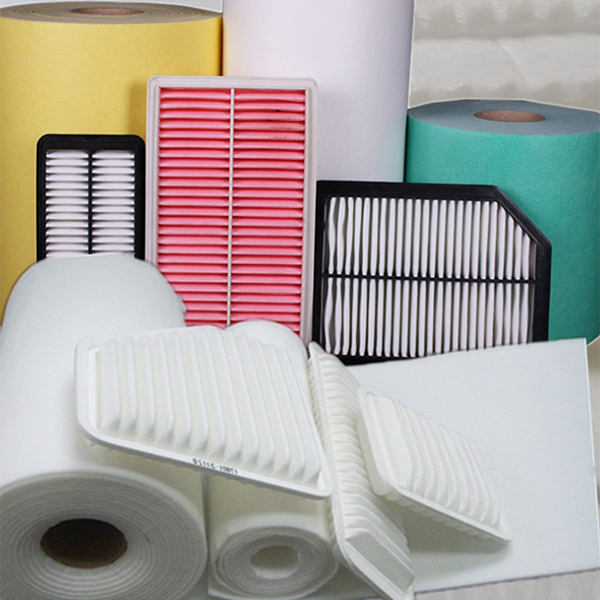
Filter glue is a specialized adhesive designed to attach and secure filter media layers — think fabrics, papers, or synthetic sheets — so they don’t separate under pressure or moisture. It withstands temperature variations, chemical exposures, and mechanical stress. Think of it as the “invisible hand” holding your filter’s performance together.
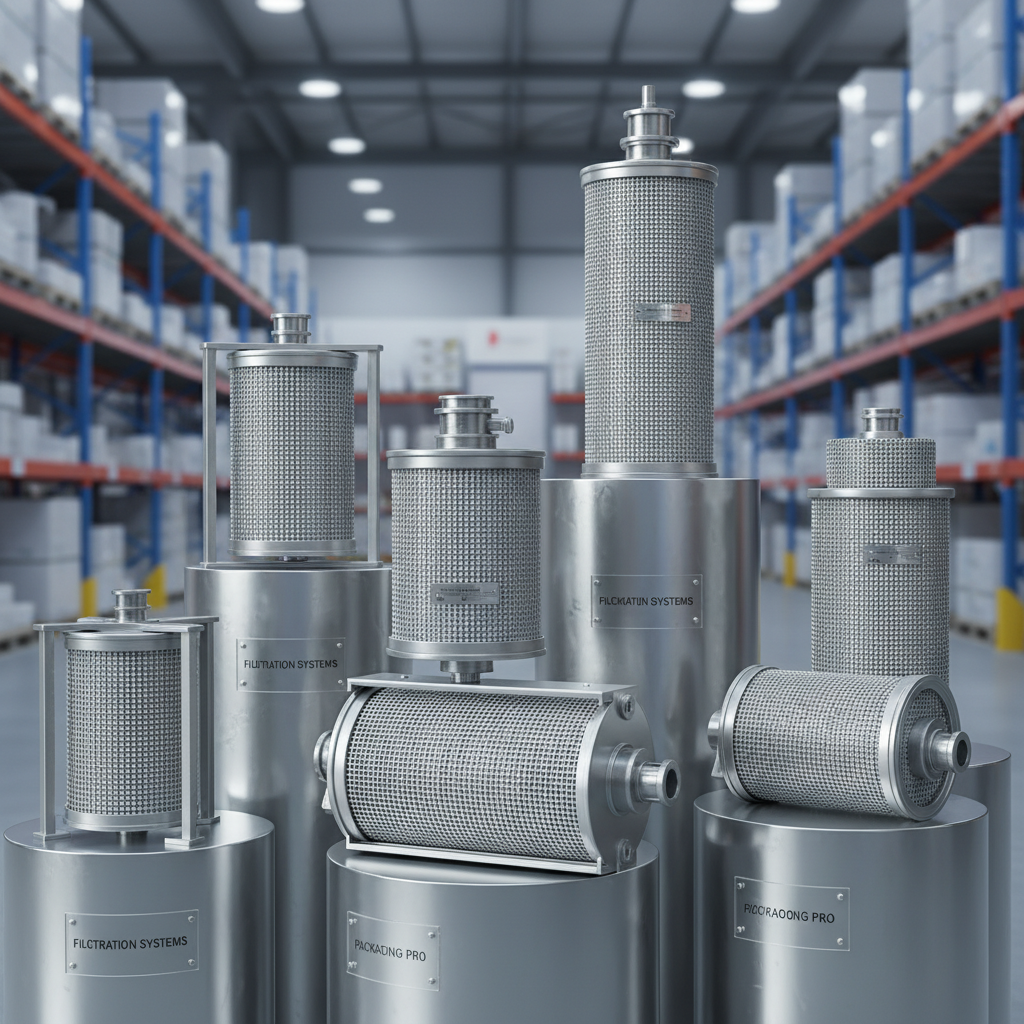
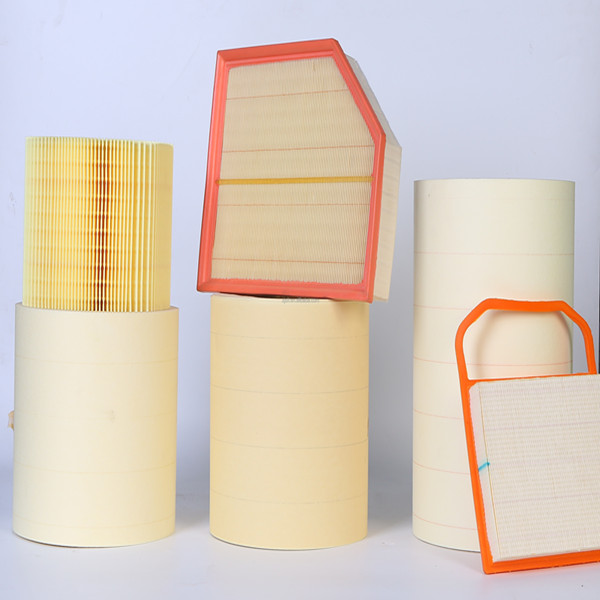
Industries use this glue in products ranging from air purifiers, HVAC systems, automobile filters, to water treatment membranes. It’s a nexus point where chemistry meets engineering, ensuring safety and sustainability.
Key Properties of Filter Glue
Durability
Filter glue must endure prolonged exposure to fluids, dust, and temperature swings without degrading. The glue’s resilience ensures the filter maintains its integrity over time, saving maintenance costs.
Chemical Resistance
Many filters deal with harsh chemicals—industrial solvents or acidic wastewater. The filter glue’s capacity to resist chemical breakdown means safer, longer-lasting filtration.
Flexibility & Adhesion Strength
Filters flex and bend in operation, so adhesives are formulated for both strong bonding and some give. Too brittle, and they crack; too soft, and layers separate.
Environmental Compatibility
Increasingly, manufacturers seek eco-friendly glues, low in volatile organic compounds (VOCs), reducing hazardous emissions during production and disposal.
Cost Efficiency
While high-end glues offer superior properties, balancing price with performance is often key, especially for large-scale industrial use.
Typical Filter Glue Specifications
| Specification | Typical Value | Unit |
|---|---|---|
| Bond Strength | > 3.5 | MPa |
| Temperature Range | -20 to 120 | °C |
| VOC Content | g/L | |
| Open Time | 5-10 | minutes |
Mini takeaway: Filter glues balance strength, flexibility, and low emissions to fulfill rigorous industrial demands.
Global Applications & Use Cases of Filter Glue
In industrialized nations, filter glue underpins HVAC systems that manage air quality in offices and homes. In places like Germany or Japan, where air pollution regulation is strict, reliable filter assembly helps prevent harmful particulates from circulating indoors.
In developing regions, it's crucial in water purification initiatives. For instance, NGOs in Sub-Saharan Africa use filters bonded by specialized glues to provide clean drinking water in remote villages. These filters must hold up under inconsistent maintenance and harsh climates.
Moreover, in automotive industries globally, filter glues secure cabin air filters and engine filtration elements that impact vehicle efficiency and passenger safety.
Oddly enough, filter glue even finds a niche in disaster relief where rapidly deployable filtration units must be sturdy yet lightweight, offering safe air and water amidst chaos.
Vendor Comparison: Top Filter Glue Suppliers
| Supplier | VOC Emissions (g/L) | Bond Strength (MPa) | Eco-Friendliness | Average Cost |
|---|---|---|---|---|
| AdhesiCorp | 45 | 3.8 | Medium | $$ |
| GreenBond | 20 | 3.2 | High | $$$ |
| TechStick | 60 | 4.1 | Low | $ |
Cost indicator: $ = low, $$ = medium, $$$ = high
Mini takeaway: Selecting a filter glue supplier involves balancing eco-friendliness, bonding strength, and budget.
Advantages & Long-Term Value of Filter Glue
Durable filter glue means fewer breakdowns and waste. This extends equipment lifespan and reduces replacement frequency, which by extension, lowers environmental impact. There’s a safety layer too — no unexpected leaks of harmful materials, protecting workers and communities.
From a human angle, it’s about trust and dignity: reliable filtration means clean air and water, fundamental rights in every sense. Investors and engineers alike recognize that lasting adhesive solutions are investments in innovation and social responsibility.
Future Trends & Innovations in Filter Glue
The future’s leaning heavily into green chemistry. New adhesives incorporate bio-based polymers or waterborne formulas aiming to drastically reduce VOC emissions. Digital manufacturing also allows more precise application methods, cutting waste.
Automation, coupled with smart sensors, could soon monitor adhesive integrity in real-time, predicting failure before it happens. Imagine filters that can signal a weak bond early – minimizing downtime and optimizing maintenance in places like power plants or hospitals.
Challenges & Solutions
Despite advances, messy application processes or insufficient curing times often cause inconsistent bonding—a persistent headache. Plus, balancing eco-friendliness and performance is tricky; some greener glues still lag in strength.
But industry experts suggest combining hybrid adhesives or adding nanomaterials that improve bonding without sacrificing sustainability. Practical training on application and investment in quality control can dramatically reduce failure rates.
FAQ: Common Questions About Filter Glue
- Q: How do I choose the right filter glue for chemical-resistant filters?
A: Look for adhesives rated for chemical resistance, often epoxy or polyurethane-based. Verify resistance to your specific chemicals and test in real operating conditions to ensure compatibility. - Q: Can filter glue be used in outdoor filtration equipment?
A: Absolutely. You need glues with UV resistance and wide temperature tolerance. Many suppliers provide outdoor-grade formulas designed to withstand weathering and thermal cycling. - Q: Is eco-friendly filter glue more expensive?
A: Typically yes, but costs are coming down with innovation. Considering lifecycle savings from lowered emissions and regulatory compliance, eco-friendly glue often pays off long-term. - Q: How long does filter glue last in industrial applications?
A: With proper conditions and maintenance, high-quality filter glue can last several years, sometimes up to a decade. Environmental stressors and usage frequency affect longevity. - Q: Where can I find suppliers for specialized filter glues?
A: Major industrial adhesive companies often carry filter-specific products. For detailed sourcing and technical support, visit sites like filter glue experts who provide tailored solutions and consultation.
Conclusion
At first glance, filter glue might seem a behind-the-scenes player, but its impact is anything but minor. This adhesive ensures the functionality and reliability of countless filtration systems crucial to health, industry, and the environment. By understanding its properties, applications, and future trends, stakeholders can make smarter choices that support innovation and sustainability.
If you want to explore tailored, high-performance solutions, visit our website: https://www.anyafiltermedia.com.
Overall, filter glue is a fascinating intersection of chemistry, engineering, and environmental responsibility—oddly elegant in its simplicity yet critical globally.
References:
1. ISO (International Organization for Standardization) – Filtration Standards
2. United Nations Environmental Programme – Industrial Emissions
3. Wikipedia: Adhesive Chemistry
Post time: Dec-02-2025