Understanding f8 Pocket Filter Media: The Heart of Clean Air Solutions
Air quality is on everyone’s radar these days, and rightly so. Around the globe, from office skyscrapers to hospitals, ensuring that the air we breathe is clean has never been more crucial. In this context, f8 pocket filter media plays a pivotal role. It’s not just jargon but a technical linchpin in HVAC systems, industrial filtration, and even humanitarian relief efforts.
Why Does f8 Pocket Filter Media Matter Globally?
According to data from the World Health Organization, air pollution kills an estimated 7 million people annually worldwide. The situation hits hardest in urban and industrial regions where pollutants concentrate. The f8 pocket filter media comes in, acting like a sponge for airborne particles that could otherwise wreak havoc on human health or delicate industrial processes.
Frankly, it’s this blend of health protection and industrial reliability that makes understanding f8 pocket filter media important—not just for engineers or sustainability experts, but for anyone interested in cleaner, safer environments.
What is f8 Pocket Filter Media?
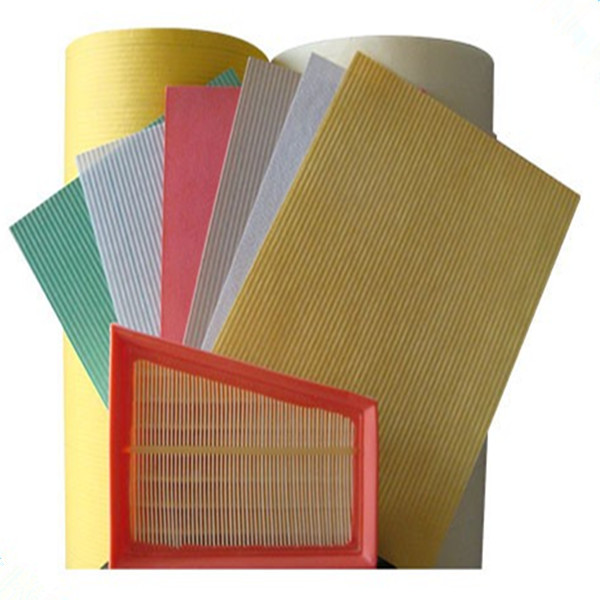
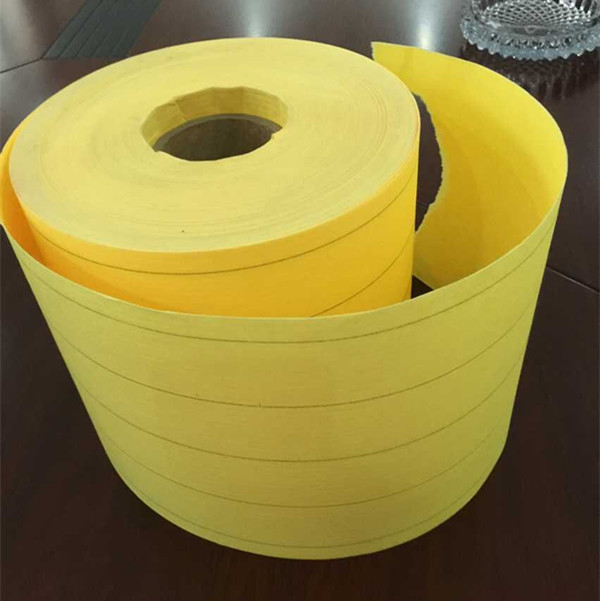
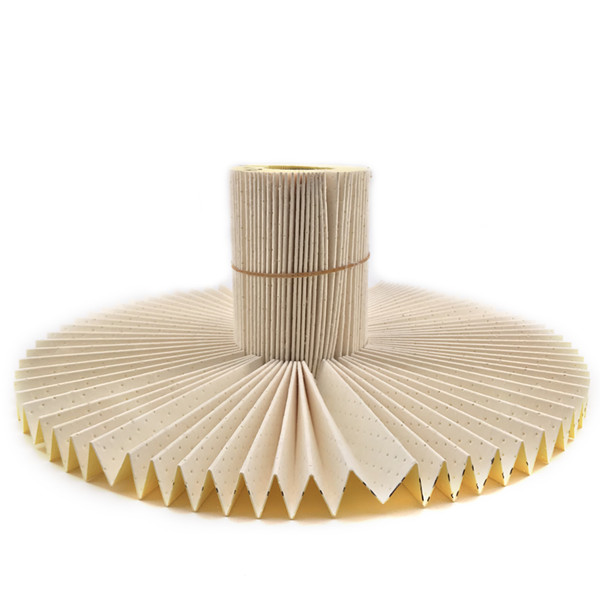
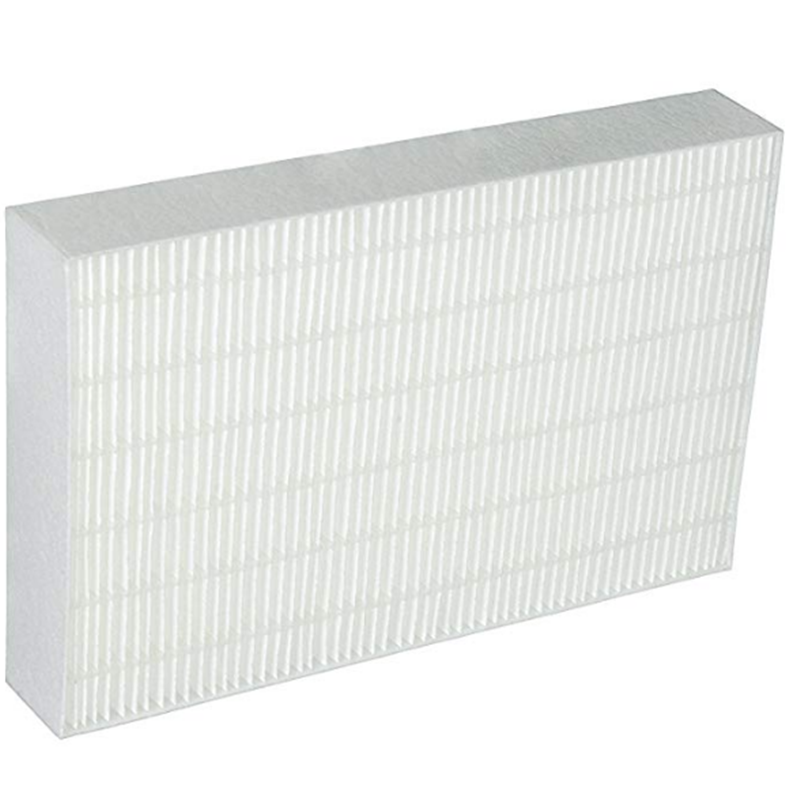
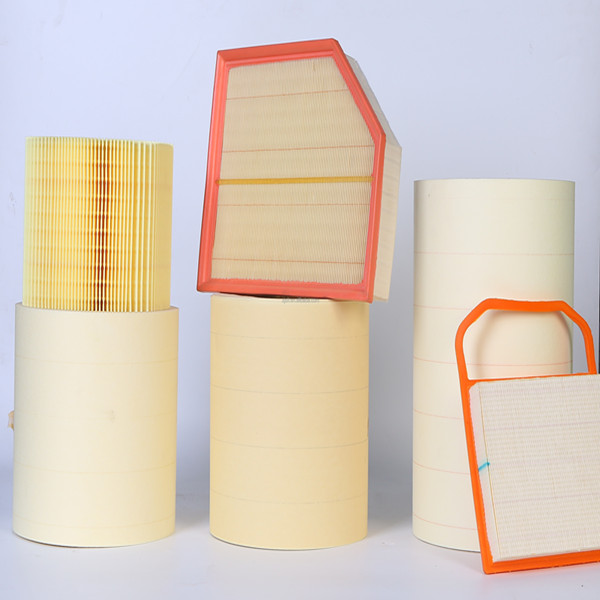
Simply put, f8 pocket filter media is a classification of air filtration material designed to capture fine particles. It fits into pocket filters—those bulky-looking envelopes inside air handling units—that efficiently trap dust, pollen, mold spores, and other airborne contaminants.
The “F8” rating follows the internationally recognized ISO 16890 classification system, which replaced older European EN 779 standards. It translates roughly to a filter capturing between 90%–95% of particles in the 1.0 – 3.0 microns range. This makes it perfect for settings requiring high indoor air quality without the cost or energy penalty of HEPA filters.
Core Components and Key Factors of f8 Pocket Filter Media
1. Filtration Efficiency
The primary attribute, of course, is its ability to trap particulate matter effectively. Unlike lower-grade filters, f8 pocket filter media balances high efficiency with air flow, making it energy-efficient and less prone to clogging.
2. Durability and Lifespan
These media are designed to last several months under typical indoor air conditions before replacement. Their resilience against humidity and airborne chemicals makes them suitable even for industrial environments.
3. Airflow Resistance
Because it’s installed in air handling units, the filter media must maintain low pressure drop. Too much resistance means HVAC systems work harder, driving energy costs higher—an important factor for green buildings and sustainability-conscious organizations.
4. Material Composition
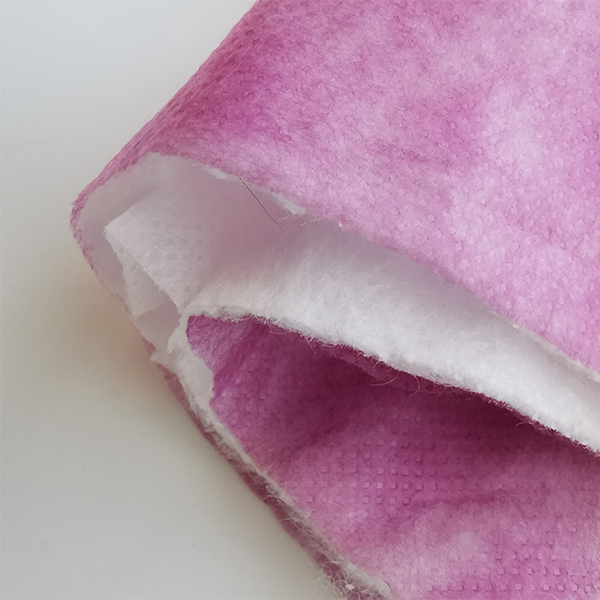
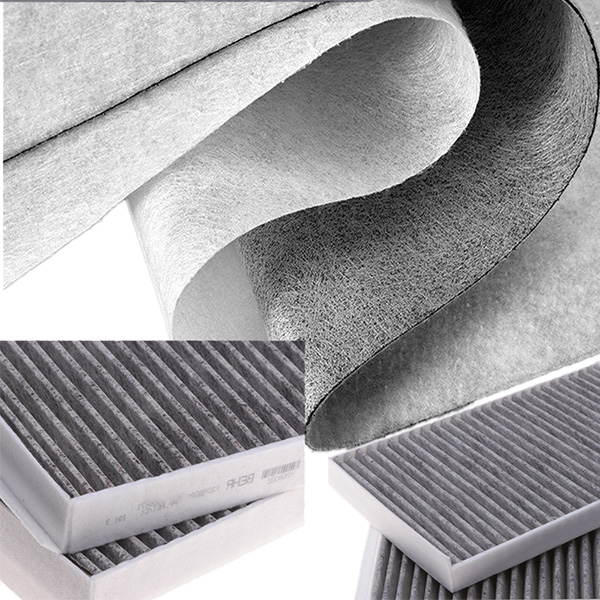
Most f8 media are made from synthetic fibers—usually polyester blends—treated for anti-microbial resistance and structural integrity. The design often includes a graduated density structure to maximize particle capture while preserving airflow.
5. Scalability and Customization
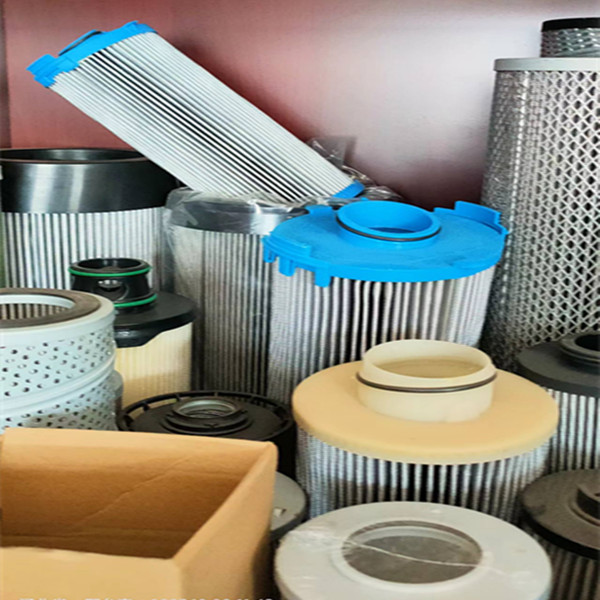
F8 pocket filter media is versatile—it can be tailored to various pocket filter sizes and depths depending on industrial or commercial applications, from office buildings to pharmaceutical labs, or even humanitarian shelters.
Global Applications & Use Cases of f8 Pocket Filter Media
- Healthcare Settings: Hospitals worldwide rely on these filters to reduce airborne pathogens, protecting vulnerable patients.
- Commercial Buildings: Skyscrapers and malls in metropolitan hubs use f8 filters to ensure occupant comfort and regulatory compliance.
- Industrial Zones: Factories process air laden with dust, chemical fumes, or fibers, requiring robust yet efficient filtration.
- Post-Disaster Relief: Relief camps in polluted or dusty environments deploy air filtration systems with f8 media to ensure breathable air for displaced populations.
Oddly enough, smaller environments such as data centers also utilize these filters to prevent particulate damage to sensitive equipment, underscoring their versatile applications.
Advantages and Long-Term Value of f8 Pocket Filter Media
From an economic perspective, these filters strike a sweet spot between cost and performance. Their moderate price point and extended service life reduce overall operational expenses. Environmentally, the filters contribute to sustainability by lowering the energy needed for heating and cooling—because they don’t overly restrict airflow.
There's also a social dimension: clean indoor air fosters healthier workspaces, reduces absenteeism, and contributes to people’s well-being. Safety and dignity—especially in healthcare or shelters—can be a direct outcome of good filtration.
Future Trends & Innovations in f8 Pocket Filter Media
Innovation in filtration media is ongoing. We’re seeing bio-based synthetics that enhance biodegradability without sacrificing performance. Plus, integration with IoT-enabled HVAC monitoring systems allows real-time filter condition tracking, enabling predictive maintenance rather than reactive replacement.
Green energy initiatives emphasize reducing HVAC energy use—meaning even more efficient low-resistance media designs are on the horizon. Automation in manufacturing ensures tighter quality control and custom media solutions at scale. This intersection of technology and sustainability keeps f8 pocket filter media relevant well into the future.
Challenges & Emerging Solutions
One persistent challenge is balancing filtration efficiency with airflow and cost. Too thick a media can choke systems, too thin sacrifices performance. Additionally, in highly polluted environments, fouling can cause filters to clog quickly, raising maintenance costs.
Experts suggest modular filter designs combined with smart sensors as solutions — allowing filters to be swapped out in segments, and operational parameters optimized in real time. Furthermore, new anti-fouling coatings promise to extend filter life significantly.
Product Specifications: Typical f8 Pocket Filter Media
| Specification | Detail |
|---|---|
| Filter Class | F8 (ISO ePM1 70-85%) |
| Media Type | Synthetic polyester blend |
| Typical Efficiency Range | 90–95% for 1.0–3.0 µm particles |
| Initial Pressure Drop | 100–150 Pa at rated airflow |
| Recommended Service Life | 3–6 months (varies by environment) |
Vendor Comparison: Leading f8 Pocket Filter Media Suppliers
| Supplier | Material Quality | Customization Options | Lead Time | Price Range |
|---|---|---|---|---|
| Anya Filter Media | High-grade synthetic fiber | Multiple sizes, antimicrobial treatment | 2–3 weeks | Mid-range |
| GlobalAir Filters | Standard synthetic | Limited customization | 1–2 weeks | Budget-friendly |
| PureFlow Solutions | Premium blend with anti-fouling coating | Size and performance custom | 3–4 weeks | Higher-end |
Frequently Asked Questions About f8 Pocket Filter Media
- Q: How often should I replace f8 pocket filter media in a typical office environment?
- A: Typically, replacement is every 3 to 6 months, depending on indoor air quality and usage intensity. High pollution or dusty settings might require sooner changes to maintain efficiency and HVAC performance.
- Q: Can f8 pocket filters handle smoke particles or wildfire haze?
- A: F8 filters capture many particles in the 1–3 micron range, which includes some smoke particulates. However, for dense smoke or wildfire haze, combining with activated carbon filters is recommended for better gaseous contaminant removal.
- Q: Are f8 pocket filter media recyclable or environmentally friendly?
- A: Most are made from synthetic fibers that currently are not widely recyclable, though innovations in biodegradable or reusable media are emerging. Still, their energy-saving properties help offset environmental impact.
- Q: Can I customize f8 pocket filter media sizes for unique HVAC systems?
- A: Yes, many vendors—including f8 pocket filter media suppliers like Anya Filter Media—offer custom sizes and treatments to meet specific system requirements.
- Q: How do f8 filters compare with HEPA filters?
- A: While HEPA filters capture a wider range of particle sizes with higher efficiency, f8 filters offer less resistance, lower energy consumption, and sufficient filtration for many commercial and industrial uses.
Wrapping It Up: The Long Game With f8 Pocket Filter Media
Looking at f8 pocket filter media from a broad perspective, it’s clear they’re a cornerstone for clean air solutions across diverse environments. Whether it’s safeguarding hospital patients or boosting worker productivity in factories, the blend of durability, efficiency, and cost-effectiveness makes these filters invaluable. For those interested, visiting https://www.anyafiltermedia.com is a great next step to explore customized options and stay ahead in the filtration game.
It feels like, with air quality challenges growing, understanding and investing in reliable filtration media is more than just a technical choice—it’s a commitment to health, sustainability, and innovation.
Post time: Dec-02-2025