Understanding the Air Filter Machince: What It Is and Why It Matters
Air filter machince — a seemingly simple phrase that carries a load of significance in today's world. If you’re wondering “What exactly is an air filter machince, and why to care?”, you’re in the right place. Frankly, it’s not just about sucking dirty air out or pushing clean air in. These machines are central to improving air quality across industries, homes, and even disaster zones. In this article, we'll explore what they are, why they matter globally, and how understanding their workings can make a real difference—both practically and environmentally.
Global Context: Why Air Filter Machince Is a Must-Have in Today’s World
Look around, pollution is a rising concern—airborne particulates, allergens, and harmful pollutants are on the increase. According to the World Health Organization, around 99% of the world’s population breathes air exceeding WHO guideline limits. Industries, urban centers, and even remote areas face challenges related to air quality. Enter the air filter machince, a critical player in battling airborne hazards.
The United Nations has also emphasized clean air as a key Sustainable Development Goal (SDG 3.9) to reduce illnesses caused by pollution. Whether in manufacturing plants or emergency relief efforts after natural disasters, these machines help ensure cleaner breathing environments, reduce equipment damage, and enhance overall health safety.
What Is an Air Filter Machince?
Simply put, an air filter machince is a device that removes contaminants from the air. It’s like a guardian that traps dust, pollen, smoke, mold spores, and even microscopic particles. Now, the name might feel a bit unfamiliar—some call it “air filtration system” or “industrial air purifier.” Whatever the label, its job remains the same: to clean, purify, and maintain air quality.
In modern industry, they’re indispensable. For example, hospitals rely on them for sterile air, factories use them to protect machinery and workers, and humanitarian efforts deploy them in disaster-hit regions to provide safe breathing zones.
Core Components and Key Features of an Air Filter Machince
1. Filtration Media
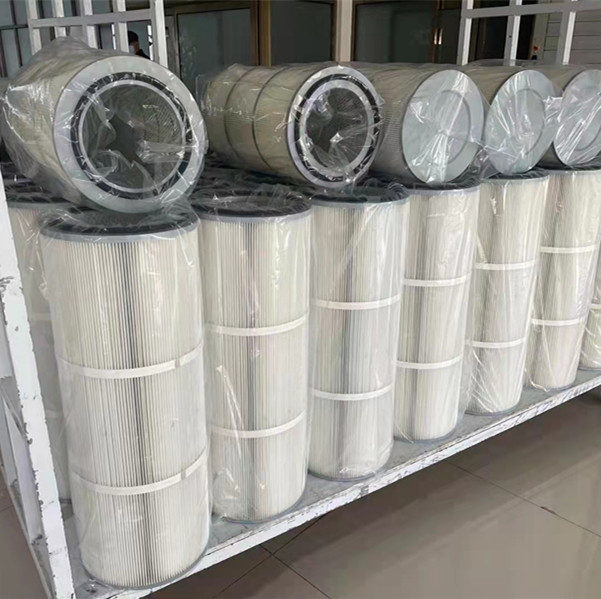
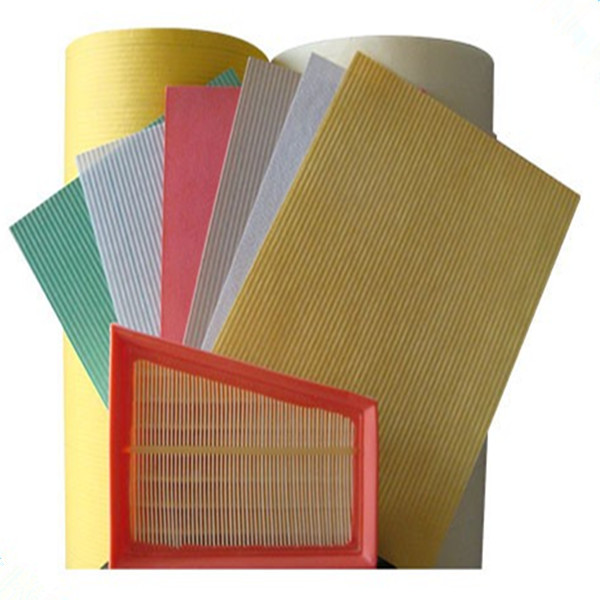
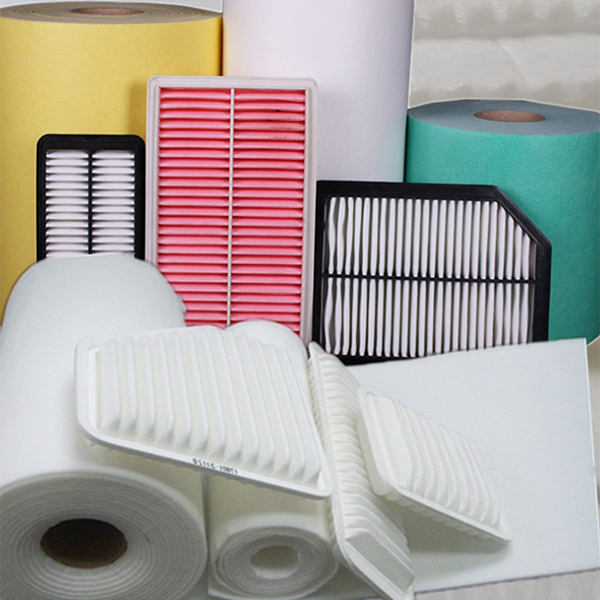
This is the heart of the machine—whether it’s HEPA filters, activated carbon, or electrostatic precipitators, each type targets different particles. For example, HEPA filters capture 99.97% of particles as small as 0.3 microns.
2. Airflow System
It might sound obvious, but the way air flows through the machine affects performance. Variable-speed fans are common to balance filtration quality and energy use.
3. Durability & Design
Because these machines often work in harsh environments, materials and build quality count. Stainless steel housings, corrosion-resistant coatings—these are not just bells and whistles but necessities.
4. Scalability
From compact units in homes to large industrial installations, scalability makes air filter machince flexible across settings. Some models allow modular stacking to increase capacity.
5. Cost Efficiency
In the real world, budget matters. Machines balancing upfront costs with filter replacement schedules and energy consumption gain preference.
6. Automation and Smart Features
Recent models often include sensors that detect air quality and adapt fan speeds automatically. This kind of digital transformation is growing rapidly.
Mini Takeaway:
- Air filter machince combines specialized filter media, smart airflow design, durability, and automation to deliver clean air across different environments.
Global Applications and Real-World Use Cases
Air filter machince finds itself deployed globally—from metropolitan hospitals in Europe ensuring sterile environments to factories in Asia reducing airborne contaminants.
In post-disaster relief operations, NGOs often bring portable air filtration units where dust and smoke pose respiratory risks.
In mining hubs of South America, large-scale air filtration machines reduce coal dust exposure, improving worker safety dramatically.
Interestingly, remote industrial zones in the Middle East use compact, energy-efficient models that cope with extreme heat and sandstorms.
Advantages and Long-Term Value of the Air Filter Machince
- Health & Safety: Significantly reduces respiratory illnesses by controlling airborne pollutants.
- Cost Savings: Protection of machinery reduces downtime and maintenance costs.
- Sustainability: Many models come with energy-efficient motors and recyclable filters, promoting greener operations.
- Innovation & Trust: Automated sensing and smart controls provide reliability and peace of mind.
- Social Impact: By providing clean air, these devices help restore dignity and comfort in disaster zones and marginalized communities.
Mini Takeaway:
Choosing the right air filter machine improves health, reduces operational costs, supports sustainability goals, and fosters trust in any setting.
Future Trends and Innovations in Air Filter Machines
The future looks exciting. For instance, materials like graphene-enhanced filters promise higher efficiency and longer lifespans.
Green energy integration—solar-powered units for off-grid locations—are becoming a reality.
Plus, automation is evolving with AI-enabled sensing that predicts filter replacement needs before performance drops, saving both money and time.
Legislation, like increasingly strict ISO air quality standards, also drives continuous product improvements.
Challenges and Forward-Looking Solutions
Yet, challenges remain. Filter clogging can reduce efficiency over time; poorly maintained machines sometimes do more harm than good. Initial costs can be prohibitive for smaller businesses or NGOs.
Experts recommend combining user education with modular designs that simplify maintenance. And newer, washable filter materials can reduce replacement frequency—cutting long-term costs substantially.
Product Specification Table: Sample Air Filter Machince Model
| Specification | Details |
|---|---|
| Filter Type | HEPA + Activated Carbon |
| Airflow Capacity | 1200 CFM (Cubic Feet per Minute) |
| Noise Level | 45 dB at max setting |
| Power Consumption | 150 W |
| Sensor Features | Air Quality + Filter Change Indicator |
| Dimensions | 24" x 18" x 12" |
Vendor Comparison: Leading Air Filter Machine Providers
| Feature | Vendor A | Vendor B | Vendor C |
|---|---|---|---|
| Filter Efficiency | 99.97% HEPA | 99.95% ULPA | 99.9% HEPA + Carbon |
| Automation | Basic sensor | AI-based monitoring | Manual controls only |
| Power Use | 150W | 130W | 180W |
| Price Range | $$ | $$$ | $ |
FAQ: Frequently Asked Questions About Air Filter Machince
- Q: How often should I replace filters in an air filter machince?
- A: It depends on usage and environment. For typical indoor settings, every 6-12 months is standard. However, industrial or high-pollution areas may require more frequent replacement. Smart-filter indicators can help track this automatically.
- Q: Can air filter machines remove viruses and bacteria?
- A: Many HEPA filters capture particles down to 0.3 microns, which includes many airborne bacteria and some virus carriers in droplets. Some advanced filters add UV or ionization to enhance germ removal, but no filter can guarantee 100% elimination.
- Q: Are all air filter machines energy efficient?
- A: Not all, but modern designs emphasize low power usage and include energy-saving modes. Look for Energy Star ratings or manufacturer specs for efficiency details.
- Q: How portable are air filter machines for disaster relief?
- A: Models vary. Some are lightweight and battery-powered, ideal for quick deployment. Others, larger units provide high volume filtration but need a power source. NGOs often choose based on terrain and logistics.
- Q: Can I customize an air filter machince for a specific industry?
- A: Definitely. Many vendors offer tailored solutions with specialized filters, sizes, and control systems adapted to different pollutants and environments.
Conclusion & Next Steps
At the end of the day, air filter machince technology plays a vital role—far beyond just machines humming in factories or homes. They improve health, protect critical equipment, and enable comfort and dignity in places where clean air is scarce. If you’re considering improving air quality or exploring industrial air filtration solutions, it’s worth digging deeper into specs, vendors, and real-world reviews.
For more detailed information on the best models and industry insights, visit our site for expert guides and air filter machince solutions. Breath easier, work smarter.
Oddly enough, I find myself noticing how much better a space feels when the air is truly clean — it’s subtle but profound.
References
Post time: Dec-02-2025