Chemical Filter Paper: A Quiet Backbone of Modern Industry and Environmental Safety
So, chemical filter paper — it’s one of those things that doesn’t get much spotlight, yet it quietly makes a huge difference globally. Whether in laboratories, water treatment plants, or remote humanitarian operations, this humble material helps us separate, purify, and understand complex chemical mixtures safely and effectively. Honestly, understanding chemical filter papers isn’t just a niche interest; it’s key to advances in public health, industrial innovation, and ecological sustainability worldwide.
Why Chemical Filter Paper Matters Globally
On a macro-level, clean water and reliable lab testing are pillars of health and industry, right? According to the UN Water statistics, billions still lack access to safe drinking water, and proper filtration technology often forms the first line of defense. Chemical filter paper specifically plays a role in removing hazardous substances by supporting processes like chemical analysis and contaminant separation. Plus, in sectors from pharmaceuticals to environmental monitoring, accuracy and reliability in filtration can spell the difference between success and disaster.
Yet, despite this importance, many labs and industries face challenges related to quality inconsistencies, cost barriers, or sourcing specialty filter paper when and where they need it.
Defining Chemical Filter Paper
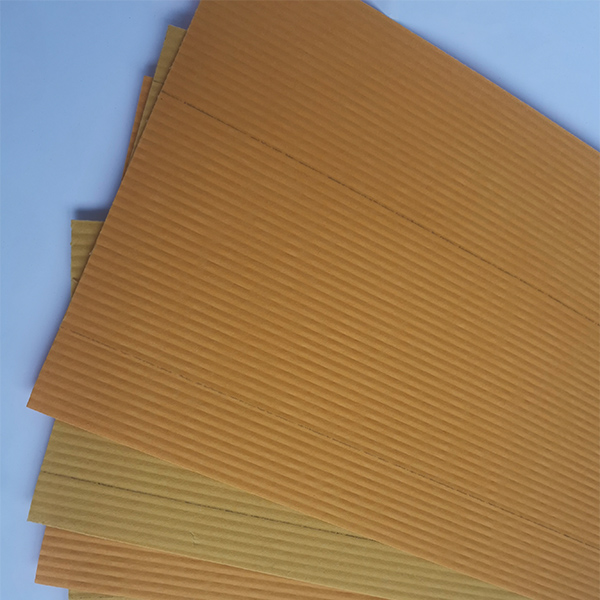
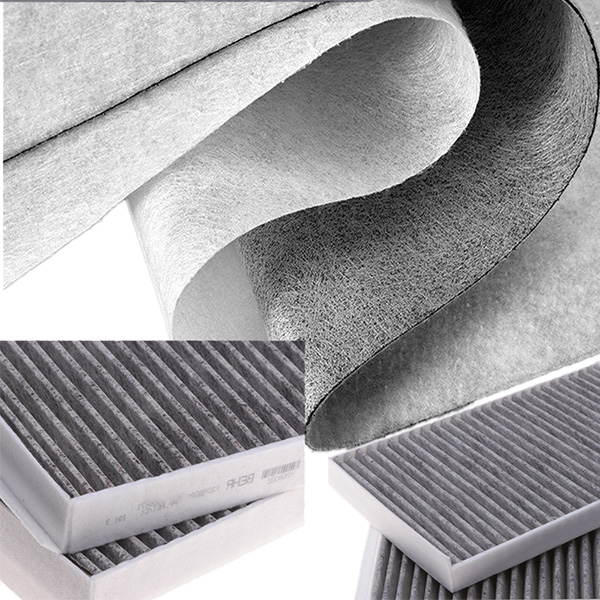
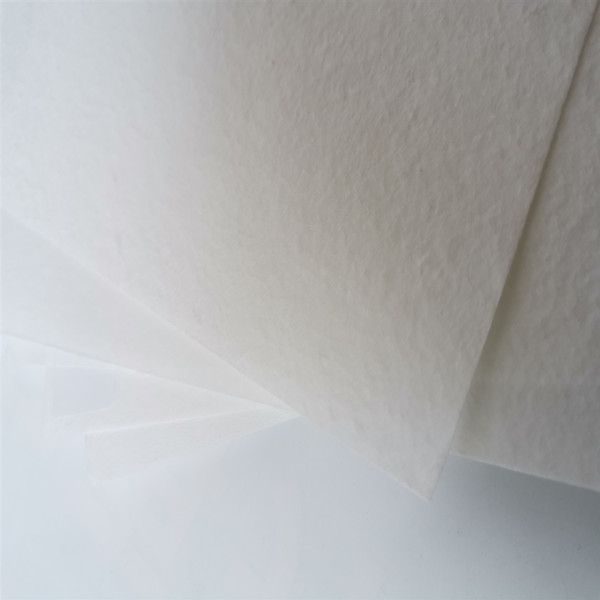
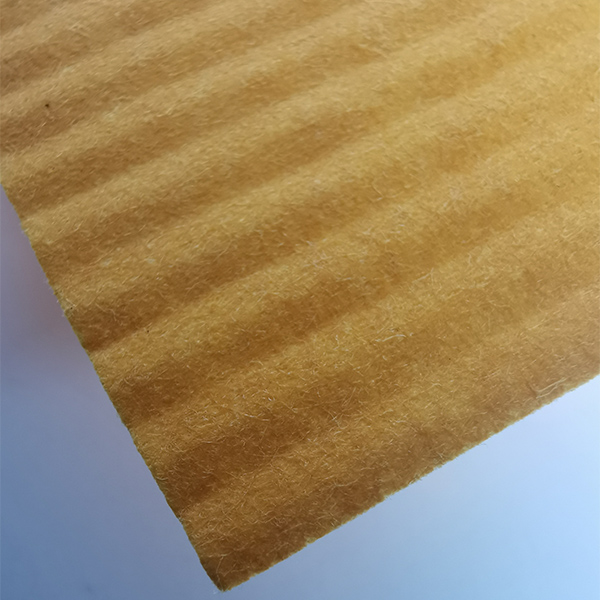
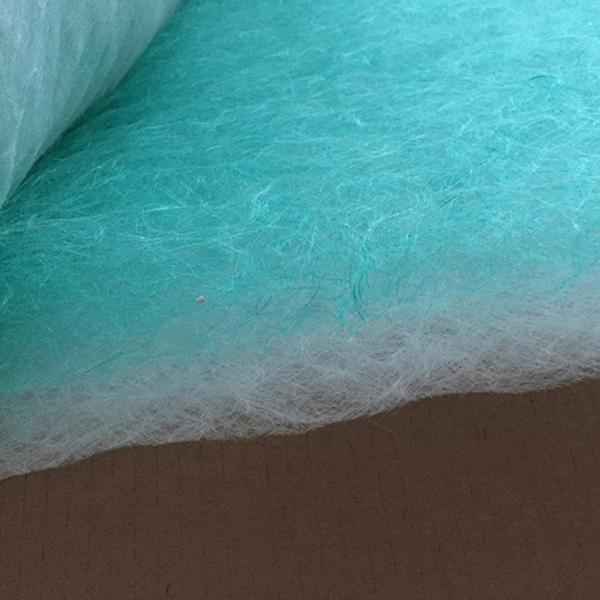
In the simplest terms, chemical filter paper is a specialized type of paper designed to separate solids from liquids or gases in a chemical context. Unlike your typical coffee filter, these papers exhibit highly uniform pore sizes and chemical resistance to acids, bases, or solvents, ensuring precise filtration with minimal contamination.
You’ll find these papers in scientific research labs, quality control inspections, medical diagnostics, and even in emergency response kits for water purification. Their unique properties enable industries to safely analyze chemical substances or extract pure compounds — something pretty fundamental to modern scientific work and humanitarian aid alike.
Key Factors Defining Chemical Filter Paper
1. Pore Size & Uniformity
The “pores” in filter paper determine what size particles get trapped. High-quality papers have consistent and well-defined pore diameters, which allow filtration tailored for particulates ranging from visible sediment down to microscopic molecules.
2. Chemical Resistance
This is crucial — filter paper needs to survive exposure to corrosive substances without degrading or introducing contaminants. Many chemical filter papers are treated or made with cellulose fibers to resist acids, alkalis, or solvents.
3. Flow Rate
Flow rate means how quickly fluids pass through the filter paper. The right balance here ensures efficient processing times without sacrificing filtration quality.
4. Strength & Durability
Filtration often involves wet or heavy-duty environments, so tensile strength and tear resistance are big practical considerations.
5. Absorption Capacity
This defines how much liquid the paper holds before becoming saturated, impacting how much sample it can handle before needing replacement.
A Quick Look at Chemical Filter Paper Specifications
| Specification | Typical Range/Value | Importance |
|---|---|---|
| Pore Size | 2–25 µm | Controls particle separation |
| Chemical Resistance | Resistant to acids, alkalis, solvents | Ensures integrity during filtration |
| Flow Rate | Rapid/Moderate | Balances speed and efficiency |
| Tensile Strength | High wet strength | Prevents tearing during use |
| Absorption Capacity | Varies by grade | Impacts filtration volume |
Global Applications: Where and Who Uses Chemical Filter Paper?
Interestingly, the use of chemical filter paper spans regions and industries in somewhat surprising ways.
- Water Treatment Facilities: In South Asia and Sub-Saharan Africa, water purification projects deploy chemical filter paper to remove contaminants before distribution to communities.
- Pharmaceutical Labs: European and North American pharmaceutical companies rely on stringent filtration during quality control to ensure drug safety.
- Disaster Relief: In post-tsunami or flood-stricken regions, NGOs use portable filtration kits featuring reliable chemical filter papers to provide rapid clean water access.
- Environmental Monitoring: China’s industrial hubs utilize filter paper in testing air and water pollutants to comply with ISO environmental standards.
For those curious about suppliers, here’s a quick comparison of three vendors offering chemical filter paper:
| Vendor | Grades Offered | Price Range (per unit) | Certification | Global Reach |
|---|---|---|---|---|
| FilterCo | 0-4 µm, 4-12 µm | $5 - $12 | ISO 9001 | Asia, Europe, Americas |
| PureLab Supplies | 2-10 µm, specialty chemical grades | $8 - $15 | ISO 13485, FDA Compliant | North America, Europe |
| EnviroMaterials | Custom pore sizes, eco-grade | $10 - $18 | ISO 14001, REACH | Global |
Advantages and Long-Term Value of Chemical Filter Paper
Beyond the technical details, there’s something really satisfying about how chemical filter papers combine simplicity with high impact. Practically, they:
- Reduce Operational Costs: By reliably filtering contaminants, they lower need for expensive cleaning or replacement.
- Promote Sustainability: Many papers now come from renewable cellulose fibers sourced responsibly.
- Improve Safety & Trust: In medical or environmental testing, the confidence in sample purity is paramount.
- Empower Innovation: Precise filtration facilitates breakthroughs from new medicines to cleaner industrial processes.
Emotionally speaking, it’s reassuring that such a tiny sheet of paper can support dignity and health, especially in vulnerable communities needing clean water validation.
Future Trends and Innovations in Chemical Filter Paper
Looking ahead, we’re seeing some exciting stuff. Companies are experimenting with:
- Biodegradable and Eco-Friendly Materials: Harnessing plant fibers beyond cellulose for greener footprints.
- Smart Filter Papers: Incorporating embedded sensors to detect chemical saturation or contamination in real-time.
- Improved Manufacturing Techniques: Nano-filtration layers enhancing selectivity and strength.
- Automation and AI in Quality Control: Faster batch testing to ensure consistency at scale.
These advances point toward a future where chemical filter paper not only filters but actively informs users, all while staying ultra-sustainable.
Challenges and Solutions
Of course, nothing’s perfect. Some challenges include:
- Inconsistent Quality: Variations between batches can affect filtration accuracy.
- Environmental Impact of Disposal: Especially when dealing with hazardous filtered substances.
- Cost Barriers in Low-Income Regions: Affecting access in places where clean water is most needed.
Experts suggest tighter international standards, increasing local manufacturing to cut costs, and advancing recyclable or compostable versions as part of the solution. It’s a work in progress — with promising collaboration between NGOs, manufacturers, and regulators.
FAQ: Frequently Asked Questions About Chemical Filter Paper
- Q: What makes chemical filter paper different from regular filter papers?
A: Chemical filter paper is specifically designed to resist harsh chemicals, acids, or solvents, whereas regular filter paper may degrade or contaminate the sample when exposed to such substances. - Q: Can chemical filter paper be reused after filtration?
A: Generally no. Due to contamination risk and potential loss of structural integrity, chemical filter paper is meant for single use to maintain accuracy and safety. - Q: Where can I buy high-quality chemical filter paper?
A: There are specialized suppliers worldwide, including anyafiltermedia.com. Look for ISO-certified vendors with transparent specs to ensure you get consistent quality. - Q: Are eco-friendly options for chemical filter paper available?
A: Increasingly yes. New biodegradable and plant-based fibers are being used to minimize environmental impact while maintaining performance.
Conclusion: The Long-Term Power of Chemical Filter Paper
To wrap up, the often-overlooked chemical filter paper plays an outsized role in industrial efficiency, environmental protection, and human health. By ensuring precise, reliable filtration, it supports everything from clean drinking water projects to cutting-edge research. And with ongoing innovations in materials and technology, the future looks bright and sustainable for this simple yet essential product.
If you want to explore reliable sources or purchase quality chemical filter paper, feel free to visit our website: anyafiltermedia.com. Their range is known for quality, certification, and global reach.
It feels like, sometimes, the smallest things quietly keep the world turning smoothly — chemical filter paper is definitely one of those things.
References
Post time: Dec-03-2025