Understanding Industrial Filter Paper: A Vital Component in Global Industry
Industrial filter paper might not be something you think about over your morning coffee, but it quietly shapes the quality and safety of countless processes worldwide. Simply put, it's a specialized medium designed to separate solids from liquids or gases on an industrial scale. Globally, this product plays an indispensable role in everything from clean water initiatives to pharmaceutical manufacturing and air pollution control. Grasping how industrial filter paper works and why it matters can open up insights into sustainability, efficiency, and even humanitarian aid.
Introduction: The Global Context of Industrial Filter Paper
If we zoom out for a moment, the need for industrial filter paper is tied to some hefty global challenges — think water scarcity, environmental pollution, and food safety standards. According to the UN Water for Life Decade, untreated wastewater causes millions of deaths each year. That’s where filter paper comes in, helping industries and municipalities reliably purify liquids and gases. In fact, reports by the International Organization for Standardization emphasize the role of filtration technologies as a key environmental management tool.
Yet the challenge remains: industrial operations require filter papers that can perform consistently under harsh conditions, keep costs down, and often reduce environmental impact. It’s a tall order, but modern filter papers are constantly evolving to meet these needs.
What Exactly Is Industrial Filter Paper?
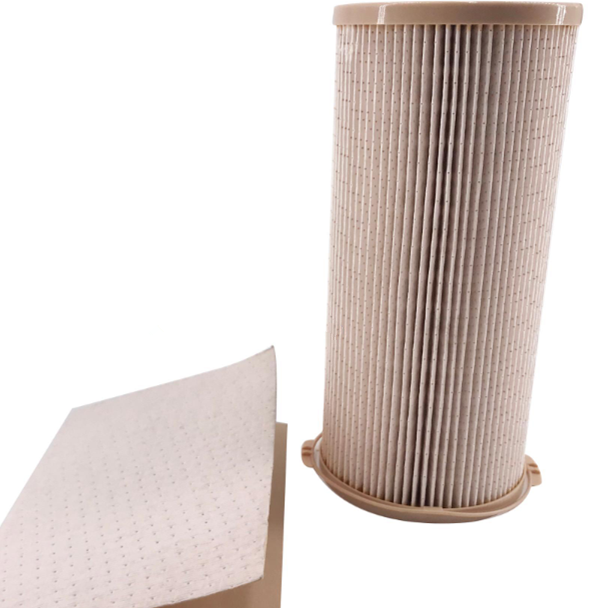
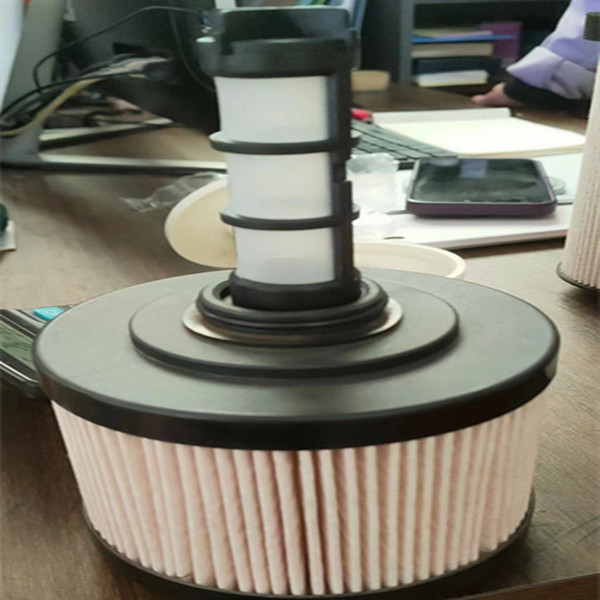
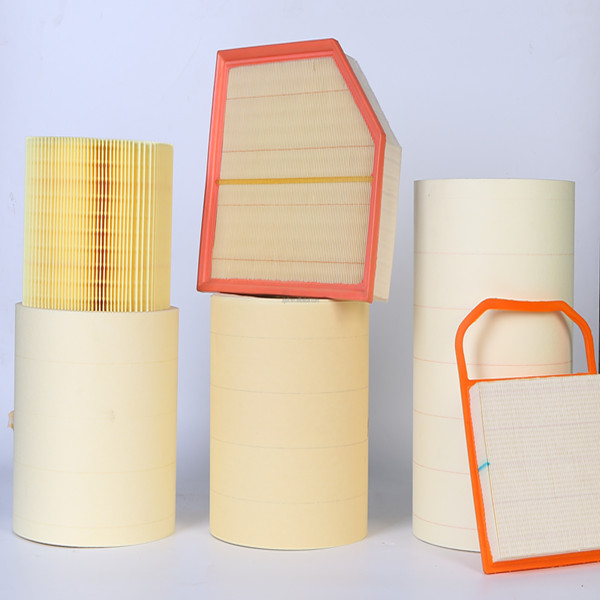
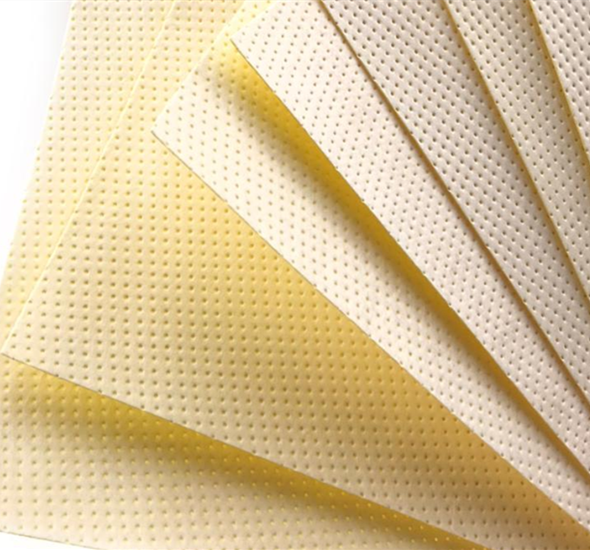
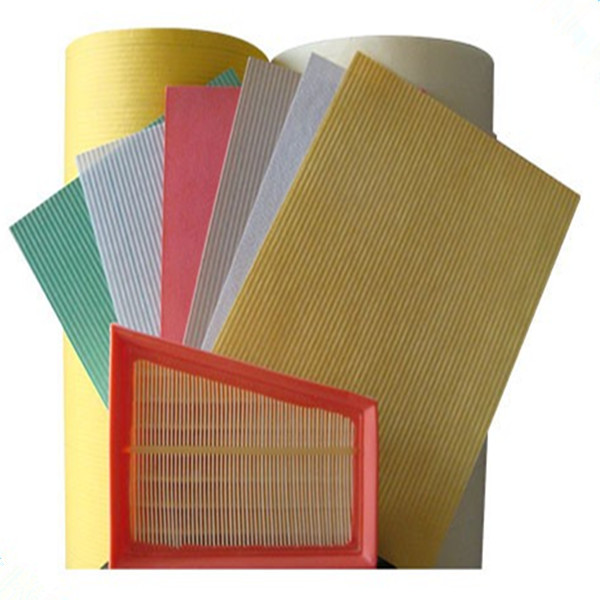
On a basic level, industrial filter paper is a porous sheet typically made from cellulose fibers or synthetic materials designed to trap particles while allowing fluids or gases to pass through. You can think of it as a super-precise sieve made for factories, labs, and treatment plants rather than kitchen use. It connects deeply to modern industry because it's a cornerstone in processes that require clean fluids—everything from brewing coffee on a café scale, to filtering contaminants from pharmaceutical ingredients to purifying drinking water for entire urban populations. It also supports humanitarian efforts where clean water access is desperately needed.
Core Components and Key Factors in Industrial Filter Paper
1. Porosity & Particle Retention
The heart of any filter paper is how fine its pores are. This determines the size of particles it can trap, which is critical depending on the application, whether it’s filtering microscopic bacteria or larger sediment particles.
2. Durability & Chemical Resistance
Industrial processes don’t always operate under gentle conditions — chemicals, heat, and pressure can wear down inferior filters quickly. So, filter papers must be designed with robust cellulose blends or synthetic fibers tailored for longevity.
3. Flow Rate & Scalability
In real terms, the filter paper needs to let fluid pass swiftly enough not to bottleneck production lines. That balance between particle retention and flow rate is a fine one, often customized for scale—from bench-top analytical tools to massive water treatment plants.
4. Cost Efficiency
While top-of-the-line filter paper can sound pricey, its lifecycle cost—factoring replacement frequency and downtime—often brings surprising savings. Bulk industrial users might opt for slightly lower specs but compensated with volume discounts or faster replacements.
5. Sustainability
Increasingly, manufacturers want filter media that are recyclable or biodegrade safely, aligning with worldwide efforts to lower environmental footprints.
Product Specifications at a Glance
| Specification | Typical Range | Notes |
|---|---|---|
| Pore Size | 0.5 to 50 microns | Customizable by application |
| Material | Cellulose, Synthetic Fibers | Depends on chemicals & temp |
| Thickness | 0.1 to 1.5 mm | Affects flow rate and strength |
| Max Operating Temp | Up to 120°C | Higher temps require synthetics |
| pH Range | 3–10 (cellulose) | Synthetic variants cover wider pH |
Global Applications and Use Cases of Industrial Filter Paper
The real beauty of industrial filter paper is how versatile and ubiquitous its applications are. In Asia, where rapid urbanization demands vast sewage treatment systems, advanced filter paper helps ensure wastewater meets strict discharge standards. Southern Europe relies heavily on it within the food and beverage sectors—for example, filtering olive oil and wine to maintain purity. The pharmaceutical industry globally depends on filter paper to protect product sterility and safety.
Oddly enough, industries as diverse as paper manufacturing themselves use filter paper in quality control labs, showing a recursive twist in its use. Even humanitarian agencies lean on filter technologies to quickly deploy water purification in post-disaster zones, where safe drinking water is literally life-saving.
Want to explore sectors more? Check out our detailed resources on industrial filter paper.
Vendor Comparison: Popular Industrial Filter Paper Brands
| Feature | FilterCo | PurePore | EcoFiber |
|---|---|---|---|
| Material | Cellulose Synthetic Blend | 100% Synthetic | Recycled Cellulose |
| Max Temp | 110°C | 130°C | 95°C |
| Eco-friendliness | Medium | Low (synthetic waste) | High (biodegradable) |
| Price Level | $$ | $$$ | $ |
| Typical Use Case | General industrial filtration | High-temp chemical filtering | Sustainability-driven clients |
Advantages & Long-Term Value of Industrial Filter Paper
Using the right industrial filter paper doesn’t just clean a fluid — it enhances safety, reduces operational costs, and supports sustainability goals. The emotional weight of providing safe, clean water or uncontaminated medicine ties deeply into social trust and dignity. After all, no one wants to wonder about the purity of what they consume or the air they breathe.
From a logical standpoint, the technology minimizes downtime, extends equipment life, and allows compliance with increasingly tough environmental regulations. Who wouldn’t want a solution that’s cost-effective now and responsible in the long run?
Emerging Trends & Innovations
The future of industrial filter paper is pretty exciting. Biotechnology improvements bring specialized filters with antimicrobial properties, reducing contamination. Material science innovations lean towards eco-friendly options—biodegradable fibers or filters made from agricultural waste. There's also movement to integrate IoT sensors in filtration systems for real-time monitoring, part of broader digital transformation.
Frankly, these advances not only promise better performance but align perfectly with global sustainability targets like those from the UN Sustainable Development Goals. Automation and AI might soon help predict filter wear-out, making maintenance more precise and resource-efficient.
Challenges & How Experts Tackle Them
Despite their importance, filter papers face challenges like clogging, limited chemical resistance, and disposal concerns. Fortunately, manufacturers are responding; hybrid materials combine cellulose and synthetic fibers for improved durability. Some use ultra-sonic cleaning tech to extend lifetime. Waste management innovations ensure spent filters don't just add to landfill issues.
FAQ: Your Questions About Industrial Filter Paper Answered
- Q: How do I choose the right pore size for my industrial filter paper?
A: Select pore size based on the contaminant particle size you need to remove. Smaller pores trap finer particles but may reduce flow rate — balance is key. Consulting with vendors and running pilot tests help identify ideal specs. - Q: Can industrial filter paper be reused or cleaned?
A: Usually filter paper is disposable, especially in critical applications to avoid cross-contamination. However, some synthetic or hybrid filters can be cleaned ultrasonically or chemically, though this depends on specific use cases. - Q: What are the environmental impacts of disposing industrial filter paper?
A: Traditional cellulose filter papers biodegrade but may contain trapped contaminants, requiring proper hazardous waste handling. Synthetic types may persist longer, so selecting eco-friendly options can mitigate impact. - Q: How do temperature and chemical exposure affect filter paper choice?
A: High temps and aggressive chemicals degrade cellulose fibers quickly. For such environments, synthetic or composite filter papers designed to withstand these conditions are recommended.
Conclusion: Why Industrial Filter Paper Matters Today and Tomorrow
Whether you’re in water treatment, pharmaceutical manufacturing, or running a large-scale food processing plant, industrial filter paper is more than just a consumable—it’s a pivot point for product quality, environmental stewardship, and operational efficiency. As global industries face mounting pressure to improve sustainability and performance, understanding and investing in the right filtration media is not just smart, it's essential.
For more tailored solutions and expert guidance on industrial filter paper, be sure to visit https://www.anyafiltermedia.com and discover how advanced filtration meets your needs.
Mini takeaway: Industrial filter paper quietly powers global industry’s efforts to be safer, cleaner, and greener—often underappreciated, always crucial.
References
Post time: Dec-03-2025