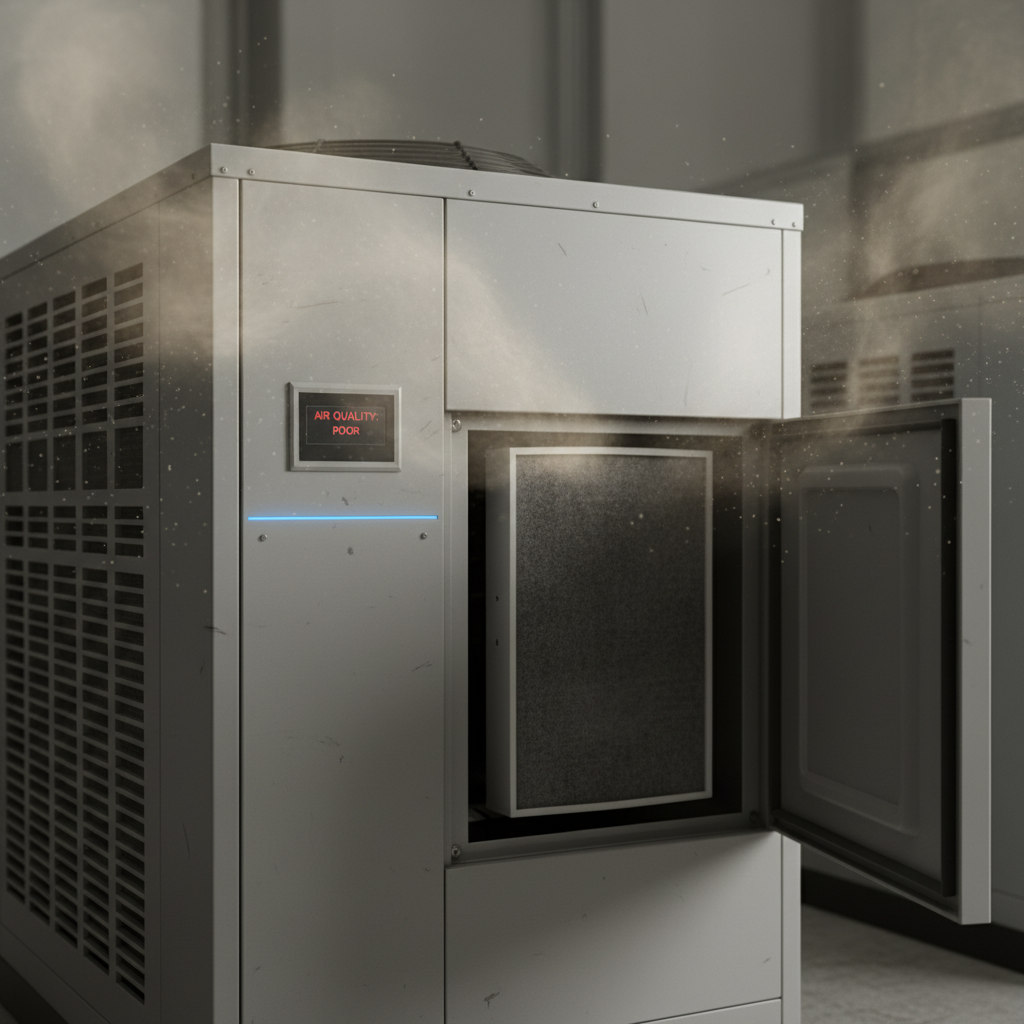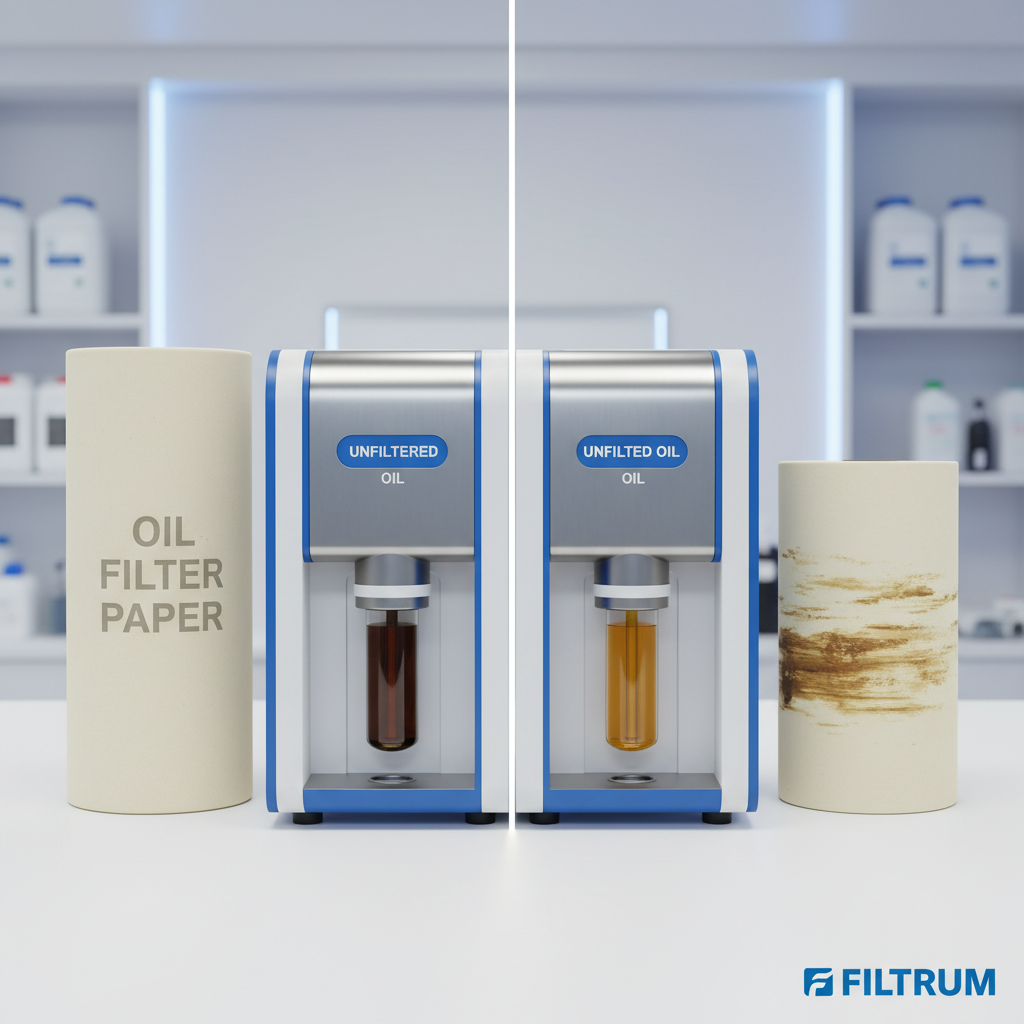
ac filter paper plays a crucial role in a wide array of industries, from pharmaceutical manufacturing to food and beverage processing. Its primary function – the removal of particulate matter from liquids or gases – is fundamental to ensuring product quality, maintaining equipment integrity, and protecting public health. Understanding the intricacies of ac filter paper, its manufacturing processes, and its diverse applications is therefore paramount for professionals across multiple sectors.
The global demand for effective filtration solutions is steadily increasing, driven by stricter regulatory standards, growing concerns about environmental pollution, and the expanding need for high-purity products. ac filter paper, with its versatility and cost-effectiveness, has become a cornerstone of many filtration systems. Its importance spans both developed and developing nations, making it a globally relevant technology.
The benefits of utilizing advanced ac filter paper are multifaceted. Beyond simple filtration, these materials can be engineered to provide specific flow rates, capture particles of varying sizes, and even impart certain chemical properties to the filtered medium. This adaptability makes it an indispensable component in numerous industrial processes and critical applications.
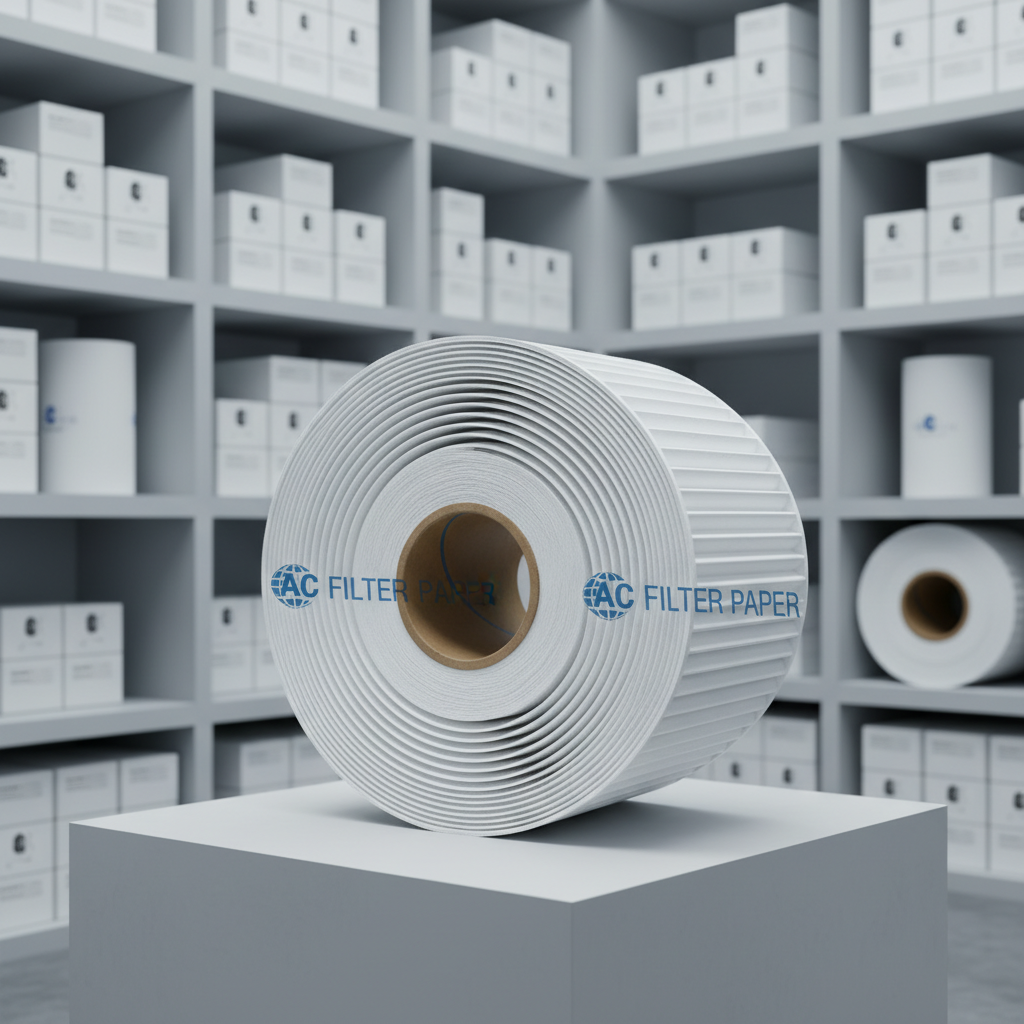
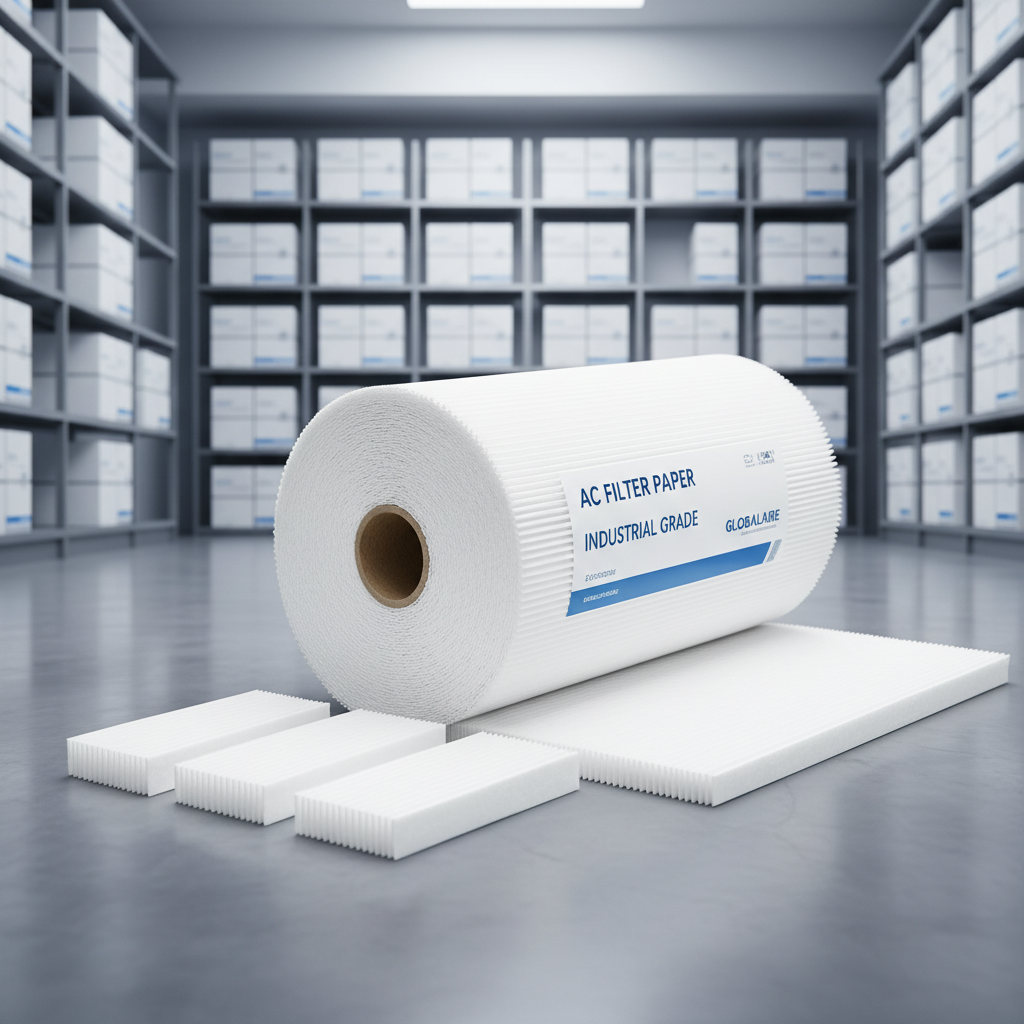
ac filter paper represents a critical component in countless industrial and scientific processes. Its fundamental purpose is to separate solids from liquids or gases, ensuring the purity and quality of the resulting product. This separation relies on a carefully engineered material structure designed to trap particles while allowing the desired fluid to pass through.
The effectiveness of ac filter paper is determined by several factors, including pore size, material composition, and flow rate. The correct selection and implementation of ac filter paper can significantly impact operational efficiency, reduce waste, and safeguard both equipment and personnel.
The lifespan of ac filter paper in a water filtration system varies considerably depending on the water quality and sediment load. Typically, a standard filter can last between 1 to 6 months, filtering anywhere from 100 to 5000 liters of water. Regular inspection and replacement are crucial to maintain optimal filtration performance and prevent breakthrough of contaminants. Considering the water source and the frequency of use is key in determining replacement intervals.
Pore size is a critical determinant of ac filter paper efficiency. Smaller pore sizes capture smaller particles, resulting in higher filtration efficiency. However, smaller pore sizes also reduce flow rate, potentially increasing filtration time. The ideal pore size depends on the application; for removing bacteria, a pore size of 0.22 microns is standard, while larger particles require less stringent pore sizes. Selecting the correct pore size ensures optimal balance between particle removal and flow rate.
ac filter paper, traditionally made from cellulose, is often biodegradable, making it a more environmentally friendly option compared to synthetic filter media. However, the manufacturing process and any chemical treatments applied can impact its overall environmental footprint. Increasingly, manufacturers are utilizing sustainable sourcing practices and exploring alternative materials like agricultural waste to further reduce the environmental impact of ac filter paper.
Choosing the right ac filter paper requires careful consideration of several factors, including the type of fluid being filtered, the size and concentration of the particles to be removed, the desired flow rate, and the operating temperature. Consulting with a filtration specialist and reviewing product specifications are recommended to ensure compatibility and optimal performance. Identifying the specific contaminants and the required purity level will guide the selection process.
Wet strength refers to the ability of ac filter paper to maintain its structural integrity when exposed to liquids. High wet strength is crucial in applications where the filter paper is continuously saturated, preventing tearing or disintegration. Without sufficient wet strength, the filter can fail prematurely, allowing contaminants to pass through and compromising the filtration process. Wet strength is enhanced through specific fiber treatments and additives during manufacturing.
While some ac filter paper is suitable for hot liquids, it’s important to select a grade specifically designed for elevated temperatures. Standard ac filter paper may degrade or lose its structural integrity when exposed to high heat. Look for filter paper with enhanced thermal stability and resistance to hydrolysis. Always check the manufacturer’s specifications for maximum operating temperature limits to ensure safe and effective filtration.
In summary, ac filter paper remains a vital component in a vast array of industries, providing a cost-effective and versatile solution for separating solids from liquids or gases. Its importance is underscored by its role in ensuring product quality, protecting public health, and supporting sustainable practices. Understanding the key characteristics, influencing factors, and emerging trends in ac filter paper technology is crucial for professionals seeking to optimize filtration processes and achieve desired outcomes.
Looking ahead, the future of ac filter paper will be shaped by ongoing innovation in materials science and a growing emphasis on sustainability. Developing filters from renewable resources, enhancing performance through nanotechnology, and integrating smart monitoring capabilities will drive the next generation of ac filter paper solutions. To learn more about our high-quality ac filter paper products and how we can help you optimize your filtration processes, visit our website: www.anyafiltermedia.com