0%

Table of Contents

Air filter paper material is a critical component in a vast array of applications, from ensuring clean air in our homes and vehicles to safeguarding sensitive equipment in industrial settings. Its importance stems from the increasing global awareness of air quality and its direct impact on human health and operational efficiency. Understanding the nuances of different air filter paper materials, their properties, and their specific applications is paramount in tackling rising pollution levels and meeting evolving industry demands.

The global demand for effective air filtration is experiencing substantial growth, driven by factors like rapid industrialization, increasing vehicular traffic, and heightened public health concerns. According to the World Health Organization, around 99% of the global population breathes air that exceeds WHO air quality limits. This escalating issue underscores the necessity for advanced air filter paper material solutions. The market, estimated at billions of dollars, is continuously innovating to provide more efficient and sustainable filtration technologies.

Ultimately, the efficacy of air filtration relies heavily on the quality of the air filter paper material employed. Improvements in this area translate directly to cleaner air, reduced energy consumption, extended equipment lifespan, and a healthier environment for all. Choosing the right material for a specific application—be it HVAC systems, automotive filters, or industrial processes—is an investment in both performance and well-being.
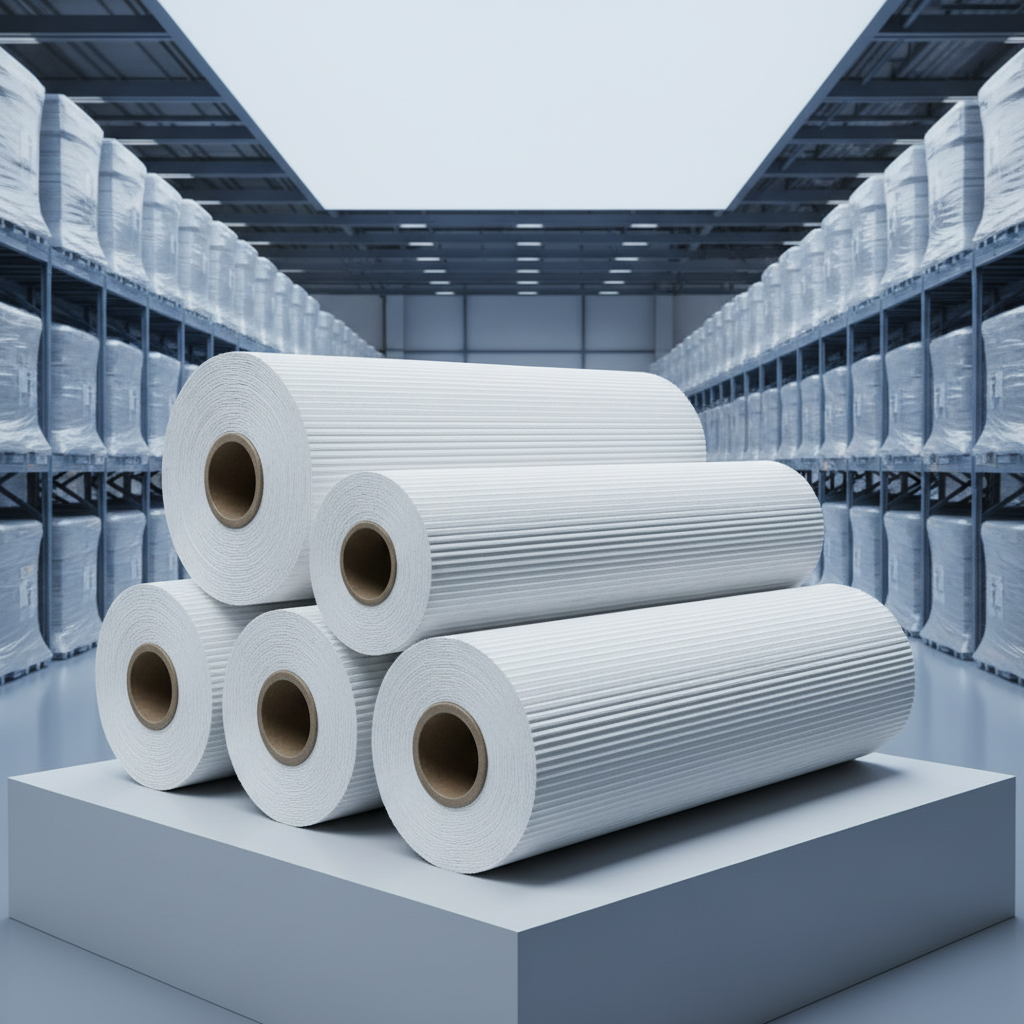
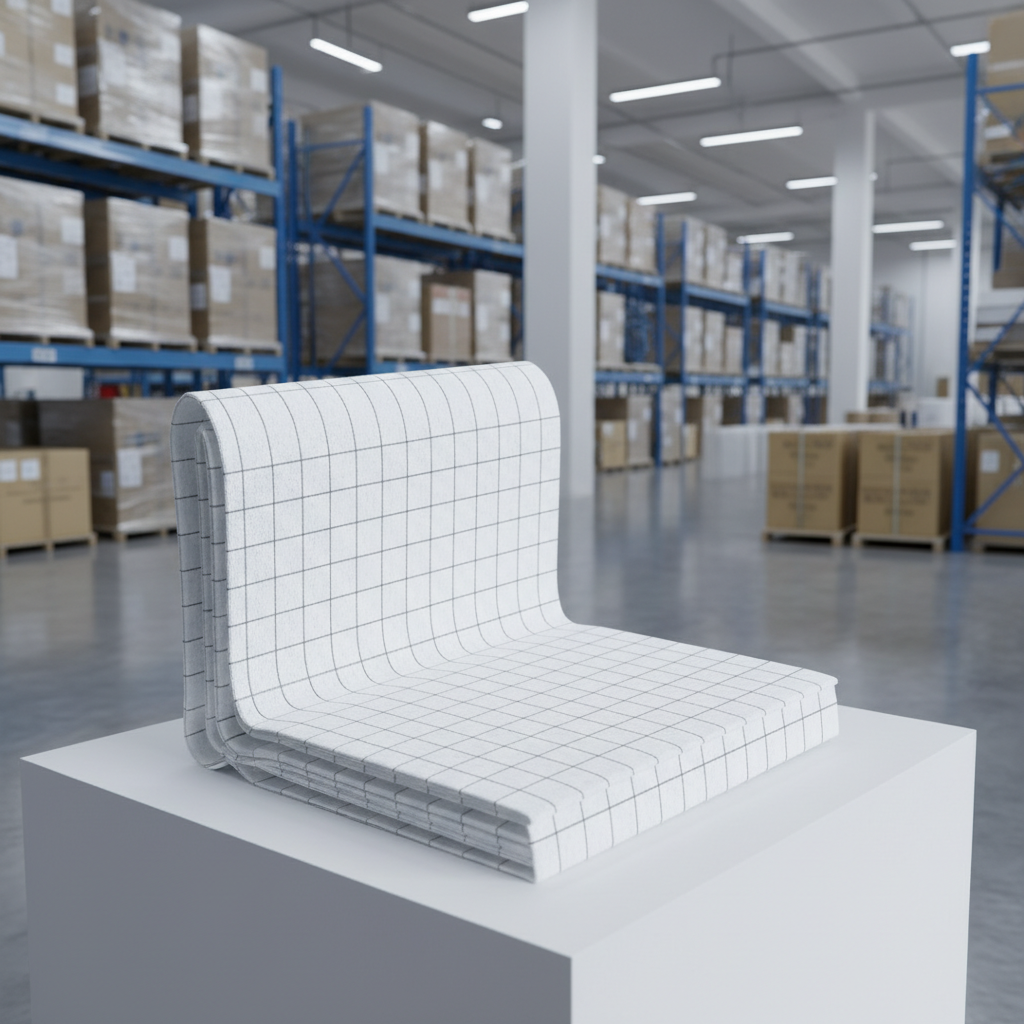
Advancements in Air Filter Paper Material for Enhanced Air Quality and Performance

The Fundamentals of air filter paper material

Advancements in Air Filter Paper Material for Enhanced Air Quality and Performance

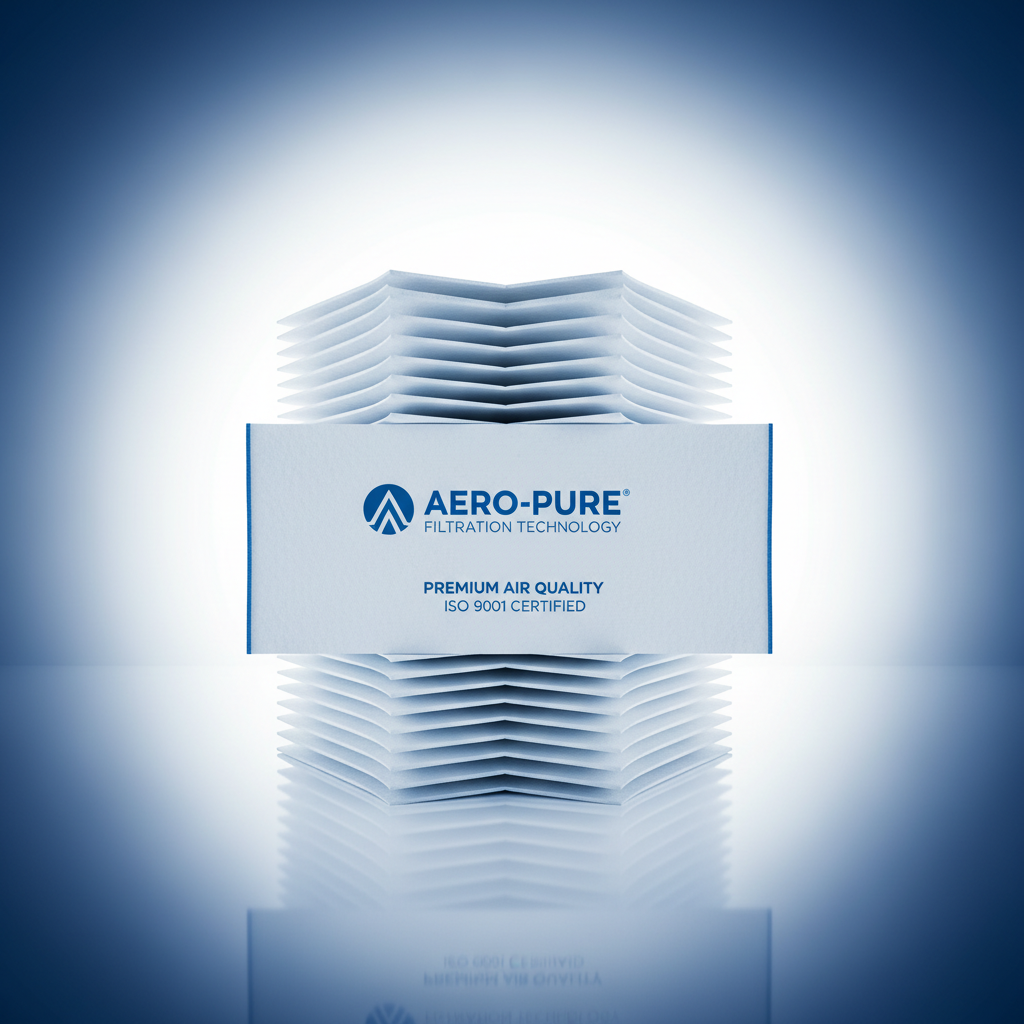
At its core, air filter paper material is engineered to capture particulate matter from an airstream. The material's efficiency depends on factors like fiber composition, pore size, and the overall structure of the paper. Different materials excel in specific filtration challenges, making material selection critical. air filter paper material plays a significant role in this selection process.

The development of air filter paper material has progressed significantly from simple woven fabrics to complex multi-layered structures incorporating synthetic fibers and electrostatic charges. These advancements have dramatically improved filtration efficiency and reduced pressure drop, enhancing system performance.

Defining Air Filter Paper Material

Air filter paper material broadly refers to the fibrous media used to remove contaminants from air. These contaminants can range from dust and pollen to bacteria and industrial pollutants. The “paper” designation isn’t strictly limited to traditional paper; it encompasses a wide variety of non-woven and woven materials constructed from both natural and synthetic fibers.

The connection to modern industry is undeniable. From automotive engines and HVAC systems to pharmaceutical manufacturing and data centers, nearly every sector relies on effective air filtration. The increasing demand for clean environments and the rigorous standards set by regulatory bodies (like ISO standards for cleanrooms) necessitate the use of high-quality air filter paper material.

Furthermore, humanitarian needs often depend on access to clean air, particularly in disaster relief or areas with high levels of air pollution. Portable air filtration systems utilizing advanced air filter paper materials provide vital protection in these challenging situations.

Core Properties of air filter paper material

Several key properties dictate the performance of air filter paper material. Efficiency is paramount, measuring the material’s ability to capture particles of specific sizes. Permeability, or airflow rate, determines how easily air passes through the filter, impacting energy consumption.

Durability refers to the material's ability to withstand airflow and environmental conditions without degradation. Moisture resistance is critical in humid environments to prevent the growth of mold and bacteria. Chemical compatibility is also vital in industrial applications where filters may be exposed to corrosive substances.

Finally, fiber composition strongly influences all of the above properties. Materials like polypropylene, polyester, and cellulose are commonly used, each offering unique advantages and disadvantages based on the application.

Performance Characteristics

Evaluating the performance of air filter paper material involves assessing several key metrics. Minimum Efficiency Reporting Value (MERV) is a standard rating system used to categorize filters based on their ability to capture particles of different sizes. Higher MERV ratings indicate more efficient filtration.

Another crucial parameter is pressure drop, which reflects the resistance to airflow caused by the filter. A lower pressure drop translates to reduced energy consumption and improved system efficiency. Finding a balance between high efficiency and low pressure drop is a core challenge in filter design.

air filter paper material Performance Comparison


Global Applications and Industries

The applications of air filter paper material are incredibly diverse. In the automotive industry, they're crucial for engine air filters and cabin air filters, protecting both performance and passenger health. HVAC systems rely heavily on these materials for maintaining indoor air quality in residential, commercial, and industrial buildings.

Industries like pharmaceuticals, food and beverage processing, and electronics manufacturing demand highly specialized air filter paper material to ensure product purity and prevent contamination. In post-disaster relief operations, portable air filtration units with advanced materials provide crucial clean air in affected areas.

Benefits and Long-Term Value

The benefits of utilizing high-quality air filter paper material extend far beyond simply removing dust. Cost savings arise from reduced energy consumption (due to lower pressure drop) and extended equipment lifespan (protected from abrasive particles). Sustainable practices are supported through the use of recyclable materials and extended filter life cycles.

Furthermore, enhanced air quality directly translates to improved health and well-being, increasing productivity and reducing healthcare costs. A commitment to advanced air filtration demonstrates a dedication to safety, environmental responsibility, and innovation. This builds trust with consumers and stakeholders alike.

Future Trends and Innovation

The future of air filter paper material is focused on developing materials with even greater efficiency, durability, and sustainability. Nanotechnology is playing an increasingly important role, with nano-fibers and coatings enhancing filtration performance and reducing pressure drop.

Research into bio-based and biodegradable materials offers a path towards more environmentally friendly solutions. The integration of sensors and IoT technology will enable real-time monitoring of filter performance and predictive maintenance, optimizing system efficiency and reducing downtime.

The trend towards electrification and the growth of renewable energy sources will also drive innovation in air filtration, as these technologies require clean air for optimal operation and longevity.

FAQS

What is the difference between MERV 8 and MERV 13 air filters?

MERV (Minimum Efficiency Reporting Value) indicates a filter's ability to capture particles. MERV 8 filters capture larger particles like dust and pollen, while MERV 13 filters capture smaller particles like bacteria, mold spores, and some viruses. MERV 13 provides significantly better air quality but may slightly reduce airflow. Choosing between them depends on your specific needs and HVAC system capabilities.

How often should I replace my air filter?

Replacement frequency depends on several factors, including filter type, air quality, and usage. Generally, standard 1-inch filters should be replaced every 1-3 months. Thicker, higher-MERV filters can last 6-12 months. Regularly check your filter for buildup and replace it when it appears dirty. A clogged filter restricts airflow and reduces efficiency.

Are electrostatic air filters better than traditional air filter paper material filters?

Electrostatic filters use an electric charge to attract and capture particles. They can be effective, but their performance degrades over time as the charge diminishes. Traditional air filter paper material filters offer consistent performance and are often more cost-effective in the long run. The best option depends on your specific needs and budget.

Can air filters remove odors from the air?

Standard air filters primarily remove particulate matter, not odors. To remove odors, you need filters containing activated carbon or other odor-absorbing materials. These filters are often used in combination with particulate filters to provide comprehensive air purification.

What materials are air filter paper material typically made from?

Air filter paper material is commonly made from a variety of materials, including synthetic fibers like polypropylene and polyester, as well as natural fibers like cellulose. The specific composition depends on the desired filtration properties and application. Some filters also incorporate a blend of materials to achieve optimal performance.

How does filter efficiency affect my HVAC system?

Higher filter efficiency captures more particles, improving air quality. However, it can also restrict airflow, increasing the strain on your HVAC system and potentially reducing its efficiency. It's crucial to choose a filter with the appropriate MERV rating for your system to balance air quality and performance.

Conclusion

In conclusion, air filter paper material is a foundational element in protecting human health, preserving equipment, and promoting environmental sustainability. From its diverse applications across industries to its ongoing evolution through innovation, the importance of understanding its properties and selecting the right material for each specific need cannot be overstated. The continual advancement in materials science and filtration technologies promises even more efficient and sustainable solutions in the future.

Investing in high-quality air filter paper material is not simply an expense; it’s an investment in a healthier and more productive future. By staying informed about emerging trends and adopting best practices in air filtration, we can collectively contribute to a cleaner and safer world. For expert advice and a comprehensive range of air filter paper material solutions, visit our website: www.anyafiltermedia.com

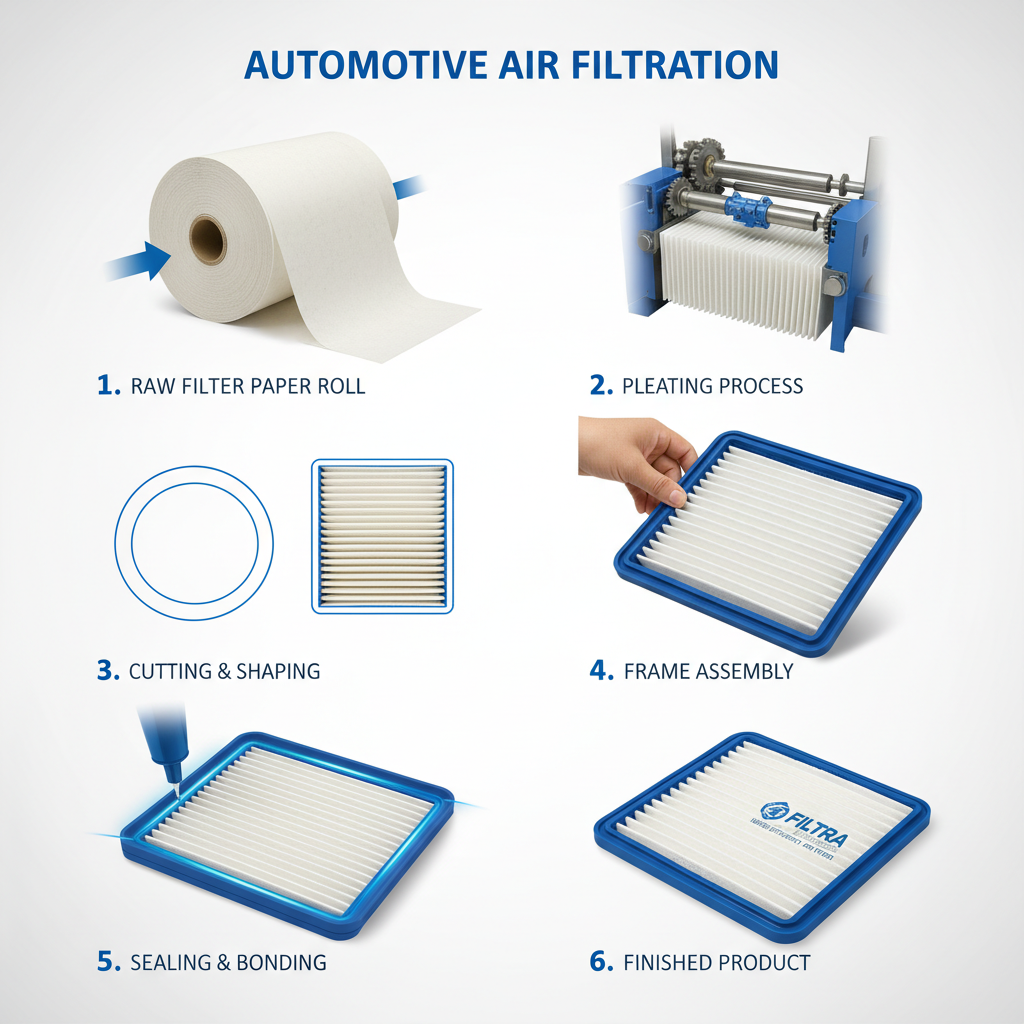
David Miller

David Miller

David Miller is a seasoned Mechanical Engineer at Anya Filter Media, with over 15 years of experience in filter manufacturing and automation. He specializes in the design and implementation of filter making machines, particularly focusing on automotive and HVAC applications. David leads the team responsible for customizing machines to meet
Previous Understanding the Crucial Role of ac Filter Paper in Modern Industries
Next Optimizing Air Quality and Cooling Performance with Air Cooler Filter Paper

If you are interested in our products, you can choose to leave your information here, and we will be in touch with you shortly.


WhatsApp Online Chat !