Air filter paper manufacturers play a crucial role in maintaining air quality across a diverse spectrum of industries and applications. From automotive systems and HVAC units to industrial processes and medical facilities, the demand for high-performance air filtration solutions is constantly growing. These manufacturers are at the forefront of innovation, continually developing materials and technologies to capture increasingly smaller particles and address evolving environmental concerns. Understanding the intricacies of this sector is vital for ensuring public health, improving operational efficiency, and fostering sustainable practices.
The global air filter market is experiencing substantial expansion, driven by factors like rising pollution levels, stringent government regulations, and increased awareness of indoor air quality. air filter paper manufacturers are responding to this demand by investing in research and development, optimizing production processes, and expanding their product portfolios. The success of these companies hinges on their ability to deliver consistent quality, meet specific customer requirements, and adapt to emerging trends in filtration technology. The sector is a key contributor to various supply chains.
The significance of air filter paper manufacturers extends beyond simply removing particulate matter. Their products are essential for protecting sensitive equipment, preventing costly downtime, and ensuring the safety of workers and consumers. As the world grapples with challenges like climate change and airborne diseases, the importance of effective air filtration—and the manufacturers who provide it—will only continue to grow.
The Global Importance of Air Filter Paper Manufacturers
The global significance of air filter paper manufacturers stems from the increasing demand for clean air in various sectors. According to the World Health Organization, 99% of the global population breathes air that exceeds WHO air quality limits. This alarming statistic underscores the critical need for effective filtration solutions. Manufacturers are responding by scaling production and innovating to meet this rising demand. They address threats to both human health and industrial performance.
Furthermore, stringent environmental regulations worldwide, such as those implemented by the European Union and the United States Environmental Protection Agency, are driving the need for advanced filtration technologies. These regulations focus on reducing emissions and improving air quality, directly impacting the demand for specialized filter media produced by these manufacturers. Companies committed to sustainability are also actively seeking higher-performing air filter solutions.
Defining Air Filter Paper Manufacturers
Air filter paper manufacturers are companies specializing in the production of filter media – typically cellulose-based, synthetic, or composite materials – used to remove particulate matter, pollutants, and contaminants from air streams. These manufacturers aren't solely about producing the paper itself; they often engage in coating, pleating, and forming the paper into various filter shapes and sizes to meet the diverse requirements of their clients. air filter paper manufacturers often work closely with OEMs (Original Equipment Manufacturers) and aftermarket suppliers.
Their role is fundamentally linked to safeguarding public health and ensuring the efficient operation of industrial processes. Without the precise and reliable filtration provided by these manufacturers, many essential systems – from vehicle engines and HVAC systems to hospital operating rooms and semiconductor fabrication facilities – would be unable to function effectively or safely. The design and composition of the filter media are crucial to performance.
The industry encompasses a wide range of players, from large multinational corporations to smaller, specialized firms focusing on niche applications. Their capabilities span the entire value chain, including raw material sourcing, research and development, manufacturing, quality control, and distribution.
Key Characteristics of Leading Manufacturers
Leading air filter paper manufacturers consistently demonstrate a commitment to quality control and adherence to international standards like ISO 9001 and ISO 14001. This ensures that their products meet stringent performance criteria and environmental regulations. Their manufacturing processes are often highly automated, leveraging advanced technologies to optimize efficiency and reduce waste.
A defining characteristic is also a strong focus on research and development. These manufacturers invest heavily in exploring new materials, improving filter efficiency, and developing customized solutions for specific client needs. Collaboration with universities and research institutions is common, fostering innovation and driving advancements in filtration technology. Innovation is paramount for maintaining a competitive edge.
Finally, exceptional customer service and technical support are hallmarks of successful manufacturers. They work closely with clients to understand their unique challenges and provide tailored filtration solutions. This involves offering expert guidance on filter selection, performance monitoring, and troubleshooting.
Core Components and Material Science
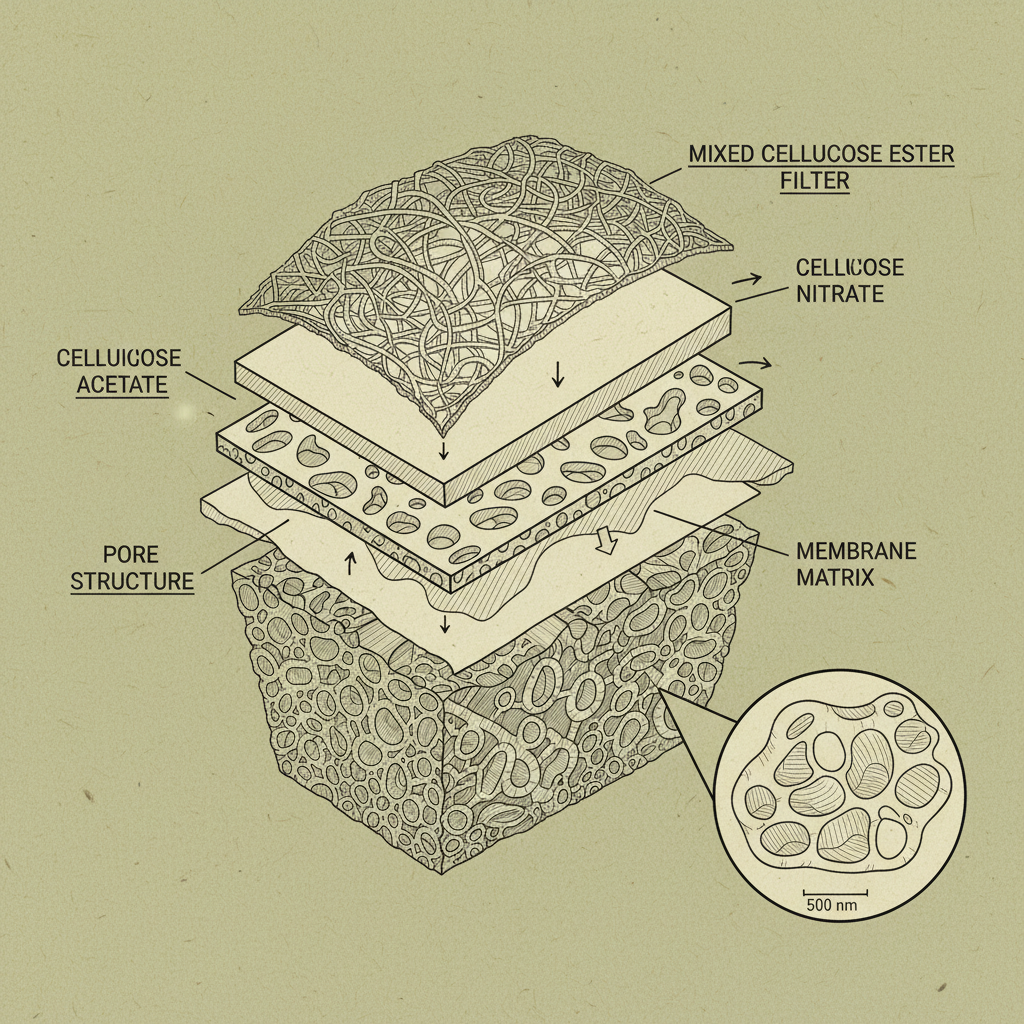
The core of any air filter is the filter media itself. air filter paper manufacturers utilize various materials, each possessing unique properties and suitability for different applications. Cellulose-based papers are cost-effective and widely used for general filtration, while synthetic materials like polypropylene and polyester offer higher efficiency and resistance to moisture. Composite materials, combining different fibers and polymers, provide tailored performance characteristics.
Beyond the base material, coatings and treatments play a critical role. These can enhance filtration efficiency, improve dust-holding capacity, and impart antimicrobial properties. Electret filters, for instance, utilize electrostatically charged fibers to attract and capture particles. Understanding the interplay between material science and filter performance is crucial for designing effective filtration solutions.
Filter Media Performance Comparison
Diverse Applications Across Industries
The applications for filters produced by air filter paper manufacturers are incredibly diverse. The automotive industry relies on cabin air filters and engine air filters to protect passengers and ensure optimal engine performance. HVAC systems in buildings utilize filters to maintain indoor air quality and reduce energy consumption.
Industrial processes, such as manufacturing, pharmaceuticals, and food processing, require specialized filters to remove contaminants and maintain product purity. Medical facilities rely on HEPA (High-Efficiency Particulate Air) filters to create sterile environments. Even the aerospace industry employs advanced filtration systems to protect sensitive equipment and ensure cabin air quality.
The Advantages of Utilizing Quality Filters
Employing high-quality filters from reputable air filter paper manufacturers offers substantial benefits. Improved air quality translates to better health outcomes for individuals, reducing respiratory problems and allergies. In industrial settings, filters protect sensitive equipment from damage caused by particulate matter, extending lifespan and minimizing downtime.
Furthermore, efficient filtration can lead to energy savings by reducing the load on HVAC systems. High-performance filters also contribute to environmental sustainability by minimizing the release of pollutants into the atmosphere. Investing in quality filtration is, therefore, a strategic decision that yields both economic and social benefits.
Future Trends and Innovations in Filtration
The future of air filtration is poised for significant innovation. Researchers are exploring new materials like nanofiber membranes and bio-based filters, offering enhanced performance and sustainability. Smart filters equipped with sensors and connectivity are emerging, enabling real-time monitoring of filter performance and predictive maintenance.
The integration of digital technologies, such as artificial intelligence and machine learning, will play an increasingly important role in optimizing filter design and operation. Sustainability is also a key driver, with a growing focus on developing filters that are recyclable, biodegradable, and produced using eco-friendly processes.
Challenges and Solutions
One significant challenge facing air filter paper manufacturers is the increasing demand for filters capable of capturing ultra-fine particles (PM2.5 and smaller). Developing materials and designs that can efficiently capture these particles without significantly increasing pressure drop remains a key area of research. Another challenge is the proper disposal of used filters, which often contain hazardous contaminants.
Solutions include investing in advanced material science, exploring innovative filter designs like multi-layered structures, and developing robust recycling programs for used filters. Collaboration between manufacturers, governments, and research institutions is essential to overcome these challenges and ensure a sustainable future for air filtration. The implementation of circular economy principles can help to minimize waste and maximize resource utilization.
Finally, the increasing complexity of filtration requirements necessitates a greater emphasis on customization and tailored solutions. Manufacturers must be agile and responsive to meet the unique needs of diverse industries and applications.
Summary of Key Challenges & Solutions in Air Filter Manufacturing
| Challenge |
Impact Area |
Solution Strategy |
Implementation Priority |
| Capturing Ultra-Fine Particles |
Filtration Efficiency |
Advanced Material Research & Design |
High |
| Filter Disposal & Waste |
Environmental Sustainability |
Recycling Programs & Biodegradable Materials |
Medium-High |
| Rising Regulatory Standards |
Compliance & Market Access |
Proactive Standard Monitoring & Adaptation |
High |
| Supply Chain Disruptions |
Production Continuity |
Diversification of Raw Material Sources |
Medium |
| Customization Demands |
Customer Satisfaction |
Agile Manufacturing & Design Capabilities |
Medium |
| Cost Pressure & Competition |
Profit Margins |
Process Optimization & Automation |
Medium |
FAQS
Air filter paper manufacturers typically utilize a range of materials, including cellulose, synthetic fibers (like polypropylene and polyester), and occasionally glass fibers. The choice of material depends on the specific application and desired performance characteristics, such as efficiency, pressure drop, and resistance to moisture. Composite materials combining different fibers are also increasingly common to achieve tailored properties.
The recommended replacement frequency for air filters in an HVAC system varies based on factors like filter type, usage, and indoor air quality. Generally, basic fiberglass filters should be replaced monthly, while pleated filters can last 3-6 months. If you have pets, allergies, or live in a dusty environment, more frequent replacements are advised. Regularly checking the filter's condition is the best practice.
MERV (Minimum Efficiency Reporting Value) rates a filter's ability to capture particles of different sizes. Higher MERV ratings indicate better filtration. HEPA (High-Efficiency Particulate Air) filters are a specific type of filter that must capture at least 99.97% of particles 0.3 microns in diameter. HEPA filters offer the highest level of filtration and are often used in hospitals and cleanrooms.
Yes, there is a growing trend toward more sustainable air filter options. These include filters made from recycled materials, biodegradable materials, and filters designed for longer life and reduced waste. Some manufacturers are also exploring bio-based filter media and implementing closed-loop recycling programs. Consumers can look for certifications like Green Seal to identify environmentally preferable products.
Electrostatic filters utilize electrostatically charged fibers to attract and capture particles. This allows them to capture smaller particles than mechanical filters alone. They are generally effective at improving air quality, but their performance can decline over time as the charge diminishes or the filter becomes clogged. Regular replacement is still necessary for optimal performance.
Several factors influence the cost of air filter paper. Raw material prices (cellulose, synthetic fibers, etc.) are a significant component. Manufacturing complexity, including coatings and treatments, also adds to the cost. Order volume, customization requirements, and transportation costs all play a role. Furthermore, the manufacturer’s reputation and quality control standards can impact pricing.
Conclusion
In conclusion, air filter paper manufacturers are indispensable contributors to public health, industrial efficiency, and environmental sustainability. Their dedication to innovation, quality control, and responsiveness to evolving needs positions them as vital players in a world increasingly focused on clean air. The continuous development of advanced materials and technologies will further enhance the performance and effectiveness of air filtration solutions.
Looking ahead, collaboration between manufacturers, researchers, and policymakers will be crucial to address the challenges of air pollution and climate change. By embracing sustainable practices, investing in research and development, and prioritizing customer needs, air filter paper manufacturers can ensure a cleaner, healthier future for all.