0%

Table of Contents

Oil filter paper roll plays a critical, often unseen, role in the health and longevity of internal combustion engines globally. From automobiles and motorcycles to heavy machinery and industrial equipment, the efficient filtration provided by this specialized paper is paramount to removing contaminants that can cause wear, reduce performance, and ultimately lead to engine failure. Understanding the composition, manufacturing processes, and quality control associated with oil filter paper roll is therefore essential for engineers, manufacturers, and anyone involved in engine maintenance.

The global demand for oil filter paper roll is directly tied to vehicle production, industrial growth, and the increasing need for reliable engine performance. Estimates suggest a multi-billion dollar market, consistently growing alongside emerging economies and tightening emission standards. As vehicles become more complex and engines operate under increasingly demanding conditions, the performance requirements for oil filter paper roll continue to escalate, driving innovation in materials and manufacturing techniques.

The benefits of a high-quality oil filter paper roll extend beyond just engine protection. Improved filtration translates to longer oil change intervals, reduced environmental impact from oil disposal, and enhanced fuel efficiency. These factors are driving a shift towards advanced filtration technologies and sustainable manufacturing practices within the oil filter industry, making a thorough understanding of this material ever more important.
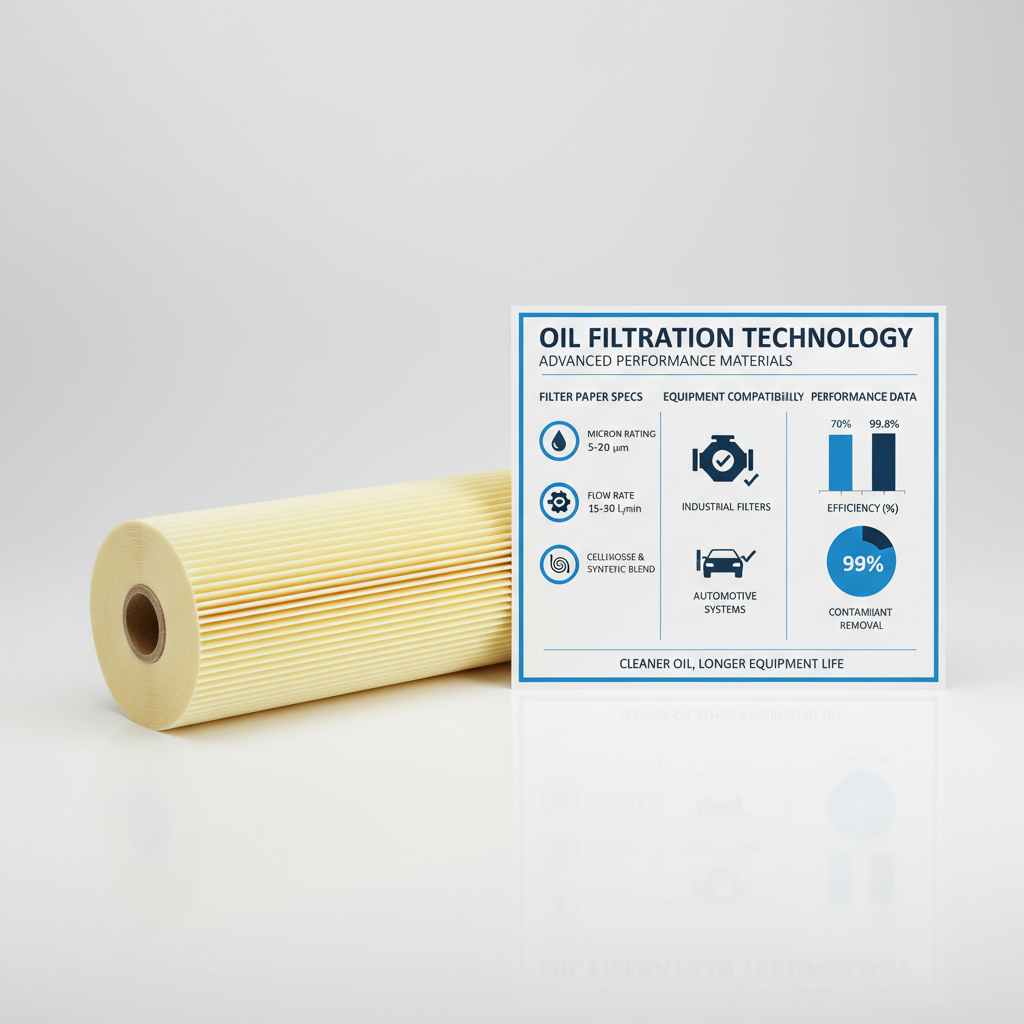
The Crucial Role of Oil Filter Paper Roll in Engine Performance and Longevity

Introduction to Oil Filter Paper Roll

The Crucial Role of Oil Filter Paper Roll in Engine Performance and Longevity

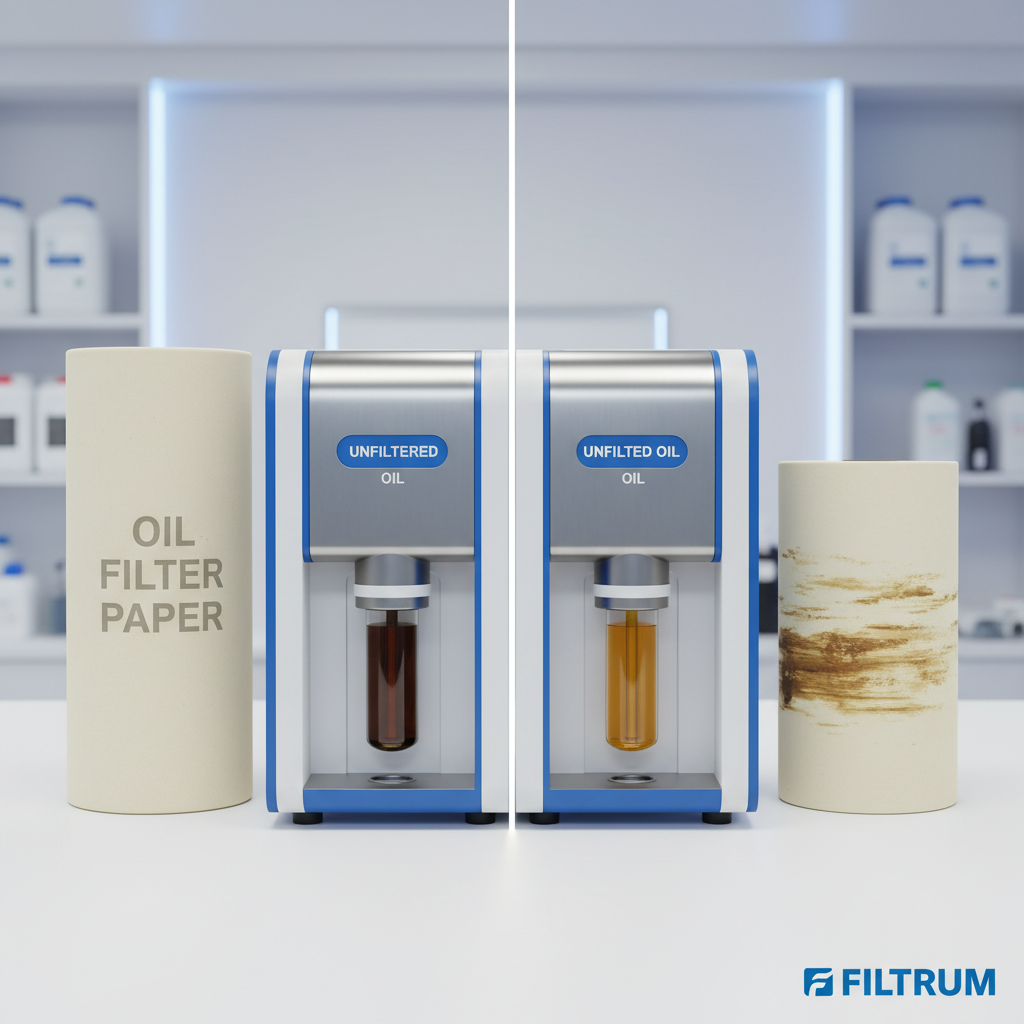
The core function of oil filter paper roll is to remove particulate contaminants from engine oil, safeguarding crucial engine components from wear and tear. This seemingly simple task relies on a complex interplay of fiber composition, pore size distribution, and media construction. oil filter paper roll manufacturers constantly refine these parameters to meet increasingly stringent performance demands.

The production of oil filter paper roll isn't a one-size-fits-all process. Different engine types and operating conditions necessitate variations in paper composition and construction. Factors like oil viscosity, temperature, and the types of contaminants encountered all influence the optimal design of the filtration media. This leads to a diverse range of oil filter paper rolls tailored to specific applications.

Defining Oil Filter Paper Roll

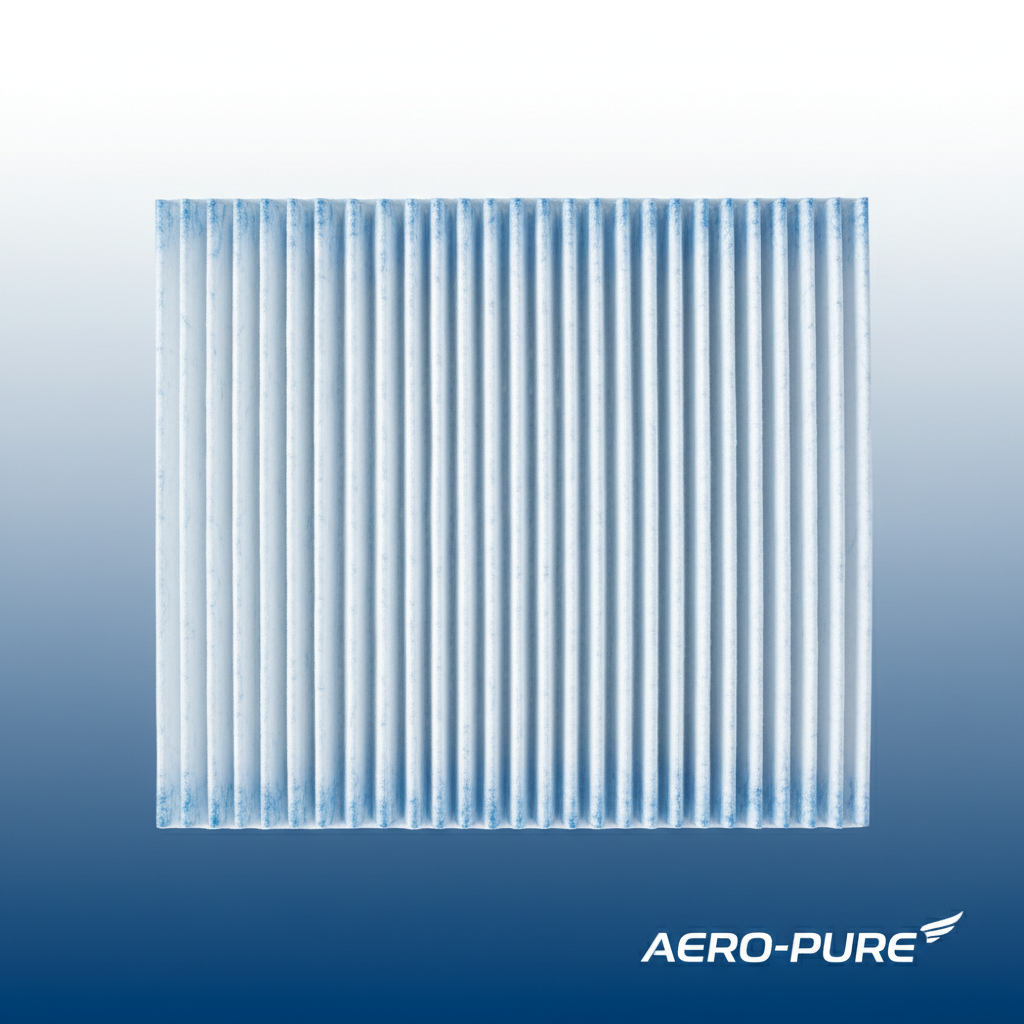
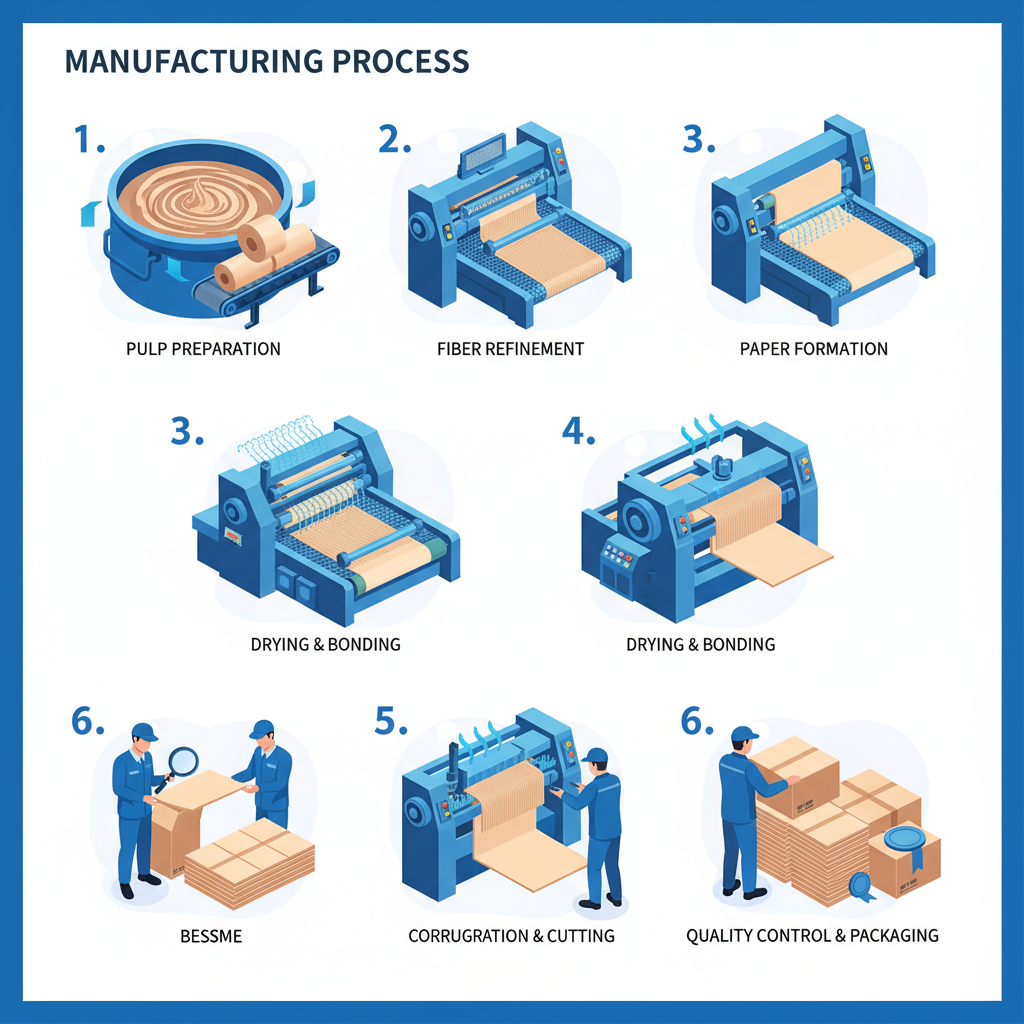
Oil filter paper roll is a specialized nonwoven fabric specifically engineered for removing solid particles from lubricating oils. Unlike typical paper, it’s not made from wood pulp, but rather a blend of synthetic and/or cellulose fibers, carefully selected for their filtration properties and resistance to degradation from oil. The fibers are bonded together through a combination of mechanical interlocking, chemical bonding, and thermal processes.

This material isn't simply a barrier; it’s a precisely engineered network of pores designed to capture contaminants while allowing oil to flow freely. The effectiveness of the filtration process depends heavily on the pore size distribution, the density of the fibers, and the overall thickness of the roll.

Its connection to modern industry and infrastructure is fundamental; reliable engine operation across transportation, manufacturing, and power generation relies heavily on effective oil filtration provided by materials like oil filter paper roll. Without it, the lifespan and efficiency of these critical systems would be dramatically reduced.

Key Characteristics of Oil Filter Paper Roll

Durability is paramount. Oil filter paper roll must withstand constant exposure to high temperatures, varying oil pressures, and the abrasive action of particulate contaminants without tearing, unraveling, or losing its filtration efficiency. The structural integrity is maintained through careful fiber selection and bonding techniques.

Permeability is also crucial. The roll needs to allow a sufficient flow of oil to meet engine demands without compromising filtration effectiveness. A balance must be struck between capturing small particles and maintaining adequate flow rates. This is achieved by controlling the pore size and density of the material.

Chemical resistance is essential, as the paper is immersed in oil containing additives, detergents, and dispersants. These chemicals can degrade certain fibers, leading to a loss of filtration capacity. Manufacturers carefully select fibers that are resistant to these chemical interactions.

Performance Metrics of Oil Filter Paper Roll

Evaluating the performance of oil filter paper roll requires specific metrics that assess its ability to capture contaminants and maintain flow rates. These metrics are critical for ensuring the longevity and reliability of engines.

Key performance indicators include particulate efficiency (the percentage of contaminants removed), dirt-holding capacity (the amount of contaminants the filter can hold before clogging), and pressure drop (the resistance to oil flow). These factors are typically measured through standardized testing procedures like ISO 4548.

Oil Filter Paper Roll Performance Comparison


Global Applications and Industry Sectors

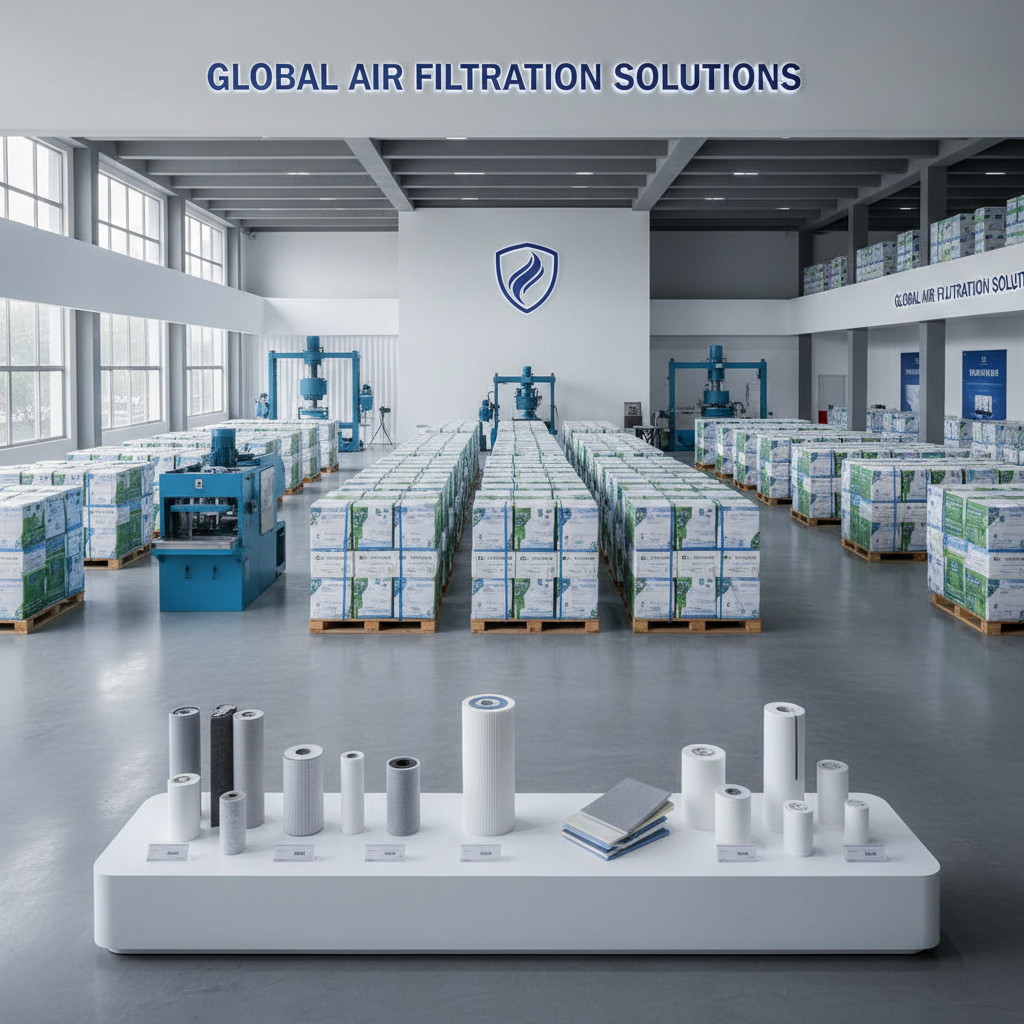
The automotive industry is by far the largest consumer of oil filter paper roll, with millions of filters being replaced annually. From passenger vehicles to commercial trucks, efficient oil filtration is critical for maintaining engine performance and extending service life. Demand is particularly high in rapidly developing economies with growing vehicle ownership.

Beyond automotive, oil filter paper roll finds widespread use in industrial machinery, power generation equipment, and even marine engines. In these applications, the consequences of engine failure can be severe, making reliable filtration even more critical. Remote industrial zones often rely heavily on robust oil filter systems.

Advantages and Long-Term Value

Investing in high-quality oil filter paper roll translates directly into cost savings over the lifespan of an engine. By effectively removing contaminants, it reduces wear and tear on critical components, extending oil change intervals and minimizing the risk of costly repairs.

Furthermore, improved filtration contributes to greater fuel efficiency and reduced emissions, aligning with sustainability goals and minimizing environmental impact. The peace of mind knowing your engine is protected by a reliable filtration system adds an intangible but significant value.

The long-term benefits extend to increased engine reliability, lower maintenance costs, and reduced downtime – all factors that contribute to improved operational efficiency and profitability for businesses and individuals alike.

Future Trends in Oil Filter Paper Roll Technology

Research and development efforts are focused on creating oil filter paper roll with enhanced filtration capabilities and improved sustainability. This includes exploring the use of biodegradable fibers, developing new bonding techniques that reduce chemical usage, and incorporating nanotechnology to create filters with finer pore sizes.

The integration of smart sensors into oil filters is another emerging trend, allowing for real-time monitoring of filter condition and oil quality. This data can be used to optimize maintenance schedules and prevent unexpected engine failures.

Driven by environmental concerns and stricter regulations, the industry is also exploring innovative recycling methods for used oil filters, reducing waste and promoting a circular economy.

Summary of Key Considerations for Oil Filter Paper Roll Selection

Engine Type Operating Conditions Filtration Efficiency (μm) Dirt Holding Capacity (g)
Passenger Car Normal Driving 10-20 8-12
Heavy Duty Truck Severe Duty 5-15 15-25
Motorcycle High RPM 10-18 6-10
Construction Equipment Dusty Environment 3-10 20-30
Agricultural Machinery Variable Load 8-16 12-18
Marine Engine Saltwater Exposure 5-12 18-28

FAQS

What is the typical lifespan of an oil filter using oil filter paper roll?

The lifespan of an oil filter utilizing oil filter paper roll varies depending on driving conditions, oil quality, and engine type. However, a general guideline is between 3,000 to 7,500 miles (4,800 to 12,000 kilometers). Severe driving conditions, like frequent stop-and-go traffic or towing, necessitate more frequent filter changes. Regularly checking your vehicle's owner's manual is recommended for specific intervals. Utilizing high-quality oil filter paper roll can extend the filter’s effective life.

How does the micron rating of oil filter paper roll affect engine protection?

The micron rating indicates the size of particles the filter can capture. A lower micron rating (e.g., 5 microns) means the filter can trap smaller contaminants, providing superior engine protection. However, extremely low micron ratings can restrict oil flow, potentially causing engine damage. Choosing the correct micron rating for your engine's specifications, often recommended by the manufacturer, is crucial. A balance between filtration efficiency and oil flow is essential.

What materials are commonly used in oil filter paper roll production?

Oil filter paper roll typically consists of a blend of synthetic and cellulose fibers. Synthetic fibers, such as polypropylene or polyester, offer excellent strength and chemical resistance. Cellulose fibers provide good filtration characteristics and cost-effectiveness. Some high-performance filters also incorporate glass fibers for increased dirt-holding capacity. The specific blend of fibers is tailored to meet the required performance characteristics of the filter.

Are there environmentally friendly alternatives to traditional oil filter paper roll?

Yes, there's a growing trend towards using biodegradable or recycled materials in oil filter paper roll production. Manufacturers are exploring plant-based fibers and developing recycling processes for used filters. While these alternatives are still evolving, they represent a significant step towards a more sustainable oil filtration industry. Choosing filters made with eco-friendly materials helps reduce environmental impact.

How does oil viscosity affect the performance of oil filter paper roll?

Oil viscosity plays a significant role. Higher viscosity oils flow more slowly through the filter, potentially reducing flow rates and increasing pressure drop. Lower viscosity oils flow more easily but may not effectively carry contaminants to the filter media. Oil filter paper roll is designed with specific pore sizes and fiber densities to optimize filtration performance for the intended oil viscosity range. Using the manufacturer’s recommended oil viscosity is crucial for optimal filter performance.

What testing standards are used to evaluate the quality of oil filter paper roll?

Several standardized tests are used to assess the quality and performance of oil filter paper roll. ISO 4548 is a widely recognized standard for evaluating filter efficiency and dirt-holding capacity. Other relevant tests include ISO 3723 (filter element bypass efficiency) and SAE J1985 (differential pressure flow rate test). These tests ensure filters meet industry standards and provide reliable engine protection.

Conclusion

In summary, oil filter paper roll is a critical component in maintaining engine health and longevity. Its ability to effectively remove contaminants, coupled with advancements in materials and manufacturing techniques, ensures optimal engine performance, reduced emissions, and extended service intervals. Understanding the key characteristics, performance metrics, and future trends in this field is essential for anyone involved in the automotive, industrial, or power generation sectors.

As environmental concerns and sustainability initiatives gain prominence, the development of eco-friendly oil filter paper roll solutions will become increasingly important. Investing in research and innovation, promoting responsible manufacturing practices, and adopting circular economy principles will pave the way for a more sustainable and efficient oil filtration industry. Visit our website at www.anyafiltermedia.com to learn more about our range of high-quality oil filter paper roll products.


Michael Wilson

Michael Wilson

Michael Wilson is a Sales Engineer at Anya Filter Media, dedicated to serving clients in the industrial filtration sector. He possesses a strong technical understanding of our product range, including fiberglass filter media and non-woven filter media, and is adept at providing tailored solutions for diverse applications. Michael specializes in
Previous Understanding Oil Filter Paper Bunnings and Its Impact on Engine Performance
Next Understanding Oil Filter Paper Material for Optimal Engine Performance

If you are interested in our products, you can choose to leave your information here, and we will be in touch with you shortly.


WhatsApp Online Chat !