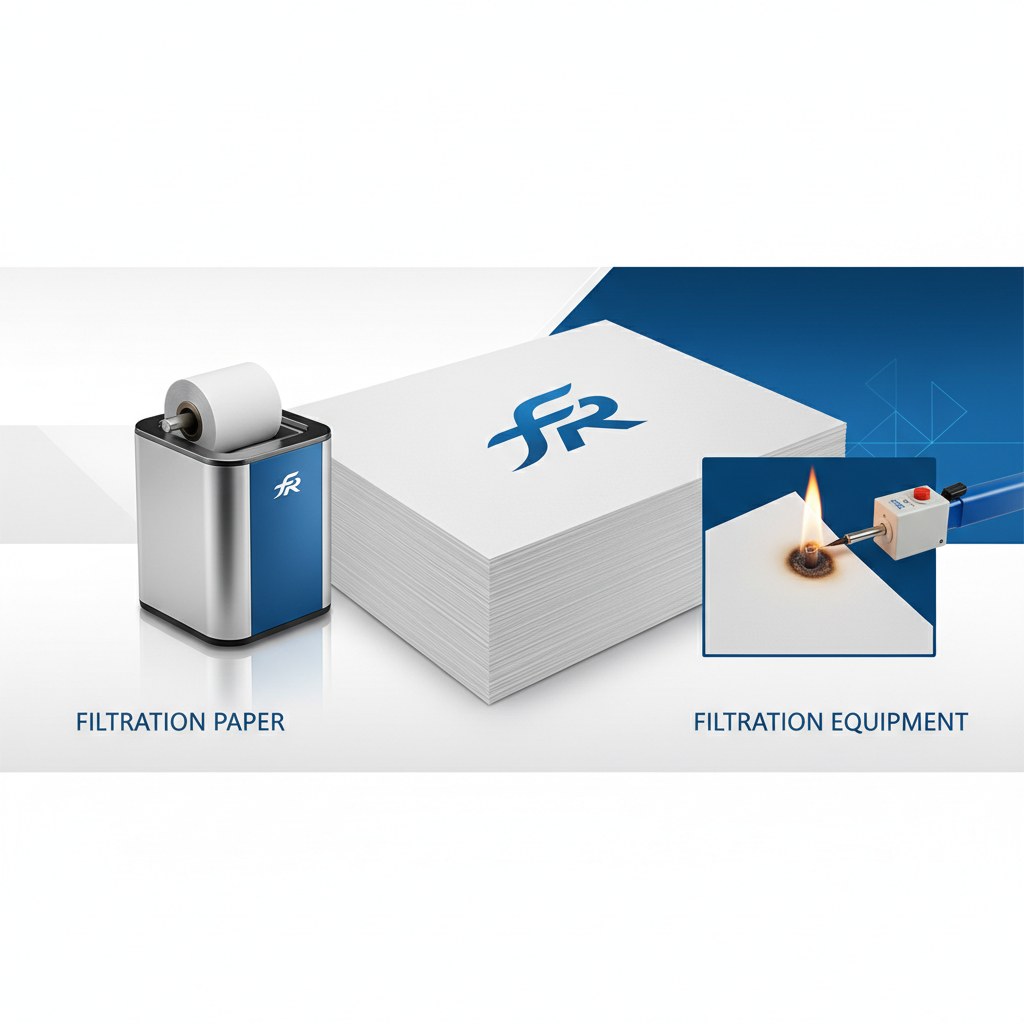
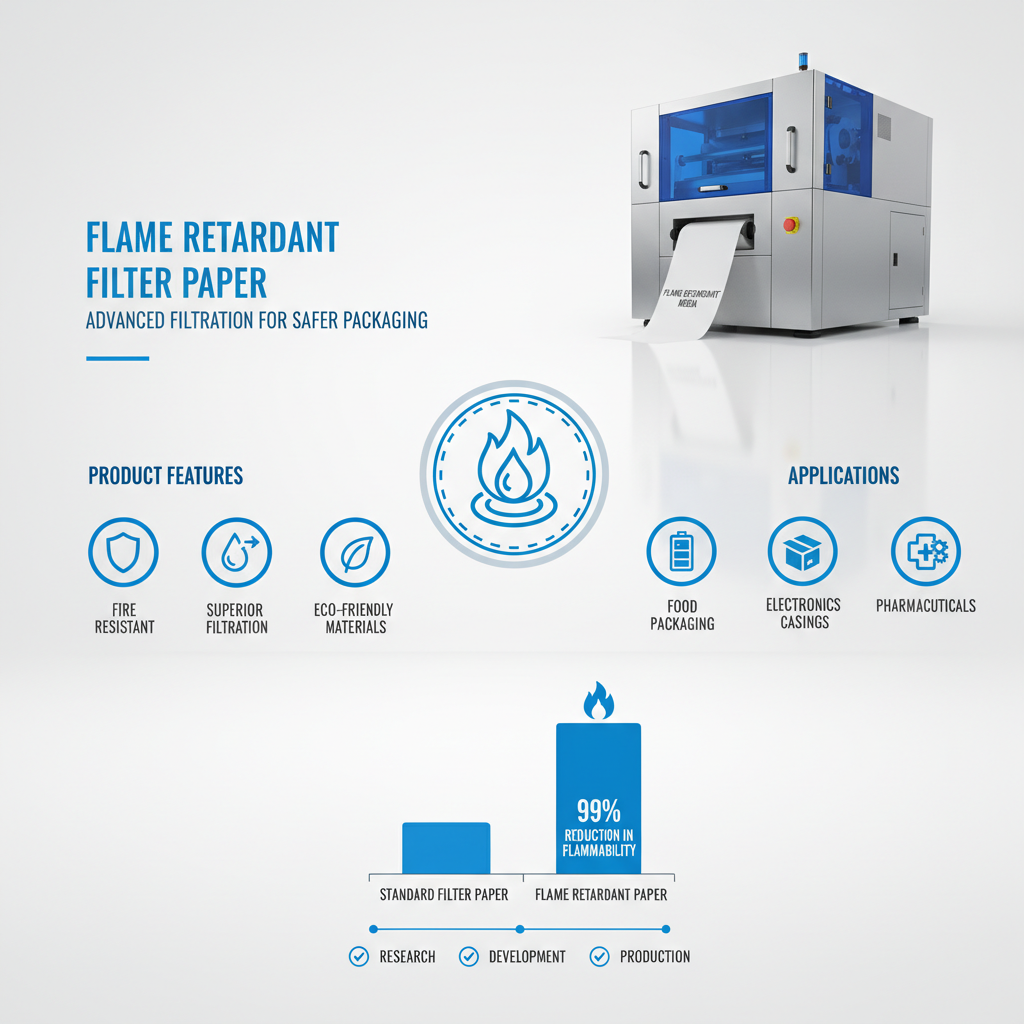
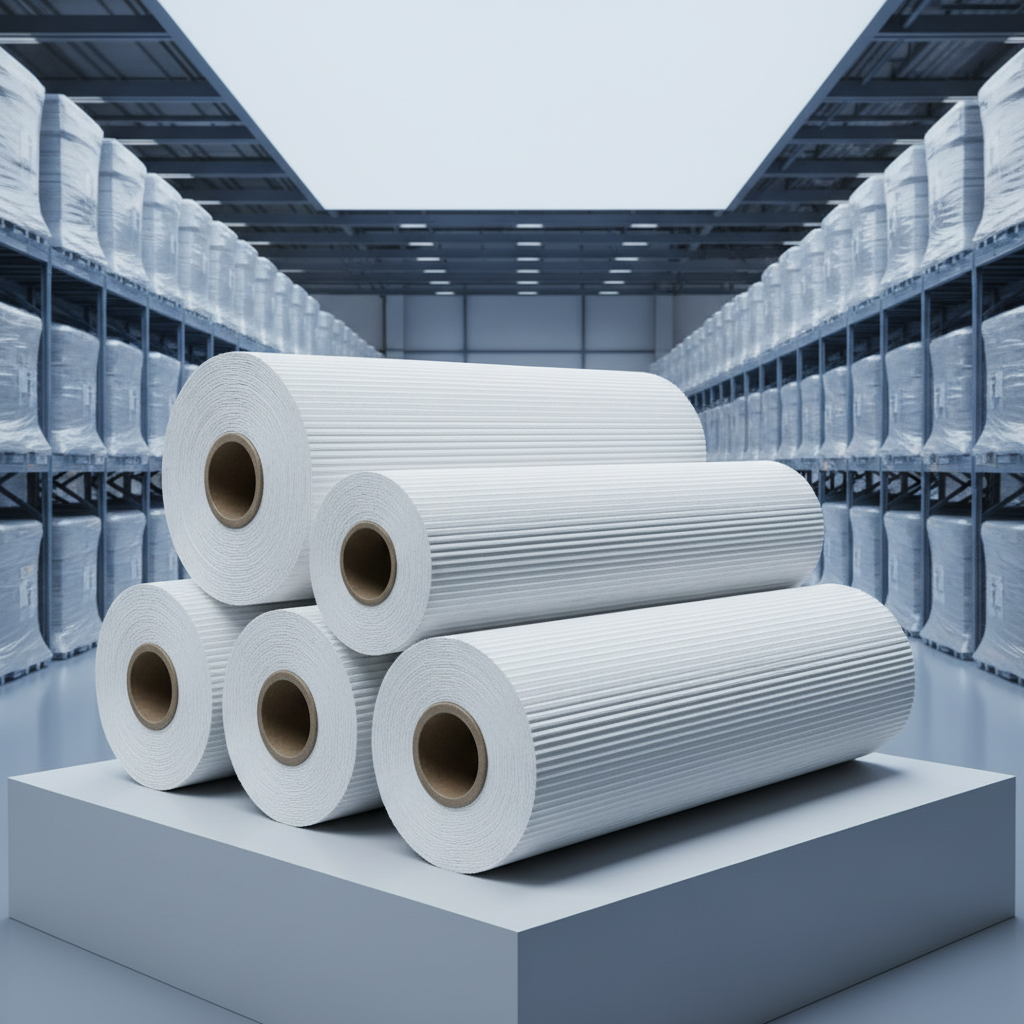
In the demanding world of industrial filtration, the intersection of efficiency and safety is where flame retardant paper becomes an indispensable asset. This specialized material is engineered to provide critical air filtration capabilities while simultaneously mitigating the risk of fire—a primary concern in environments handling volatile organic compounds or high-temperature exhaust. By integrating advanced chemical treatments into cellulose or synthetic bases, this material ensures that operational continuity is never compromised by accidental ignition.
Globally, the demand for fire-resistant filtration media has surged as safety regulations become more stringent. Whether it is used in heavy machinery, automotive cabin filters, or large-scale industrial dust collectors, the ability of flame retardant paper to resist combustion without sacrificing permeability makes it a cornerstone of modern environmental protection equipment. Understanding its composition and application is key to optimizing facility safety and compliance.
Choosing the right grade of flame retardant media is not merely a technical decision but a strategic investment in risk management. From reducing insurance premiums to protecting human life and expensive infrastructure, the implementation of high-quality fire-resistant materials provides a layer of security that standard filter papers cannot offer. In this guide, we explore the technical nuances, global applications, and future innovations surrounding this critical industrial component.
The Global Significance of Flame Retardant Paper
On a global scale, the implementation of flame retardant paper is driven by rigorous international safety standards, such as those set by ISO and UL. In industrial zones across Europe and North America, where air filtration systems often process combustible dust or chemical vapors, a standard filter can act as a fuse, potentially leading to catastrophic plant fires. By adopting flame-retardant technologies, industries significantly reduce the risk of "flash fires" within ventilation ducts.
The economic impact of fire-related downtime in the manufacturing sector is measured in billions of dollars annually. Consequently, the shift toward specialized flame retardant paper is no longer optional but a necessity for operational resilience. By preventing the propagation of flames through the filtration media, companies ensure that safety systems have the critical time needed to activate suppression mechanisms, thereby safeguarding both assets and personnel.
Technical Definition and Industrial Meaning
In technical terms, flame retardant paper is a composite material consisting of a fibrous base—typically cellulose, glass fiber, or synthetic polymers—that has been treated with flame-retardant chemicals. These additives work by creating a protective char layer when exposed to heat, which isolates the underlying material from oxygen and inhibits the combustion process. Unlike standard paper, which fuels a fire, these materials are designed to be self-extinguishing.
From an industrial perspective, this material represents the bridge between high-efficiency particulate air (HEPA) filtration and rigorous fire safety protocols. It is not merely about "not burning," but about managing the thermal degradation of the filter media under extreme stress. This ensures that the structural integrity of the filter remains intact long enough to prevent the passage of sparks or flames into sensitive downstream equipment.
The meaning of this innovation extends to humanitarian and public service sectors as well. In the manufacture of specialized emergency equipment or public transport ventilation, using flame retardant paper ensures that in the event of an electrical short or mechanical failure, the air filtration system does not contribute to the toxicity or speed of a fire, providing safer evacuation windows for the public.
Core Components of Fire-Resistant Media
The durability of flame retardant paper is rooted in its base fiber selection. High-grade cellulose provides the necessary pore structure for filtration, while the addition of inorganic fibers increases the melting point. This synergy allows the filter to handle varying air pressures without tearing, ensuring that the flame-retardant properties are distributed evenly across the entire surface area.
The chemical treatment process is the most critical component. Phosphorus-based or halogen-free retardants are infused into the flame retardant paper, reacting at the molecular level to prevent the chain reaction of combustion. This ensures that the material meets strict UL94 or DIN 53438 standards, making it suitable for hazardous environments.
Finally, cost-efficiency and scalability are achieved through advanced coating techniques. By optimizing the ratio of retardant agents to base fibers, manufacturers can produce flame retardant paper that offers maximum protection without becoming overly brittle or expensive, allowing for widespread adoption in everything from small cabin filters to massive industrial air scrubbers.
Performance Metrics and Efficiency Analysis
Evaluating the effectiveness of flame retardant paper requires a dual-focus approach: measuring the filtration efficiency (the ability to capture particles) and the fire-resistance rating (the time to ignition and flame spread rate). A high-performing media must maintain a low pressure drop while ensuring that the flame retardancy does not clog the pores of the paper.
In comparative testing, different treatment methods show varying levels of success. For instance, impregnated phosphorus treatments often outperform surface coatings in terms of longevity, as they are less likely to wear off during high-velocity airflow. This balance of safety and airflow is what defines the commercial value of the product.
Comparative Performance of Flame Retardant Paper Variants
Global Applications and Sector Use Cases
The versatility of flame retardant paper allows it to be deployed across a vast array of industries. In the automotive sector, it is used in cabin air filter media to protect passengers from potential electrical fires in the dashboard area. In the aerospace industry, where fire is the ultimate hazard, highly specialized flame-resistant composites are mandatory for all air recirculation systems.
Beyond transport, industrial dust collection systems in woodworking and chemical plants rely heavily on flame retardant paper to prevent sawdust or chemical powder from igniting. In remote industrial zones, such as mining operations in Australia or oil rigs in the North Sea, these materials are critical because emergency response times are slow, making onboard fire prevention the only viable safety strategy.
Long-term Value and Safety Advantages
The long-term value of integrating flame retardant paper extends far beyond the immediate prevention of fire. From a logical standpoint, it reduces the frequency of total system failures and lowers the cost of insurance premiums for high-risk facilities. When a filter is fire-resistant, the overall reliability of the environmental control system increases, leading to less unplanned downtime and higher productivity.
Emotionally and ethically, the use of such materials reflects a company's commitment to safety and the dignity of its workers. Providing an environment where the risk of catastrophic fire is minimized fosters trust and peace of mind among employees. Innovation in this field is not just about chemical formulas, but about the promise of a safer workplace.
Furthermore, the sustainability aspect is becoming more prominent. By utilizing flame retardant paper that is halogen-free, companies can ensure that they are not releasing toxic gases into the atmosphere during a fire event, thereby reducing the environmental impact and toxicity of smoke, which is often more deadly than the flames themselves.
Future Innovations in Retardant Materials
Looking forward, the evolution of flame retardant paper is moving toward "smart" media. Researchers are developing materials that can change color when they reach a certain temperature, providing a visual warning before a fire actually starts. This digital-physical hybrid approach allows for predictive maintenance of filtration systems.
Green chemistry is also playing a pivotal role. The industry is shifting away from traditional chemicals toward bio-based flame retardants derived from lignin or chitosan. These eco-friendly alternatives maintain the high safety ratings of flame retardant paper while ensuring the material is biodegradable or more easily recyclable at the end of its lifecycle.
Automation in the manufacturing process is further enhancing the precision of the retardant application. Nanotechnology is now being used to create "nano-shields" on the fiber surface, which provide superior protection with significantly less chemical mass. This ensures that the air-permeability of the flame retardant paper is maximized without compromising safety.
Comparative Analysis of Modern Flame Retardant Paper Technologies
| Technology Type |
Fire Resistance Score |
Air Permeability |
Eco-Friendliness |
| Phosphorus Impregnation |
9/10 |
High |
Moderate |
| Halogen-Free Synthetic |
10/10 |
Medium |
High |
| Bio-based Lignin |
7/10 |
Very High |
Excellent |
| Nanocoating Shield |
9/10 |
Maximum |
Moderate |
| Silica Glass Composite |
8/10 |
Medium |
High |
| Standard Treated Paper |
4/10 |
High |
Low |
FAQS
The primary difference lies in the chemical composition. While regular filter paper is highly flammable cellulose, flame retardant paper is infused with specialized additives like phosphorus or alumina. These chemicals inhibit the combustion process by creating a protective char layer, meaning the material will either resist igniting or self-extinguish once the heat source is removed.
Not necessarily. While early versions of retardant media sometimes clogged the pores, modern flame retardant paper uses advanced impregnation and nanocoating techniques. These methods ensure the retardants are integrated at a molecular level or in ultra-thin layers, maintaining high air permeability and particulate capture rates without compromising safety.
Industries handling combustible dust (like woodworking or grain milling), chemical processing plants, and the automotive and aerospace sectors benefit most. In these environments, flame retardant paper prevents the air filtration system from becoming a catalyst for fire, thereby protecting the entire facility and its personnel.
Yes, there is a significant shift toward halogen-free and bio-based retardants. Many manufacturers now offer flame retardant paper that uses plant-derived phosphorus or lignin, which provide excellent fire resistance without releasing toxic halides during combustion, making them safer for both the environment and humans.
Verification is done through international certification standards. Look for test reports referencing UL94, DIN 53438, or ISO standards. A certified flame retardant paper will have a documented "burn rate" or "self-extinguishing time" provided by a third-party laboratory.
While the initial cost per square meter is higher due to the chemical treatments, the long-term value is far greater. By utilizing flame retardant paper, companies reduce the risk of catastrophic asset loss and can often negotiate lower insurance premiums, making it a cost-effective risk management strategy.
Conclusion
In summary, flame retardant paper represents a critical evolution in industrial filtration, merging the necessity of air purity with the imperative of fire safety. By integrating advanced chemical barriers into high-performance fibers, this material prevents the propagation of flames in high-risk environments, ensuring that filtration systems serve as protectors rather than liabilities. From the automotive cabin to the industrial scrubber, the technical advantages of fire-resistance—coupled with modern eco-friendly innovations—provide a comprehensive solution for safety and efficiency.
As we look toward the future, the integration of smart materials and green chemistry will continue to elevate the standards of safety. For any organization operating in a high-temperature or combustible environment, switching to certified flame retardant paper is a proactive step toward operational excellence and ethical responsibility. We encourage you to prioritize safety and invest in media that safeguards your future. Visit our website for more professional solutions: www.anyafiltermedia.com