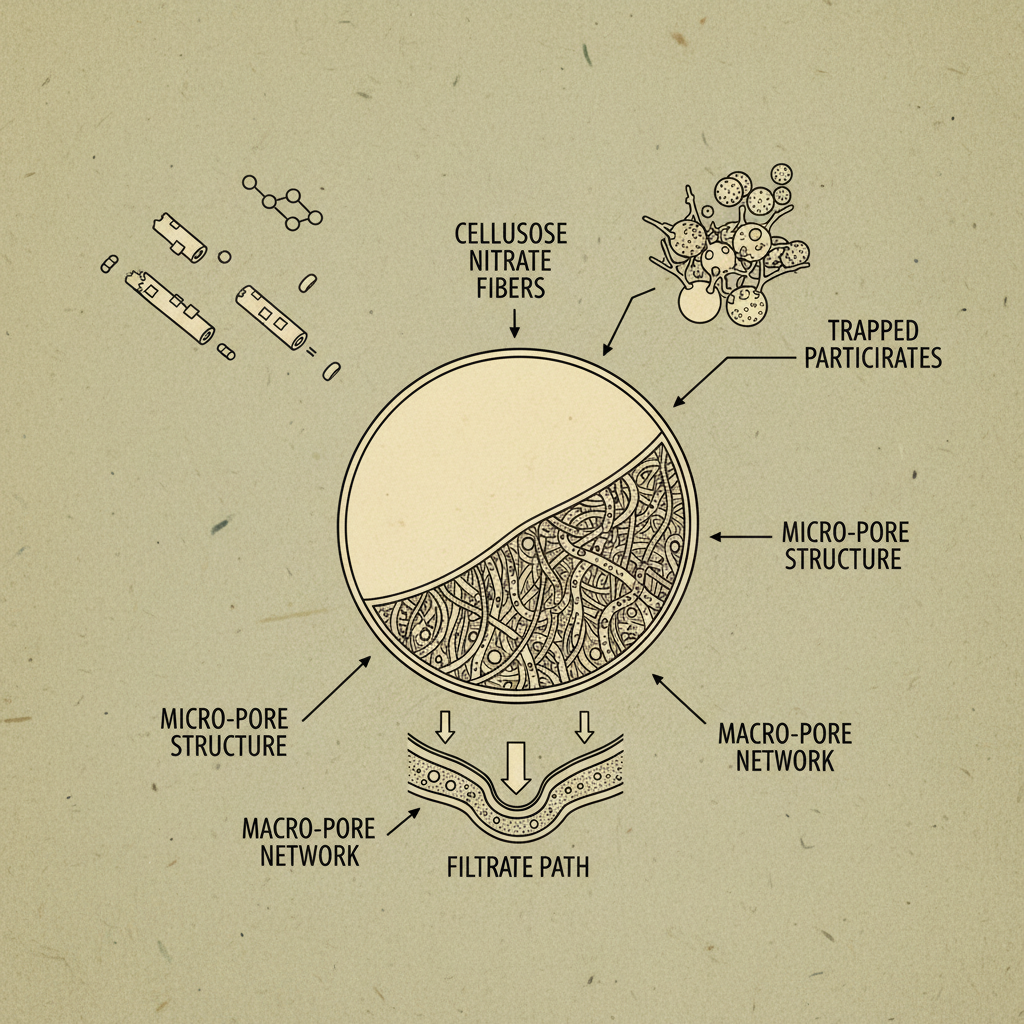
Air purifier paper, often unseen yet critically important, forms the heart of effective air purification systems globally. From residential air cleaners combating indoor pollutants to industrial filters safeguarding sensitive manufacturing processes, this specialized material plays a pivotal role in maintaining air quality and protecting human health. Understanding the nuances of air purifier paper – its composition, performance characteristics, and evolving technologies – is essential for anyone involved in environmental control, public health, or industrial safety.
The increasing global focus on air quality, driven by rising pollution levels in urban centers and a growing awareness of the health impacts of airborne particles, has fueled demand for sophisticated air purification solutions. This demand, coupled with stringent regulatory standards and a push for sustainable materials, necessitates continuous innovation in air purifier paper manufacturing. The development of more efficient, durable, and environmentally friendly filters is paramount.
Investing in knowledge surrounding air purifier paper isn't merely a technical exercise; it’s an investment in public health and environmental stewardship. Advanced filtration materials directly translate to cleaner air, reduced respiratory illnesses, and a more sustainable future. This document explores the core aspects of air purifier paper, its diverse applications, and the trends shaping its future.
Introduction to Air Purifier Paper
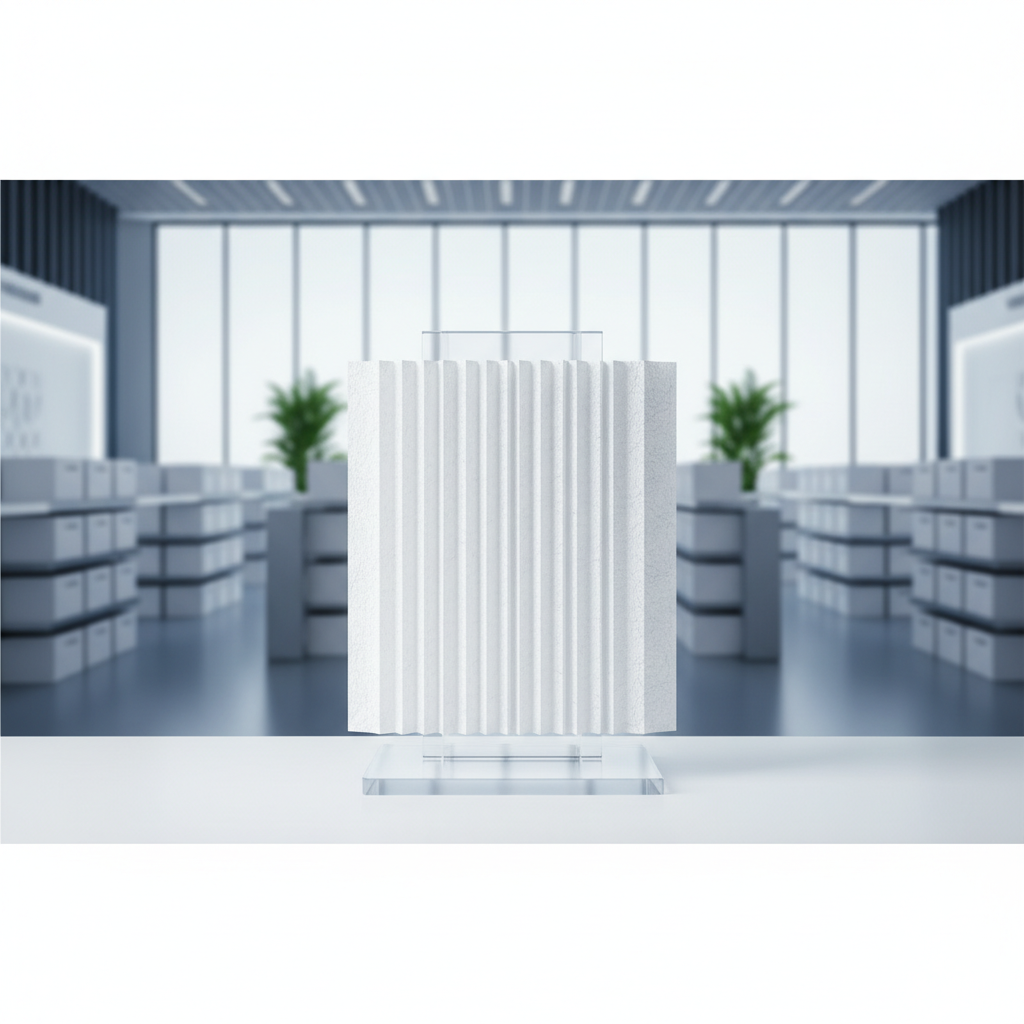
Air purifier paper isn’t a single, monolithic entity; rather, it’s a broad category encompassing a range of materials designed to capture airborne particles. These materials range from traditional fiberglass filters to advanced synthetic media, each offering a unique blend of filtration efficiency, airflow resistance, and cost. The selection of the appropriate air purifier paper is critical for optimizing performance in a given application.
The functionality of air purifier paper relies on a combination of physical mechanisms – interception, impaction, and diffusion – to remove particles from the air stream. Higher efficiency filters utilize smaller pore sizes and often incorporate electrostatic charges to enhance particle capture. Understanding these underlying principles is crucial for evaluating and selecting the best filter media for a specific need.
The Global Significance of Air Purification
The World Health Organization estimates that 99% of the global population breathes air that exceeds WHO air quality guidelines. This alarming statistic underscores the critical need for effective air purification technologies, and consequently, the importance of high-quality air purifier paper. Air pollution contributes to millions of deaths annually and is linked to a wide range of health problems, including respiratory illnesses, cardiovascular disease, and cancer.
The growing urbanization and industrialization in developing countries are exacerbating air pollution challenges. Rapid economic growth often comes at the expense of environmental regulations, leading to increased emissions from factories, vehicles, and power plants. Addressing this issue requires a multi-faceted approach, including stricter emission controls, investments in public transportation, and the widespread adoption of air purification solutions.
Furthermore, concerns about indoor air quality are also on the rise, particularly in developed nations where people spend a significant amount of time indoors. Sources of indoor air pollution include building materials, cleaning products, and combustion appliances. Effective air purifier paper is essential for creating healthier indoor environments and protecting vulnerable populations.
Defining Air Purifier Paper
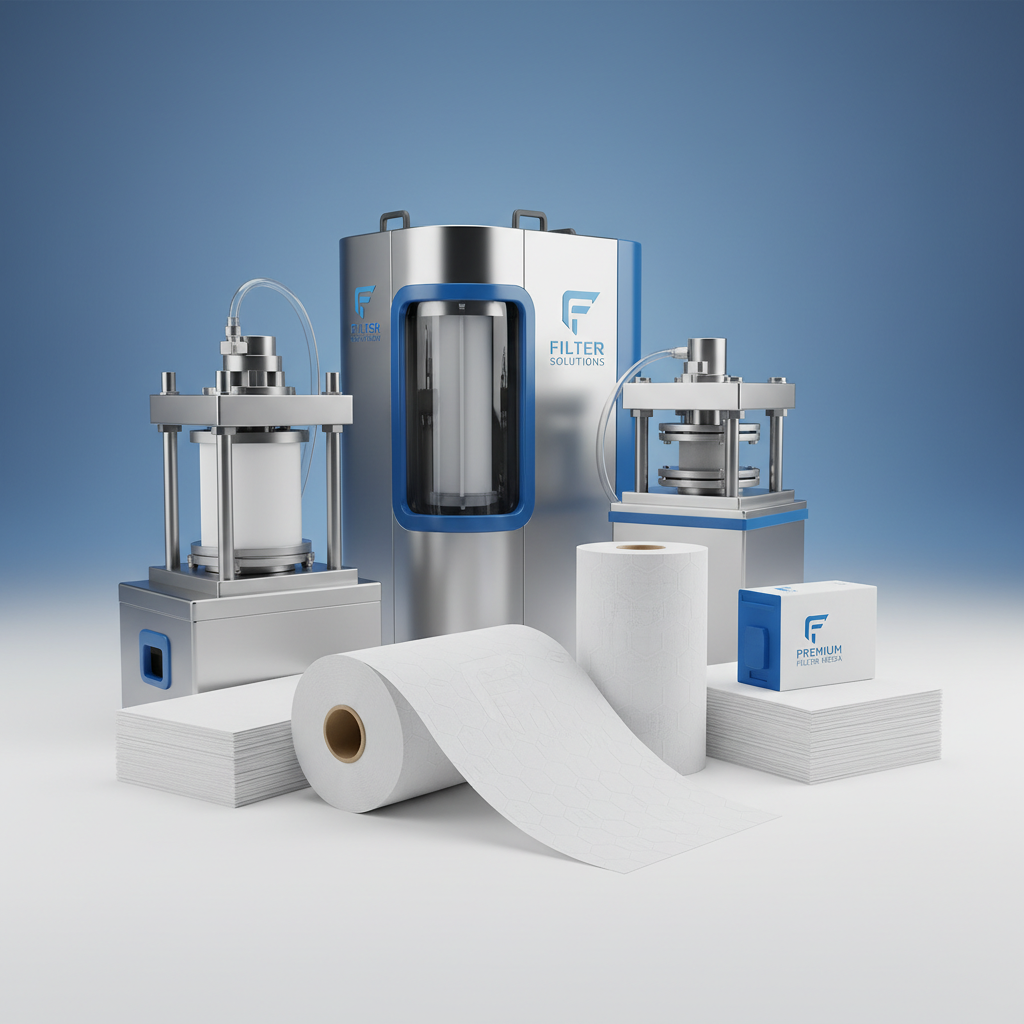
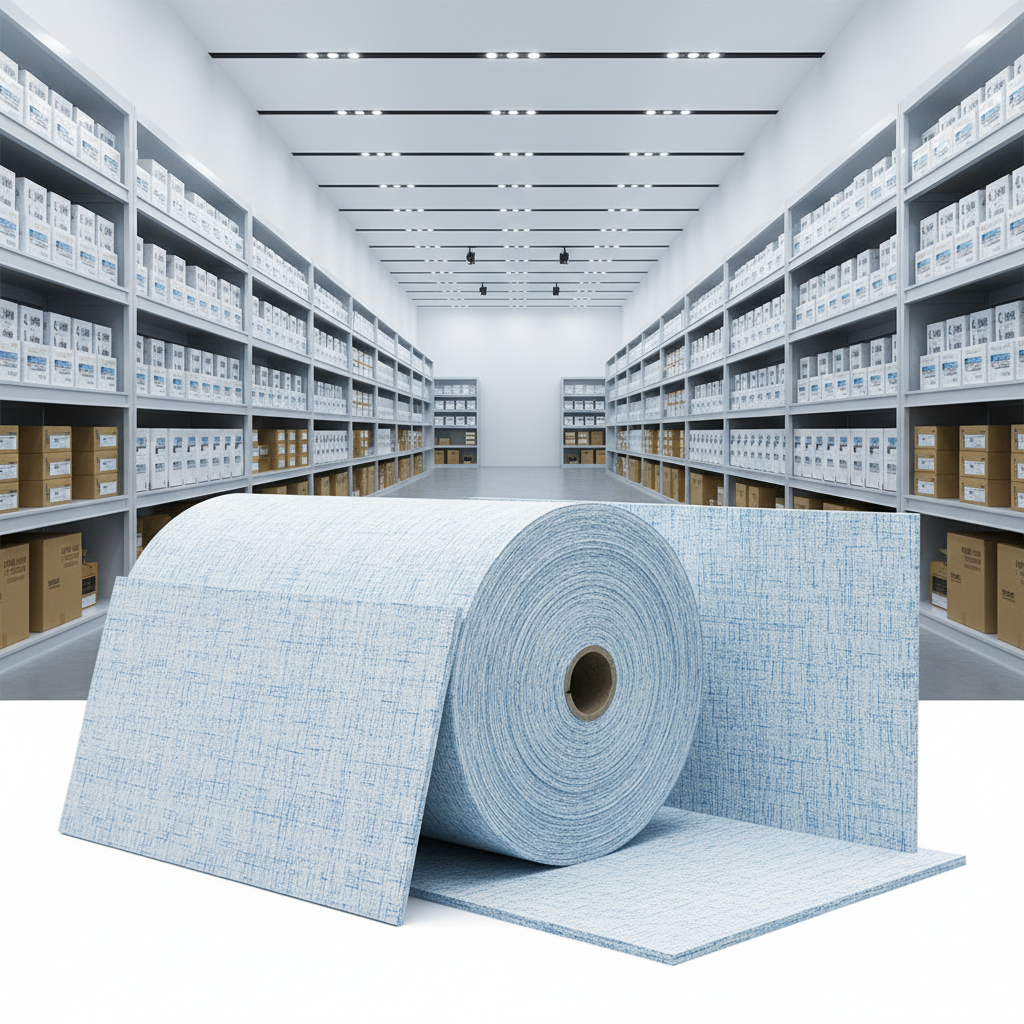
Air purifier paper, in its broadest sense, refers to any fibrous material designed to remove particulate matter from a gas stream, typically air. It is the core component of air filters used in a vast array of applications, ranging from household air purifiers and HVAC systems to industrial ventilation and medical equipment. This "paper" isn't always paper in the traditional sense; it can encompass woven, non-woven, and composite materials.
The connection to modern industry is undeniable. Many manufacturing processes require pristine air environments to prevent contamination of products. The semiconductor industry, pharmaceutical production, and food processing are particularly sensitive to airborne particles. Air purifier paper acts as a critical barrier, ensuring product quality and regulatory compliance.
Its relevance extends to humanitarian needs as well. In disaster relief situations, air purification systems utilizing quality air purifier paper can provide clean air to affected populations, mitigating the risk of respiratory infections and other health problems. Clean air is a fundamental necessity, often overlooked in emergency response efforts.
Key Characteristics of Effective Air Purifier Paper
Several key factors determine the effectiveness of air purifier paper. First and foremost is its filtration efficiency, measured by its ability to capture particles of different sizes. This is often quantified using MERV (Minimum Efficiency Reporting Value) ratings, with higher MERV ratings indicating greater filtration capacity. However, filtration efficiency must be balanced against airflow resistance.
Another crucial characteristic is durability. Air purifier paper must be able to withstand prolonged exposure to air flow and particulate loading without degrading or losing its filtration efficiency. Factors influencing durability include the material’s strength, resistance to moisture, and susceptibility to microbial growth. The lifespan of the filter directly impacts cost and maintenance.
Air Purifier Paper Performance Metrics
Applications Across Diverse Industries
The applications of air purifier paper are remarkably diverse. In healthcare facilities, HEPA filters – a type of high-efficiency air purifier paper – are crucial for maintaining sterile environments, preventing the spread of infections, and protecting vulnerable patients. These filters are used in operating rooms, isolation wards, and laboratory settings.
Industrial applications are equally significant. The electronics industry relies heavily on air purifier paper to remove dust and other contaminants that can damage sensitive components. Similarly, the automotive industry uses filters to ensure clean air intake for engines and cabin air purification for vehicle occupants. In remote industrial zones, dependable filtration is key to worker safety and productivity.
Advantages and Long-Term Value
The advantages of utilizing high-quality air purifier paper extend beyond simply removing particles from the air. The improved air quality leads to demonstrable health benefits, reducing the incidence of respiratory illnesses and improving overall well-being. This translates to lower healthcare costs and increased productivity.
From a sustainability perspective, investing in durable and efficient air purifier paper reduces waste and minimizes the need for frequent filter replacements. Furthermore, the development of bio-based and biodegradable filter materials offers a path toward a more circular economy and reduced environmental impact. The long-term value lies in safeguarding public health and environmental resources.
Future Innovations and Trends
The future of air purifier paper is likely to be shaped by several key trends. Nanomaterials and advanced polymer technologies are being explored to create filters with even higher efficiency and lower airflow resistance. These innovations promise to deliver superior air purification performance with reduced energy consumption.
The integration of smart sensors and data analytics is another emerging trend. "Smart" air filters can monitor air quality in real-time, predict filter lifespan, and automatically adjust filtration parameters to optimize performance. This data-driven approach allows for more proactive and efficient air purification management.
Increased emphasis on sustainability will drive demand for eco-friendly air purifier paper materials. Researchers are investigating the use of renewable resources, such as cellulose and agricultural waste, to create biodegradable and compostable filters. This aligns with the growing global focus on circular economy principles.
FAQS
MERV (Minimum Efficiency Reporting Value) rates how well a filter captures airborne particles. A MERV 8 filter captures larger particles like dust and pollen, suitable for basic filtration. A MERV 13 filter captures smaller particles like bacteria and some viruses, providing significantly improved air quality – ideal for allergy sufferers or those concerned about airborne illnesses. Higher MERV ratings generally mean more efficient filtration, but can also restrict airflow.
The frequency of air purifier paper replacement depends on several factors including usage, air quality, and filter type. A general guideline is to replace standard 1-inch filters every 1-3 months. Thicker, higher-efficiency filters (like MERV 13) may last 6-12 months. Regularly inspecting the filter for dirt and debris is the best way to determine when it needs replacing. A clogged filter reduces airflow and efficiency.
Electrostatic air purifier paper often offers superior filtration compared to traditional fiberglass filters. Electrostatic filters use an electrical charge to attract and capture smaller particles, increasing efficiency. While fiberglass filters primarily rely on physical interception, electrostatic filters provide a more comprehensive approach. However, electrostatic filters may have slightly higher airflow resistance.
HEPA (High-Efficiency Particulate Air) filters are a standard for highly efficient air filtration, capable of removing at least 99.97% of particles 0.3 microns in diameter. They are commonly used in hospitals, laboratories, cleanrooms, and high-end air purifiers where extremely clean air is critical. HEPA filters are manufactured using a specific type of air purifier paper and construction.
Air purifier paper with a MERV rating of 11 or higher can effectively capture many mold spores, helping to improve indoor air quality. However, filters alone won’t eliminate a mold problem. Addressing the source of moisture that’s causing the mold growth is crucial. Air filters can complement mold remediation efforts, but shouldn’t be relied upon as the sole solution.
Yes, research is ongoing to develop sustainable air purifier paper alternatives. Options include filters made from recycled materials, bio-based polymers derived from plant sources, and filters designed for easier recycling. These eco-friendly alternatives aim to reduce the environmental impact of air filtration while maintaining performance.
Conclusion
In conclusion, air purifier paper is a critical, often underestimated, component of modern life. From protecting public health to enabling advanced industrial processes, its impact is far-reaching. Understanding the core characteristics of effective air purifier paper, the diverse applications, and the emerging trends is essential for making informed decisions and ensuring optimal air quality. Continuous innovation in materials science and filtration technology promises even more efficient and sustainable solutions in the future.
Looking ahead, a continued focus on research and development, coupled with increased awareness of the importance of clean air, will drive further advancements in air purifier paper technology. Investing in high-quality filtration systems is an investment in a healthier, more sustainable future. Visit our website at www.anyafiltermedia.com to learn more about our range of air purification solutions.