Understanding the Filter Paper Roll: A Critical Component for Industry and Environment
When you think of something as straightforward as a filter paper roll, it might not immediately ring bells of global significance. Yet, these unsung heroes quietly shape industries, keep our water clean, and support crucial humanitarian efforts worldwide. Frankly, grasping the ins and outs of filter paper rolls isn’t just for lab technicians or manufacturing pros — it has real implications for sustainability, health, and cutting-edge manufacturing practices.
Why the World Needs Filter Paper Rolls
Globally, industries rely on filtering technology to ensure purity, product quality, and environmental compliance. According to the United Nations Environment Programme (UNEP), water purification and air filtration are two of the largest sectors pushing demand for high-quality filtration media. Filter paper rolls, crafted from cellulose and specialty fibers, play a pivotal role here — think industrial effluent control, pharmaceutical quality checks, food processing, and even disaster relief water treatment.
For instance, ISO standards like ISO 7702 provide clear guidelines for the use and quality of filter media, underscoring the need for precision materials. The challenge? Balancing cost, durability, and environmental impact. That’s where advancements in filter paper rolls come in.
What Exactly Is a Filter Paper Roll?
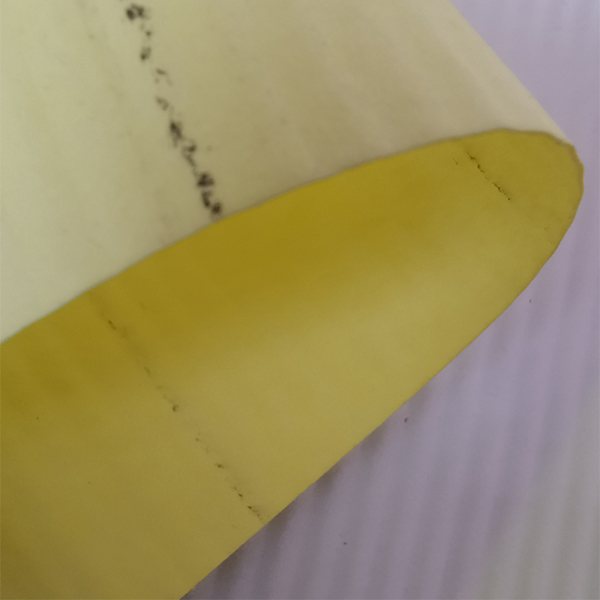
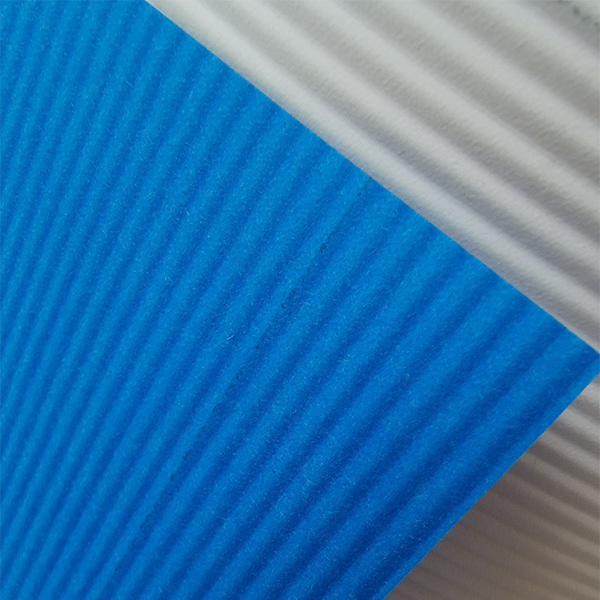
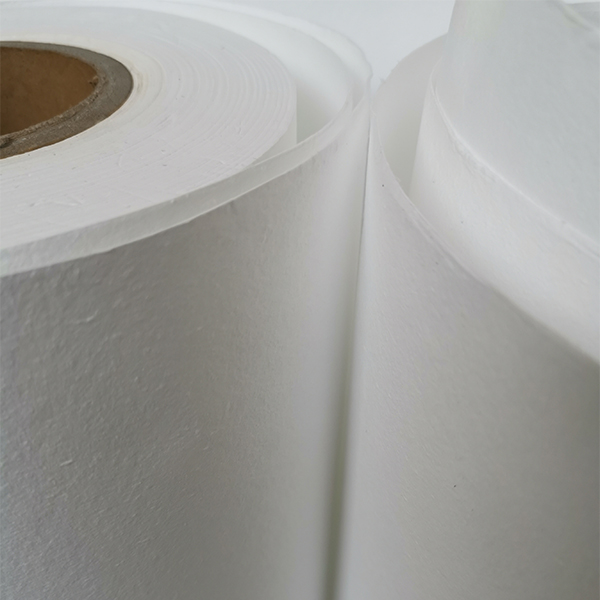
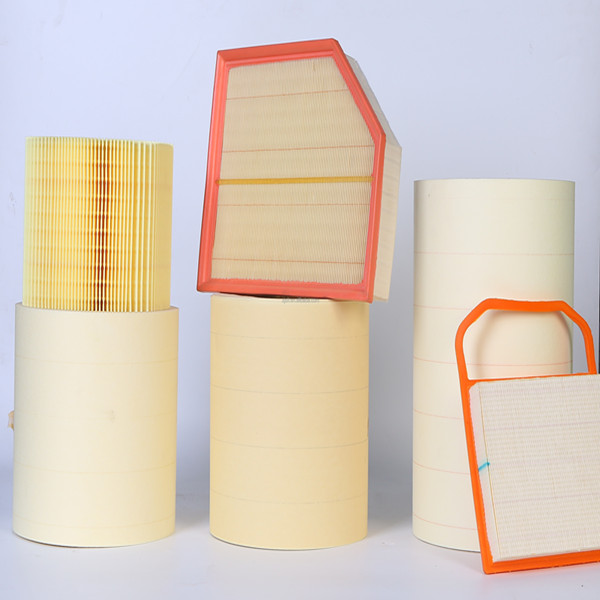
Simply put, a filter paper roll is a long sheet of specially prepared paper used to trap particles suspended in liquids or gases. Unlike rigid filters, the roll format allows users to cut pieces to size, making it incredibly versatile. Oddly enough, the material is deceptively simple — a carefully engineered cellulose matrix designed to catch particles ranging from visible debris to microscopic contaminants.
In industries, these rolls enable batch filtration, quality control sampling, or continuous filtration in manufacturing lines. On a humanitarian level, they’re often embedded in portable filtration devices used in remote or disaster-stricken areas, ensuring safe drinking water where infrastructure is compromised.
Key Features of Filter Paper Rolls
1. Filtration Efficiency
This tells how well the filter paper captures particles, typically measured in microns. Quality rolls balance high efficiency with low flow resistance — basically filtering well without clogging too fast.
2. Durability and Wet Strength
Since filter paper interacts with wet media, robustness under moist conditions is crucial. Many filter papers are reinforced or treated to maintain structural integrity during extended use.
3. Chemical Compatibility
This relates to how well the paper withstands exposure to acids, alkalis, or solvents. Specialized filter paper rolls can endure harsh chemicals, a must-have for pharmaceutical or industrial applications.
4. Cost Efficiency
Buying in rolls rather than sheets typically lowers cost per unit and adds convenience, especially in high-volume operations.
5. Environmental Sustainability
With cellulose sourced from sustainable plantations and innovations in biodegradable treatments, modern filter paper rolls are increasingly eco-friendly.
Mini Takeaway:
- Filter paper rolls combine efficiency, strength, and adaptability — essential for industries from water treatment to pharmaceuticals.
- Choosing the right type involves assessing filtration precision, wet strength, and chemical durability.
Global Applications of Filter Paper Rolls
Look worldwide, and it’s striking how filter paper rolls crop up in diverse sectors:
- Pharmaceuticals: Critical for sterile filtration during drug production and lab testing.
- Water Treatment: Used by NGOs for emergency water purification in post-disaster zones — like after the 2015 Nepal earthquake relief efforts.
- Food & Beverage: Ensuring product safety by filtering out impurities in juices, beer, and dairy products.
- Environmental Monitoring: Capturing airborne particulates for pollution studies in urban zones such as Los Angeles or Beijing.
Interestingly, companies in industries ranging from cosmetics manufacturing in Southeast Asia to mining operations in South America also rely on these rolls for process control. The widespread use underscores their practicality and consistent performance.
Advantages & Long-Term Value
The benefits of filter paper rolls extend well beyond the initial cost. Here’s what many engineers and technicians note:
- Reliability: Consistent filtration reduces contamination risk, vital for product safety and regulatory compliance.
- Cost Savings: Bulk rolls reduce packaging waste and allow custom-sizing, minimizing material waste.
- Sustainability: Improved biodegradability helps organizations reduce their ecological footprint.
- Social Impact: Especially in humanitarian efforts, reliable filtration directly supports health and dignity.
- Innovation: Manufacturers are innovating with antimicrobial and high-temperature resistant papers, expanding possibilities.
Filter Paper Rolls Specifications
| Property | Typical Range | Application |
|---|---|---|
| Particle Retention | 0.5–25 μm | Water, air, and pharmaceutical filtration |
| Thickness | 60–200 μm | Depends on filtration difficulty |
| Wet Strength | High (acid or resin treated) | Long-duration wet filtration tasks |
| Roll Length | 10–50 m | Varies by usage volume |
| pH Range | 3–10 (standard); extended for specialty grades | Chemical compatibility |
Vendor Comparison: Leading Filter Paper Roll Suppliers
| Supplier | Roll Sizes (m) | Special Features | Lead Time | Sustainability Certifications |
|---|---|---|---|---|
| AnyFilter Media | 10/25/50 | Biodegradable, customizable particle retention | 2 weeks | FSC, ISO 14001 |
| PureFiltr Inc. | 15/30 | High wet-strength, acid resistant | 3 weeks | ISO 9001 |
| EcoFilt Solutions | 20/50 | Compostable, soy-based resin treatment | 4 weeks | Compost Certification, FSC |
Looking Ahead: Future Trends in Filter Paper Rolls
The future here looks pretty proactive. Industry insiders highlight several exciting trends:
- Nanofiber Integration: Combining nanoscale fibers to boost particle capture without sacrificing flow rate.
- Biodegradable Enhancements: Using plant-based binders and coatings to push paper biodegradability beyond conventional limits.
- Smart Filters: Embedding sensors for real-time clogging or contamination alerts.
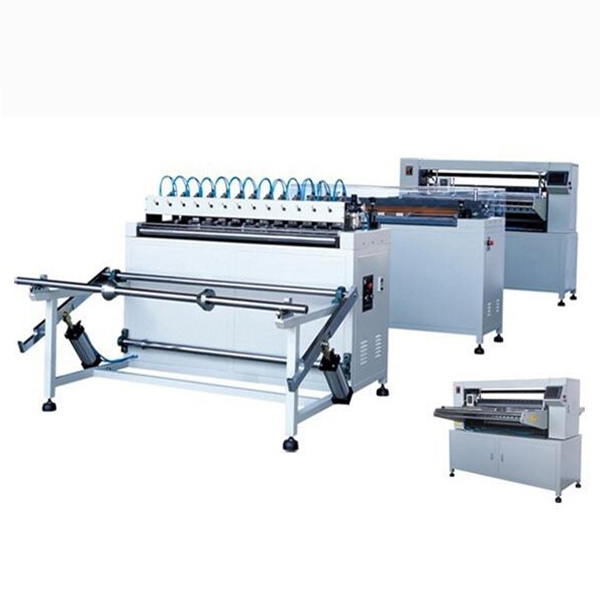
- Automated Production: Digital printing and cutting on rolls, slashing waste and enabling rapid customization.
Such innovations promise to make filter paper rolls not just better, but smarter — responding dynamically to challenges in industries and disaster zones alike.
Facing Challenges & Practical Solutions
It’s not all smooth sailing, of course. Challenges include:
- Clogging: Fine particulates can block filters quickly, demanding frequent changes or cleaning.
- Material Limitations: Some chemical processes require more resistant media than traditional cellulose offers.
- Environmental Concerns: Balancing durability with biodegradability remains an ongoing puzzle.
Addressing these involves multi-layer filter papers, resin or polymer coatings, and in some cases moving towards synthetic blends. Collaborations between material scientists and manufacturers increasingly bring novel composites to market, improving longevity and environmental profile simultaneously.
Frequently Asked Questions About Filter Paper Rolls
- What sizes do filter paper rolls usually come in?
- Typically, rolls are available in lengths between 10 to 50 meters and widths from 20 to 50 cm. This versatility allows users to customize piece sizes for diverse filtration tasks.
- Are all filter paper rolls biodegradable?
- Most traditional filter papers are cellulose-based and biodegradable. However, some specialty treatments or coatings (for chemical resistance) can affect biodegradability. Always check product specs if environmental impact is a concern.
- Can filter paper rolls be used with all types of fluids?
- Standard rolls are designed for water and mild chemical filtrations. For aggressive chemicals or acidic/basic fluids, specialized chemically resistant grades are available but should be matched carefully to the application.
- How do I select the right filter paper roll for an industrial application?
- Look at particle retention requirements, wet strength, chemical compatibility, and volume needed. Consulting suppliers with experience in your industry can help optimize your choice.
- Where can I source quality filter paper rolls with sustainable credentials?
- Suppliers such as AnyFilter Media offer FSC-certified, biodegradable filter paper rolls with customizable specifications.
Conclusion: Reliable, Sustainable, and Essential
In real terms, the humble filter paper roll is more than just a roll of paper. It’s a bridge between precision science, operational efficiency, and global sustainability efforts. Whether it’s ensuring safe drinking water in a post-disaster camp or maintaining pharmaceutical purity, these rolls quietly enable so much.
If you want to explore options or learn more about how filter paper rolls can optimize your processes, I’d recommend visiting AnyFilter Media — they’re known for quality, customization, and sustainability.
Here’s to cleaner, safer filtration moving forward!
— A technical observer who’s seen filter paper rolls at work from field labs to big industry plants.
Quick Takeaway:
Filter paper rolls might seem simple, but their global importance and evolving technology make them a compelling piece of the puzzle in modern industry and humanitarian work.
Post time: Dec-02-2025