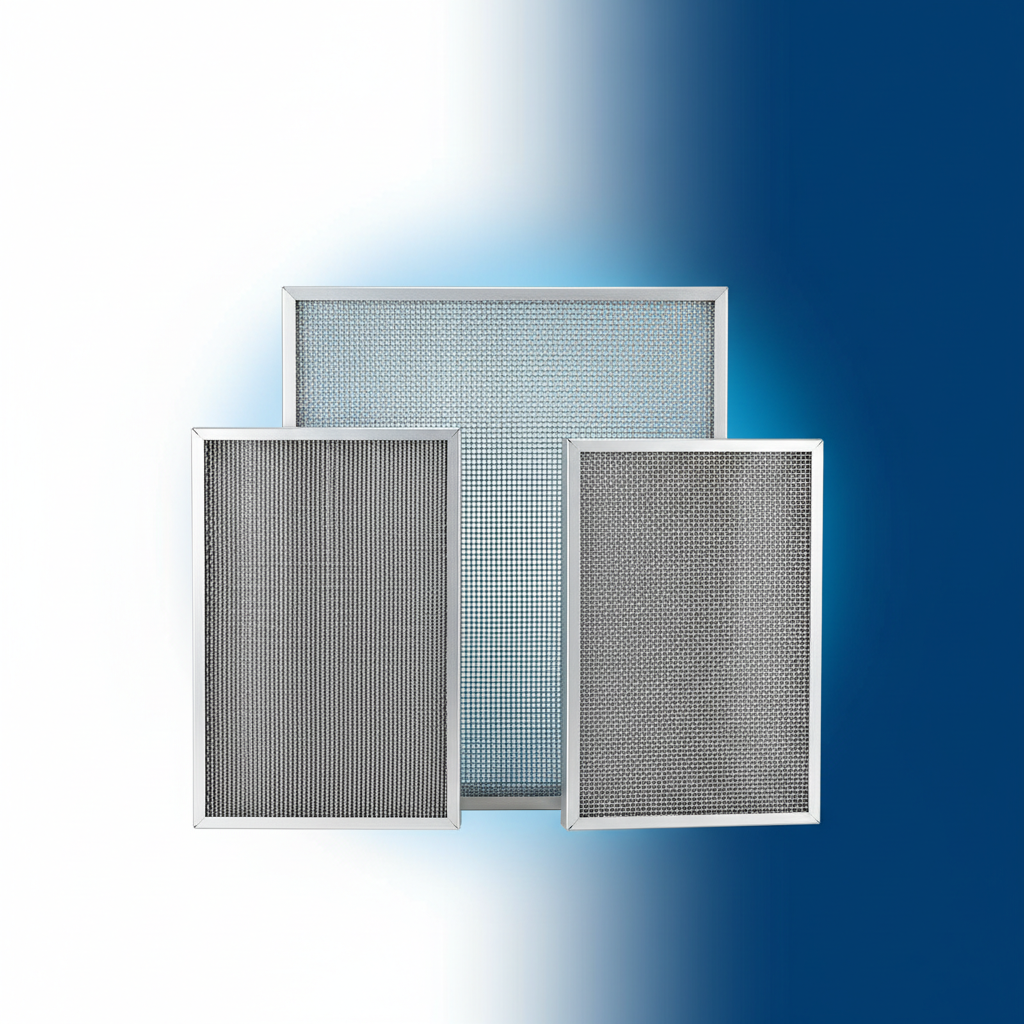
Understanding the Air Filter: What It Is and Why It Matters Globally
Air filters might seem like mundane pieces of hardware tucked away in HVAC units or manufacturing plants, but frankly, they are a cornerstone to healthier environments, industrial efficiency, and even humanitarian efforts around the world. At its core, an air filter is a device that removes contaminants such as dust, pollen, mold, and bacteria from the air. While that sounds straightforward, the implications ripple far beyond simple cleanliness. Air pollution is a leading cause of respiratory diseases globally, with the World Health Organization estimating some 7 million deaths annually linked to air quality issues. Effective filtration systems reduce this toll and help industries meet stricter environmental regulations, proving their global relevance and critical value.
Mini takeaway: Grasping what air filters do and why they are essential helps us appreciate their impact on health, environment, and productivity worldwide.
Global Context: The Urgency Behind Clean Air
Worldwide, urbanization and industrial growth have worsened air quality, especially in emerging economies. According to the United Nations Environment Programme (UNEP), more than 90% of the world’s population breathes polluted air that doesn’t meet international standards. This crisis isn’t limited to cities either; factories and construction projects release pollutants that require advanced air filtering solutions. In real terms, without proper air filtration, industries risk not only regulatory penalties but also worker health hazards and decreased productivity.
The challenge is whether air filters can keep pace with growing demand, increasingly harsh pollutants, and the push for sustainability. This is why innovations and new materials in air filtration technology are so important.
Mini takeaway: Air filters address a critical global challenge: polluted air damaging health, economies, and the environment, demanding ongoing innovation and adoption.
Defining the Air Filter
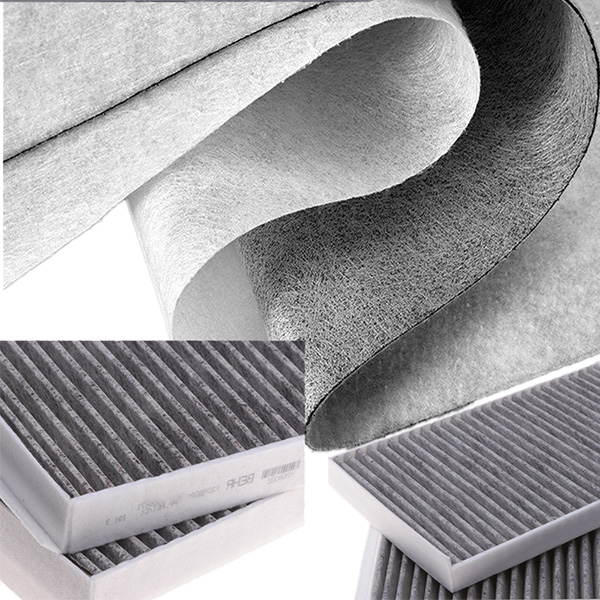
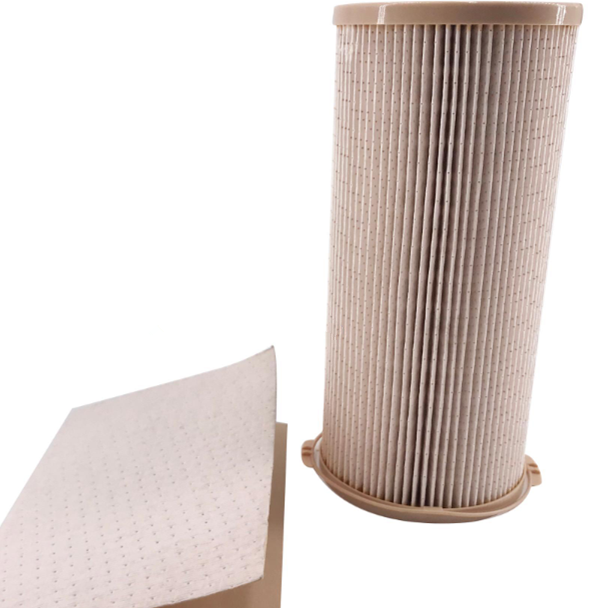
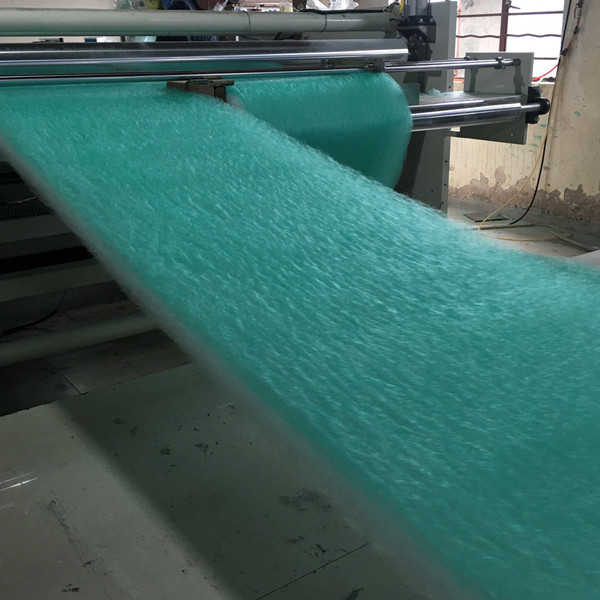
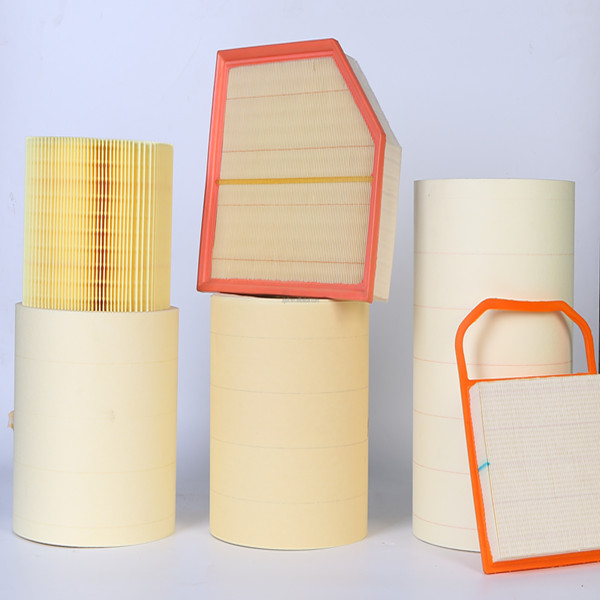
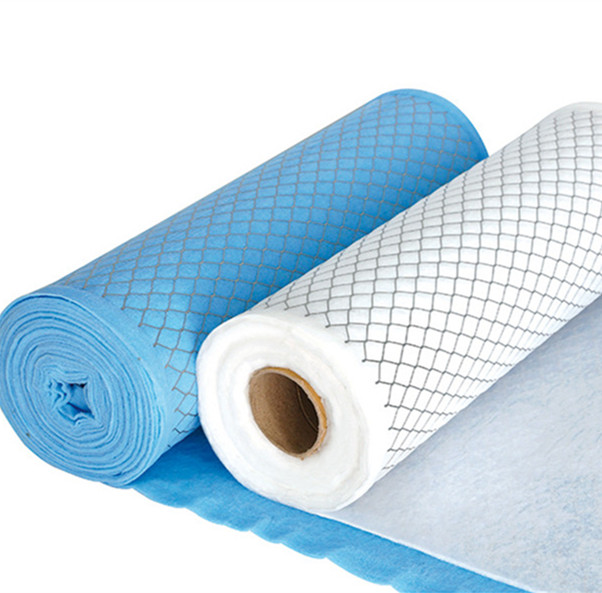
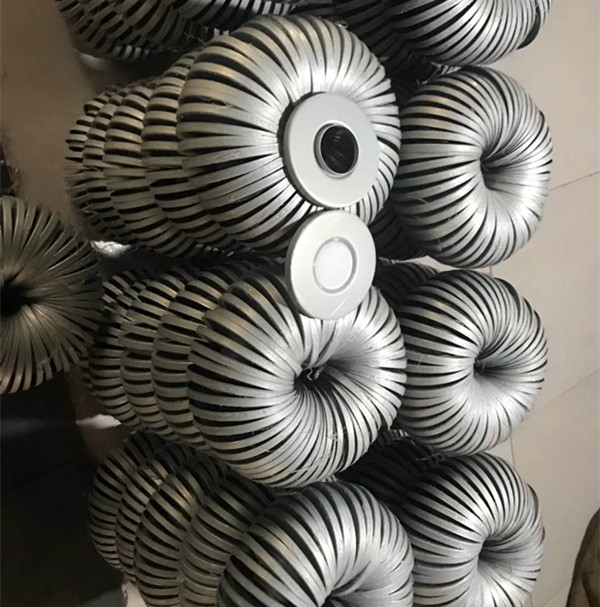
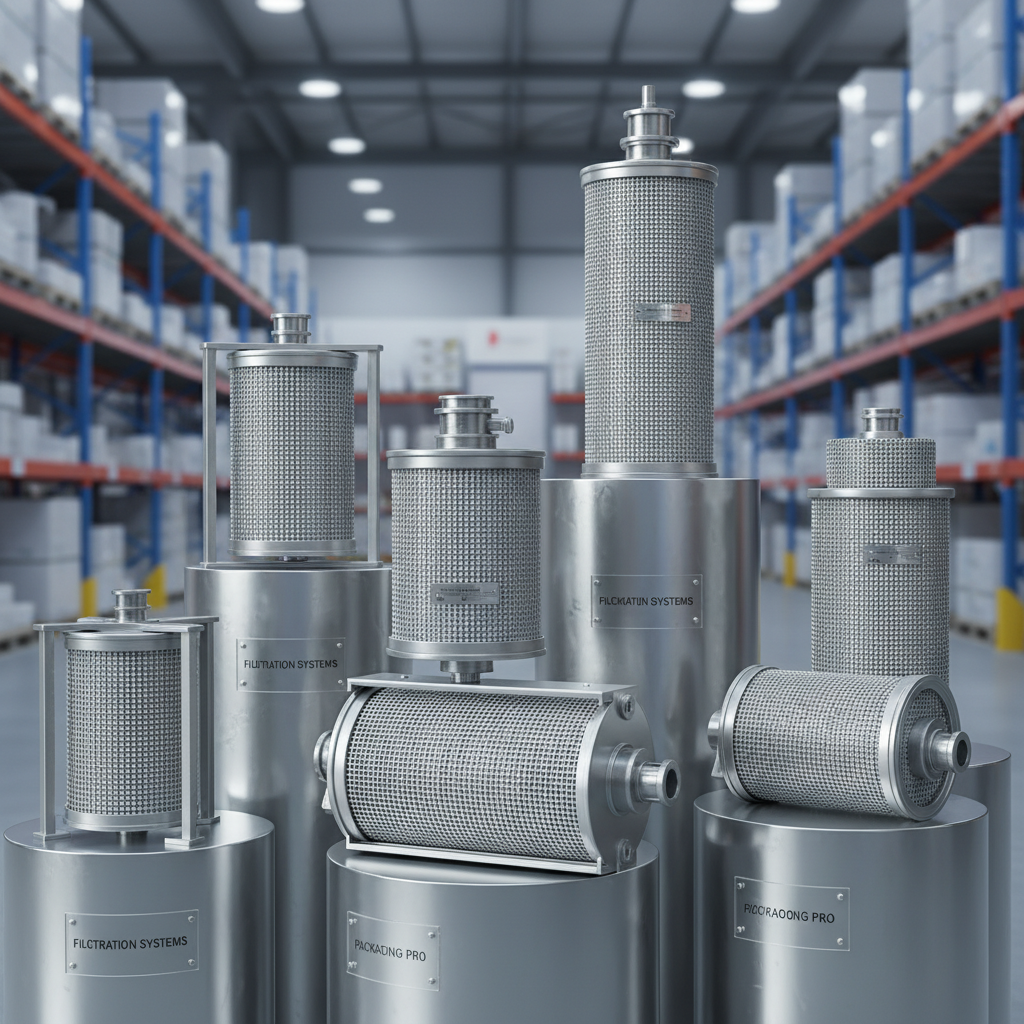
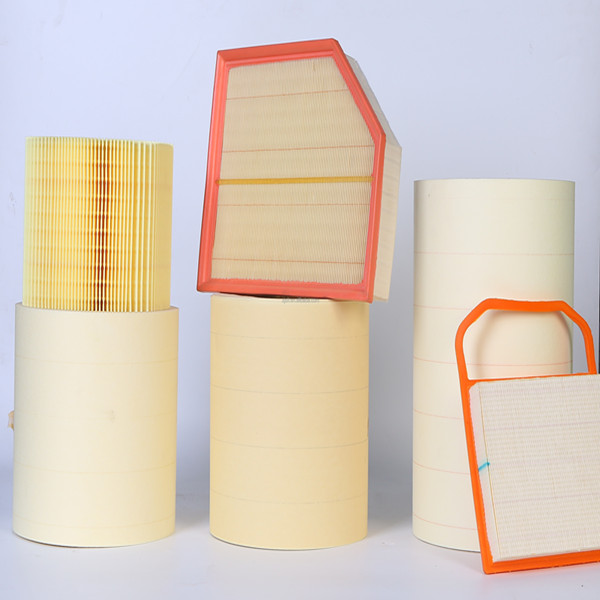
Simply put, an air filter is a physical barrier or medium that traps airborne particles and harmful contaminants. It can be made of fibers, mesh, or porous materials designed to capture dust, bacteria, or even microscopic pollutants, depending on the application. In industries like pharmaceuticals, aerospace, or food production, air filters maintain sterile environments, which is critical for product quality and safety. Humanitarian needs, such as refugee camps or disaster zones, increasingly rely on portable air filters to ensure breathable air, which underscores the device’s wider social value beyond manufacturing or home air conditioning.
Mini takeaway: Air filters are versatile devices designed to protect human health and product integrity by removing harmful airborne substances.
Core Components and Key Factors in Air Filter Performance
1. Filtration Efficiency
This is the filter’s ability to trap particles of various sizes, often expressed as a percentage. For example, HEPA (High-Efficiency Particulate Air) filters capture 99.97% of particles ≥0.3 microns. The better the efficiency, the cleaner the air, but sometimes at the cost of airflow resistance.
2. Durability and Maintenance
Filters differ greatly in how long they last and how easy they are to replace or clean. In industrial or humanitarian settings, durability means lower operating costs and less downtime.
3. Cost Efficiency
Initial purchase cost is only part of the picture. Energy consumption due to airflow resistance and the frequency of filter changes contribute to overall expense.
4. Scalability and Adaptability
Filters must fit diverse systems, from small residential units to massive industrial installations or portable units for emergency relief—flexibility matters.
5. Environmental Sustainability
Materials used, the ability to recycle or safely dispose of filters, and energy consumption of filtration systems are increasingly scrutinized in modern design.
| Specification | Model X200 | Model HEPA Ultra |
|---|---|---|
| Filtration Efficiency | 95% @ 0.5 microns | 99.97% @ 0.3 microns |
| Lifespan | 6 months | 12 months |
| Airflow Resistance | Low | Medium |
| Material | Synthetic fibers | Glass microfiber |
Mini takeaway: Effective air filters balance performance, durability, cost, adaptability, and environmental factors to best suit their application.
Global Applications & Use Cases
- Healthcare facilities: Hospitals use HEPA filters extensively to maintain sterile operating rooms and prevent airborne infections.
- Industrial plants: Manufacturing entities—auto, electronics, food processing—rely on customized air filters to protect workers and products.
- Residential and commercial buildings: HVAC systems incorporate filters to improve indoor air quality amidst increasing urban pollution.
- Humanitarian relief: Portable air filters provide clean air in refugee camps and post-disaster zones, a life-saving intervention where air quality is compromised.
- Remote industrial zones: Mining and energy sectors deploy heavy-duty filters in environments with dust, toxic gases, and particulates.
Mini takeaway: Air filters serve a diverse array of regions and sectors, often tailoring technology to meet specific challenges.
Advantages & Long-term Value of Good Air Filters
Investing in quality air filters pays off in surprising ways. Tangibly, they reduce maintenance costs by protecting machinery and HVAC components from dust buildup. For people, they cut down respiratory illnesses and contribute to workplace safety — essential from both ethical and productivity perspectives. There’s an emotional dimension too: clean air fosters a sense of well-being and dignity, crucial in disaster relief or densely populated urban centers. Plus, as regulatory environments tighten globally (think ISO standards and local pollution laws), reliable air filtration becomes not just best practice but a business imperative.
Future Trends and Innovations
Looking ahead, air filters are becoming smarter and greener. Researchers experiment with nanomaterials that trap particles more effectively while using less energy. Digital sensors paired with IoT allow real-time monitoring of filter performance and air quality—a leap towards automation and predictive maintenance. Governments and companies alike are pushing for more sustainable materials that can be recycled or biodegrade efficiently. Oddly enough, these innovations aren’t just about tackling pollution but also adapting filters for new airborne threats in post-pandemic realities.
Challenges & Solutions in Air Filter Technologies
Despite all the advances, some problems persist. For one, high-efficiency filters often mean higher airflow resistance, leading to more energy use—a tricky tradeoff. Also, disposal of used filters can create environmental hazards if not managed properly. But experts advocate for a lifecycle approach: designing filters that balance filtration efficacy with minimal energy penalties and developing take-back or recycling programs. Modular filter designs also ease maintenance and adaptation across industries.
| Vendor | Product Range | Sustainability Focus | Global Presence |
|---|---|---|---|
| CleanAir Technologies | Residential to Industrial Filters | High – biodegradable materials | Americas, Europe, Asia |
| PureFlow Systems | Specialized HEPA & ULPA | Medium – energy efficient focus | North America, Europe |
| GlobalGreen Filters | Modular & IoT-enabled filters | Very High – IoT and recycling | Worldwide |
FAQ: Frequently Asked Questions About Air Filters
- How often should I change air filters in industrial systems?
- Typically, air filters in industrial settings require replacement every 6 to 12 months, but this depends on pollution levels, filter type, and airflow. Regular inspections are crucial to prevent efficiency loss and maintain air quality.
- What is the difference between a HEPA and a standard air filter?
- HEPA filters are designed to trap at least 99.97% of particles down to 0.3 microns, much finer than standard filters. They are essential in medical, aerospace, and lab environments where air purity is critical.
- Can air filters help in reducing COVID-19 airborne transmission?
- While air filters alone can’t eliminate viral transmission risks, HEPA and ULPA filters can reduce airborne particles including viruses by capturing droplets. Combined with ventilation and masking, they enhance indoor safety.
- Are washable air filters effective compared to disposable ones?
- Washable filters often capture larger particles and need frequent cleaning. They are less efficient than disposable HEPA grade filters for trapping fine pollutants but can be a cost-effective option for low pollution environments.
- Can I recycle used air filters?
- Recycling depends on filter material and contamination level. Some manufacturers offer take-back programs. Due to trapped pollutants, many filters require special disposal protocols.
Conclusion & Call to Action
Ultimately, the humble air filter plays an outsized role in shaping safer, healthier, and more sustainable environments worldwide. By understanding their capabilities, applications, and future potential, industries and individuals alike can make smarter choices that protect both people and the planet. Curious to learn more or explore tailored filtration solutions? Visit our website: https://www.anyafiltermedia.com today.
A quick thought: It’s surprising how often we overlook the invisible work energy and care put into the air we breathe — but air filters quietly make that difference every day.
Post time: Dec-02-2025