What Is 5 Micron Filter Paper and Why It Matters Worldwide
Filter paper with a 5 micron rating might sound, well, a bit technical or niche at first. But it’s honestly one of those quietly powerful materials that play a huge role in industries from pharmaceuticals to environmental safety. This specific filter size means it can catch particles as tiny as 5 micrometers—which is about 0.005 millimeters, or roughly the size of a typical bacterium. Globally, understanding and using the right filter paper has a direct impact on water quality, air purity, and product safety, especially when regulatory standards (think ISO or EPA guidelines) demand microscopic precision.
In fact, clean water initiatives and pollution control programs depend heavily on effective filtration media. So yeah, 5 micron filter paper isn’t just an obscure industry term—it’s a frontline soldier in the battle for a cleaner, safer environment.
Mini takeaway: Knowing what 5 micron filter paper is and what it does can help you make smarter choices, whether you’re in manufacturing, environmental science, or even humanitarian relief.
The Global Context: Why 5 Micron Filter Paper Is In Demand
Globally, rapid industrialization and increased environmental awareness have driven the need for precise filtration methods. According to the International Organization for Standardization (ISO), controlling contaminants down to microscopic levels is essential for the quality of pharmaceuticals, potable water, and even food products.
Did you know? The UN Water reports that approximately 2.2 billion people worldwide lack access to safely managed drinking water, much of which relies on effective filtration technologies. The 5 micron filter paper is a middle ground—fine enough to remove harmful particles, but still efficient enough to allow treatment on a larger scale. Industries and humanitarian organizations encounter the challenge of balancing efficiency with cost and scalability, and this size filter paper often hits the sweet spot.
If pollutants or particles aren’t caught at this stage, it can lead to equipment breakdowns, contaminated products, or in worst cases, public health hazards.
Mini takeaway: The 5 micron filter paper is globally relevant because it addresses critical filtration challenges, underpinning key aspects of health, environment, and industry.
What Is 5 Micron Filter Paper? A Simple Definition
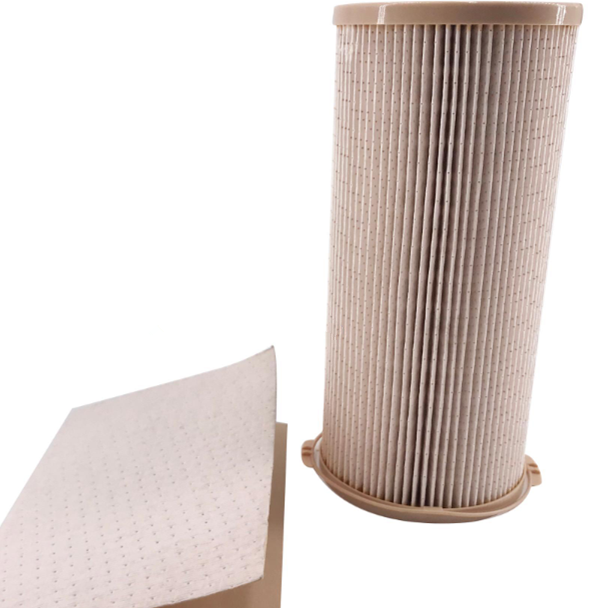
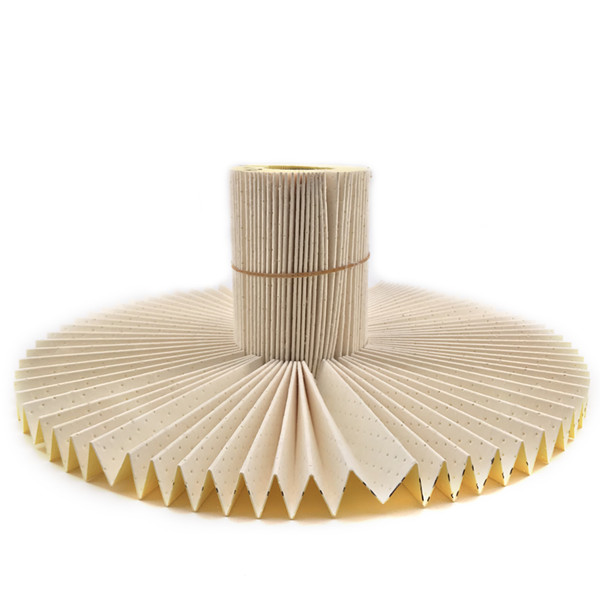
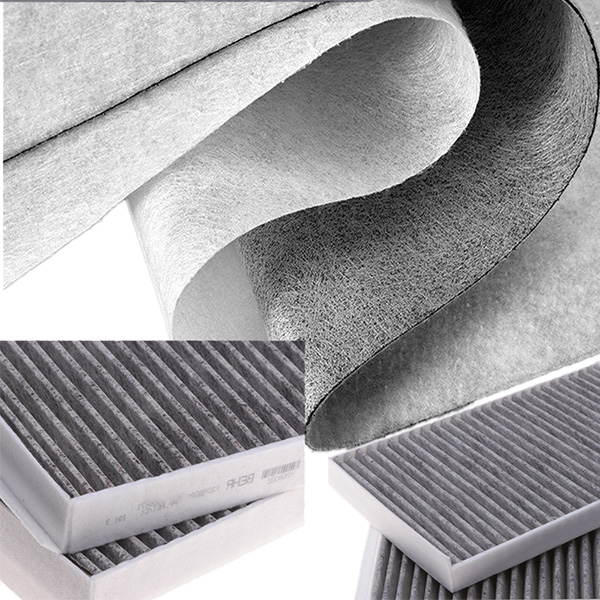
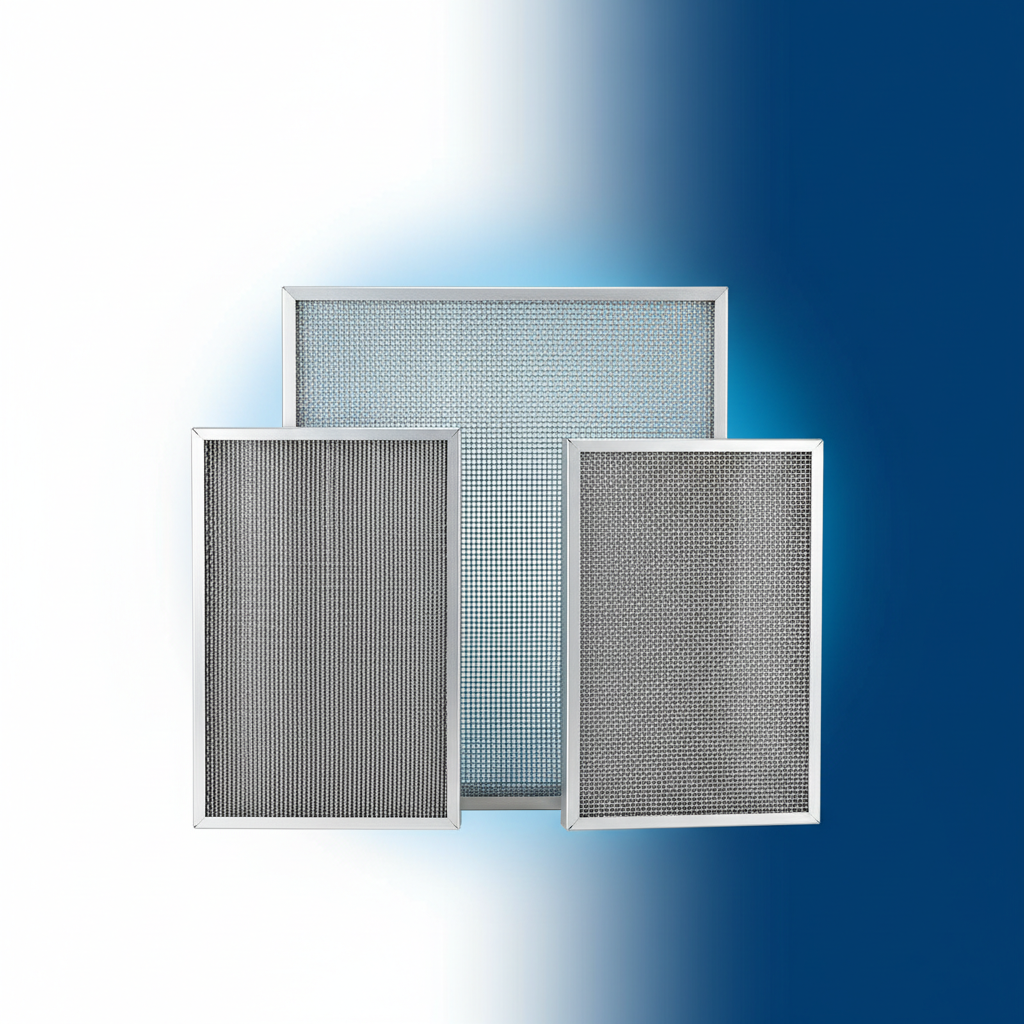
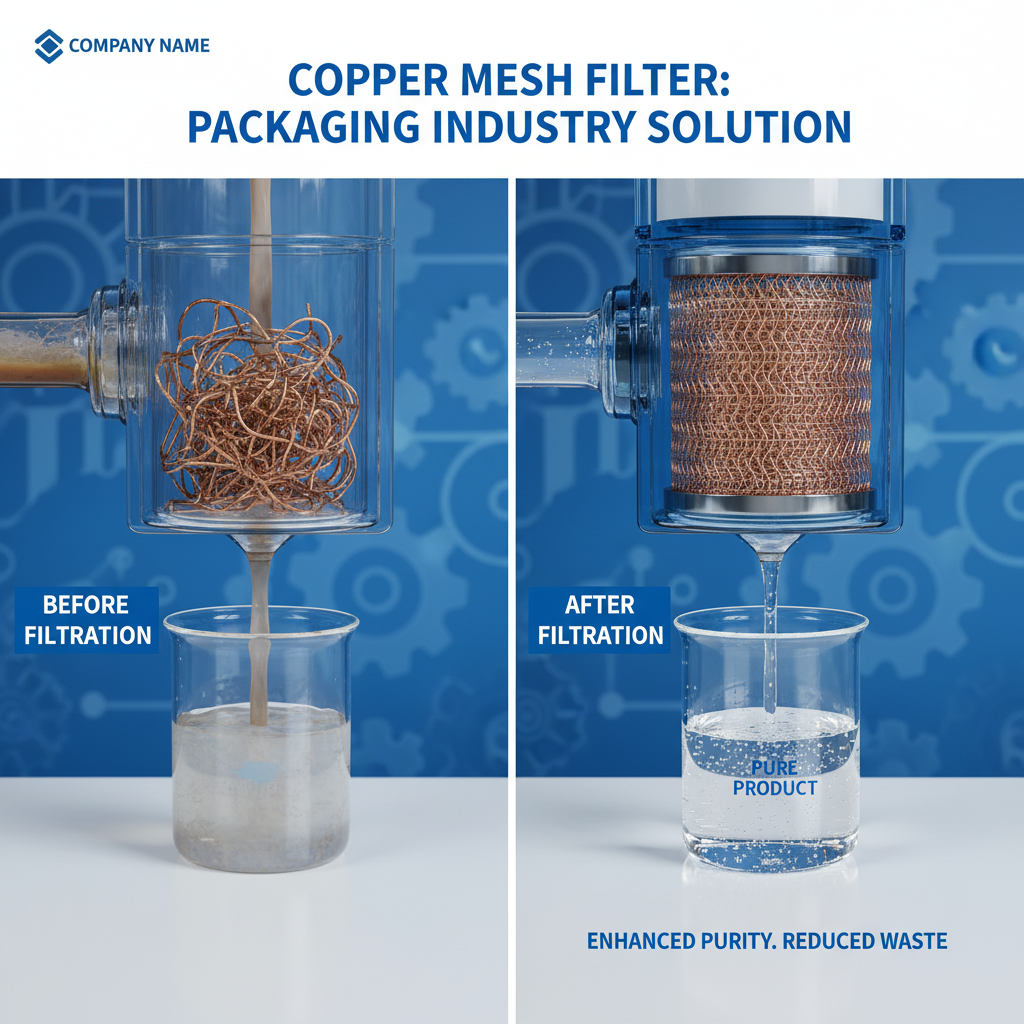
Put simply, 5 micron filter paper is a cellulose-based or synthetic paper-like material designed to trap particles 5 micrometers and larger. Think of it like a super-fine sieve. It’s manufactured to strict porosity standards, enabling it to filter out dirt, bacteria, or silt that would otherwise contaminate liquids or air being processed.
It’s not just about size, though. The paper’s fiber composition, thickness, and chemical treatment also affect how well it performs. In modern industry, this filter paper forms an indispensable component for laboratories, water filtration systems, food and beverage processing, and even emergency water purification kits.
Mini takeaway: The 5 micron filter paper is essentially a precise barrier, created for selectively removing tiny unwanted particles, promoting safety and quality wherever it’s used.
Key Features of 5 Micron Filter Paper
1. Porosity & Filtration Efficiency
The core feature is the micron rating, which directly correlates to pore size. At 5 microns, it captures relatively fine particles but still allows good flow rates. This balance is crucial in applications where filtration speed matters.
2. Durability & Wet Strength
Since many filtration tasks involve liquids, the paper needs to maintain integrity when wet. Specialized treatments can increase wet strength, preventing tears or disintegration during use.
3. Chemical Compatibility
From acidic solutions in labs to mildly alkaline water treatments, filter papers must resist chemical degradation to ensure consistent performance.
4. Cost Efficiency
In sectors like wastewater treatment or disaster relief, filtering thousands of liters economically is vital. This filter grade is affordable enough to be disposable after one or two uses, ensuring contamination doesn’t build up.
5. Scalability & Availability
The ease of sourcing quality 5 micron filter paper worldwide means it can be deployed in remote or resource-limited areas, which is essential for NGOs and emergency services.
Mini takeaway: Practical 5 micron filter paper balances precision, strength, and cost to meet diverse filtration demands effectively.
Specification Table: Typical Properties of 5 Micron Filter Paper
| Property | Specification |
|---|---|
| Pore Size | 5 Microns (±0.5) |
| Thickness | 70–90 µm |
| Wet Strength | Enhanced with resin treatment |
| Material | Cellulose fiber / synthetic blends |
| Chemical Resistance | Stable in pH 3 to 9 environments |
Where Is 5 Micron Filter Paper Used? Real-World Applications
Ever wonder where this stuff gets deployed? For starters, laboratories extensively rely on 5 micron filter paper to purify reagents or sample liquids. In fact, many pharmaceutical manufacturers specify filters of this grade to ensure their products meet stringent purity standards.
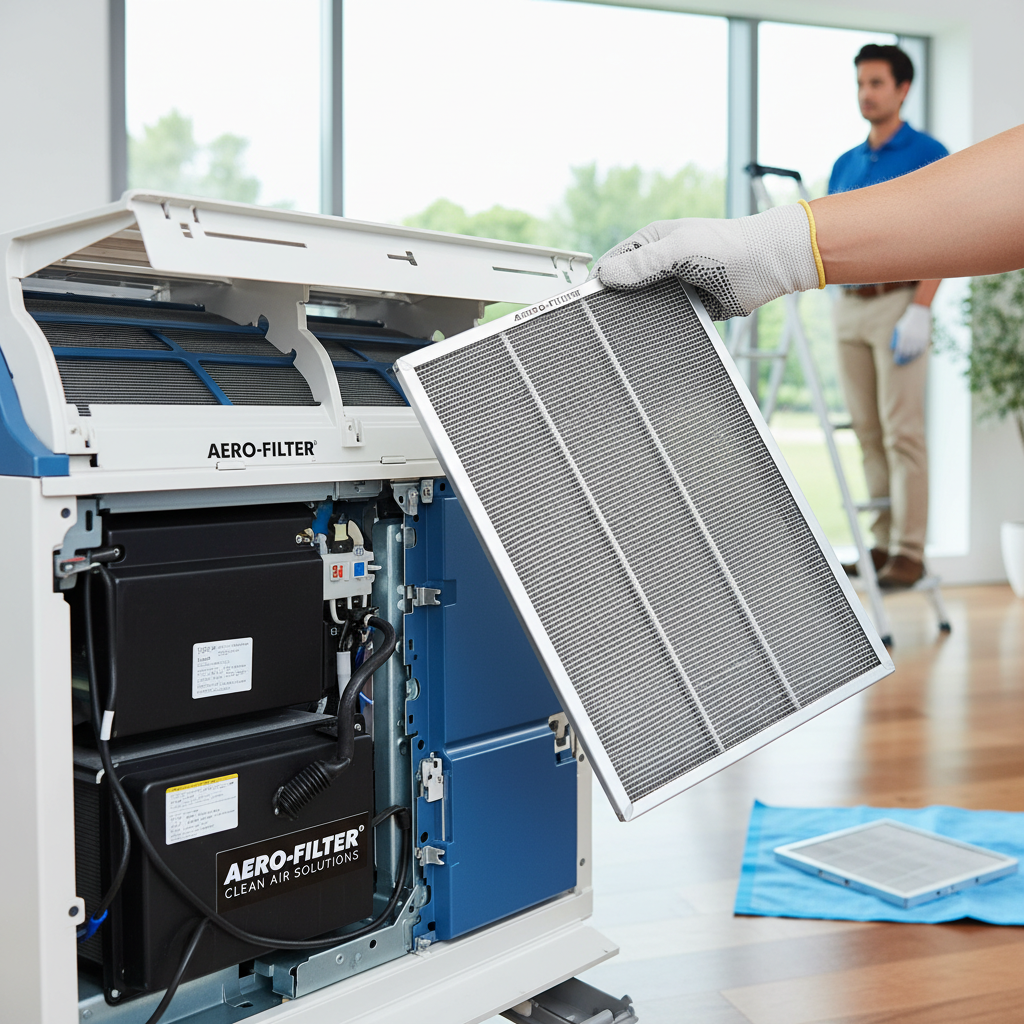
Water treatment plants use it as a pre-filter to remove suspended solids before deeper filtration stages. In developing regions, humanitarian groups incorporate these filters within portable water purification devices, recognizing their value in removing visible sediments and pathogens.
Oddly enough, it’s also part of quality control in the food and beverage sector—think filtering juices or brewing beer—to catch unwanted particulate matter that could affect taste or safety.
Regions with heavy industries, such as Southeast Asia or South America, rely on these filters to reduce harmful emissions and effluents. In disaster relief scenarios, rapid deployment water purification kits with 5 micron filter paper provide immediate access to cleaner water, supporting human dignity and health.
Mini takeaway: From remote villages to high-tech labs, 5 micron filter paper plays a quiet but critical role ensuring safety, quality, and protection around the world.
Vendor Comparison: The Leading 5 Micron Filter Papers in the Market
| Vendor | Material | Wet Strength | Typical Cost (per pack) | Special Features |
|---|---|---|---|---|
| Anya Filter Media | Cellulose + Synthetic Blend | High (Resin-treated) | $35 | Eco-friendly, biodegradable option |
| PureFilt Corp. | 100% Cellulose | Moderate | $30 | Standard industrial grade |
| EcoClear Solutions | Synthetic Fiber | Very High | $42 | Reusable, washable filter paper |
Advantages & Long-Term Benefits of 5 Micron Filter Paper
Using the proper 5 micron filter paper offers tangible benefits beyond the obvious particle removal. First, the cost efficiency is substantial—these papers allow remove large volumes of contaminants without expensive replacement filters or complicated equipment.
There’s a sustainability angle, too. Many modern products are biodegradable or recyclable, which helps reduce landfill waste and environmental impact. Corporations and NGOs alike appreciate the combination of reliable filtration and sustainable sourcing.
On a social level, consider the safety and dignity that clean water and air bring, especially in underserved communities. Frankly, clean water equals health, innovation, and trust. It’s difficult to overstate the peace of mind provided by a simple sheet that traps the unseen threats.
Mini takeaway: 5 micron filter paper isn’t just a product—it’s a practical investment in safety, sustainability, and social well-being.
Future Trends and Innovations Shaping 5 Micron Filter Paper
The filtration industry is evolving rapidly. Upcoming trends include coatings with antimicrobial properties, making filters self-sterilizing. Digital integration—think sensors embedded to indicate clogging or filter life—is another frontier.
Sustainability is pushing manufacturers to develop recycled fiber filters, reducing environmental footprint. Some are experimenting with nanofiber blends to improve both filtration precision and flow rate.
Policy-wise, tighter global regulations are expected to elevate quality standards, placing 5 micron filter paper at the heart of compliance for industries worldwide. This means more innovation but also more responsibility for producers and users.
Mini takeaway: Expect smarter, greener, and more efficient 5 micron filter papers within the next five to ten years.
Challenges and How Experts Overcome Them
Not everything is perfect: some of the challenges with 5 micron filter paper include clogging when filtering highly contaminated fluids, physical fragility when overly moist, and variations in manufacturing quality that affect consistency.
However, solutions like pre-filtration steps, resin strengthening, or hybrid synthetic blends help mitigate these downsides. Sometimes it’s about matching the filter paper with the specific job rather than forcing a “one size fits all.”
In real terms, consultation with suppliers and sometimes trial runs can save headaches later on. It's not glamorous, but it works.
FAQ: Common Questions About 5 Micron Filter Paper
- Q: Can 5 micron filter paper remove all bacteria from water?
A: While it captures many bacterial cells, some smaller microorganisms can pass through. For full sterilization, a combination with other filtration or treatment methods like UV is recommended. - Q: Is 5 micron filter paper reusable?
A: Most are designed as disposable filters to avoid contamination. However, certain synthetic filters may be washable and reusable but require special handling. - Q: How does 5 micron compare to 1 micron filter paper?
A: 1 micron filter paper removes smaller particles but tends to clog faster and reduces flow rates. 5 micron is often a practical balance for many applications. - Q: Are all 5 micron filter papers the same quality?
A: No, quality varies by raw materials, manufacturing processes, and chemical treatments. Always source from trusted vendors and check product specs.
Conclusion: Why 5 Micron Filter Paper Matters and What You Should Do Next
At the end of the day, 5 micron filter paper is a subtle yet indispensable technology that underpins health, safety, and quality across many industries worldwide. Its balance of filtration accuracy, durability, and cost-effectiveness makes it an obvious choice whether you’re tackling clean water challenges or ensuring industrial quality control.
If you’re interested in exploring high-quality 5 micron filter paper options for your needs, you might want to check out 5 micron filter paper available through Anya Filter Media. Their eco-friendly lines and technical expertise stand out in the marketplace.
Stay curious, and never underestimate the power of something that seems as simple as a sheet of paper.
A final takeaway: Filtration isn’t just a process, it’s a critical step in creating a safer, healthier planet.
References:
Post time: Dec-02-2025