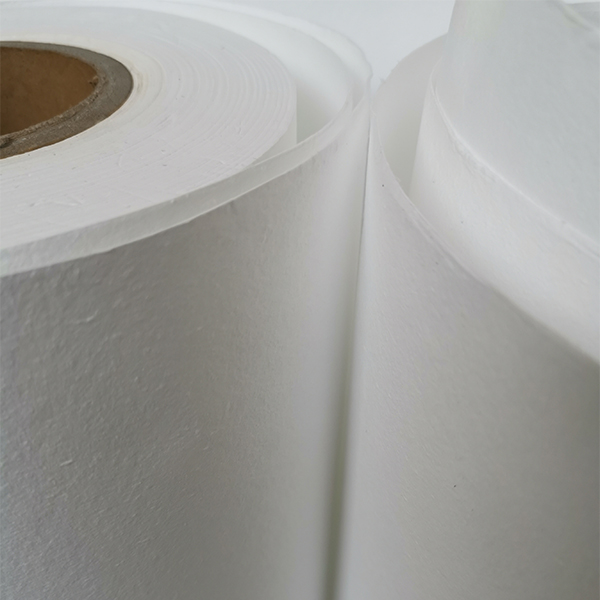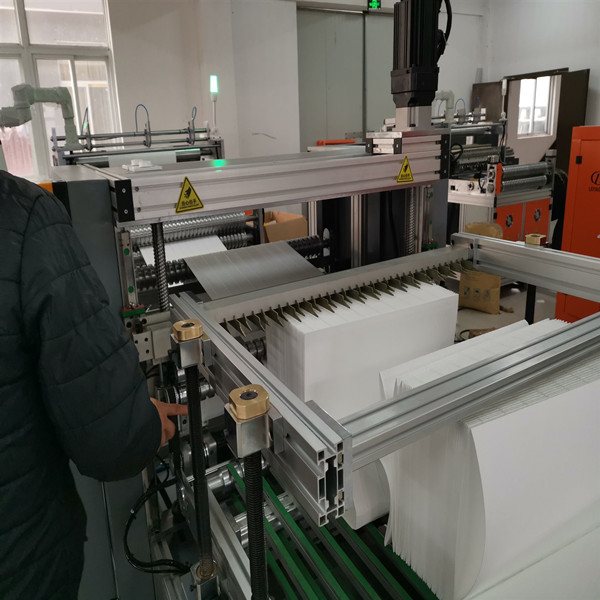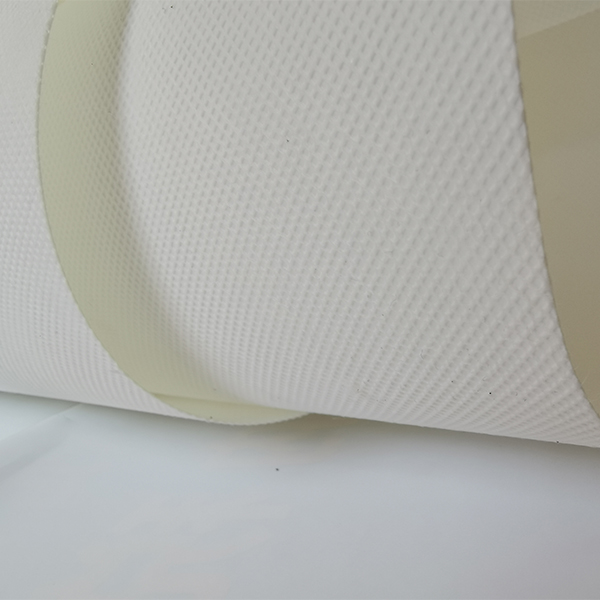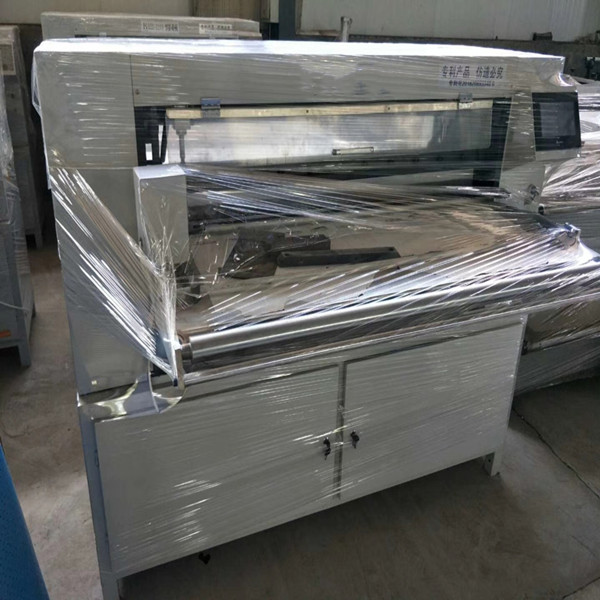
Fiberglass Filter Media is a key solution in the industry, specifically within air and liquid filtration sectors. This article explores how Anya Filter Media supports professionals with durable, high-performance products, and explains why this product is an ideal choice for businesses in these sectors.
Table of Contents
- Fiberglass Filter Media Overview
- Benefits & Use Cases of Fiberglass Filter Media
- Cost, Maintenance & User Experience
- Sustainability & Market Trends
Fiberglass Filter Media Overview
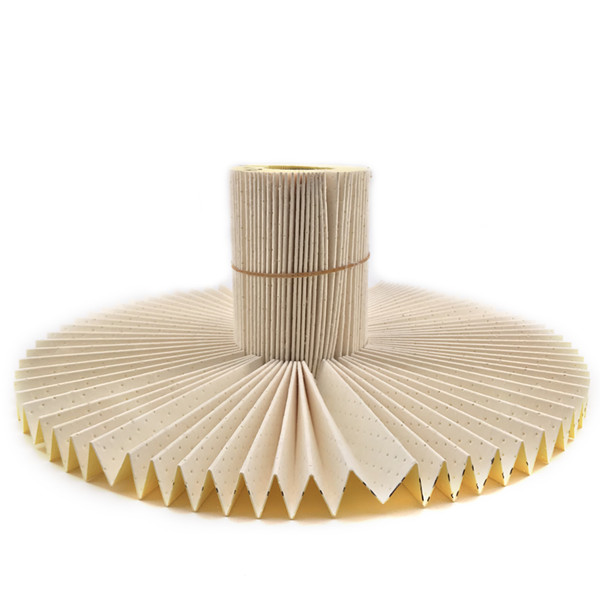
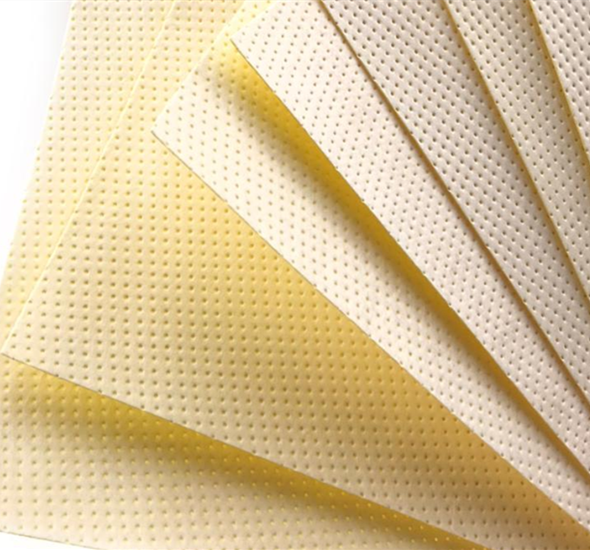
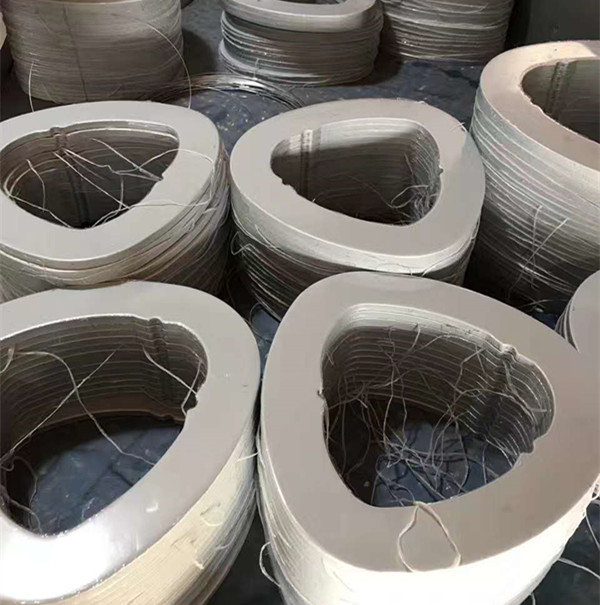
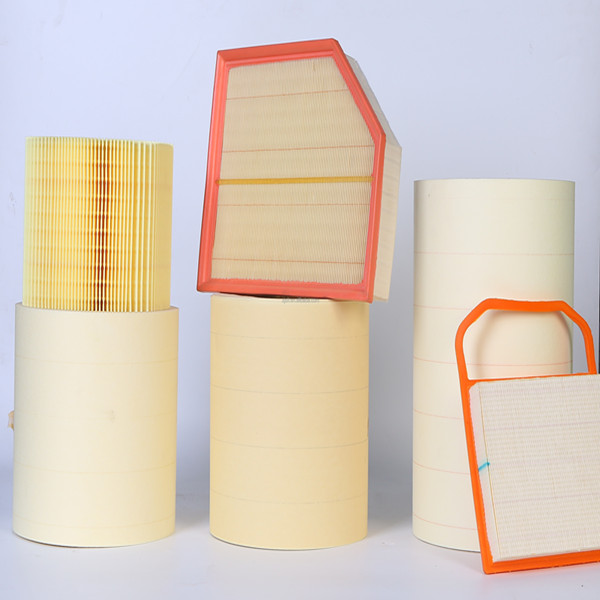
Fiberglass Filter Media is essentially the unsung hero in modern filtration systems, used extensively across industrial applications where efficiency and durability matter deeply. At its core, it consists of fine glass fibers woven or layered to create a material that captures particulates, dust, and even microscopic contaminants effectively. It’s not just another filter – the media’s structure offers a remarkable balance between airflow resistance and filtration efficiency.
- Fiberglass media’s unique fiber diameter and density significantly influence its performance, often ranging from 0.5 to 2 microns in diameter.
- Case studies reveal its effectiveness in HVAC systems to improve indoor air quality and reduce maintenance frequency compared to synthetic alternatives.
Benefits & Use Cases of Fiberglass Filter Media
Many industries rely on fiberglass filter media because it can handle a vast range of temperatures and chemical exposures without degradation — something you don’t always get with cheaper materials. Industrial air filtration, pharmaceutical cleanrooms, and even automotive manufacturing find it practically indispensable.
- Its resistance to moisture and chemical attack makes it perfect for heavy industrial environments.
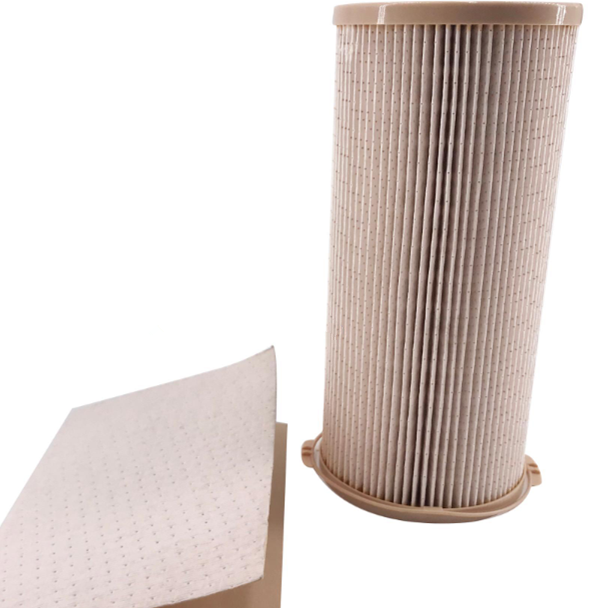
- Fiberglass sheets and pleated media are customizable, meaning companies can tailor filtration based on particle size or airflow demands.
| Specification | Typical Value |
|---|---|
| Fiber Diameter | 0.5 - 2.0 microns |
| Thickness | 2 - 5 mm |
| Operating Temp. | -40°C to +200°C |
| Airflow Resistance | Low (varies by density) |
| Filtration Efficiency | Up to 99.9% for sub-micron particles |
Cost, Maintenance & User Experience
Frankly, the upfront cost of fiberglass filter media might seem a bit higher than some synthetic options, but when you factor in its longevity and low maintenance needs, the total cost of ownership often favors fiberglass. Many engineers I’ve spoken to mention that switching to fiberglass resulted in fewer replacements and less downtime, which is gold in any manufacturing or facility management context.
- The material’s resilience under harsh conditions means it resists tearing and clogging better than alternatives.
- Customer feedback notes improved air quality and consistent performance over extended cycles, reducing unexpected costs.
| Vendor | Price (per unit) | Typical Lead Time | Technical Support |
|---|---|---|---|
| Anya Filter Media | $$$ | 1-2 weeks | Comprehensive, on-site visits |
| Vendor B | $$ | 3-4 weeks | Email support only |
| Vendor C | $$$ | 2-3 weeks | Phone and chat support |
Sustainability & Market Trends
Oddly enough, while fiberglass might seem like a synthetic oddball, its recyclability and durability actually align well with today’s push for more sustainable industrial practices. Regulatory bodies globally are tightening air quality and emissions standards, meaning industries must upgrade filtration technology — which often points them to high-grade fiberglass media. I suppose it’s a bit of a reassuring paradox: investing in stronger, longer-lasting filters today helps reduce waste long term.
- Growth in industrial sectors, especially automotive and pharmaceuticals, fuels demand for advanced filter media.
- Manufacturers are incorporating greener production methods for fiberglass fibers, reducing carbon footprint.
Frequently Asked Questions about Fiberglass Filter Media
- What is Fiberglass Filter Media and how does it work?
- Fiberglass Filter Media is made of fine glass fibers that capture dust, particulates, and contaminants as air or liquids pass through. The randomly arranged fibers create a maze that traps particles by mechanical and electrostatic means without seriously restricting flow.
- What are the main benefits of using Fiberglass Filter Media in industrial applications?
- The key advantages include exceptional durability, chemical resistance, and high filtration efficiency even under challenging environments. It also offers lower maintenance costs with longer service life compared to many synthetic alternatives.
- How does Fiberglass Filter Media compare to traditional alternatives?
- Fiberglass generally outperforms traditional synthetic filters regarding thermal stability and chemical resistance. While upfront costs can be slightly higher, the lifespan and filtration quality lead to overall better value in demanding settings.
- What industries can benefit most from Fiberglass Filter Media implementation?
- Industries such as HVAC, automotive manufacturing, pharmaceuticals, power generation, and chemical processing find fiberglass filter media particularly valuable — especially where fine particulate control and regulatory compliance are vital.
Conclusion on Fiberglass Filter Media from china
To wrap things up, fiberglass filter media remains a solid choice for B2B decision makers seeking reliable, high-efficiency filtration solutions. Its strength, flexibility, and growing acceptance across industries make it a smart investment—especially when sourced from experienced suppliers like Anya Filter Media.
- Recap: durable, efficient, cost-effective filtration solution
- For more details, visit https://www.anyafiltermedia.com
It’s fascinating how such simple fibers can offer a complex, indispensable role in industrial filtration. You know, it really feels like companies that switch to fiberglass media often wonder why they waited so long.
Post time: Dec-07-2025