Resin Paper Filter: A Tried and True Solution in Industrial Filtration
Having spent over a decade working in industrial equipment sourcing and maintenance, I’ve come across a lot of filtration options, but resin paper filters always seem to earn their keep. These filters sit quietly in the background, often overlooked, yet they’re critical to keeping equipment running smoothly—especially in challenging environments.
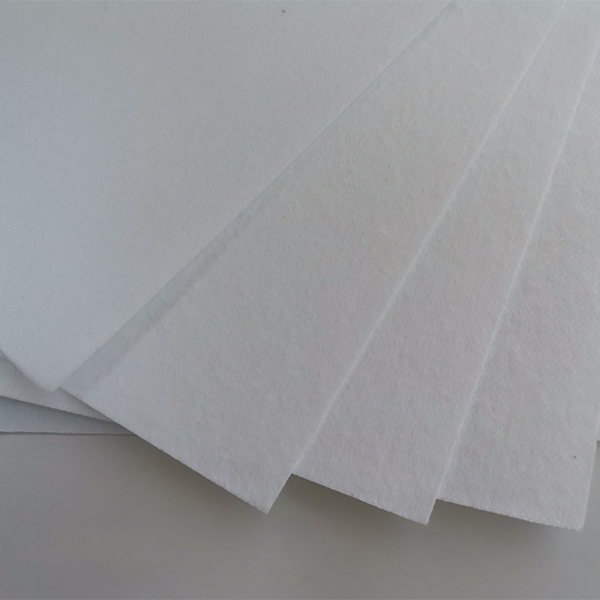
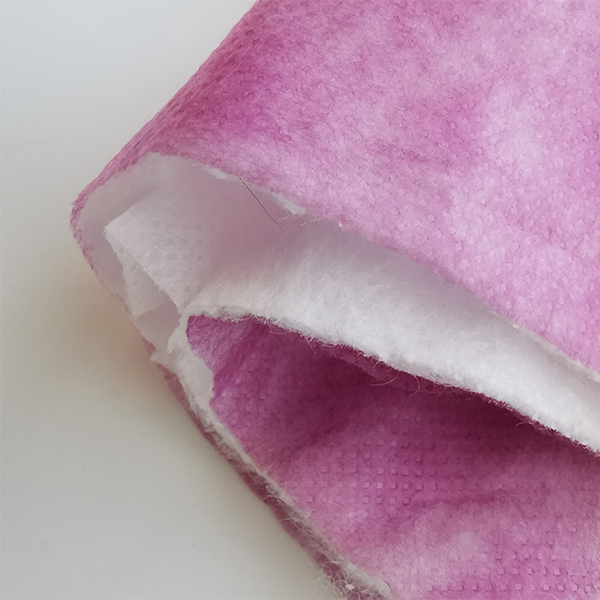
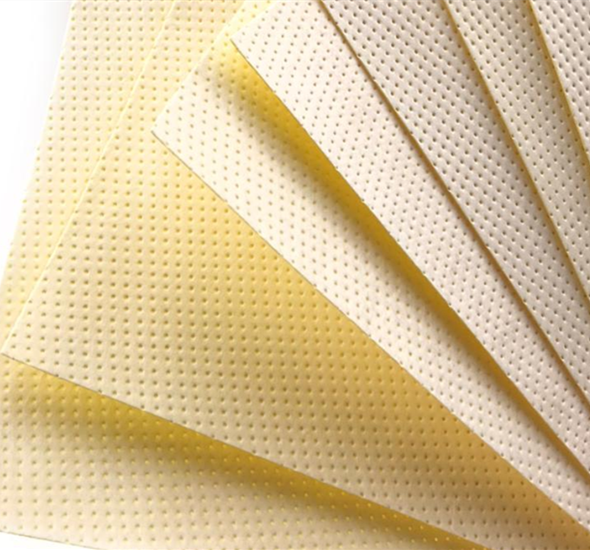
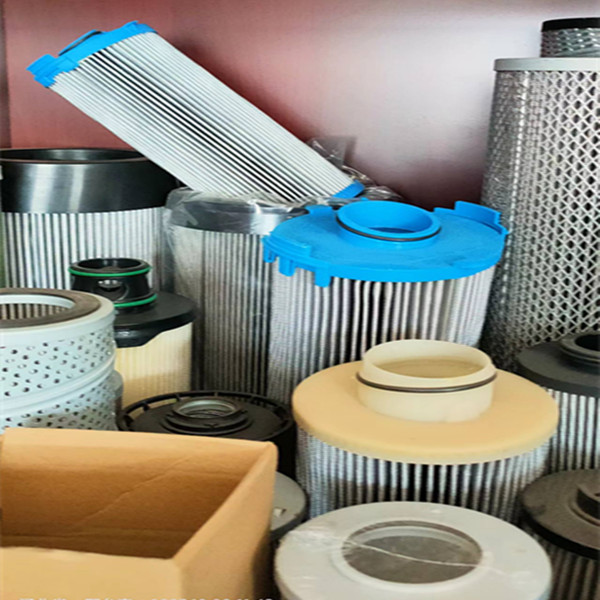
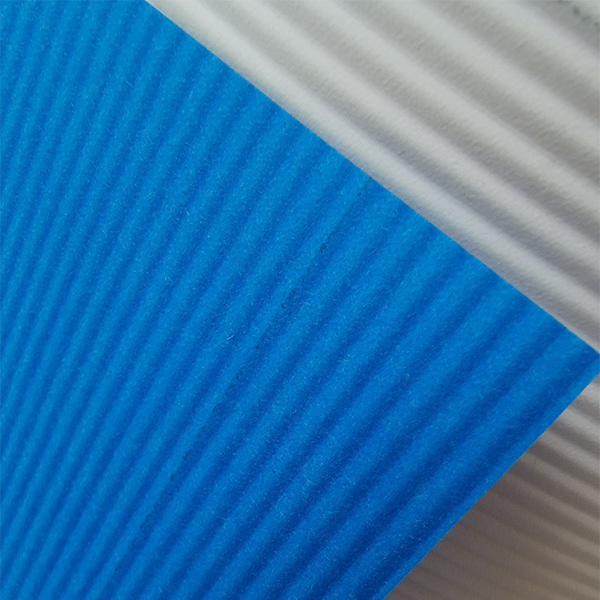
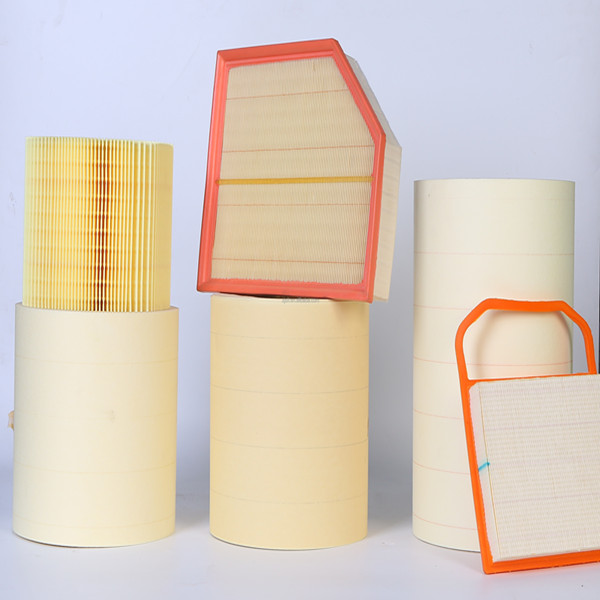
So, what exactly is a resin paper filter? Simply put, it’s a filtration medium crafted by impregnating specially treated paper with resin binders. This creates a rigid, durable sheet capable of trapping fine particulates without collapsing under pressure. Oddly enough, despite advances in synthetic fibers and membranes, resin paper filters still hold their ground because of their robustness and cost-effectiveness.
From my hands-on experience, I’ve noticed that many engineers appreciate that balance between durability and filtration efficiency. The resin impregnation often uses phenolic or urea resins, which lend strength and stability. Plus, the kraft or cellulose-based paper fibers provide a natural matrix that’s tailored for effective particle capture.
In real terms, this means they’re widely used in HVAC systems, paint booths, and even automotive air intakes. One memorable job required replacing filters in a metal fabrication plant where airborne metallic dust is a persistent nuisance. The resin paper filters took the brunt, and the machines saw fewer headaches afterward — less downtime, happier line operators.
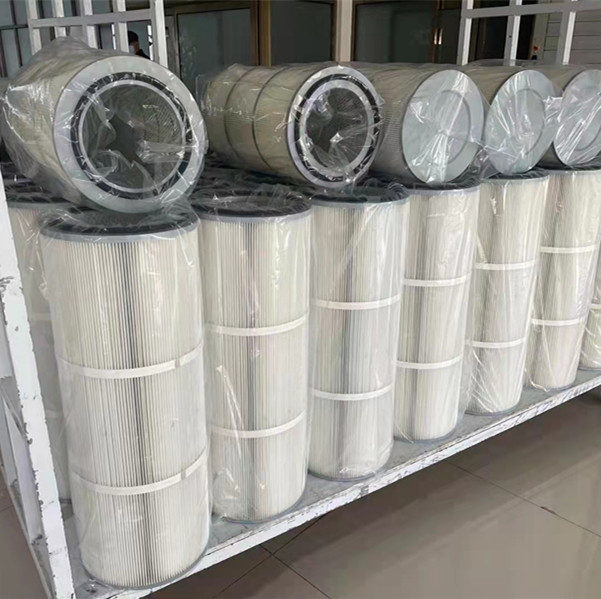
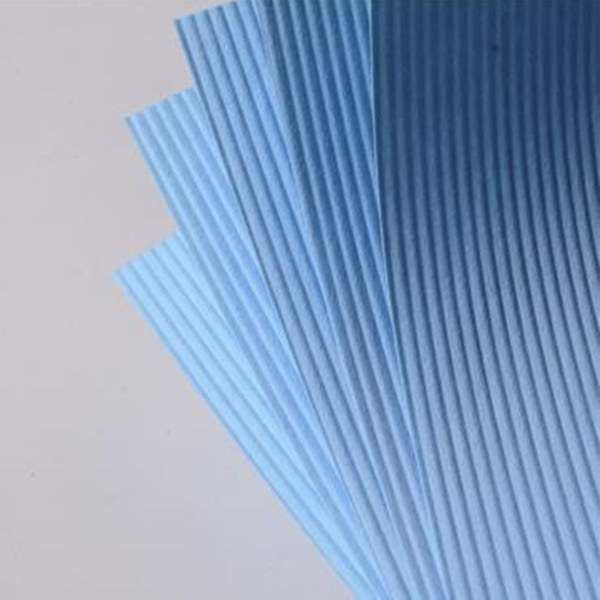
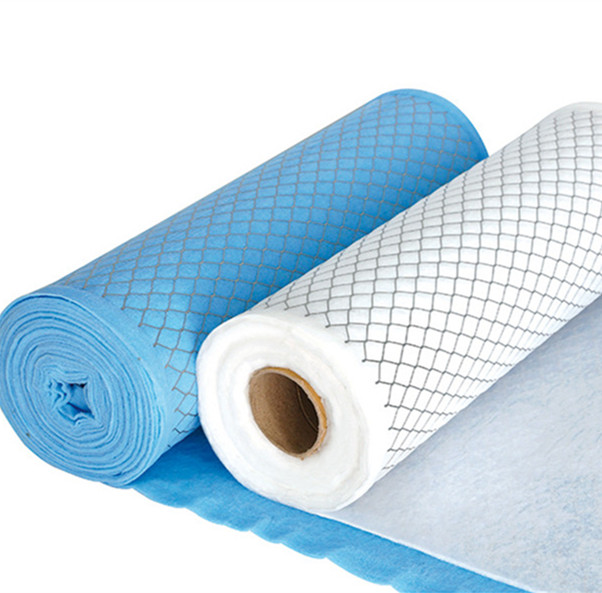
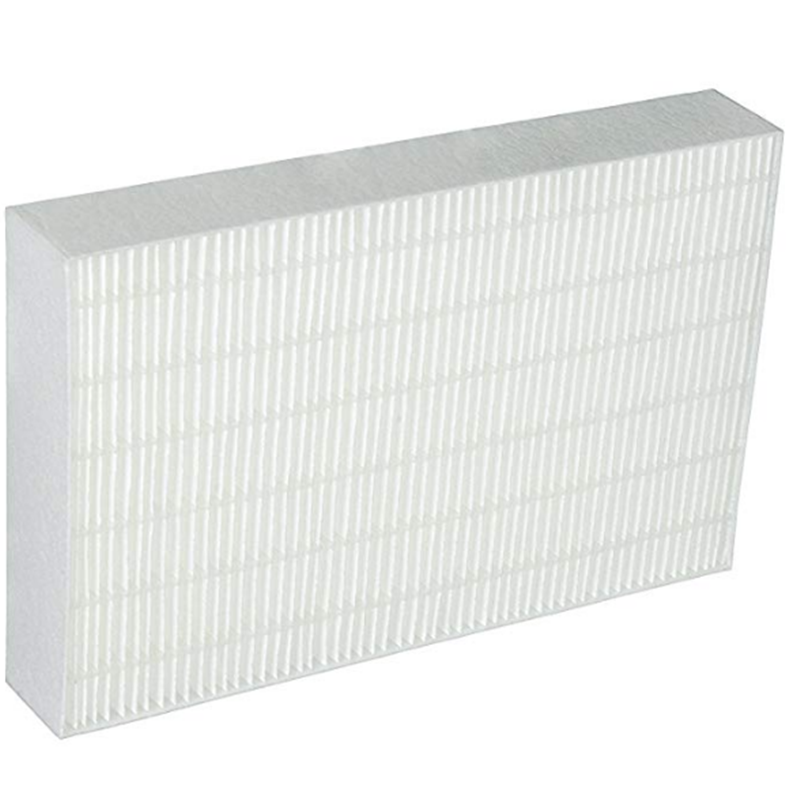
You can often customize these filters by adjusting fiber density, resin type, and thickness, depending on the required air volume and particulate size. Frankly, this flexibility makes resin paper filters a practical choice for industries where conditions vary widely. Also, they are compatible with pleating, which increases surface area without increasing footprint – a neat trick to maximize efficiency.
| Property | Value / Range |
|---|---|
| Material Type | Cellulose-based paper impregnated with phenolic resin |
| Thickness | 0.3 - 1.2 mm (varies by application) |
| Filtration Efficiency | Up to 95% for particles ≥ 5 microns |
| Operating Temperature | Up to 120°C (248°F) |
| Airflow Resistance | 0.1 - 0.25 in H2O @ standard velocity |
Now, I want to highlight something: sourcing resin paper filters is not a one-size-fits-all affair. Various manufacturers have different formulations and production techniques. For example, I did a quick vendor comparison to help clients choose the best fit for their operations.
| Vendor | Resin Type | Max Temp (°C) | Custom Thickness | Typical Application |
|---|---|---|---|---|
| Anyafilter Media | Phenolic Resin | 120 | Yes, upon request | HVAC, industrial air filtration |
| FilterTech Solutions | Urea Resin | 110 | Limited sizes | Paint booths, automotive |
| EcoFilter Corp | Phenolic + Acrylic blend | 130 | Yes | High-temp industrial processes |
One recommendation I find hard to overstate is reaching out directly to vendors like Anyafilter Media. They've been consistently reliable in customizing resin paper filters, offering excellent technical support, and delivering on schedule. That’s not to say others aren’t good – they are – but the responsiveness and quality control really make a difference when you’re on tight project timelines.
In testing situations, these filters usually undergo strict assessments for air permeability, tensile strength, and contaminant holding capacity. It’s reassuring when you can get test data upfront, especially for industries regulated by stringent air quality standards.
Before wrapping up, I suppose a quick word on sustainability is warranted. Resin paper filters, while durable, are primarily cellulose-based and somewhat recyclable, depending on resin type. It’s encouraging to see some manufacturers experimenting with bio-based resins, which could be a solid step toward greener filtration solutions.
In my experience, getting the filtration medium right often feels like a subtle art more than pure science. There’s an element of understanding the environment, the contaminants, the airflow, and then picking a filter that balances all these factors. Resin paper filters, for all their simplicity, manage this balancing act surprisingly well.
So, the takeaway? If you’re searching for a dependable, customizable filter solution capable of handling moderate dust loads and temperatures, resin paper filters deserve a close look. And frankly, they’re a joy to specify when you know the right vendor to call.
References:
1. Industry Filtration Handbook, 2022 Edition
2. "A Practical Guide to Filter Media," John W. Smith, Filtration Journal, 2021
3. Direct technical conversations with Anyafilter Media engineering staff, 2023
Post time: Dec-07-2025