What is a Wire Filter and Why Should We Care?
At first glance, a wire filter might sound like an oddly specific gadget, but it quietly powers tons of industries and even humanitarian efforts worldwide. Think of it as a finely woven net designed to separate, purify, or protect. Whether it's cleaning water, sieving raw materials, or deflecting microscopic debris, wire filters are everywhere. Understanding them isn’t just a nerdy exercise — globally, they contribute to sustainability, health, and economic growth in ways we often overlook.
Given challenges like climate change, industrial pollution, and supply chain complexities, wire filters help solve problems by offering dependable solutions that are scalable and environmentally friendly. They don’t just filter out particles; they filter out risks.
Mini takeaway: Wire filters might not be flashy, but their impact is massive — from industry floors to disaster zones.
Global Context: Why Wire Filters Matter to the World at Large
Here’s something you probably didn’t expect: according to the International Organization for Standardization (ISO), filtration systems including wire filters account for a substantial part of improving industrial efficiency worldwide. With over 70% of waste reduction in manufacturing relying on specialized filtration, wire filters often form the backbone of these processes.
Globally, regions facing water scarcity or heightened pollution, like parts of India, Africa, and Southeast Asia, depend on wire filters to ensure safe drinking water and clean air. Their role in humanitarian missions — for example, providing clean water filters in refugee camps — is critical. In fact, the UN Water Decade Program lists filtration as one of the most cost-effective ways to curb waterborne diseases.
But despite their importance, challenges remain. Could wire filters be made cheaper, more durable, or easier to deploy in remote areas? Absolutely. And that’s where innovation sneaks in.
Mini takeaway: Wire filters are a quiet global hero solving pressing problems like pollution and water safety, especially where life depends on it.
What Exactly Is a Wire Filter?
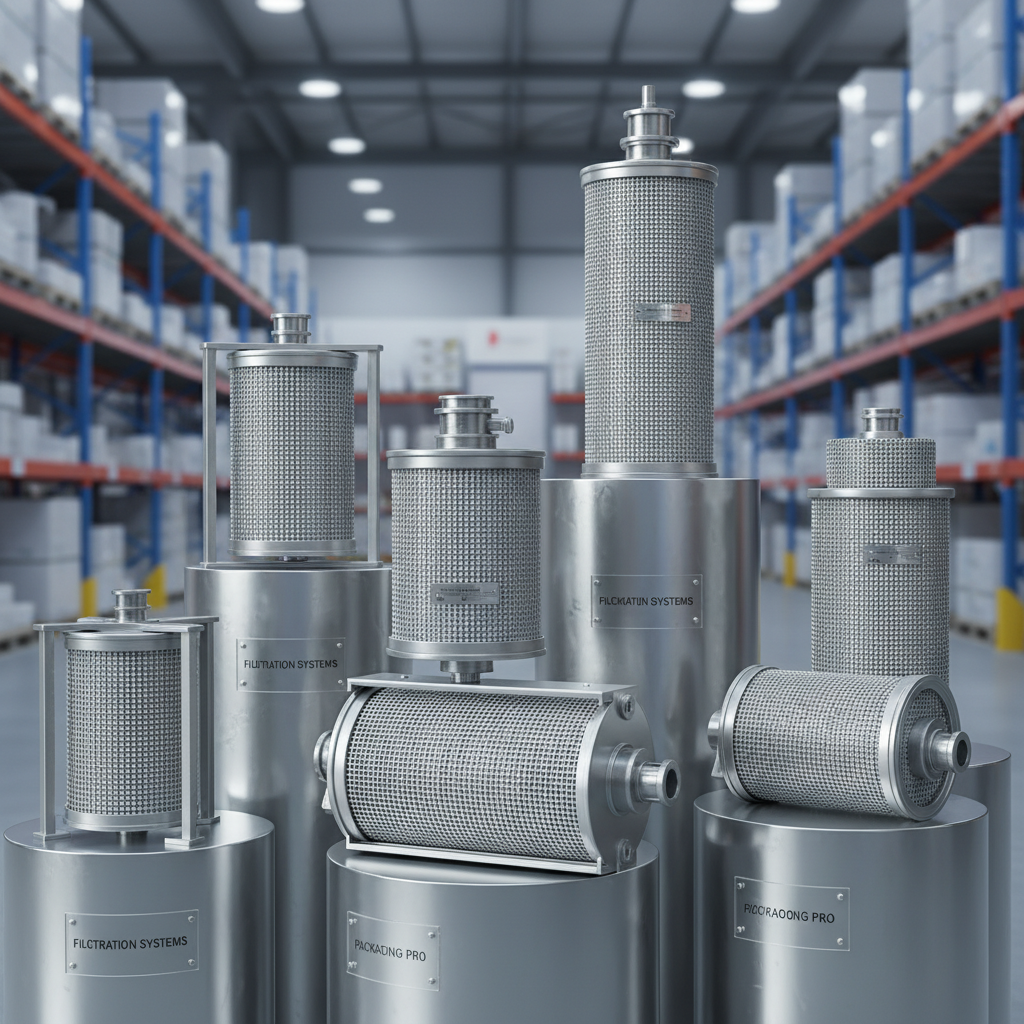
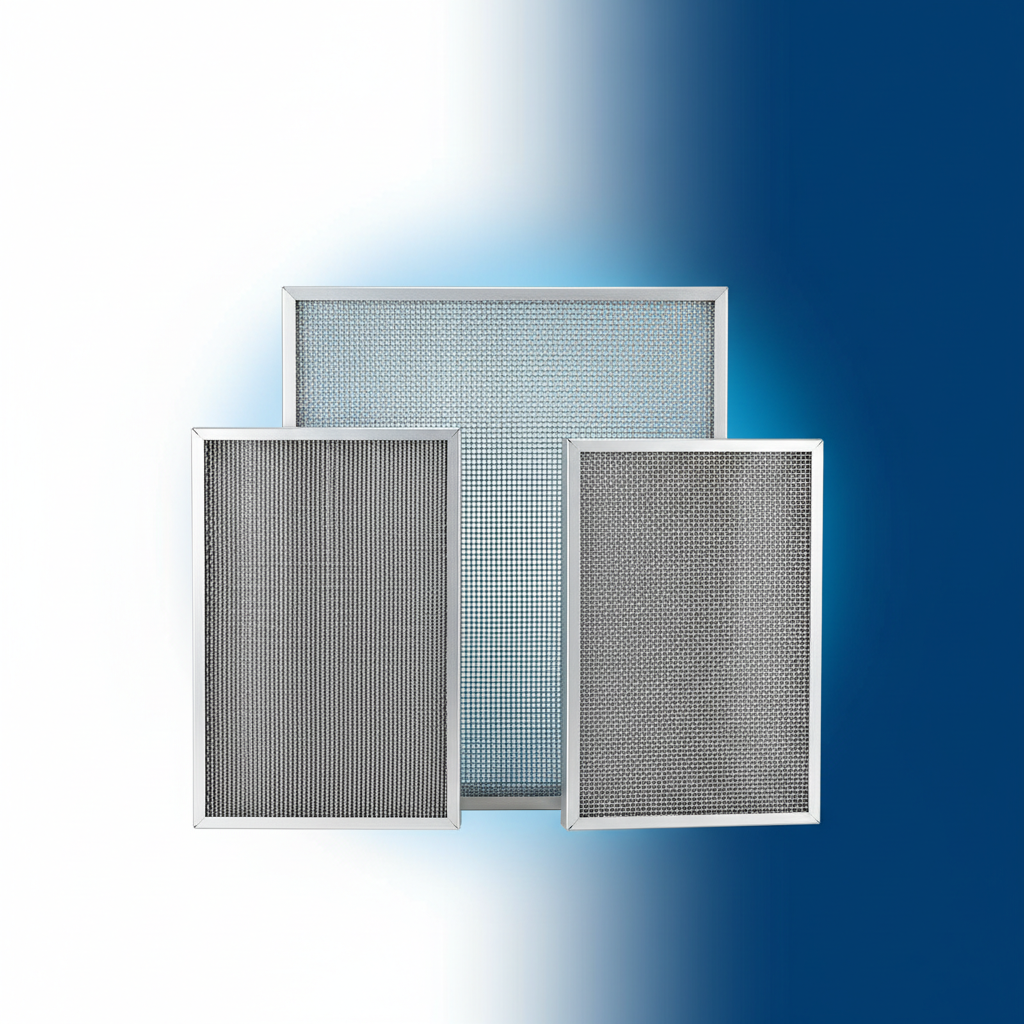
Simply put, a wire filter refers to a mesh or screen made from metal wires woven or welded together in various patterns and thicknesses. These filters separate solids from liquids or gases by trapping particles according to size. Imagine a sieve on steroids: able to withstand harsh industrial environments, corrosive substances, and huge pressure differences.
In modern industries — chemical, food processing, pharmaceuticals, and even construction — wire filters balance precision with resilience. Humanitarian efforts, such as portable water filtration in emergency kits, also rely on wire filters that can be cleaned and reused multiple times.
Core components in a wire filter include:
- Wire Material: Stainless steel, brass, or sometimes specialty alloys
- Weave Pattern: Plain, twilled, or Dutch weave — dictating mesh size and flow.
- Mesh Size: The critical dimension controlling particle filtration.
- Frame or Housing: Supports the wire mesh and connects to systems or containers.
Mini takeaway: Wire filters combine simple wire strands in sophisticated ways — they’re more than just screens, they're versatile tools crafted for precision and durability.
Important Aspects of Wire Filters for Real-World Use
Durability: Built to Last
Most wire filters are made from corrosion-resistant metals like stainless steel, allowing them to survive tough industrial conditions — heat, chemicals, you name it. This means fewer replacements and less downtime.
Scalability: From Tiny to Massive
You can find wire filters on microscales (for lab filtration) or on huge industrial conveyors. The mesh size and filter surface scale up or down without losing efficiency, which matters when switching from a small batch to mass production.
Cost Efficiency: Quality Without Breaking the Bank
Compared to high-tech synthetic filters, wire filters often come across as budget-friendly protagonists. They’re often reusable, easy to clean, and don’t rely on disposable cartridges, reducing waste.
Customization: Made-to-Order
Wire filters can be engineered for specific particle sizes, flow rates, or pressure demands, depending on industry needs. This modularity means tailored solutions rather than one-size-fits-all.
Maintenance: Easier Than You Think
Since they are metallic, wire filters can usually be cleaned via backflushing, ultrasonic baths, or chemicals. That’s a huge plus when ongoing operational reliability is critical.
Compatibility: Playing Well with Others
Wire filters integrate with existing filtration systems or machinery, fitting in seamlessly without massive retrofits.
Mini takeaway: When it comes to wire filters, it’s about striking a balance between strength, adaptability, and care. These filters don’t just sit there — they work hard and evolve.
Global Applications: How Wire Filters Change Lives and Industries
There’s a beautiful variety here, so let’s touch on some eye-catching examples:
- Water Treatment Plants in Sub-Saharan Africa: Wire filter meshes help remove sand and organic material before water goes into purification systems.
- Food and Beverage Industry in Europe: Wire filters maintain product purity by filtering out unwanted particles in juices or oils.
- Disaster Relief in Southeast Asia: Portable wire filter units provide safe drinking water after floods when infrastructure collapses.
- Chemical Processing in the US Gulf Coast: Wire filters protect vital machinery from particulate damage, minimizing costly repairs.
A journey across continents confirms that wire filters quietly form an essential lifeline — an unsung hero offering safety, efficiency, and productivity.
Mini takeaway: From drinking water in refugee camps to factory floors in developed countries, wire filters deliver safety and quality everywhere.
Wire Filter Product Specifications
| Specification | Details |
|---|---|
| Material | 304 or 316 Stainless Steel |
| Mesh Sizes | 10 to 500 microns |
| Weave Types | Plain, Twilled, Dutch Weave |
| Max Operating Temp. | 600°C (approx.) |
| Maximum Pressure | Up to 250 bar |
| Custom Sizes | Available on Request |
How Do Key Vendors Stack Up?
| Vendor | Range of Wire Filters | Customization | Lead Time | Pricing Level |
|---|---|---|---|---|
| Anya Filter Media | Extensive (10-500 microns) | High — made to order | 2-4 weeks | Mid-range |
| FilterPro Solutions | Medium (20-300 microns) | Standard options | 3-6 weeks | Low to Mid |
| EcoMesh Ltd. | Small (50-150 microns) | Limited | 1-2 weeks | Budget |
Long-Term Benefits That Wire Filters Bring to the Table
Cost savings often come first to mind. Because wire filters are durable and reusable, they save money over time compared to disposables. But the value runs deeper: environmental sustainability improves due to less waste generation and energy-efficient cleaning cycles.
Then there’s the social impact. In communities relying on wire filters for clean water, health outcomes improve — meaning fewer diseases, better school attendance, and increased economic productivity. Trust in infrastructure and technology builds over time. It’s not just a filter; it’s a symbol of safety and dignity.
The reliability factor also allows companies to innovate without fearing interruptions. Many engineers mention that working with wire filters feels like having a safety net — one that doesn’t snap under pressure.
Mini takeaway: Wire filters save money, protect health, and foster trust — a trifecta that’s hard to beat.
Emerging Trends and Innovations in Wire Filtration
So what’s next? Oddly enough, wire filters are heading toward smarter and greener futures. Wire filter makers are experimenting with nanocoatings and hybrid materials that repel dirt and biofouling, extending lifespan even further.
Digital transformation is also on the horizon: integrated sensors now monitor clogging and pressure changes, enabling predictive maintenance. Imagine a filter telling you exactly when it needs cleaning — no guesswork and no wasted production time.
Lastly, you’ll see growing interest in recyclable wire materials that fit circular economy models. Sustainability isn’t just a buzzword; it’s pushing design and policy alike.
What Challenges Do Wire Filters Face — and How Are They Overcome?
Not everything is smooth sailing. Some common headaches include clogging in highly contaminated environments and the upfront capital cost for larger, specialized wire filters. The mesh can also sometimes fail when exposed to extreme chemicals or abrasive particles.
Experts recommend proactive solutions like pre-filtration stages, routine ultrasonic cleaning, and modular filter designs that simplify replacement. Many companies also collaborate with material scientists to develop stronger alloys and surface treatments that handle tougher conditions.
In short, expertise and technology together keep wire filters evolving and reliable.
Frequently Asked Questions About Wire Filters
- Q1: How do I choose the right wire filter for my industrial application?
- A: Start by identifying the particle sizes you need to filter and the environmental conditions like temperature and chemical exposure. Then select the wire material and mesh size accordingly. Consulting vendors with customization capabilities, such as Anya Filter Media, can tailor the perfect solution.
- Q2: Can wire filters be cleaned and reused?
- A: Absolutely. One of their biggest advantages is durability. Common cleaning methods include backflushing, ultrasonic baths, or chemical cleaning, depending on the contamination level and filter design.
- Q3: Are wire filters suitable for water filtration in emergency scenarios?
- A: Yes. Portable wire filters are often part of emergency water kits due to ease of use, robustness, and cleanability. They provide reliable pre-filtration before finer purification steps.
- Q4: How long do wire filters typically last?
- A: Lifespan depends on usage intensity and maintenance but commonly ranges from several years to over a decade, especially with proper care and cleaning routines.
- Q5: Are wire filters environmentally sustainable?
- A: Generally yes. Their reusable nature reduces waste compared to disposable filters. Innovations in recyclable materials and coatings also enhance sustainability.
To Wrap Up: How Wire Filters Make a Difference
We’ve covered a lot — from global water crises to high-tech sensors integrated in wire filters. It might surprise you to realize these unassuming meshes play a vital role preserving our environment, improving industrial outcomes, and supporting millions worldwide.
If you’re considering investing in or learning more about wire filters, visit our website. You’ll find expert guidance, tailored product options, and a team that understands the fine art behind this humble but mighty technology.
In an age where precision and sustainability matter more than ever, wire filters are a small part of a big solution.
Mini takeaway: When the tiny matters, wire filters matter.
References:
Post time: Nov-26-2025