Understanding the Value of SS Wire Mesh Filter
If you've ever found yourself wondering how industries manage to keep contaminants out of fluids, gases, or even delicate mechanical systems, chances are an ss wire mesh filter played a quiet but vital role. Stainless steel (ss) wire mesh filters are unsung heroes in countless sectors—from water treatment plants to aerospace components, from food processing to heavy manufacturing. Their global importance can’t be overstated, especially as the world sharply focuses on sustainability, reliability, and cost efficiency.
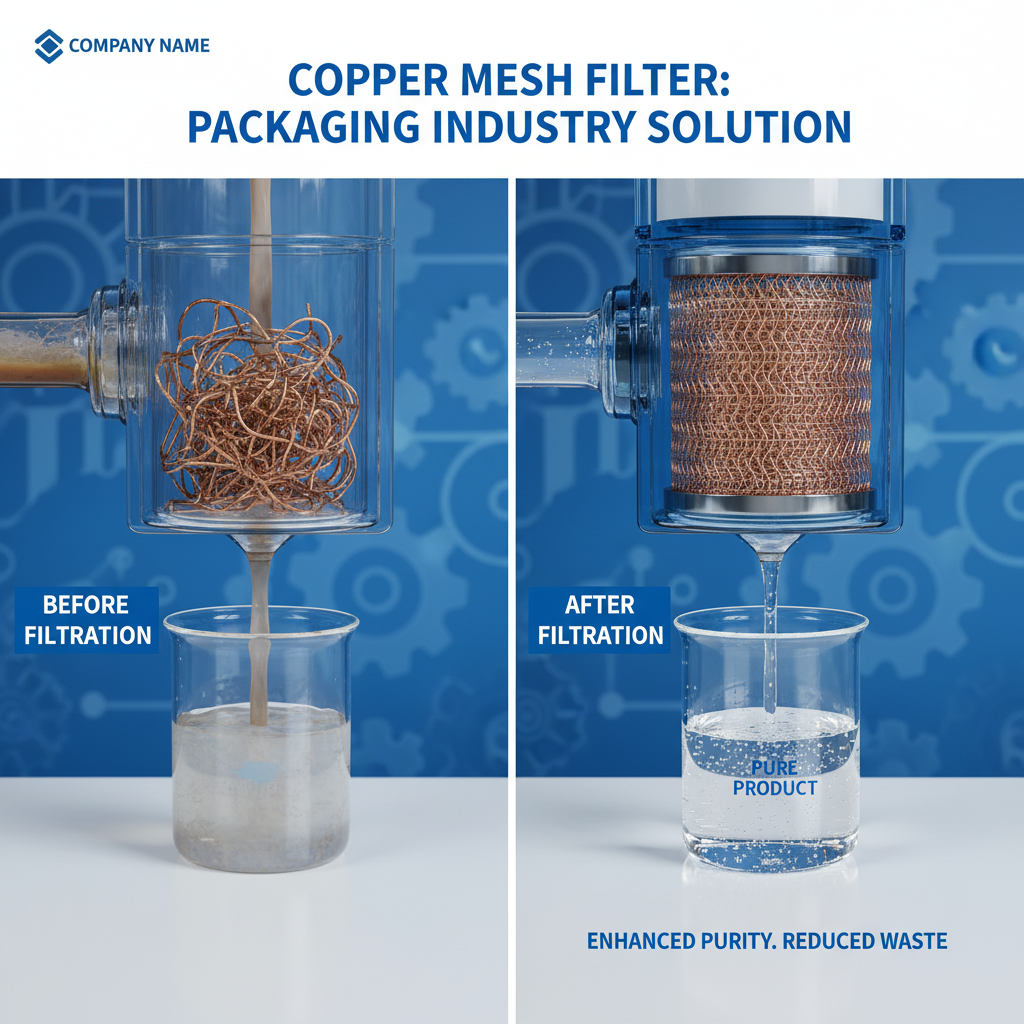
Essentially, these filters help maintain clean, pure media flows in critical applications. They protect machinery, improve quality control, and in some cases, even safeguard human health and livelihood. By truly understanding how ss wire mesh filters work and why they matter, businesses and engineers can choose smarter solutions, reducing waste and downtime, and supporting broader environmental goals.
Why SS Wire Mesh Filters Matter Worldwide
Globally, industries face mounting challenges related to environmental regulations, process optimization, and minimizing downtime. The World Bank estimates over 80% of wastewater globally remains untreated—a problem that stainless steel wire mesh filters help alleviate by filtering particles effectively during water treatment.
Beyond water, filters are crucial in refining fuels, processing chemicals, and even protecting delicate instrumentation. The International Organization for Standardization (ISO) has specific standards governing filtration methods, underscoring the necessity for reliable, standardized equipment—a niche where ss wire mesh filters excel due to their robust construction and longevity.
Oddly enough, despite their simplicity, these filters are a linchpin in reducing machine wear and tear, preventing costly breakdowns, and even supporting humanitarian efforts where clean water filtering is urgent. For emerging economies and industrial hubs alike, their role only becomes more pivotal as infrastructure grows.
What Exactly Is an SS Wire Mesh Filter?
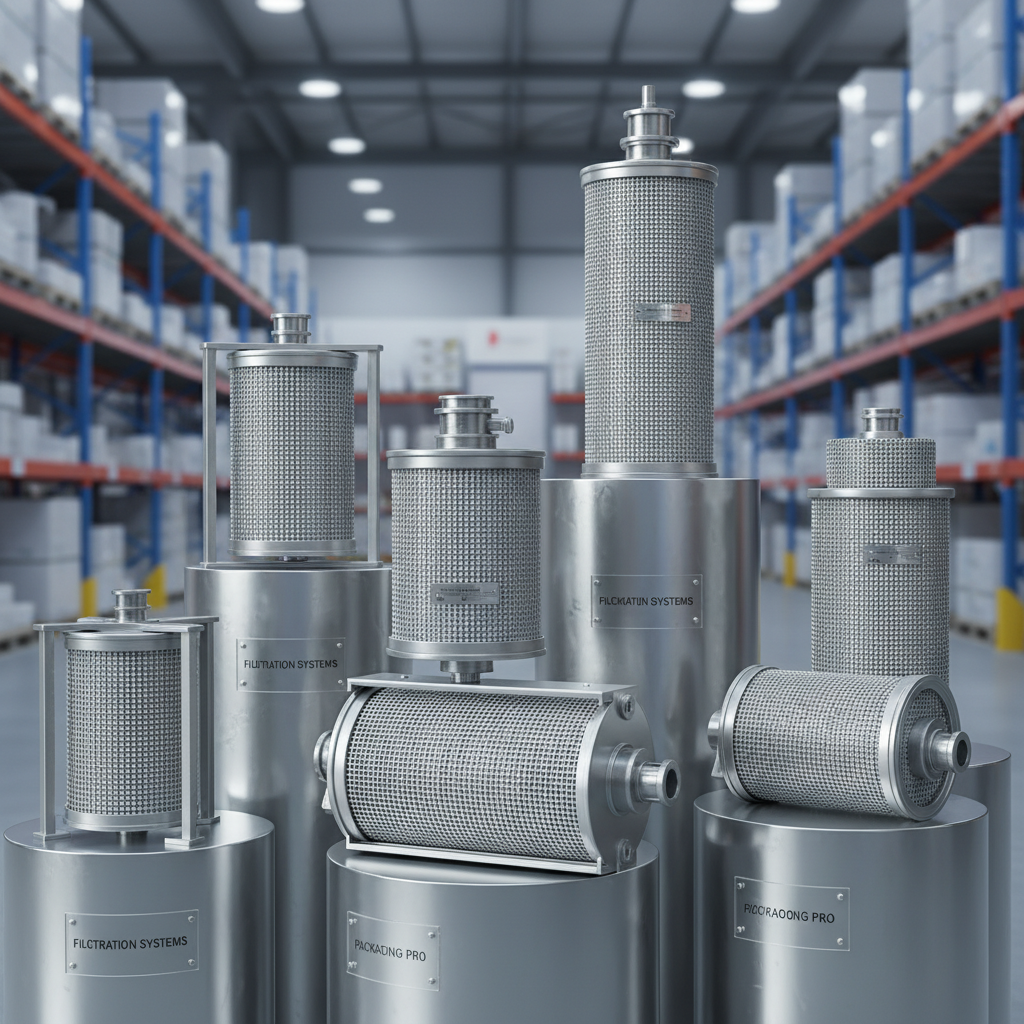
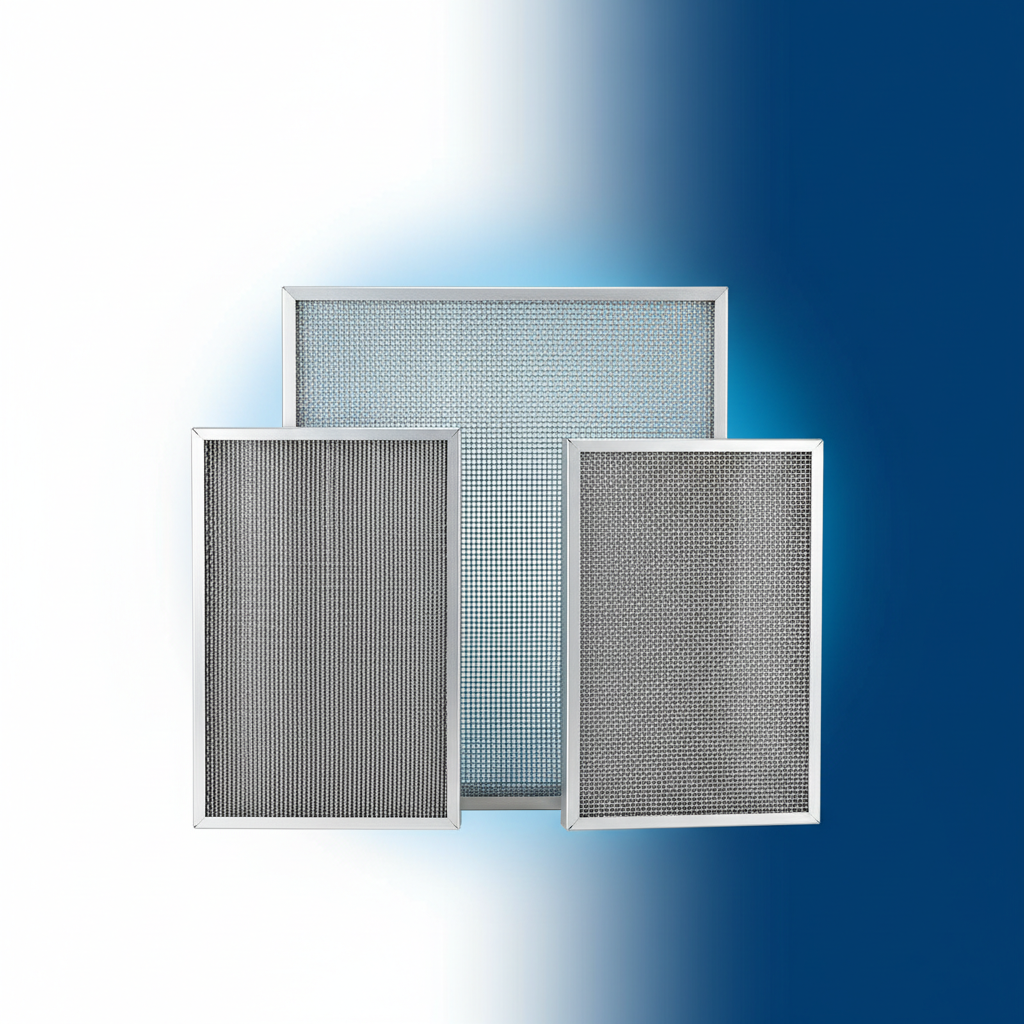
To put it simply, an ss wire mesh filter is a filtering element made by weaving stainless steel wires into a mesh, designed to trap particles above a certain size while allowing cleaner media to pass through. Think of it as a microscopic sieve but built for industrial-scale tasks. Stainless steel imparts chemical resistance, temperature tolerance, and mechanical strength.
These filters can be tailored in weave tightness, wire thickness, and shape depending on the specific application, making them versatile. Whether it’s screening sediment from water or catching metal shavings in machining fluids, they stand up where plastic or fabric filters might quickly fail.
Mini takeaway:
Good filters like ss wire mesh keep systems running, reduce waste, and help industries comply with global standards on pollution control.
Key Factors Behind a Great SS Wire Mesh Filter
1. Durability and Corrosion Resistance
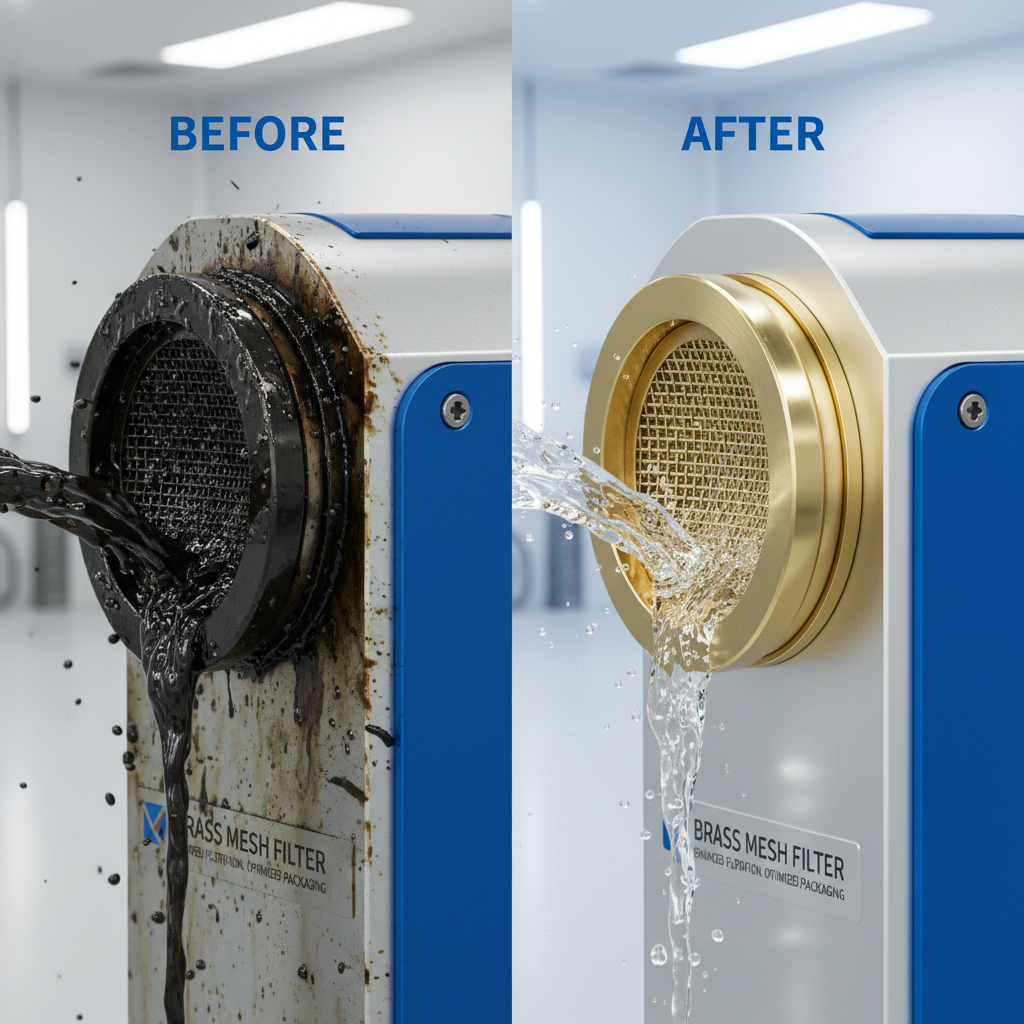
Stainless steel offers superior resistance to rust, corrosion, and chemical degradation. This is especially important in harsh environments—be it saltwater filtration or chemical processing plants. Durability means fewer replacements and less downtime.
2. Precision Filtration
The mesh size—the gap between wires—can be fine-tuned to target specific particle sizes. This flexibility allows for tailored filtration levels depending on whether you’re protecting pumps or improving potable water quality.
3. Easy Maintenance & Cleaning
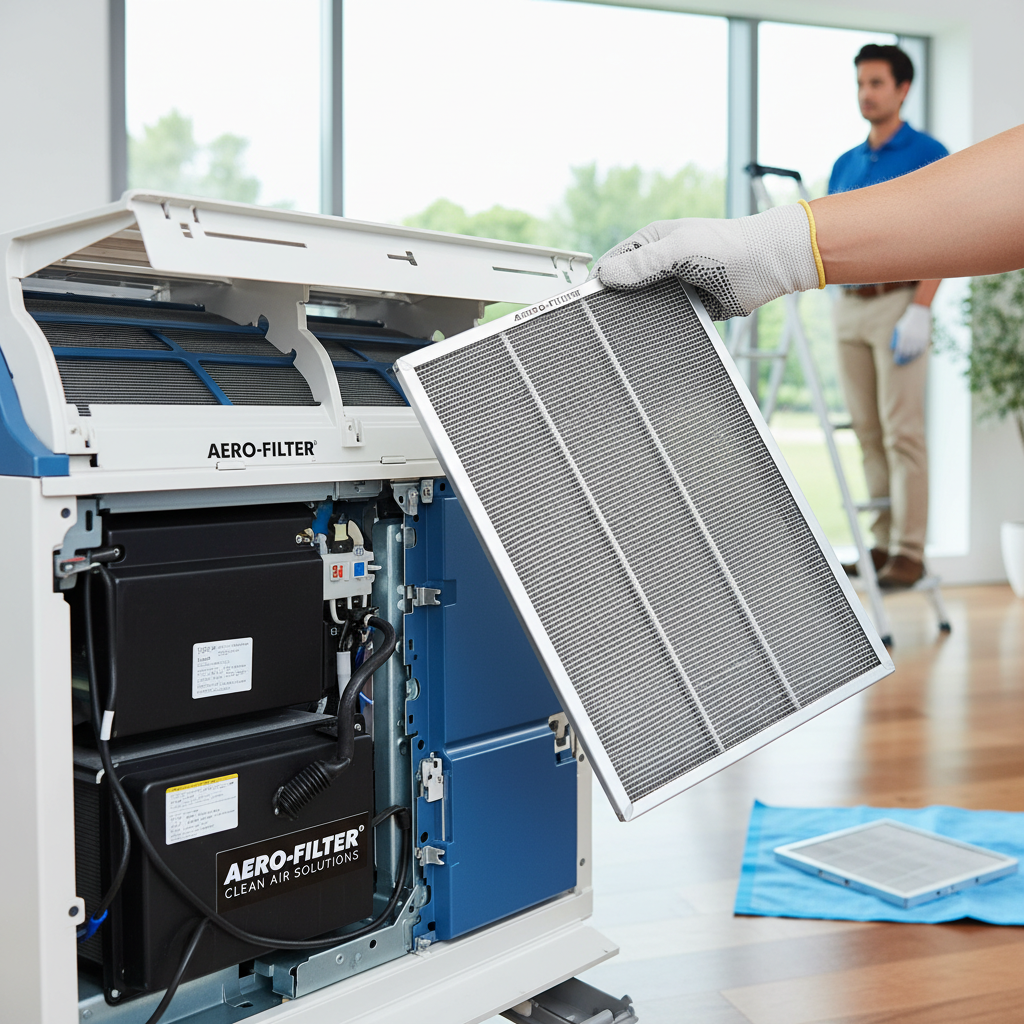
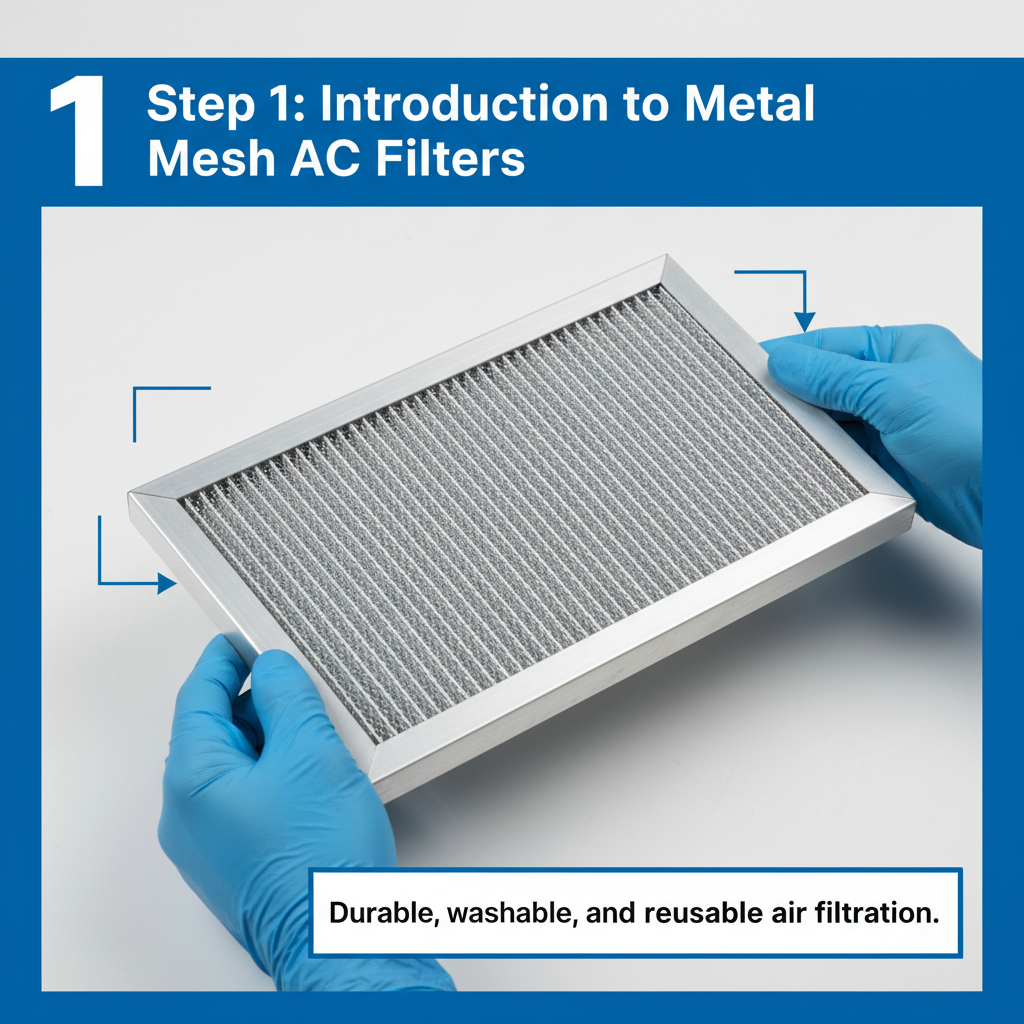
SS wire mesh filters are often reusable. They can be washed, back-flushed, or chemically cleaned without losing structural integrity. It’s a big win compared to disposable filters.
4. Scalability & Customization
From small cartridges used in lab-scale projects to massive industrial screens, the design scales. Different industries and regions can adopt filters of appropriate sizes and strengths.
5. Cost Efficiency Over Time
Sure, the initial price might be higher than cheaper materials, but because they last longer and reduce equipment failures, overall cost per use often proves lower.
6. Environmental Impact
Stainless steel is recyclable, and the reusable nature of mesh filters supports sustainability goals—a big plus in today's climate-conscious world.
Mini takeaway:
Investing in ss wire mesh filters is a strategic choice blending durability, precision, and sustainability.
SS Wire Mesh Filters In Action: Global Applications
Around the globe, ss wire mesh filters quietly do the heavy lifting across various fields:
- Water Treatment Plants: In urban and rural settings, they remove suspended solids and protect downstream equipment.
- Oil & Gas Industry: Filtering drilling fluids to prevent abrasive particles from damaging pumps and valves.
- Food & Beverage: Ensuring purity and safety by filtering syrups, juices, and oils.
- Pharmaceutical Manufacturing: Precise filtration critical for product safety and regulatory compliance.
- Post-Disaster Relief Operations: Portable filter units using ss wire mesh can quickly restore access to clean water.
For example, in coastal Bangladesh, NGOs rely on stainless steel filters to keep saline and sediment out of potable water, helping reduce waterborne diseases among vulnerable populations.
Mini takeaway:
From remote locations to industrial hubs, the adaptability of these filters meets real-world needs everywhere.
Advantages and Long-Term Value of SS Wire Mesh Filters
The tangible benefits are numerous. First, they reduce maintenance costs by preventing particulate contamination, extending equipment life. They also contribute to sustainability by lowering waste—no need to constantly replace cartridges. Socially, reliable filtration improves worker safety and product quality, fostering trust and bolstering brand reputation.
Emotionally, operators feel reassured knowing their filtration system won’t fail mid-process. It’s that peace of mind that often goes overlooked yet plays a big role in industrial productivity.
Product Specification Table
| Specification | Typical Range | Notes |
|---|---|---|
| Material | 304 or 316 Stainless Steel | 316 for higher chemical resistance |
| Mesh Size | 10 to 600 microns | Varies with application |
| Wire Diameter | 0.05 to 0.5 mm | Thicker wire for durability |
| Operating Temp. | -100°C to 600°C | Depends on grade |
| Pressure Rating | Up to 3000 psi | Application dependent |
| Cleaning | Backwash, Ultrasonic, Chemical | Reusable filters |
Comparing Leading SS Wire Mesh Filter Vendors
| Vendor | Product Range | Customization Level | Global Reach | Pricing |
|---|---|---|---|---|
| Anya Filter Media | Wide (10-600 microns) | High (custom mesh sizes/shapes) | Global | Competitive |
| MetalMesh Dynamics | Medium | Medium | Asia & Europe | Moderate |
| SteelMesh Global | Narrow | Low | North America | Premium |
Looking Ahead: Innovations and Future Trends
As industries worldwide embrace digital transformation, ss wire mesh filters are also evolving. Smart sensors integrated with filters can now monitor clogging rates and automate cleaning cycles, kind of like filters that tell you when they’re tired and need help. Additionally, emerging coatings for stainless steel aim to improve anti-fouling properties, reducing maintenance even further.
With sustainability pushing many sectors, recyclable filter materials and long-lasting designs will get even more attention. Some manufacturers are exploring hybrid filters that combine ss wire mesh with nanotechnology layers, enhancing filtration at microscopic levels.
Common Challenges and How to Overcome Them
Like everything, these filters come with some limitations. For example, very fine meshes can clog quickly in dirty fluids, leading to pressure drops and frequent maintenance. But many engineers combat this by using multi-layered or self-cleaning meshes, or by smartly designing pre-filters upstream.
Another tricky aspect is cost: for small enterprises, the upfront expense might stall adoption. However, financing options, modular designs, or second-life products can bring prices into reach without compromising quality.
FAQ: Frequently Asked Questions About SS Wire Mesh Filters
- How do I choose the right mesh size for my application?
- Start by identifying the particle size you need to filter out. Generally, you want a mesh opening slightly smaller than the smallest contaminant. Consulting with a specialist or supplier like ss wire mesh filter experts helps ensure proper selection.
- Can ss wire mesh filters handle high-temperature fluids?
- Yes, stainless steel grades like 316 can handle temperatures up to 600°C, making them suitable for many high-temp industrial processes.
- Are ss wire mesh filters reusable?
- Absolutely. With proper cleaning—such as backflushing or ultrasonic cleaning—they remain effective over many cycles.
- Is stainless steel better than other filter materials?
- It depends on the application, but stainless steel filters generally outperform plastic or fabric filters in durability, temperature tolerance, and chemical resistance.
- How quickly can I get custom ss wire mesh filters delivered?
- Turnaround times vary, but many vendors offer expedited services for urgent industrial needs. Vendors like ss wire mesh filter suppliers often have standard sizes in stock for fast delivery.
Conclusion: Why SS Wire Mesh Filters Are Worth Your Attention
When you consider long-term equipment health, sustainability, and adaptability, ss wire mesh filters shine as a smart, dependable choice. They serve as silent guardians in industries critical to daily life—from clean water access to manufacturing quality components. If you’ve been on the fence about upgrading filtration or starting a new project, now’s the time to explore ss wire mesh filter options that align with your goals.
Visit our website https://www.anyafiltermedia.com and discover a range of premium stainless steel wire mesh filters customized for your exact needs.
References:
Post time: Nov-25-2025