To be honest, things are moving fast in this industry. Everyone’s talking about prefabrication now, right? It’s not new, but the scale is different. Folks are trying to build entire modules off-site and just drop them into place. Makes sense, cuts down on waste, speeds things up. But there are snags. Lots of snags.
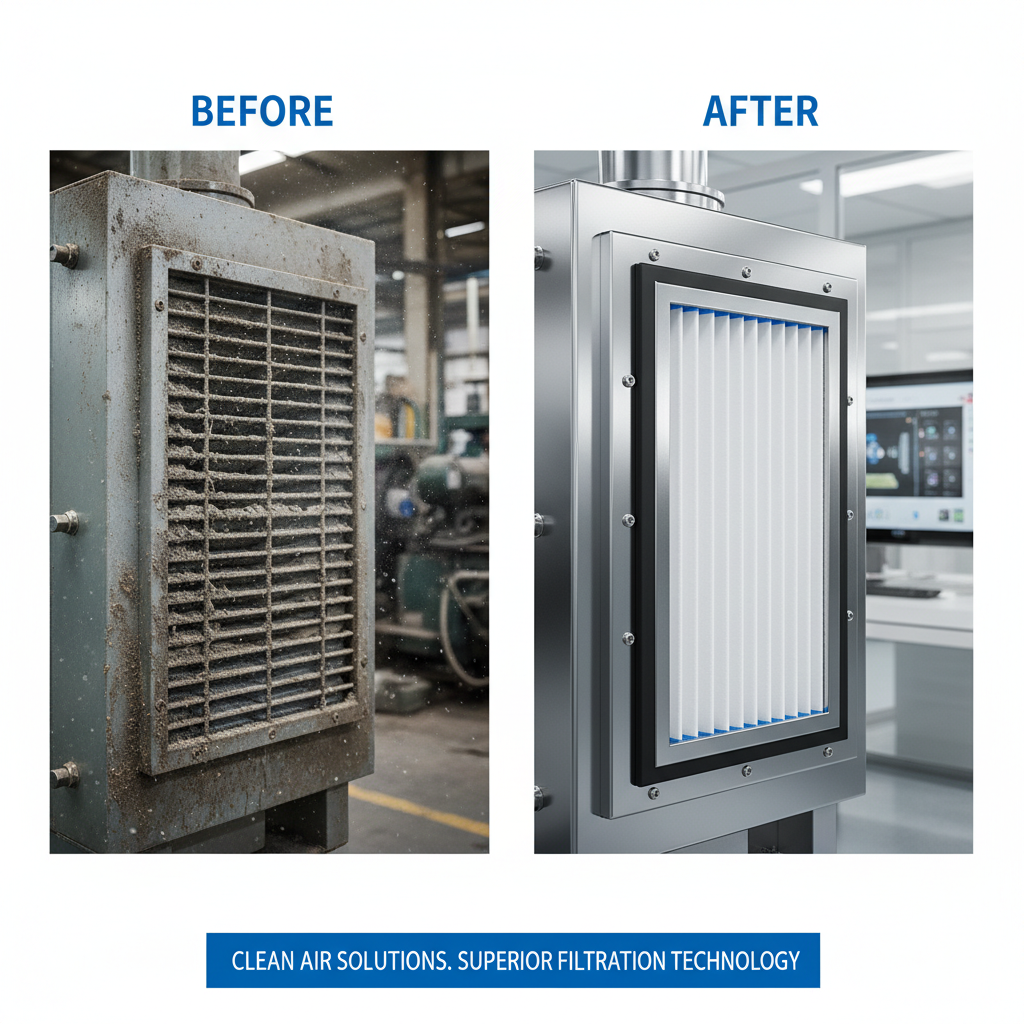
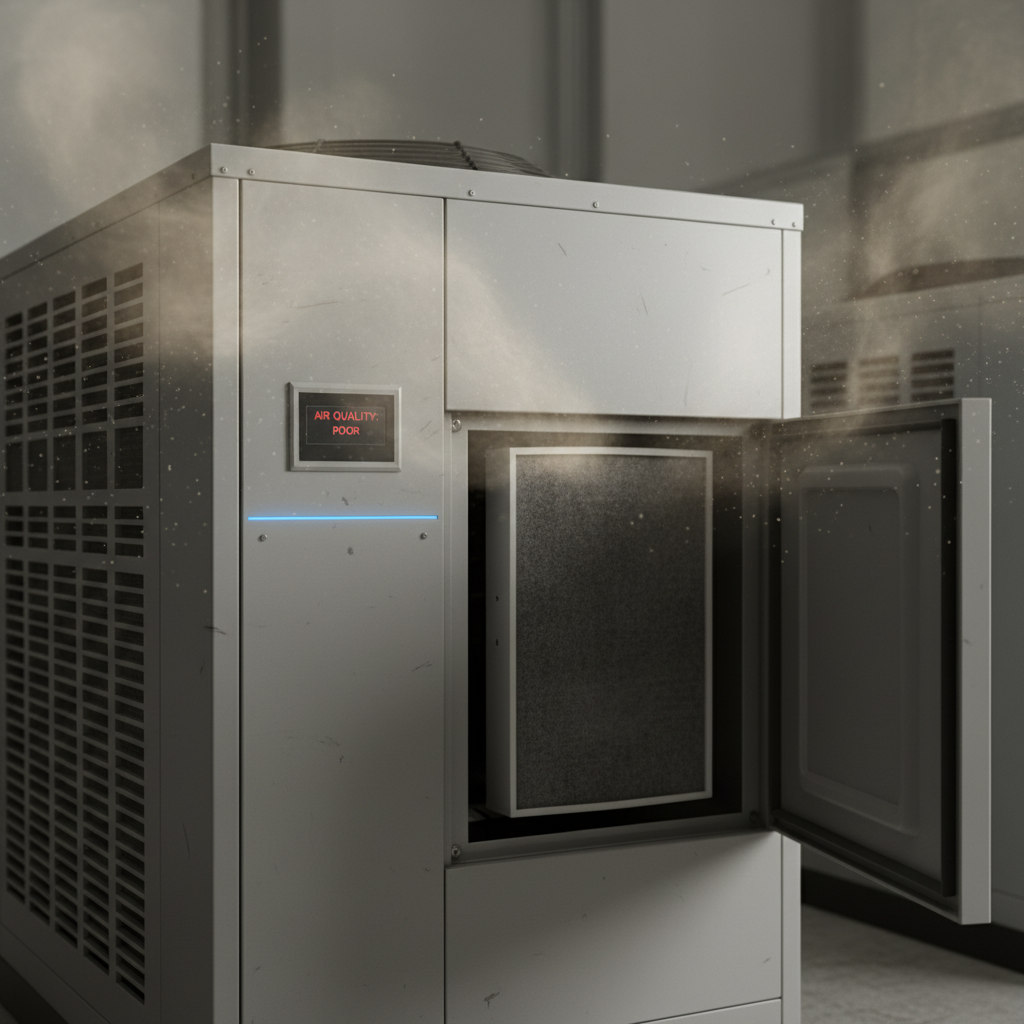
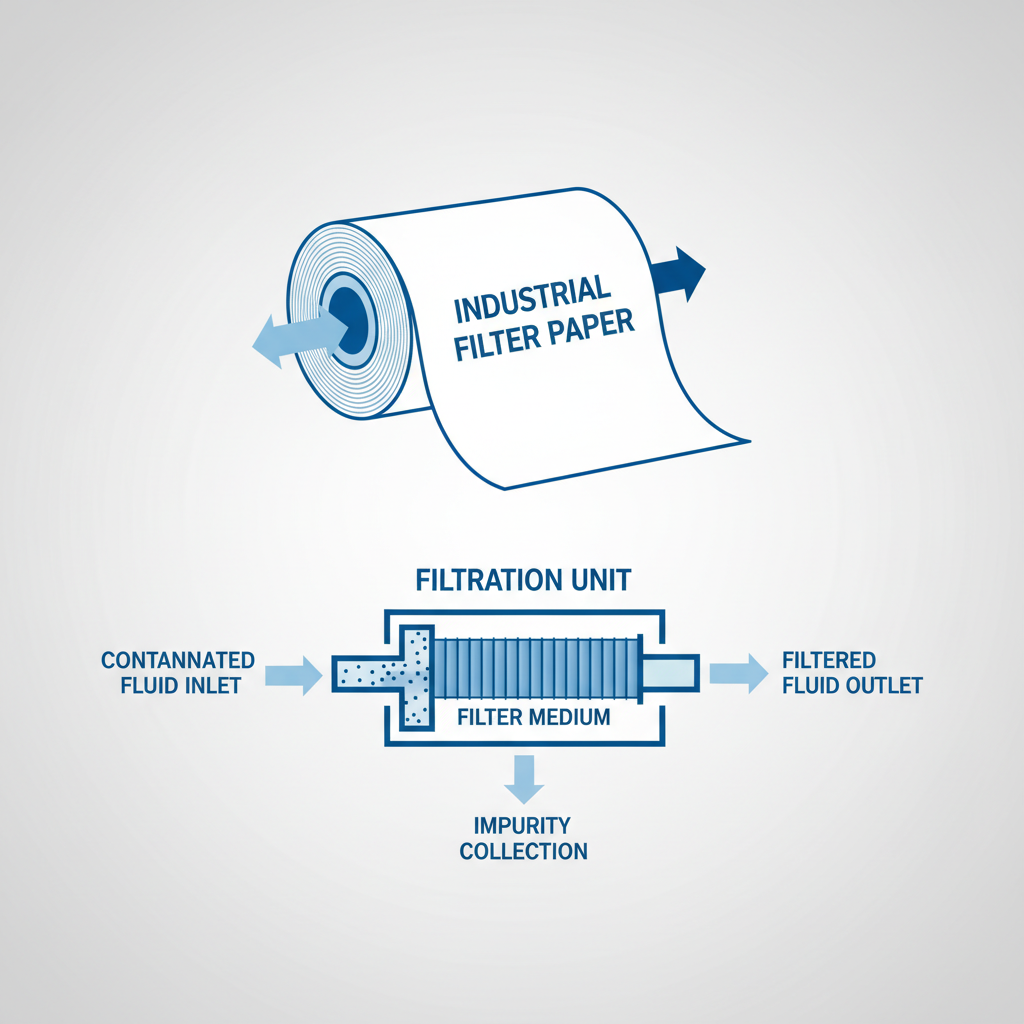
Have you noticed how everyone assumes a perfectly flat surface? It almost never happens. The ground settles, the concrete shifts…you end up shimmying everything into place anyway. That's where a good filter paper comes in, especially for dust control during pre-fab, keeping the whole process cleaner.
And speaking of filters, there's a real push for sustainability. Makes it harder, honestly.
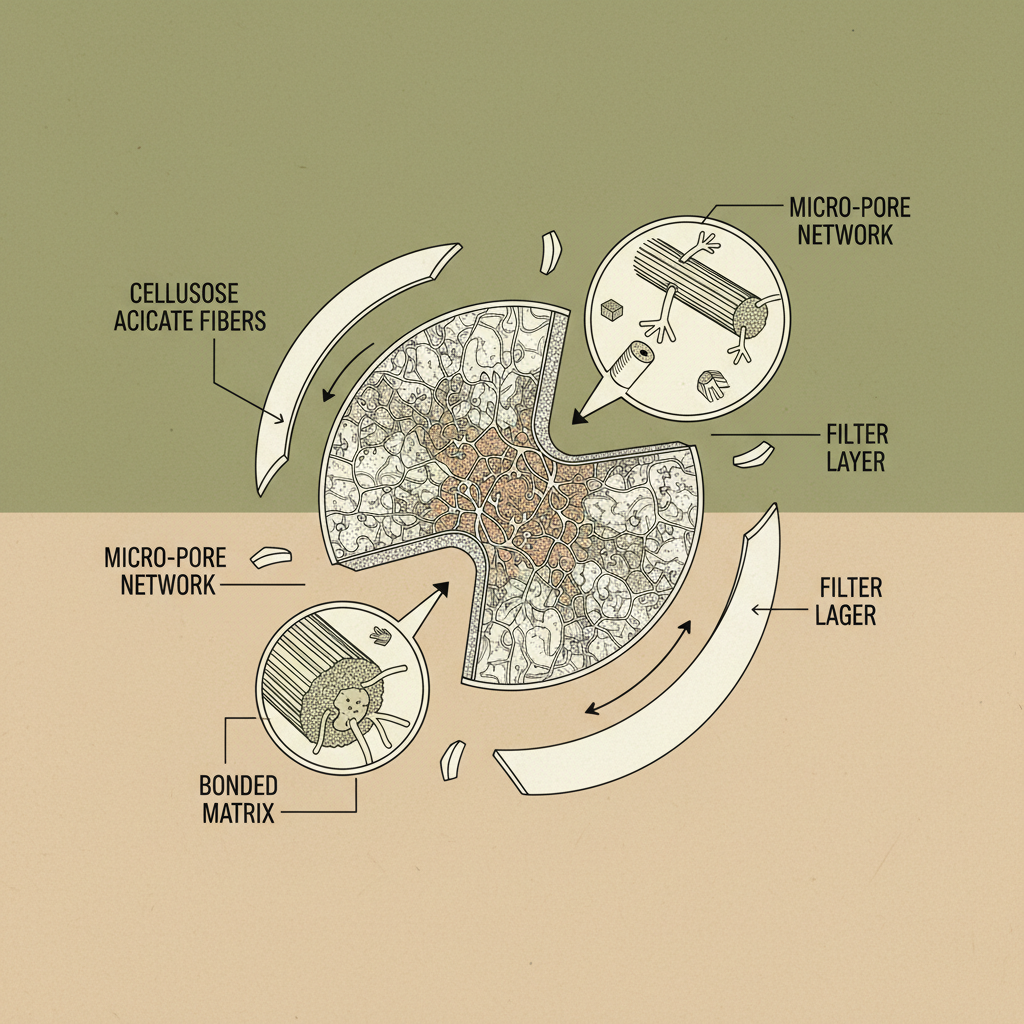
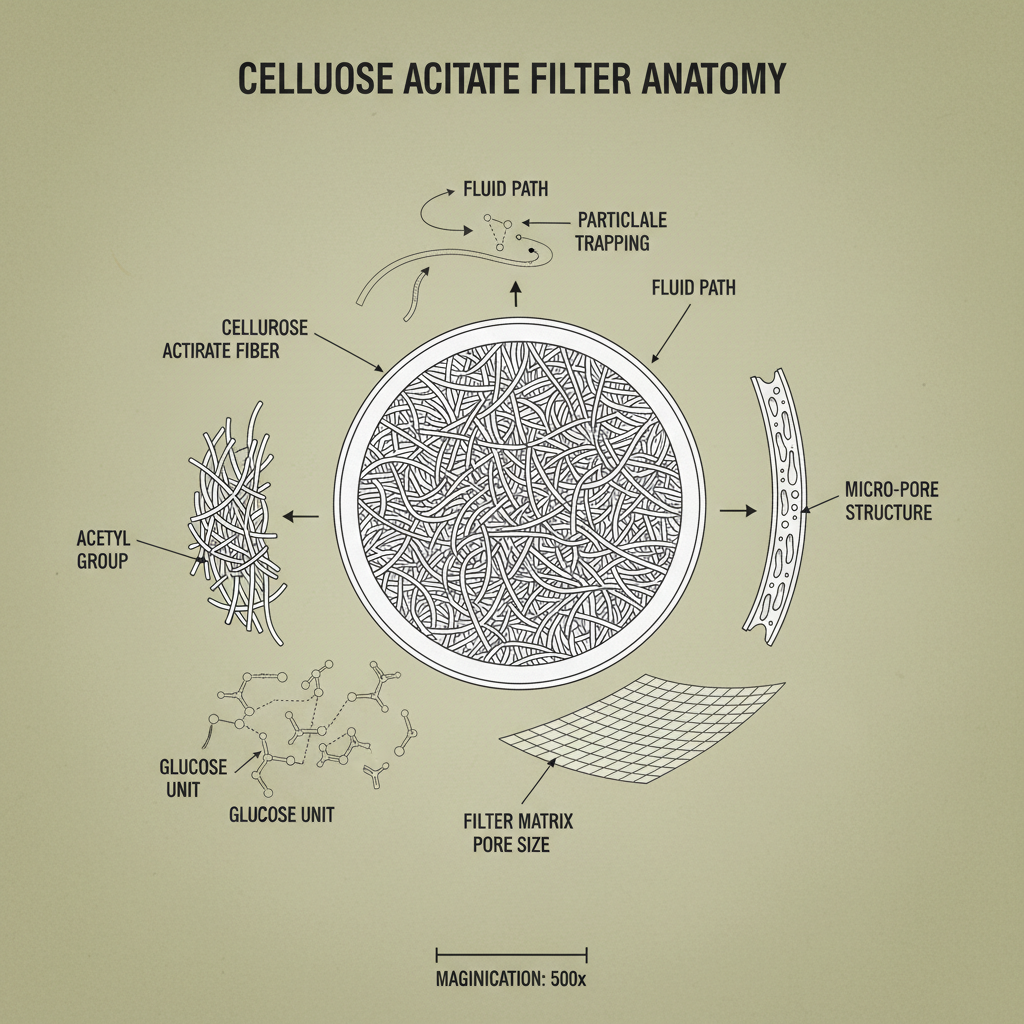
The Current Landscape of Cellulose Acetate Filter Paper
Strangely enough, the demand for good cellulose acetate filter paper is tied directly to how much dust pre-fab operations create. I encountered this at a factory in Wuxi last time - huge place, churning out modular hotel rooms. The dust control was a nightmare. They were going through filter paper like water. It’s not just construction, either. Chemical plants, pharma… anywhere you need serious filtration.
The whole industry is feeling the pinch of supply chain issues, of course. Raw materials are harder to get, prices are up. Makes a decent quality cellulose acetate filter paper all the more valuable. People are starting to look for alternatives, but nothing quite matches the balance of cost and performance.
Design Pitfalls and Common Mistakes
People get hung up on the micron rating, thinking smaller is always better. It's not. Smaller pores mean lower flow rate, which means slower filtration. You need to balance particle removal with throughput. A lot of designs just don’t account for that. They end up choking the system.
Another thing? The pleat design. If the pleats are too tight, they’ll collapse under pressure. Too loose, and you get uneven filtration. It sounds simple, but it's easily messed up. And don't even get me started on poorly sealed frames… all that filtered air just leaks out the sides.
Honestly, a lot of these "innovative" designs just make things more complicated and less reliable. Sometimes the simplest solutions are the best.
Materials & Handling: A Practical Perspective
Cellulose acetate, now, that stuff feels different than synthetic filters. It’s got a bit of a… papery smell, which isn’t bad, really. It's surprisingly sturdy when it’s dry, but it gets flimsy when wet, so you gotta be careful handling it on a damp site. It's also lighter than most synthetics, which is a bonus when you’re lugging boxes of the stuff around.
You can tell a good cellulose acetate filter paper by the way it holds its shape. It shouldn’t crumble easily. And the color should be consistent throughout. If you see dark spots or discoloration, that's a red flag. Means the manufacturing process wasn't controlled properly. I’ve seen that happen a few times, especially with cheaper imports.
Storage is key too. Keep it dry, obviously. But also keep it out of direct sunlight. UV light degrades the material over time. I always recommend storing it in sealed bags or containers. It's a small thing, but it makes a big difference in the long run.
Real-World Testing and Performance
Forget the lab tests. I trust what I see on-site more than any data sheet. We run simple tests: measure the airflow before and after installing the filter paper, visually inspect for dust leakage, and check for any signs of damage after a few days of use.
We also do a “shake test”. You shake the filter paper after it's been used, and see how much dust comes out. If a lot of dust comes out, it’s not doing its job. It's crude, but it works.
Cellulose Acetate Filter Paper Performance Metrics
Actual Usage vs. Intended Application
You know, a lot of folks use cellulose acetate filter paper for things it’s not designed for. Like, trying to filter really coarse particles. It’ll clog up in minutes. Or using it in high-humidity environments. It swells and loses its efficiency. I've seen it all.
What they should be using it for is fine dust control, vapor filtration, and pre-filtering before more expensive filters. That's where it really shines. It protects the more sensitive filters and extends their lifespan.
Benefits, Drawbacks, and Customization
The biggest benefit, anyway, I think, is the cost. It's affordable. Especially when you're buying in bulk. And it's relatively easy to dispose of. The drawback? It's not as durable as some of the synthetic options. And it’s susceptible to moisture.
We’ve done some customization work, too. Last month, a small boss in Shenzhen who makes smart home devices insisted on changing the interface to , and the result was a complete disaster. The filter housing didn't fit, the airflow was restricted… needless to say, we reverted back to the standard design. But we have done successful custom sizing for specific filter housings, and even added a carbon layer for odor control. It’s possible, but it adds cost and complexity.
A Customer Story & Lessons Learned
I was at a semiconductor factory in Taiwan a while back, and they were having a major dust contamination issue. Their yield rates were plummeting. They were using some fancy, expensive synthetic filters, but they weren’t catching the fine particles that were causing the problem.
We suggested layering a cellulose acetate filter paper before the synthetic filters. It acted as a pre-filter, catching the larger particles and protecting the synthetics. It worked like a charm. Yield rates went back up, and the client was thrilled.
The lesson? Don't always assume the most expensive solution is the best. Sometimes, a simple, cost-effective approach can be just as effective, if not more so.
Key Characteristics of Cellulose Acetate Filter Paper Performance
| Filter Type |
Particle Retention (Microns) |
Airflow Resistance (Pa) |
Lifespan (Days) |
| Standard Cellulose Acetate |
5-10 |
15-20 |
30-45 |
| Carbon Impregnated Cellulose Acetate |
3-8 |
25-30 |
20-35 |
| High-Density Cellulose Acetate |
2-5 |
35-40 |
15-25 |
| Electrostatic Cellulose Acetate |
1-7 |
20-25 |
40-60 |
| Laminated Cellulose Acetate |
4-9 |
18-22 |
35-50 |
| Water Resistant Cellulose Acetate |
6-11 |
16-21 |
28-42 |
FAQS
The lifespan really depends on the environment, but generally, you’re looking at 30-45 days in a standard HVAC system. If it’s a particularly dusty environment, like a construction site, it could be as little as two weeks. Regularly checking the pressure drop across the filter is the best way to tell when it needs replacing. Don't wait for it to get completely clogged!
Most, yes. But you need to make sure the filter size is correct for your system. Also, if you have a system with a very high airflow rate, cellulose acetate might not be the best choice. It's generally suited for medium to low airflow applications. And check the filter housing material – some plastics can react with cellulose acetate over time, though it’s rare.
Synthetic filters are generally more efficient at capturing very fine particles, but they’re also more expensive. Cellulose acetate strikes a good balance. It’s not as efficient as HEPA filters, but it’s much more affordable, and it’s perfectly adequate for most applications. Over the long run, it can actually be cheaper, because you may need to replace synthetic filters less often – but it really depends on the specific use case.
Recycling options are limited. While cellulose acetate is biodegradable, it's not typically accepted in standard recycling programs. The best option is usually landfill disposal, but you should check with your local waste management authority. Some companies are developing cellulose acetate recycling processes, but they're not widely available yet. It’s a bit of a pain, I know.
Wear a dust mask and gloves, especially if you have allergies or sensitivities. The filter paper can release fine particles when handled. Also, make sure the HVAC system is turned off before removing and replacing the filter. It's a simple precaution, but it can prevent accidents. And dispose of the used filter properly, as mentioned earlier.
I don't really play favorites, to be honest. There are a lot of good brands out there. But look for a filter that’s made with high-quality materials and has a consistent pore size. And read the reviews – see what other users are saying. I've had good experiences with a few different suppliers over the years, but it really comes down to your specific needs and budget.
Conclusion
So, cellulose acetate filter paper. It’s not flashy, it’s not revolutionary, but it's a workhorse. It provides a reliable, cost-effective solution for a wide range of filtration needs. It's about finding the right balance between performance, cost, and practicality. It’s a bit old-school, but sometimes the old ways are the best.
Ultimately, whether this thing works or not, the worker will know the moment he tightens the screw. He’ll feel the airflow, see the dust, and know if it’s doing its job. That's the real test. And that’s what matters.