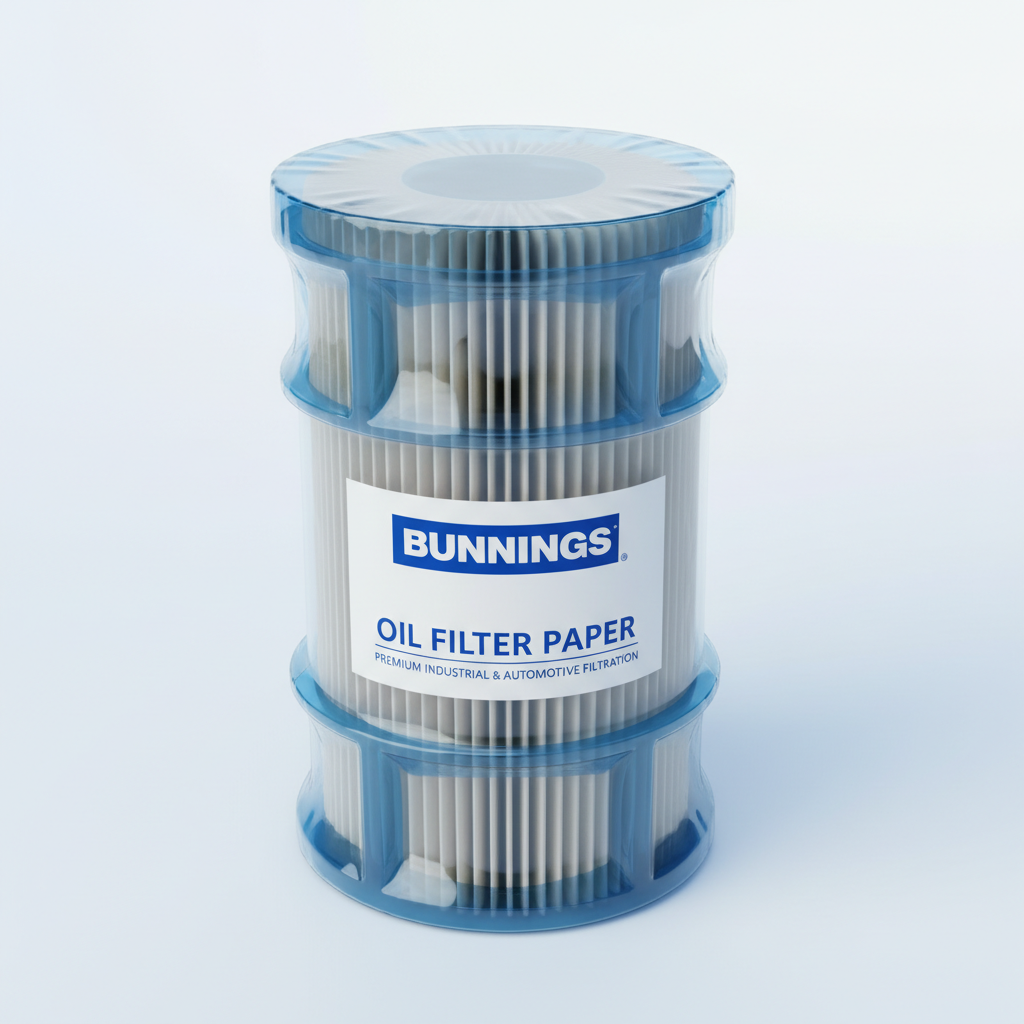
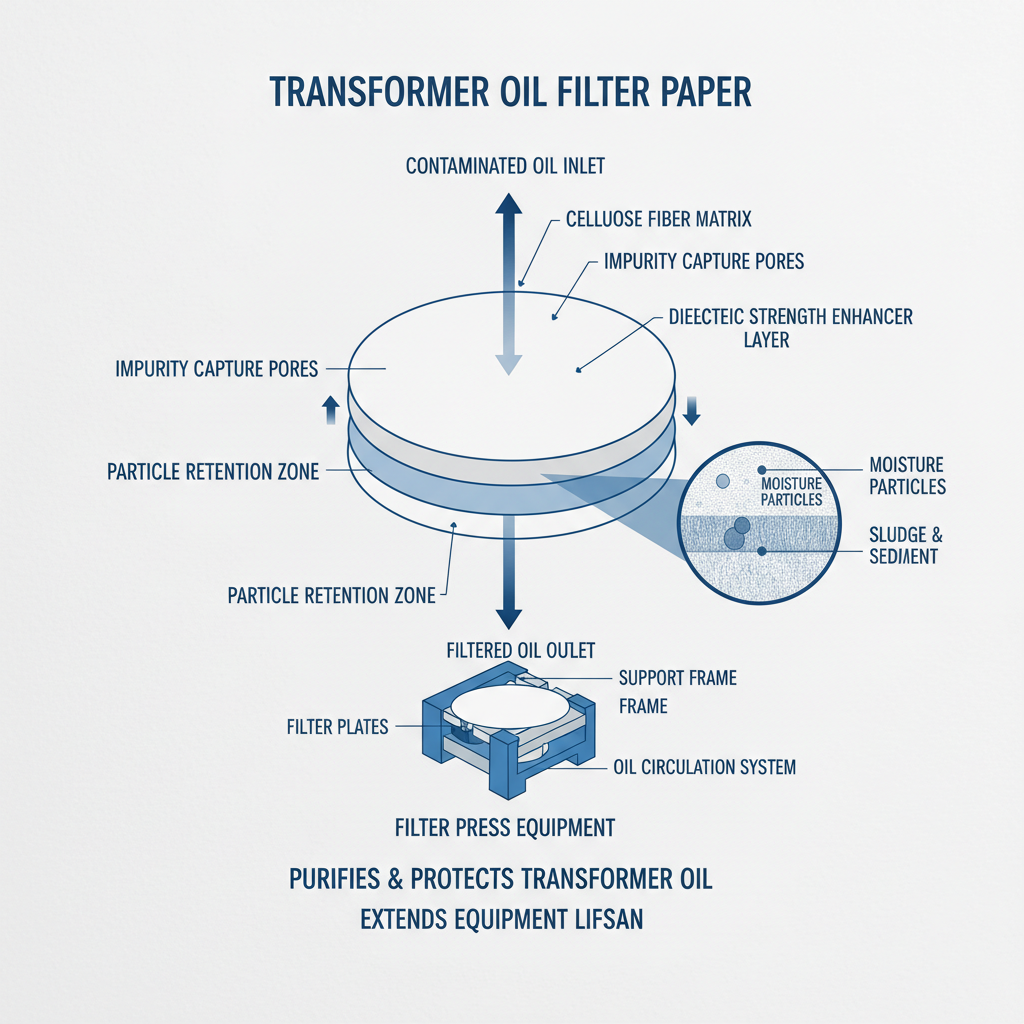
Industrial filter paper—it's not glamorous, but it’s the backbone of so much that keeps our world running smoothly. From keeping contaminants out of critical machinery to ensuring clean water access, this often-overlooked material is vital. I've spent years on construction sites, power plants, and manufacturing floors, and I can tell you firsthand, a failure in filtration can bring a whole operation to a screeching halt. Understanding the nuances of industrial filter paper isn’t just about specs and microns; it’s about preventing downtime, maintaining safety, and ensuring consistent product quality.
The demand for effective filtration is only growing. Global industrial output is increasing, pushing filtration systems to their limits. Regulations are tightening around emissions and water purity, demanding more sophisticated filter solutions. Plus, with increasing concerns over resource scarcity, the need for filters that can extend equipment life and reduce waste is paramount. It's a constantly evolving field, and staying ahead means understanding the latest material science and application techniques.
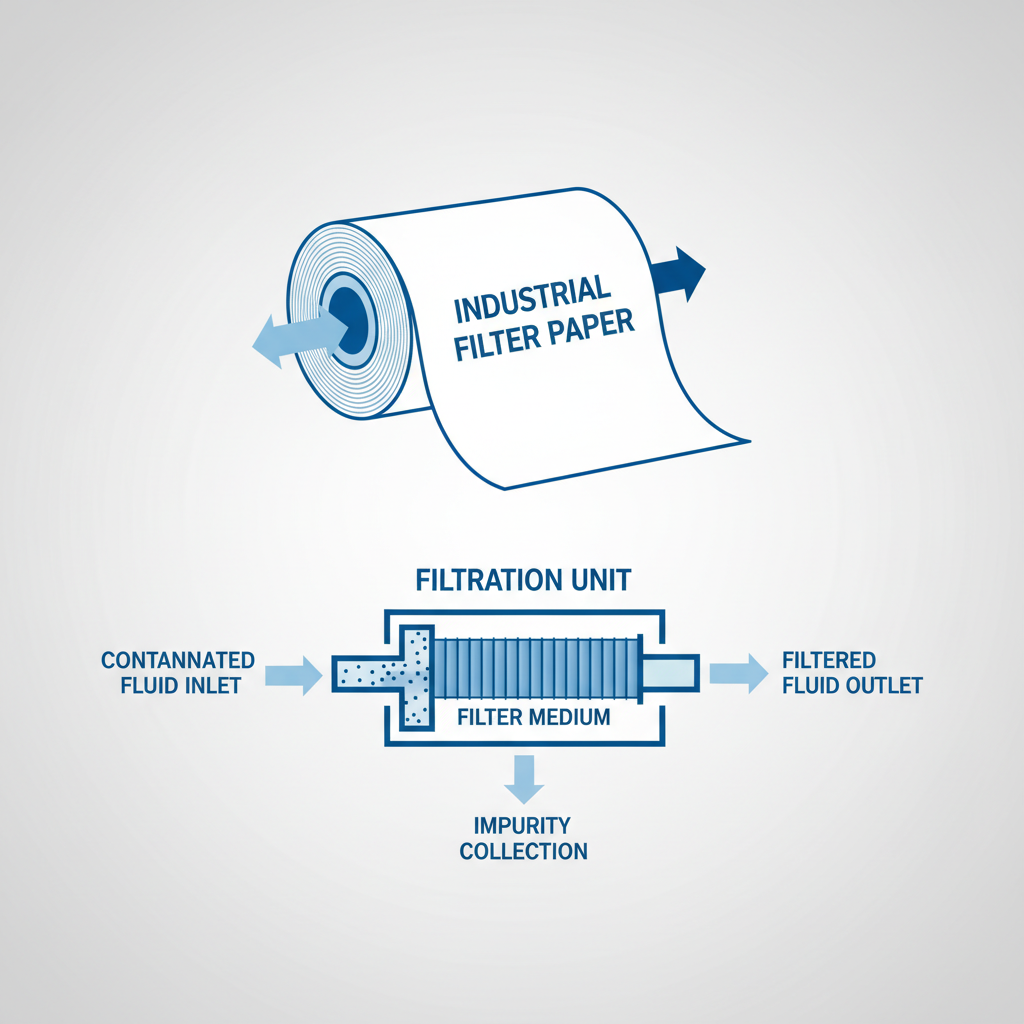
At its core, industrial filter paper is a specialized material designed to separate solids from fluids, or gases. It's a deceptively simple concept, but the execution is far from it. We're talking about engineered fabrics with precise pore sizes, chemical resistance, and structural integrity. It’s not the paper you write on; it's a critical component in processes ranging from chemical processing and pharmaceuticals to food and beverage production.
The Importance of Industrial Filter Paper
You’d be surprised how often a simple filter failure can lead to massive headaches. I’ve seen entire production lines shut down because a filter clogged unexpectedly, costing companies thousands of dollars per hour. It’s not just about preventing breakdowns, either. Using the right industrial filter paper extends the lifespan of expensive equipment by protecting it from abrasive particles and corrosive substances. Proper filtration is a proactive measure – an investment in reliability and efficiency.
The scale of this need is enormous. According to a recent report by the UN, global industrial production is projected to increase by 3.5% annually over the next decade. This growth puts immense pressure on filtration systems worldwide, driving demand for more durable, efficient, and sustainable filter paper solutions. It's a critical piece of infrastructure, often unseen, but always essential.
Defining Industrial Filter Paper
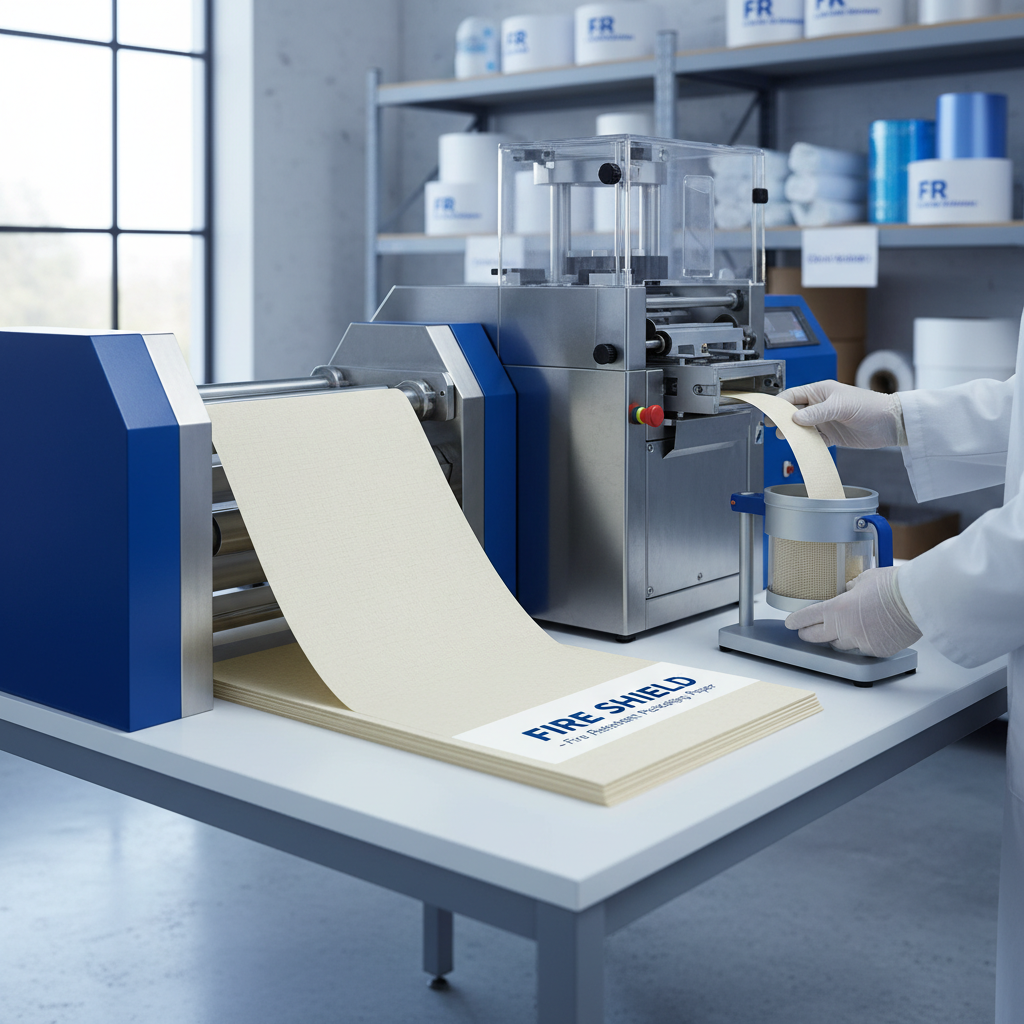
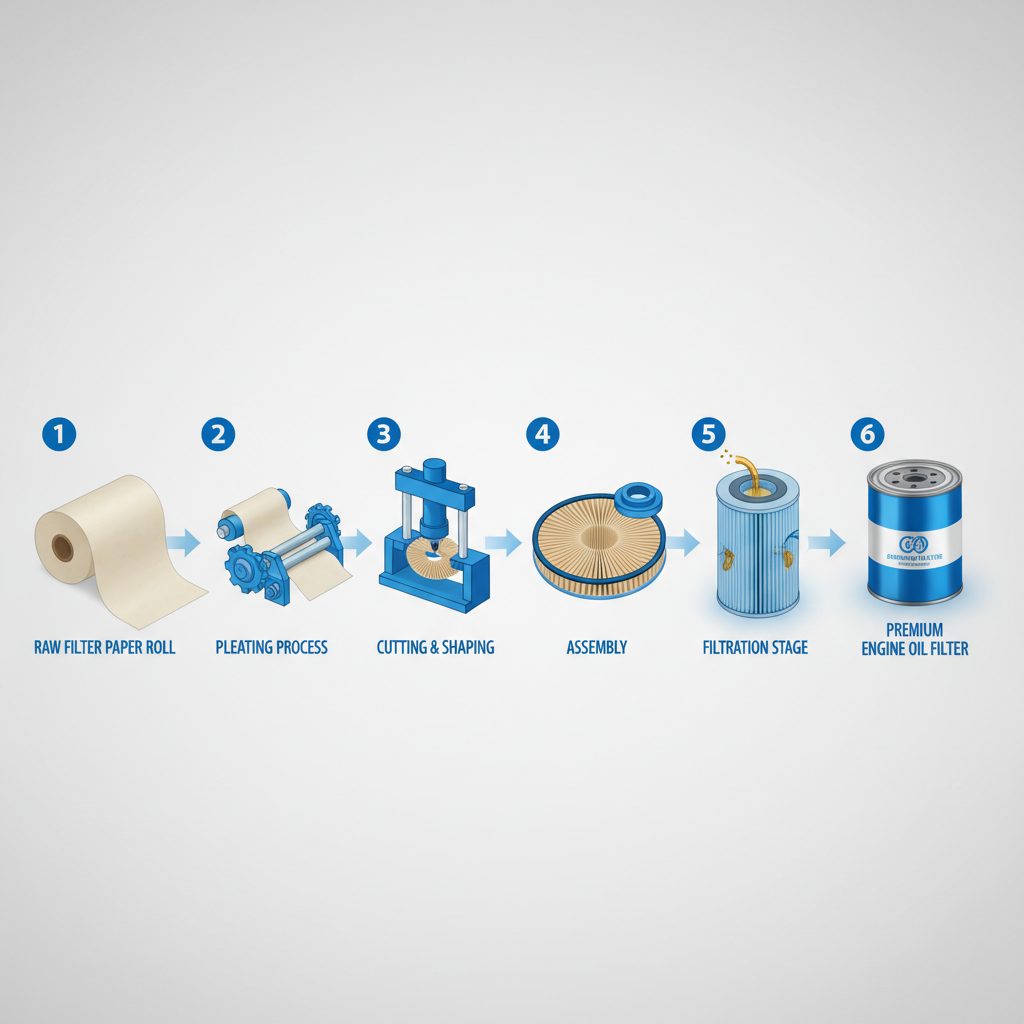
Industrial filter paper isn't your standard office paper. It’s a nonwoven material crafted from a variety of fibers – cellulose, synthetic polymers like polypropylene and polyester, and even fiberglass – depending on the application. The manufacturing process, involving layering, bonding, and sometimes chemical treatment, determines its specific properties. We’re talking about controlling pore size down to the micron level, ensuring the right flow rate, and creating a material that can withstand harsh chemicals and high temperatures.
It's a crucial element in many industrial processes, impacting everything from the purity of drinking water to the quality of pharmaceuticals. Consider a power plant; filter paper keeps debris out of cooling water systems, preventing damage to turbines. In the food and beverage industry, it ensures product safety and clarity. Its connection to modern industry and even humanitarian needs—providing clean water in disaster relief—is undeniable.
Ultimately, it's about separation. Removing unwanted particles, preserving product integrity, and protecting valuable equipment. It’s a process optimization tool as much as a protective measure.
Key Characteristics of High-Performance Filter Paper
Durability is paramount. Out in the field, I don’t have time for filters that tear or degrade quickly. We need materials that can withstand the stresses of continuous operation, resist chemical attack, and maintain their integrity over time. This is where the fiber composition and manufacturing process really matter. A well-made filter paper will hold up under pressure and maintain its filtration efficiency.
Flow rate is also critical. A filter that restricts flow too much will reduce process efficiency and potentially damage equipment. It’s a balancing act – you need sufficient filtration to remove contaminants, but not so much resistance that it slows down the entire system. Understanding the relationship between pore size, fiber density, and flow rate is key to selecting the right filter paper for a specific application.
Chemical compatibility is non-negotiable. Depending on the process, the filter paper might be exposed to acids, bases, solvents, or other corrosive substances. Choosing a material that’s resistant to these chemicals is essential to prevent degradation and maintain filtration performance. Using the wrong material can lead to filter failure, contamination, and even safety hazards.
Performance Metrics and Testing
When I'm evaluating filter paper, I'm not just looking at the specs on a datasheet. I need to see real-world performance. Key metrics include particle retention efficiency, measured in microns; flow rate, typically in gallons per minute; and burst pressure, which indicates the filter's ability to withstand stress. Standardized testing methods, like those defined by ASTM, are critical for ensuring consistent and reliable results.
We use a range of tests on-site: bubble point testing to determine pore size, pressure drop measurements to assess flow resistance, and even microscopic analysis to verify fiber structure and uniformity. Data is king. It’s about proving that the filter paper meets the specific requirements of the application.
Filter Paper Performance Comparison
Global Applications Across Industries
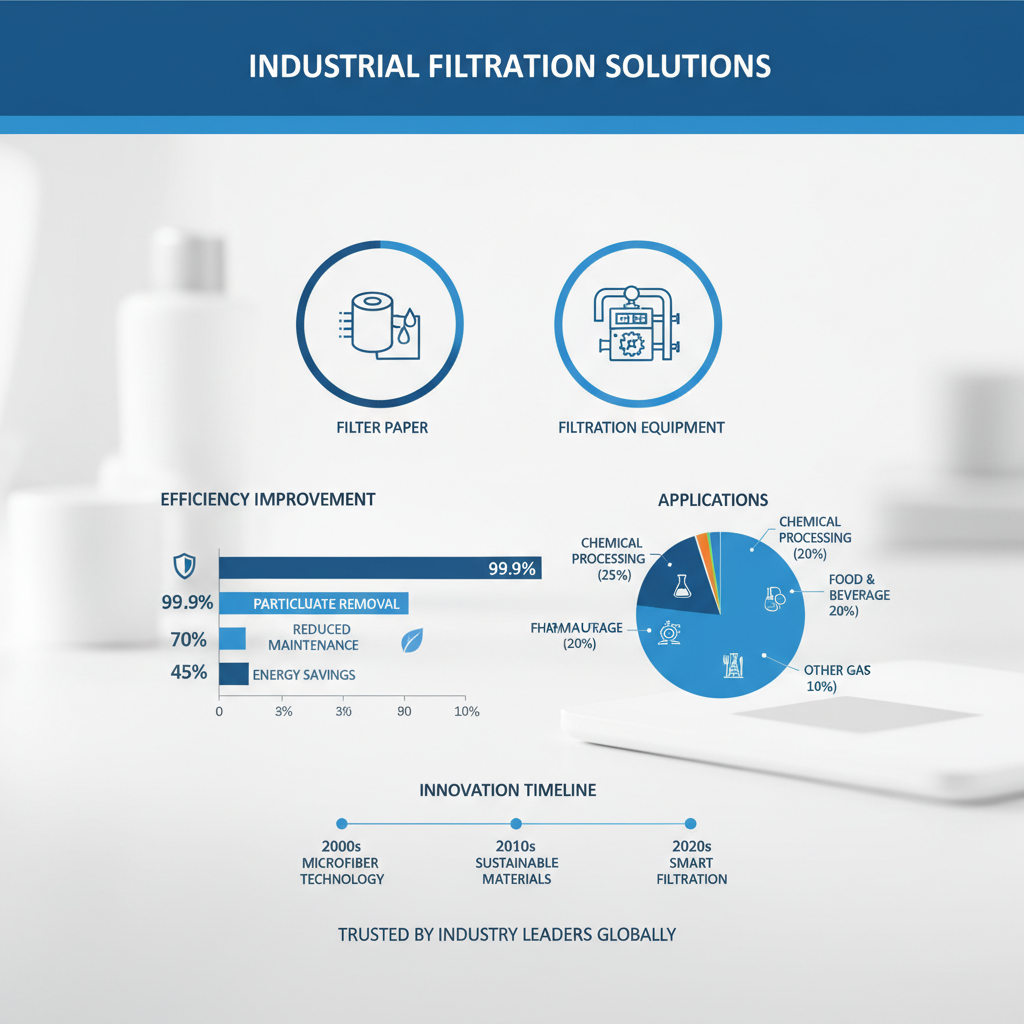
The applications are incredibly diverse. In the pharmaceutical industry, highly specialized filter paper ensures the sterility of injectable drugs. In the automotive sector, it’s used in air filters, oil filters, and fuel filters, protecting engine components. Power generation relies heavily on filtration to keep cooling water clean and prevent corrosion. From chemical processing to food and beverage, industrial filter paper is a critical component in maintaining quality and safety.
I’ve seen it used in remote mining operations in Australia, where water filtration is vital for processing ore, and in large-scale desalination plants in the Middle East, where it’s essential for producing potable water. In post-disaster relief operations, portable filtration systems using industrial filter paper provide access to clean drinking water to affected communities.
Benefits & Long-Term Value Proposition
The cost savings associated with using high-quality industrial filter paper are significant. Preventing equipment failure, extending equipment lifespan, and reducing downtime all contribute to a lower total cost of ownership. Beyond the economic benefits, there's a strong sustainability angle. Filters that last longer generate less waste, and efficient filtration can reduce energy consumption.
But it's not just about dollars and cents. Reliable filtration is critical for ensuring worker safety and protecting the environment. It’s about building trust with customers by delivering consistently high-quality products. Investing in the right filter paper is an investment in your reputation and long-term success.
Future Trends and Innovations
We're seeing a lot of exciting developments in filter paper technology. Nanomaterials are being incorporated to enhance filtration efficiency and create self-cleaning filters. Bio-based and biodegradable filter materials are gaining traction as companies strive for greater sustainability. And the integration of sensors and data analytics is enabling real-time monitoring of filter performance, allowing for predictive maintenance and optimized operation.
I’m particularly interested in the potential of 3D printing to create custom filters tailored to specific applications. This could revolutionize the way we approach filtration, enabling us to design filters with optimized geometries and materials for maximum performance. And with the rise of Industry 4.0, we'll see more and more filters integrated into smart manufacturing systems.
Summary of Key Challenges and Solutions in Industrial Filter Paper
| Challenge |
Impact on Operations |
Potential Solutions |
Implementation Costs (Scale 1-10) |
| Filter Clogging |
Reduced flow rates, increased pressure drop, process downtime |
Pre-filtration, automated backwashing systems, optimized filter media selection |
6 |
| Chemical Incompatibility |
Filter degradation, contamination of process stream, safety hazards |
Using chemically resistant filter materials (e.g., PTFE, polypropylene) |
7 |
| High Disposal Costs |
Environmental impact, increased operating expenses |
Using biodegradable filter materials, implementing filter recycling programs |
5 |
| Limited Filter Lifespan |
Frequent filter replacements, increased maintenance costs |
Employing higher-quality filter paper with improved durability |
4 |
| Inaccurate Filter Selection |
Suboptimal filtration performance, reduced efficiency |
Conducting thorough process analysis and selecting the appropriate filter media |
3 |
| Lack of Real-Time Monitoring |
Unforeseen filter failures, potential process disruptions |
Integrating sensors and data analytics for predictive maintenance |
8 |
FAQS
Absolute filtration rating signifies the filter's ability to remove 99.9% of particles at a specific micron size. Nominal filtration, on the other hand, indicates the percentage of particles larger than a specific micron size the filter will remove. In practical terms, absolute filters offer more consistent and reliable performance, critical in applications like pharmaceutical manufacturing or sterile fluid processing, while nominal filters are sufficient for less critical applications.
Determining the correct micron rating involves understanding the contaminants present in your process stream and the required purity level of your end product. Analyze your fluid or gas for particle size distribution. Then, select a filter paper with a micron rating slightly smaller than the smallest particle you need to remove, considering the pressure drop and flow rate limitations. Over-filtering can reduce flow, while under-filtering won't achieve the desired purity.
It depends on the type of filter paper and the nature of the contaminants. Some filter papers, particularly those made from robust synthetic materials, can be backwashed or chemically cleaned to remove accumulated debris. However, this process may not restore the filter to its original efficiency. Disposable filter paper is often more cost-effective and reliable for critical applications where maintaining consistent performance is paramount.
When dealing with corrosive environments, selecting chemically resistant filter paper is crucial. Materials like polypropylene, PTFE (Teflon), and fiberglass are generally resistant to a wide range of acids, bases, and solvents. Ensure the filter paper is compatible with all the chemicals present in the process stream to prevent degradation and contamination. Always check the chemical compatibility charts provided by the filter paper manufacturer.
Temperature significantly impacts the performance of industrial filter paper. Higher temperatures can reduce the filter’s structural integrity and accelerate chemical degradation. Some filter materials have specific temperature limits; exceeding these limits can lead to filter failure. Select filter paper rated for the operating temperature of your process. Moreover, temperature changes can affect fluid viscosity, influencing flow rate and filtration efficiency.
Pre-filtration is the initial stage of a multi-stage filtration system and serves to remove larger particles and debris. This protects downstream filters from premature clogging and extends their lifespan. It also reduces the overall filtration cost by minimizing the frequency of filter replacements. Pre-filters are typically made from coarser materials and are less expensive to replace than the final, more precise filters.
Conclusion
Industrial filter paper is a foundational element across a vast spectrum of industries. From safeguarding equipment and optimizing processes to protecting the environment and ensuring product quality, its role is paramount. Understanding the key characteristics, performance metrics, and emerging trends in filter paper technology is critical for anyone involved in industrial operations. Ignoring this often-overlooked component can lead to costly downtime, reduced efficiency, and compromised safety.
Looking ahead, we’ll see continued innovation in materials science, manufacturing processes, and data-driven filter management. Embracing these advancements will be key to unlocking even greater efficiency, sustainability, and reliability. To learn more about our range of industrial filter paper solutions and how we can help optimize your processes, visit our website at www.anyafiltermedia.com.