You know, I've been running around construction sites all year, getting my hands dirty with materials, and chatting with engineers. Lately, everyone's talking about efficiency, prefabrication, and… well, reducing costs. It's all about getting things done faster and cheaper, right? But, believe me, rushing things often leads to bigger headaches down the line.
To be honest, I’ve seen so many "innovations" that just end up being a pain in the neck for the guys actually putting things together. It's easy to get caught up in fancy designs, but if it doesn’t translate to a smooth workflow on-site, it’s useless. Have you noticed how many products are designed by people who’ve never actually used them? It’s infuriating.
We're talking a lot about cellulose nitrate membrane filter paper these days – it's not new, mind you, but it's getting a lot of attention with the push for cleaner processes and more precise filtration. It's a bit different handling it than, say, your standard polypropylene filter. It's…delicate. Has a slightly sweet, almost chemical smell – not unpleasant, but you know it's there. You really need to be careful unfolding it; it can tear easily if you're not gentle. I encountered a shipment at the Qingdao factory last time that was badly damaged because of rough handling during transport.
Understanding Cellulose Nitrate Membrane Filter Paper
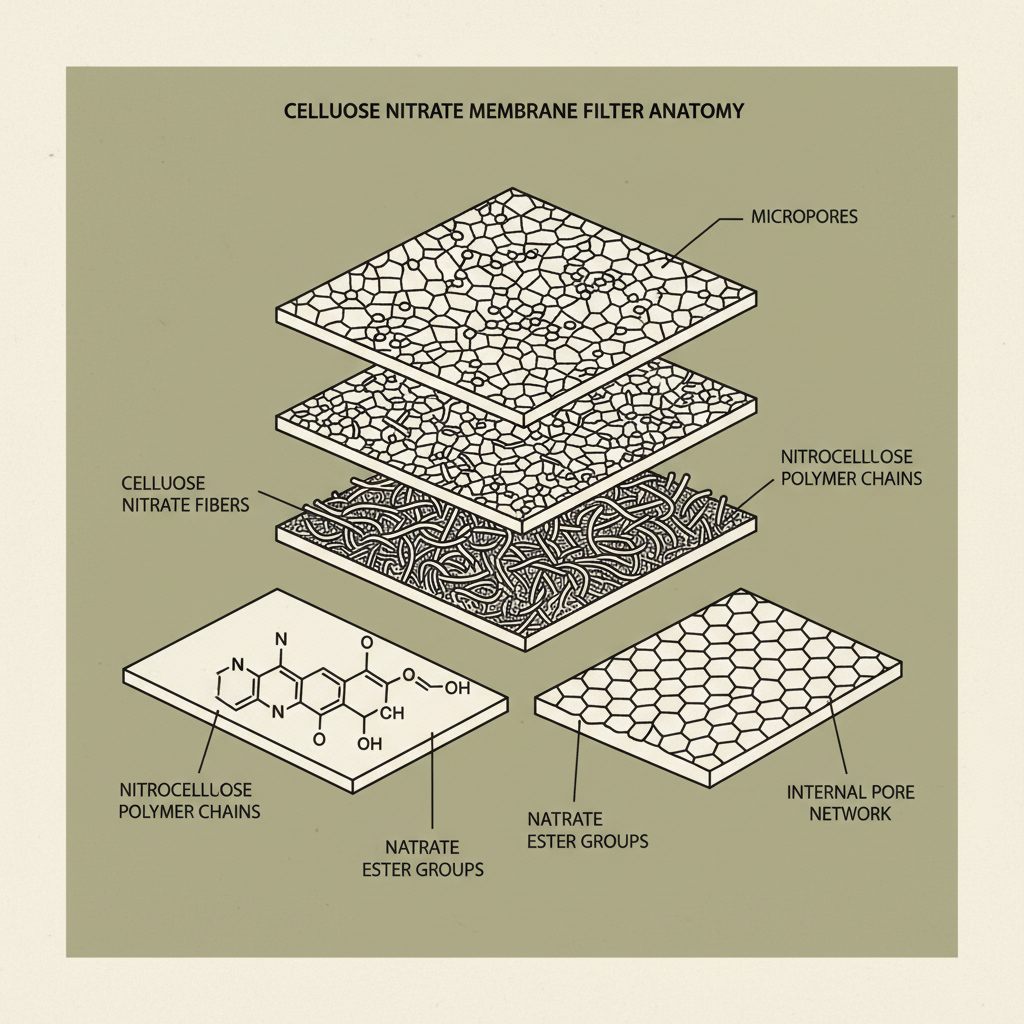
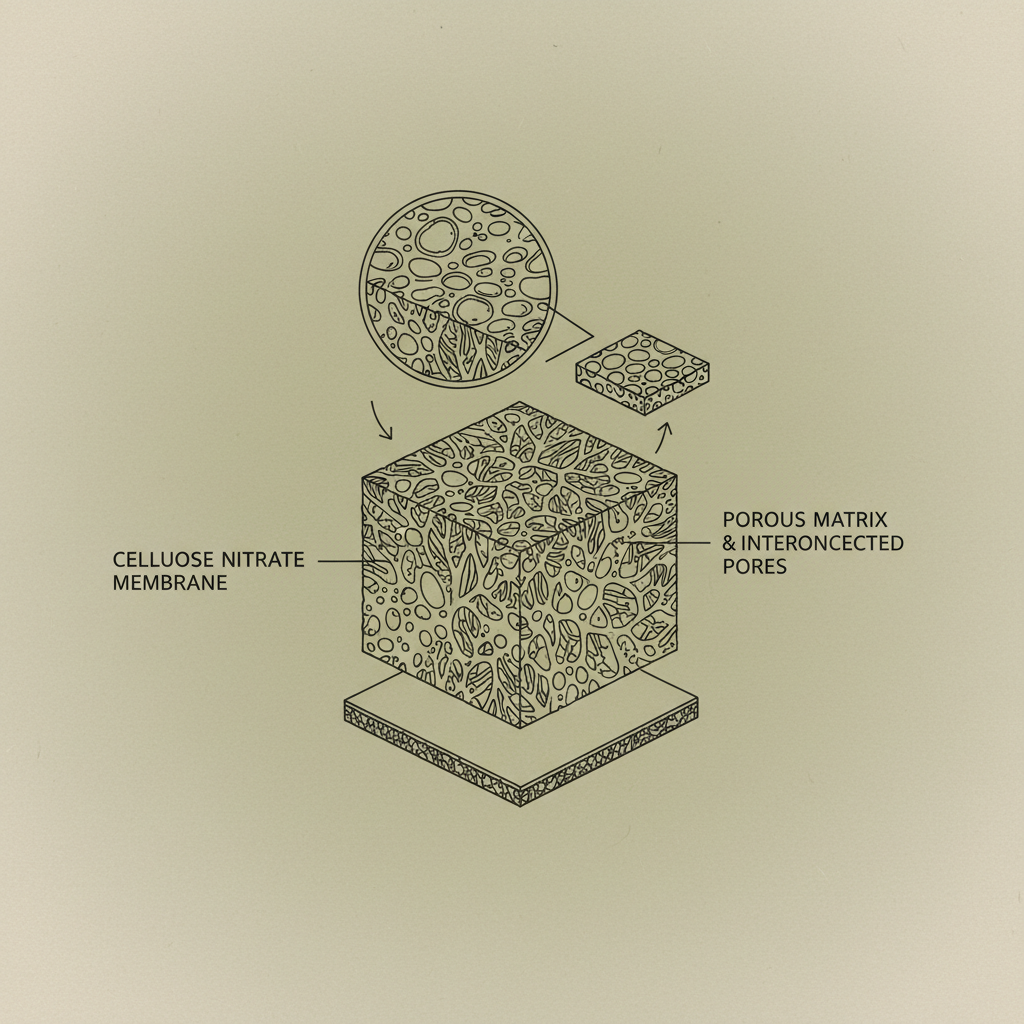
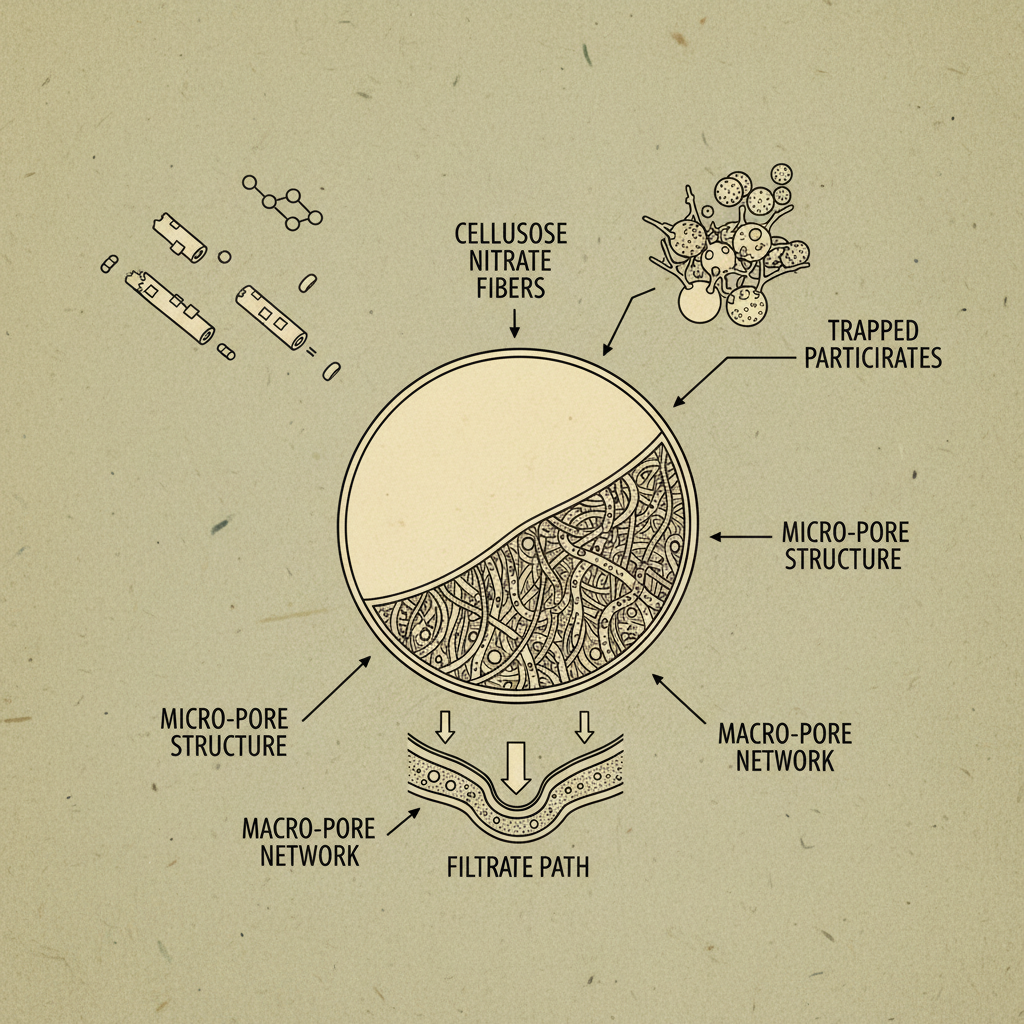
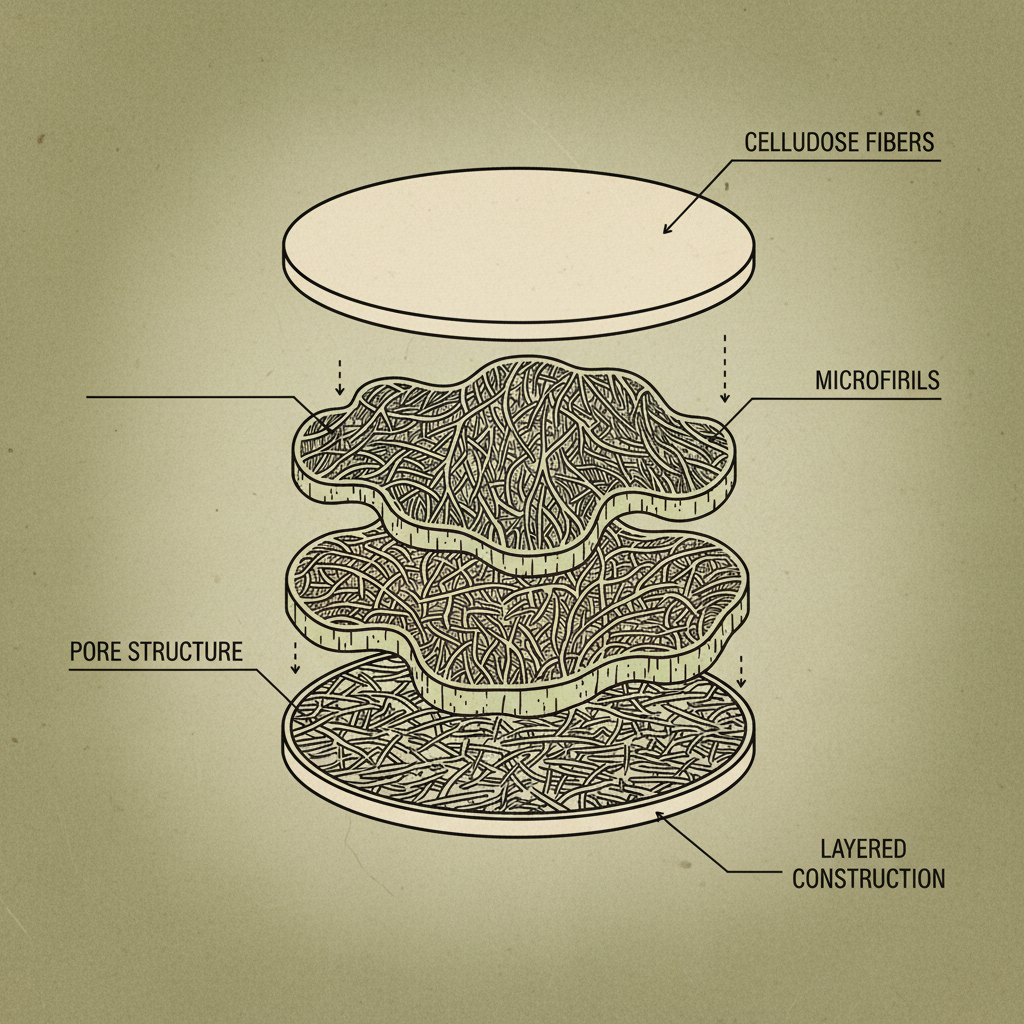
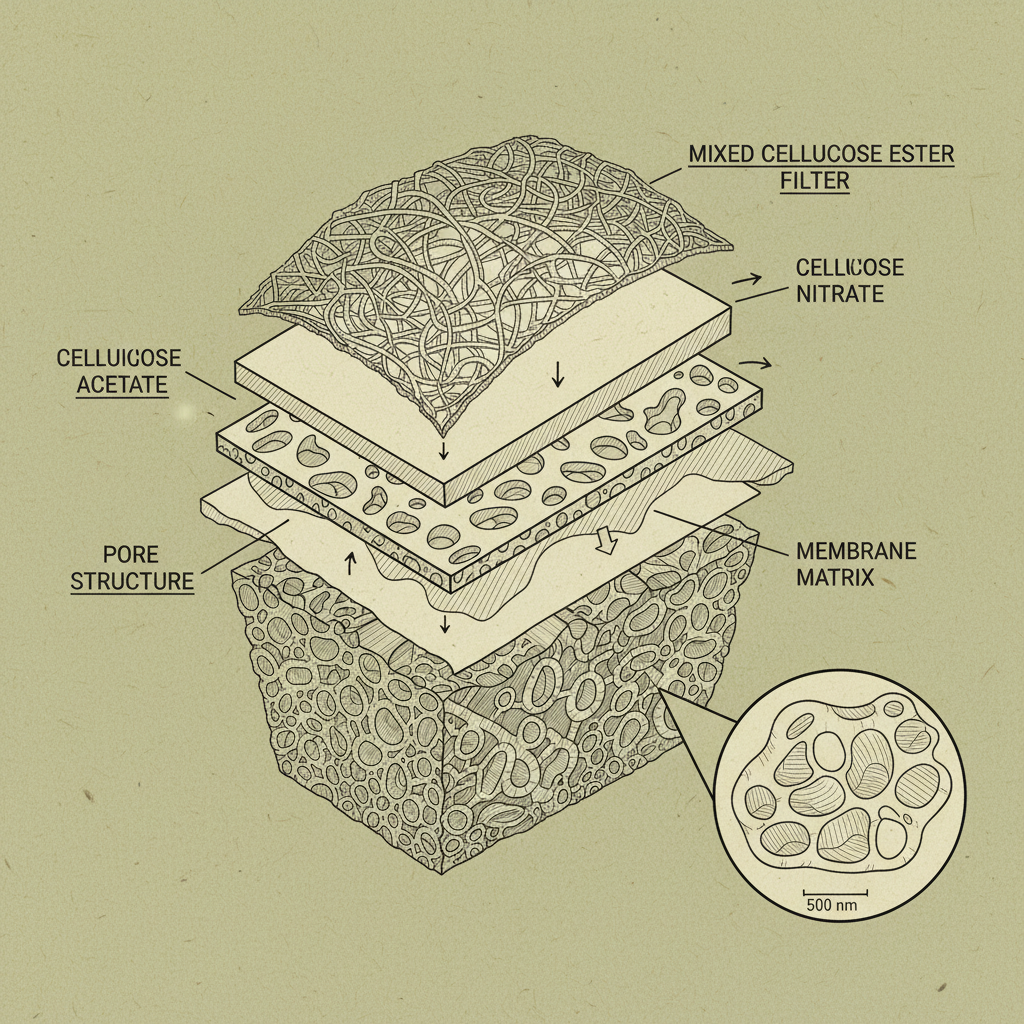
Essentially, it's a membrane made from cellulose nitrate – a chemically modified cellulose – used for very fine filtration. Think of it as a super-precise sieve. It’s been around for a while, originally used a lot in photographic film, but now it's crucial in pharmaceutical manufacturing, food and beverage processing, and a whole bunch of industrial applications where you need incredibly clean liquids or gases.
It’s a bit of a throwback, honestly. A lot of people are moving towards PTFE or PVDF membranes, but cellulose nitrate still holds its own, especially when dealing with certain solvents. It has a natural affinity for aqueous solutions, which can be a real advantage.
The Global Landscape and Rising Demand
The market for these filters is surprisingly robust. You're looking at a steady global demand, driven mostly by the pharmaceutical industry’s stringent requirements. ISO standards are getting tighter and tighter, and companies have to meet them. I read a report from the World Bank last year saying that demand for high-quality filtration systems is directly correlated to the growth of the middle class in developing nations – people want cleaner water, safer food, that kind of thing.
What’s been driving the recent uptick, strangely, is the craft beer industry. They’re obsessed with clarity and taste, and cellulose nitrate filters are fantastic for removing yeast and other particles without stripping the flavor. Never thought I'd be talking about beer when discussing industrial filtration!
The biggest challenge right now is supply chain stability. A lot of the raw cellulose nitrate comes from a few key producers in Asia, and disruptions there – like we saw a couple of years ago – can ripple through the whole industry. It creates a lot of uncertainty for manufacturers.
Core Characteristics and Manufacturing Nuances
The key properties are pore size, flow rate, and compatibility with the fluid you're filtering. You can get these membranes with incredibly small pore sizes – down to 0.2 microns or even smaller – which is essential for sterile filtration. The flow rate is… well, it's decent, but it's not the fastest. That’s one of the tradeoffs.
Manufacturing is tricky. It involves dissolving cellulose in a mixture of nitric and sulfuric acid – not something you want to mess with. The process needs to be carefully controlled to get the right pore structure and membrane thickness. I visited a plant in Germany once, and the safety protocols were insane. They had multiple layers of protection, constant monitoring, and emergency shutdown systems everywhere. It’s not a casual operation.
Another thing, it's sensitive to temperature and humidity. You need to store it properly, in a cool, dry place, or the pore size can change. And it's not great with strong oxidizing agents – they can degrade the membrane.
Performance Metrics: Beyond the Lab
Lab tests are fine, but they don’t tell the whole story. You need to see how these filters perform under real-world conditions – with varying temperatures, pressures, and fluid compositions. I once had a client using these filters for a solvent recovery process. The lab results looked great, but on-site, the filter clogged up within hours. Turns out, there were trace amounts of particulate matter in the solvent that the lab test hadn’t accounted for.
We started doing field tests, measuring the flow rate over time and analyzing the filtered product. That’s when we realized the issue. We had to add a pre-filter to remove the larger particles and protect the cellulose nitrate membrane. Anyway, I think real-world testing is crucial.
Cellulose Nitrate Membrane Filter Paper – Performance Comparison
Real-World Applications Across Industries
Like I said, pharmaceuticals are huge – sterile filtration of IV solutions, antibiotics, that sort of thing. But it's also used a lot in food and beverage, especially for clarifying juices, wines, and beer. And increasingly, we're seeing it in microelectronics, for filtering process chemicals.
I've seen it used in some pretty niche applications, too. There was a company making specialized coatings for medical devices. They needed to remove incredibly fine particles from their coating solutions, and cellulose nitrate membrane filter paper was the only thing that could do the job.
The Upsides, Downsides, and Customization Options
The biggest advantage is its cost-effectiveness. It’s generally cheaper than PTFE or PVDF membranes, which is a big deal when you're buying in large quantities. It also has good chemical compatibility with a wide range of solvents. The downside? It's not as mechanically strong as some of the other materials, and it can be brittle when dry.
You can get these filters customized in terms of pore size, diameter, and even thickness. I had a customer last month, a small boss in Shenzhen who makes smart home devices. He insisted on changing the interface to for his filtration system – said it was "more modern." The result was a nightmare. He ended up having to redesign the whole housing because the connector was too big. It was a complete waste of time and money.
Durability and Long-Term Reliability Assessment
That's a tough one. These aren't filters you can just throw in and forget about. They need regular monitoring and replacement. How long they last depends heavily on the application, the fluid being filtered, and the operating conditions.
We've been working with a client who uses these filters in a continuous manufacturing process. They've implemented a system where they track the pressure drop across the filter and replace it when it reaches a certain threshold. That seems to be working well for them. But honestly, it's a bit of a guessing game sometimes.
What I've learned over the years is that you can't rely on specs alone. You need to understand how the filter behaves in your specific application. And you need to be prepared to adjust your process accordingly.
Assessment of Key Durability Factors for Cellulose Nitrate Membrane Filter Paper
| Parameter |
Rating (1-10) |
Impact on Longevity |
Mitigation Strategies |
| Fluid Compatibility |
7 |
Moderate |
Pre-filtration, material selection |
| Temperature Resistance |
5 |
High |
Temperature control, alternative materials |
| Mechanical Strength |
4 |
High |
Support structures, gentle handling |
| Chemical Exposure |
6 |
Moderate |
Compatibility testing, protective coatings |
| Pore Size Stability |
8 |
Moderate |
Controlled storage, humidity control |
| Handling Sensitivity |
3 |
High |
Careful unpacking and installation |
FAQS
Cellulose nitrate membrane filter paper finds use primarily in sterile filtration within pharmaceutical manufacturing, food and beverage clarification (especially beer and wine), and laboratory sample preparation. It's favored where low protein binding and compatibility with aqueous solutions are key. Essentially, it’s about getting clean liquids, whether for drinking, injecting, or analysis. It’s not always the strongest, but it’s effective when used correctly.
PTFE and PVDF are generally more chemically resistant and can withstand higher temperatures, making them suitable for harsher applications. However, cellulose nitrate often exhibits lower protein binding, meaning less sample loss during filtration of biological materials. It also tends to be more cost-effective. It’s a trade-off; you choose the material based on the specific needs of the process. For certain aqueous applications, cellulose nitrate remains a strong contender.
The shelf life is typically around 2-3 years, if stored properly. That means cool, dry conditions, away from direct sunlight and humidity. Exposure to moisture can degrade the membrane and alter its pore size. Always check the manufacturer’s specifications for precise storage recommendations and expiration dates. Old filters can give you unreliable results and are just not worth the risk.
Generally, no. Autoclaving (sterilization with high-pressure steam) can damage the cellulose nitrate membrane, altering its pore size and reducing its effectiveness. It's usually best to sterilize the solution before filtration or use a filter that's compatible with autoclaving, like PTFE. Always check the manufacturer's guidelines. Trying to autoclave it is just asking for trouble.
You can find cellulose nitrate membranes with pore sizes ranging from 0.2 microns (for sterile filtration) up to 5 microns or even larger for pre-filtration. Common sizes include 0.22 μm, 0.45 μm, and 1.2 μm. The choice of pore size depends on the size of the particles you need to remove and the desired level of clarity. Selecting the right pore size is crucial for optimal performance.
That's a complicated question. Cellulose itself is a renewable resource, but the nitration process involves strong acids and can generate waste. Disposal also needs to be handled carefully. It’s not the most eco-friendly option, but manufacturers are working on more sustainable production methods. It's a trade-off between performance, cost, and environmental impact.
Conclusion
So, where does that leave us? Cellulose nitrate membrane filter paper isn’t the newest kid on the block, but it’s still a valuable tool for a wide range of applications. It offers a good balance of performance, cost-effectiveness, and compatibility, especially when dealing with aqueous solutions. It's not a perfect material – it's delicate, sensitive to temperature, and not the most chemically robust – but when you understand its limitations and use it correctly, it can deliver excellent results.
Ultimately, whether this thing works or not, the worker will know the moment he tightens the screw. You can run all the lab tests in the world, but if it doesn’t perform on the line, it's useless. That’s what I always tell my team. Focus on real-world performance, listen to the guys on the ground, and don’t get caught up in fancy specs. It's a simple philosophy, but it's served me well over the years.
Visit our website: https://www.anyafiltermedia.com