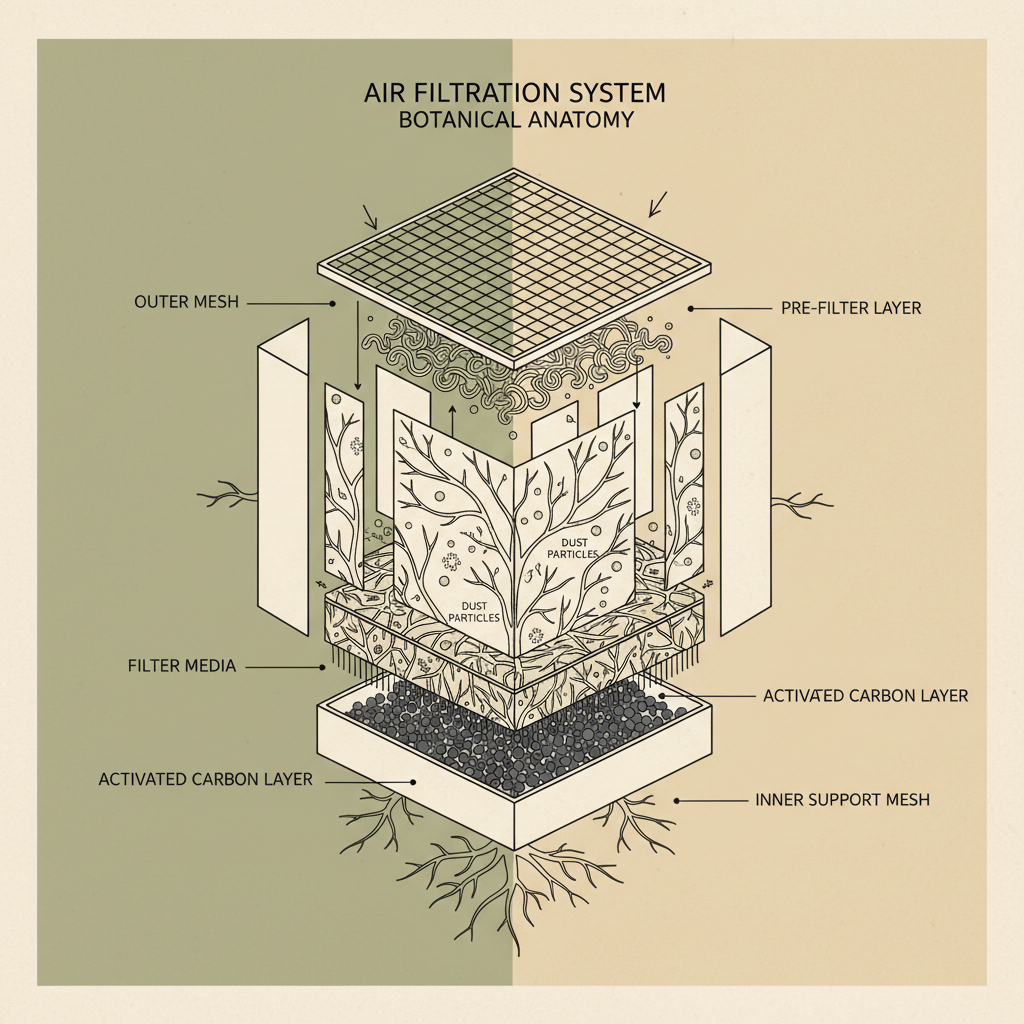
The global demand for efficient air filtration is constantly rising, driven by increasing industrialization, stricter environmental regulations, and heightened awareness of indoor air quality. This demand has propelled the growth of the air filter paper factory industry, vital for producing the core component of numerous filtration systems. From HVAC systems in buildings to critical filters in manufacturing processes and vehicle engines, air filter paper is an indispensable material. Understanding the intricacies of this industry – its manufacturing processes, material science, and future innovations – is crucial for professionals across various sectors.
The air filter paper factory sector plays a significant role in public health and environmental protection. As air pollution continues to be a major global concern, the need for effective filtration solutions becomes paramount. According to the World Health Organization, air pollution causes millions of premature deaths annually. The performance and availability of high-quality air filter paper directly impact our ability to mitigate these risks. Furthermore, advancements in filter media contribute to energy efficiency by reducing pressure drop across filters, lowering operational costs for businesses and consumers alike.
Investing in and understanding the complexities of air filter paper manufacturing is not merely a matter of industrial efficiency; it’s an investment in a healthier future. The industry's commitment to sustainability, technological advancement, and responsible production practices is vital for addressing global air quality challenges. A robust air filter paper factory infrastructure is the foundation for cleaner air and healthier communities worldwide.
Introduction to Air Filter Paper Factories
Air filter paper factories are specialized manufacturing facilities dedicated to producing the crucial media used in a wide array of filtration systems. These factories aren’t simply about creating paper; they involve complex processes integrating material science, engineering, and quality control to meet stringent performance standards. The core product is typically a non-woven or woven material constructed from cellulose, synthetic fibers, or a blend of both, designed to capture particulate matter from air streams.
The sophistication of a modern air filter paper factory extends beyond the basic production line. They often incorporate research and development departments focused on innovating filter media with enhanced efficiency, durability, and specialized properties for specific applications. This commitment to innovation is driven by evolving industry needs and increasingly demanding air quality standards.
Defining the Air Filter Paper Factory
An air filter paper factory can be defined as a manufacturing facility that specializes in the production of filter media specifically designed for air filtration applications. This includes various types of filter paper, non-woven fabrics, and composite materials engineered to remove particulate matter, pollutants, and contaminants from airflow. These factories cater to diverse industries including automotive, HVAC, industrial manufacturing, and healthcare.
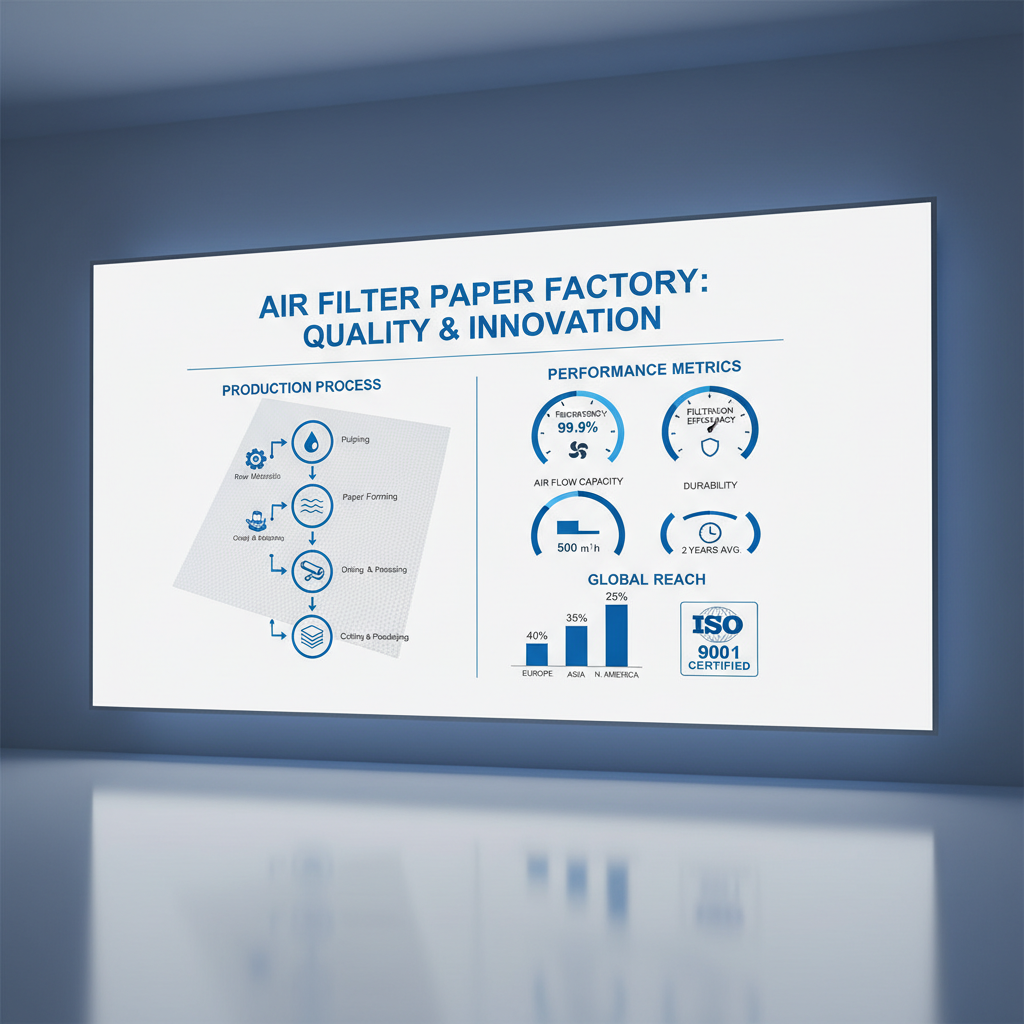
The scope of a typical air filter paper factory encompasses the entire production cycle – from raw material sourcing (cellulose, synthetic fibers, etc.) to the finished filter media product. Processes include fiber preparation, web formation, chemical treatment (for enhancing filtration efficiency or antimicrobial properties), drying, calendaring, and quality control testing.
The connection to modern industry is undeniable. As industries strive for cleaner production processes and improved worker safety, demand for effective air filtration systems rises, directly impacting the growth and innovation within the air filter paper factory sector. Furthermore, the focus on sustainability and energy efficiency is pushing manufacturers to develop filter media with lower pressure drops and extended lifespans.
Core Components of Air Filter Paper Production
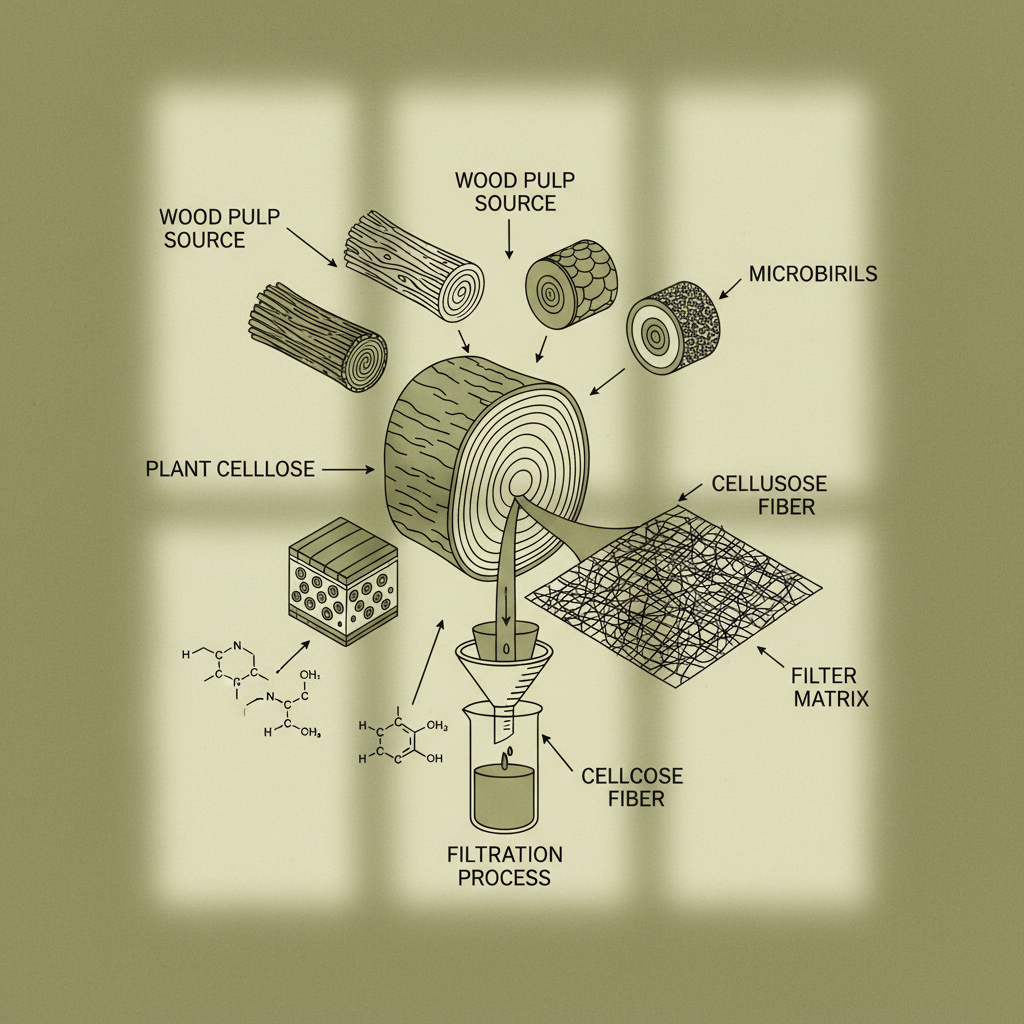
Several key factors contribute to the quality and effectiveness of air filter paper. Fiber Composition is paramount; the type of fiber (cellulose, polypropylene, polyester, etc.) significantly influences filtration efficiency, durability, and cost. Different blends are engineered for specific applications, such as capturing fine particles or resisting moisture. The process is carefully managed in an air filter paper factory to ensure consistent material characteristics.
Web Formation Technology also plays a crucial role. Methods like spunbonding, meltblowing, and wet-laid processes determine the structure and porosity of the filter media. Spunbonding creates a strong, durable web, while meltblowing produces very fine fibers for high efficiency filtration. Advanced air filter paper factory operations may employ hybrid techniques to achieve optimal performance.
Chemical Treatment enhances filter performance. This may involve adding antimicrobial agents to prevent mold growth, electrostatic charge enhancers to improve particle capture, or water-repellent coatings to maintain efficiency in humid environments. The careful application of these treatments is a hallmark of a quality air filter paper factory.
Global Applications and Industry Impact
Air filter paper is utilized extensively across a broad spectrum of industries. In the Automotive Sector, it’s integral to cabin air filters and engine air filters, ensuring both passenger comfort and optimal engine performance. The HVAC Industry relies heavily on air filter paper for residential, commercial, and industrial ventilation systems, contributing to improved indoor air quality.
The Industrial Manufacturing sector utilizes specialized air filter paper in cleanrooms, paint booths, and process filtration systems to maintain product quality and worker safety. Even in Healthcare Facilities, high-efficiency particulate air (HEPA) filters incorporating advanced air filter paper are crucial for infection control and maintaining sterile environments.
In remote industrial zones and developing nations, access to reliable air filtration is particularly important. Air filter paper factories supplying these regions contribute significantly to public health by providing affordable and effective filtration solutions. In post-disaster relief operations, portable air filtration units utilizing readily available filter paper can drastically improve air quality for affected populations.
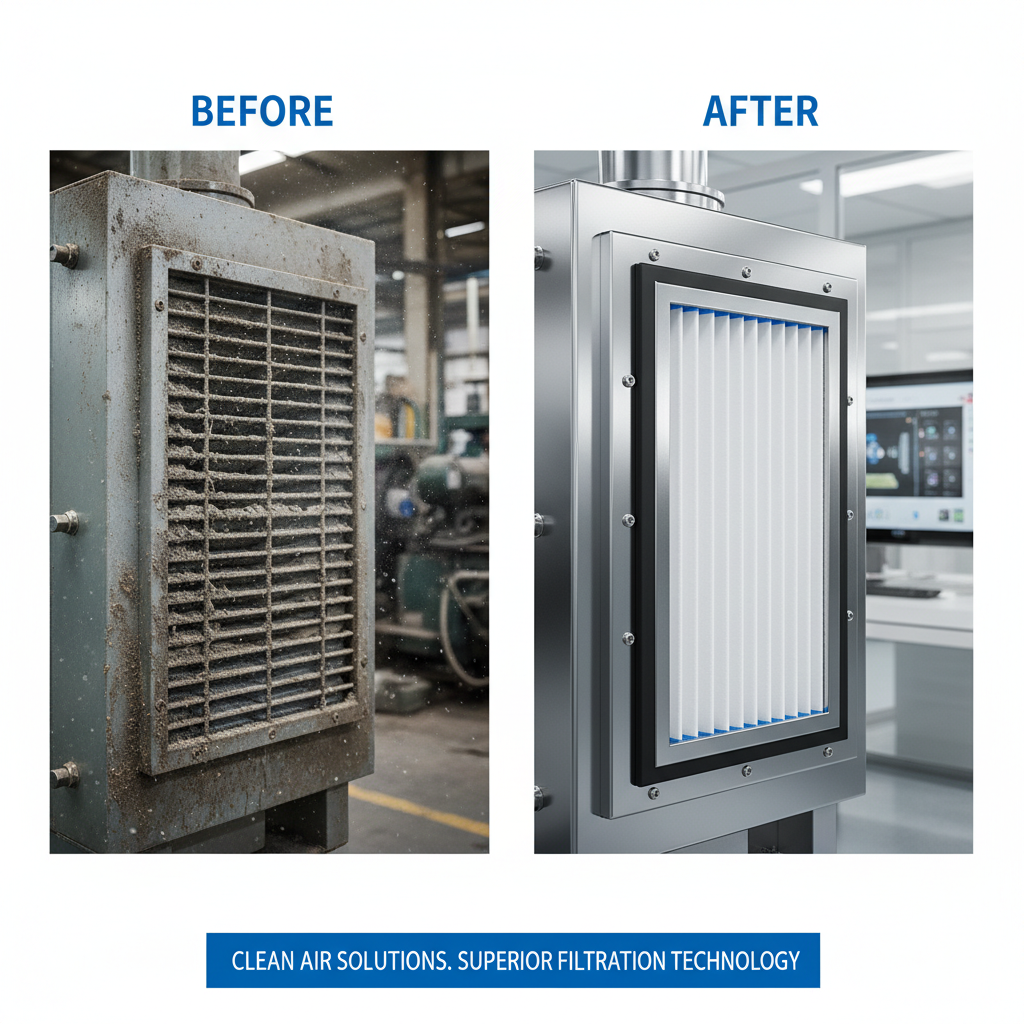
Air Filter Paper Factory Efficiency Comparison
Advantages and Long-Term Value Proposition
The benefits of utilizing high-quality air filter paper extend far beyond simple particle removal. Cost Efficiency is a key advantage; filters with higher efficiency and longer lifespans reduce the frequency of replacements, minimizing maintenance costs for consumers and businesses. Beyond economic gains, improved air quality directly translates to enhanced health and well-being.
Sustainability is becoming an increasingly important factor. Modern air filter paper factories are focusing on using recycled materials, reducing waste, and developing biodegradable filter media. This commitment aligns with the growing demand for environmentally responsible products.
Future Trends in Air Filter Paper Factories
The future of air filter paper manufacturing is poised for significant innovation. Nanotechnology is being explored to create filter media with even smaller pore sizes and enhanced capture rates. Developments in bio-based materials offer the potential for fully biodegradable and compostable filters, addressing growing environmental concerns.
Digital transformation is also playing a role, with advancements in sensor technology and data analytics enabling real-time monitoring of filter performance and predictive maintenance. Smart filters that can communicate their condition and alert users when replacement is needed are becoming increasingly viable.
Challenges and Solutions in Manufacturing
One major challenge facing air filter paper factories is maintaining consistent quality across large-scale production runs. Variations in raw materials or manufacturing processes can impact filter performance. Implementing rigorous quality control measures and investing in advanced process monitoring systems are crucial solutions.
Another hurdle is adapting to increasingly stringent air quality standards. Manufacturers must continually invest in research and development to create filter media capable of capturing ever-smaller particles and addressing emerging pollutants. Collaboration between industry, academia, and regulatory bodies is essential for driving innovation.
Finally, the environmental impact of production processes needs to be minimized. Investing in cleaner production technologies, reducing waste generation, and sourcing sustainable raw materials are critical steps towards building a more responsible and sustainable air filter paper factory industry.
Summary of Key Challenges and Solutions in Air Filter Paper Factory Manufacturing
| Challenge |
Impact Area |
Proposed Solution |
Implementation Cost (1-10) |
| Inconsistent Raw Material Quality |
Filter Performance |
Diversify Suppliers & Strict QC |
6 |
| Evolving Air Quality Standards |
Product Compliance |
R&D Investment in New Materials |
8 |
| Waste Generation during Production |
Environmental Impact |
Implement Recycling Programs |
5 |
| High Energy Consumption |
Operational Costs |
Invest in Energy-Efficient Equipment |
7 |
| Maintaining Production Efficiency |
Output & Profitability |
Automation & Process Optimization |
9 |
| Skilled Labor Shortage |
Operational Capacity |
Training Programs & Employee Retention |
4 |
FAQS
The most common raw materials include cellulose fibers (derived from wood pulp), synthetic fibers like polypropylene and polyester, and various additives for enhancing performance. The specific blend depends on the intended application of the filter paper. For example, filters needing higher efficiency often utilize a greater proportion of synthetic fibers due to their finer structure. Choosing the right raw materials is a core competency of any quality air filter paper factory.
MERV (Minimum Efficiency Reporting Value) rating dictates the stringency of the production process. Higher MERV ratings require finer fibers, tighter web formation, and often the inclusion of electrostatic charge enhancers. Air filter paper factories specializing in high-efficiency filters invest in specialized equipment and quality control procedures to consistently meet these demanding standards. This often translates to increased production costs and stricter raw material specifications.
Electrostatic charge enhances the ability of filter paper to attract and capture airborne particles. By imparting a static charge to the fibers, the filter creates an electrostatic field that draws in particles, even those that might otherwise pass through the pores. However, maintaining the charge is crucial, as it can diminish over time due to humidity or contamination. Quality air filter paper factories employ durable charging agents and moisture-resistant treatments to prolong filter effectiveness.
Environmental regulations are driving significant changes in the industry. There's increased pressure to reduce waste generation, utilize recycled materials, and eliminate harmful chemicals from the production process. Air filter paper factories are responding by investing in cleaner production technologies, developing biodegradable filter media, and adhering to stricter emission standards. Sustainability is no longer a niche concern but a core business imperative.
Essential quality control measures include fiber analysis, basis weight testing, air permeability measurements, particle retention efficiency tests, and burst strength assessments. Regular inspections throughout the production process and final product testing are crucial for ensuring consistent performance and meeting customer specifications. A robust quality control system is a hallmark of a reputable air filter paper factory.
The lifespan of air filter paper varies significantly depending on the environment, the type of particles being filtered, and the filter’s MERV rating. It’s determined by factors like dust loading capacity, airflow rate, and exposure to moisture. Manufacturers typically specify a recommended replacement interval based on these parameters. Regular monitoring of pressure drop across the filter is a good indicator of when replacement is needed. Selecting a reputable air filter paper factory ensures filters are designed for optimal longevity.
Conclusion
In conclusion, the air filter paper factory industry is a critical component of a global ecosystem dedicated to improving air quality and protecting public health. From its sophisticated manufacturing processes to its diverse applications across industries, this sector consistently evolves to meet growing demands and stringent standards. Understanding the key factors influencing production, performance, and sustainability is paramount for professionals and consumers alike.
Looking ahead, continued innovation in materials science, manufacturing technologies, and digital integration will shape the future of air filtration. By embracing sustainable practices, investing in research and development, and fostering collaboration across the supply chain, the air filter paper factory industry will play an increasingly vital role in creating a cleaner, healthier, and more sustainable world. Visit our website at www.anyafiltermedia.com to learn more about our commitment to quality and innovation.