You know, things are changing fast in this game. Everyone’s talking about pre-fabs, modular construction...it's all the rage. But honestly, a lot of these designs look great on paper, but fall apart the minute you try to actually build them. I swear, I spend half my life fixing things because someone thought a 45-degree angle looked cool, without considering how the darn thing gets assembled on a muddy construction site.
And don't even get me started on tolerances. Everyone wants everything perfect, laser-precise, but the ground isn’t level, the materials shift… you need some wiggle room. I encountered this at a factory in Ningbo last time, they had these super-engineered panels, beautiful finish, but trying to get them to line up with a slightly uneven foundation was a nightmare.
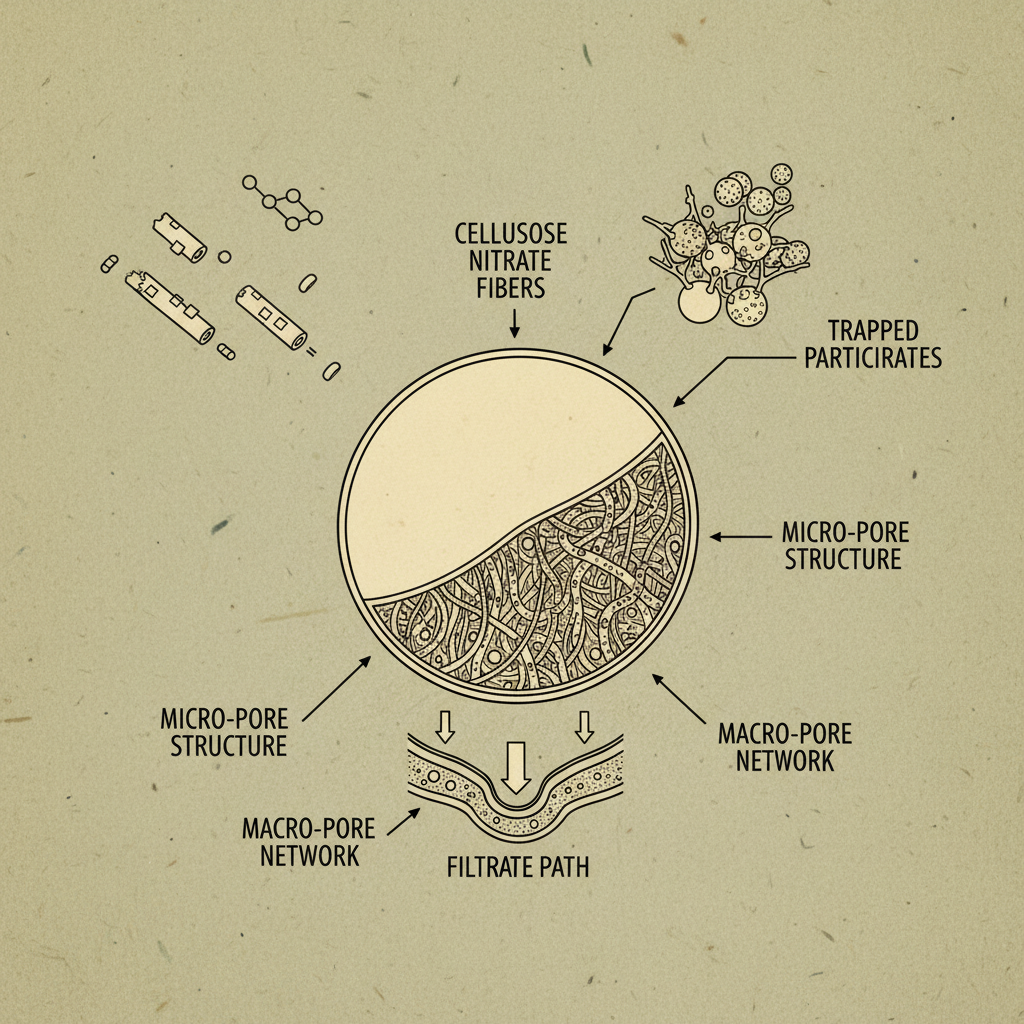
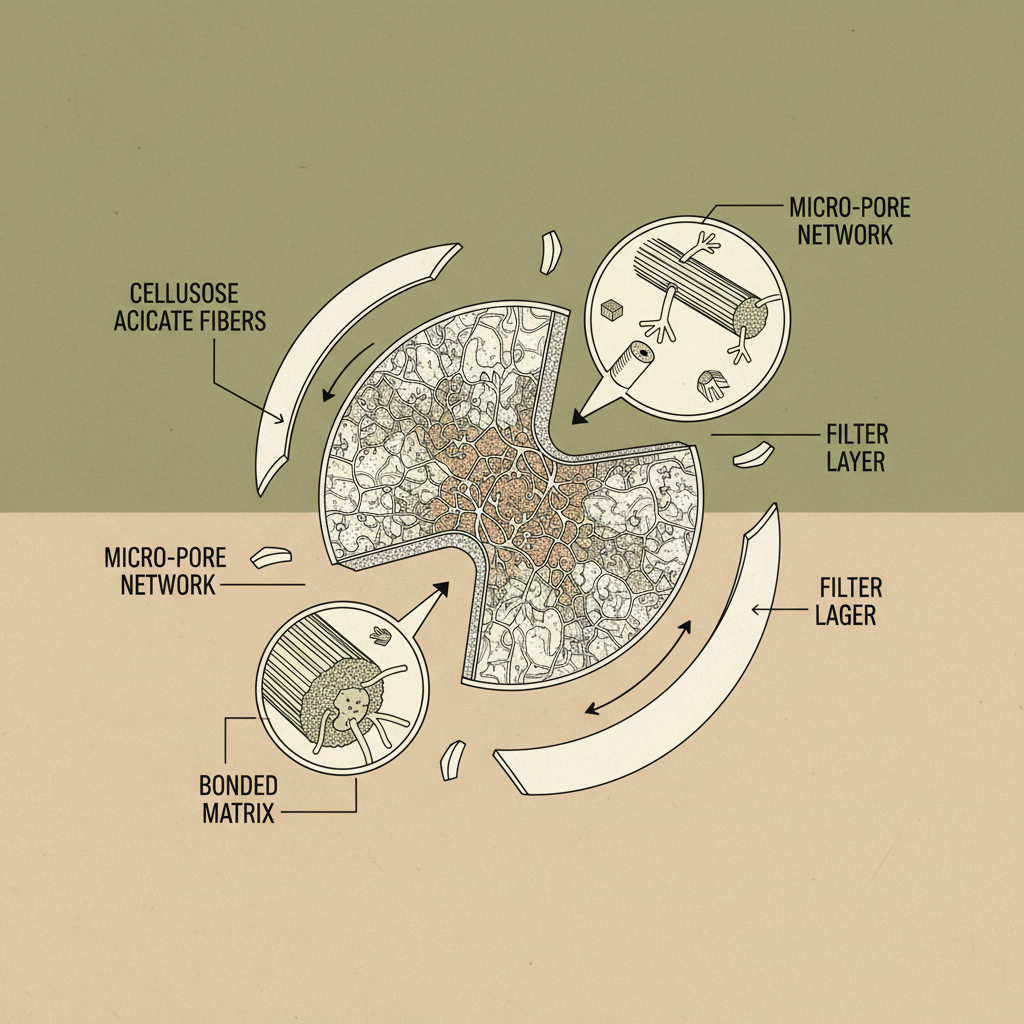
We've been working a lot with cellulose nitrate filter paper lately, mostly for specialized air filtration in these pre-fab units. It's… strange stuff, actually. Feels almost like fabric, but thinner, more delicate. Has a faint, almost sweet smell. And you gotta be careful handling it, it’s flammable, obviously. Been around a long time, but its applications are really picking up now.
The Current Landscape of Modular Construction
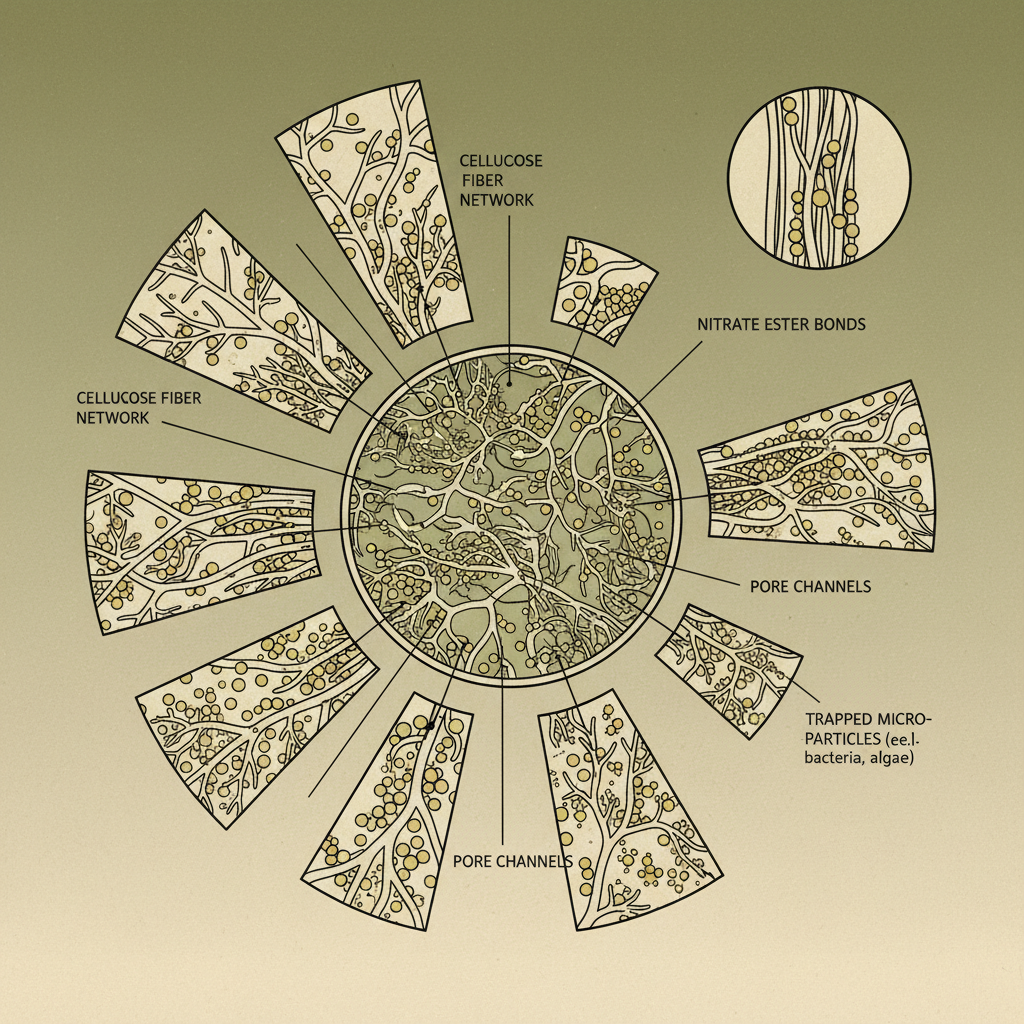
Honestly, the biggest trend right now is speed. Everyone wants things now. Pre-fabricated components, off-site construction, it's all about shaving days, weeks off the schedule. And a big part of that is air quality, especially in these sealed-up modules. That’s where the cellulose nitrate filter paper comes in – it's surprisingly good at trapping fine particles. Not just dust, but VOCs and things like that. We're seeing it used more and more in HVAC systems.
It's not a new material, you know. Been around for ages. But the manufacturing processes have improved, so the consistency is much better now. Makes a huge difference when you're trying to guarantee a certain level of filtration.
Design Pitfalls and Real-World Constraints
Have you noticed how architects love to design these buildings with all these complicated curves and angles? Looks beautiful in the rendering, but try building it. It's a nightmare. I mean, straight lines are your friend. Straight lines and right angles. Seriously. That’s the first thing I tell any architect I work with. Keep it simple.
And the detailing… oh, the detailing. So many designs rely on these tiny, intricate connections. They look great in the drawings, but they're easily damaged during transport or installation. You need robust connections, something that can withstand a bit of abuse.
With cellulose nitrate filter paper, one thing to watch out for is humidity. It can absorb moisture, which affects its performance. So, you need to make sure it's properly sealed and protected, especially in coastal areas.
The Feel and Handling of Cellulose Nitrate Filter Paper
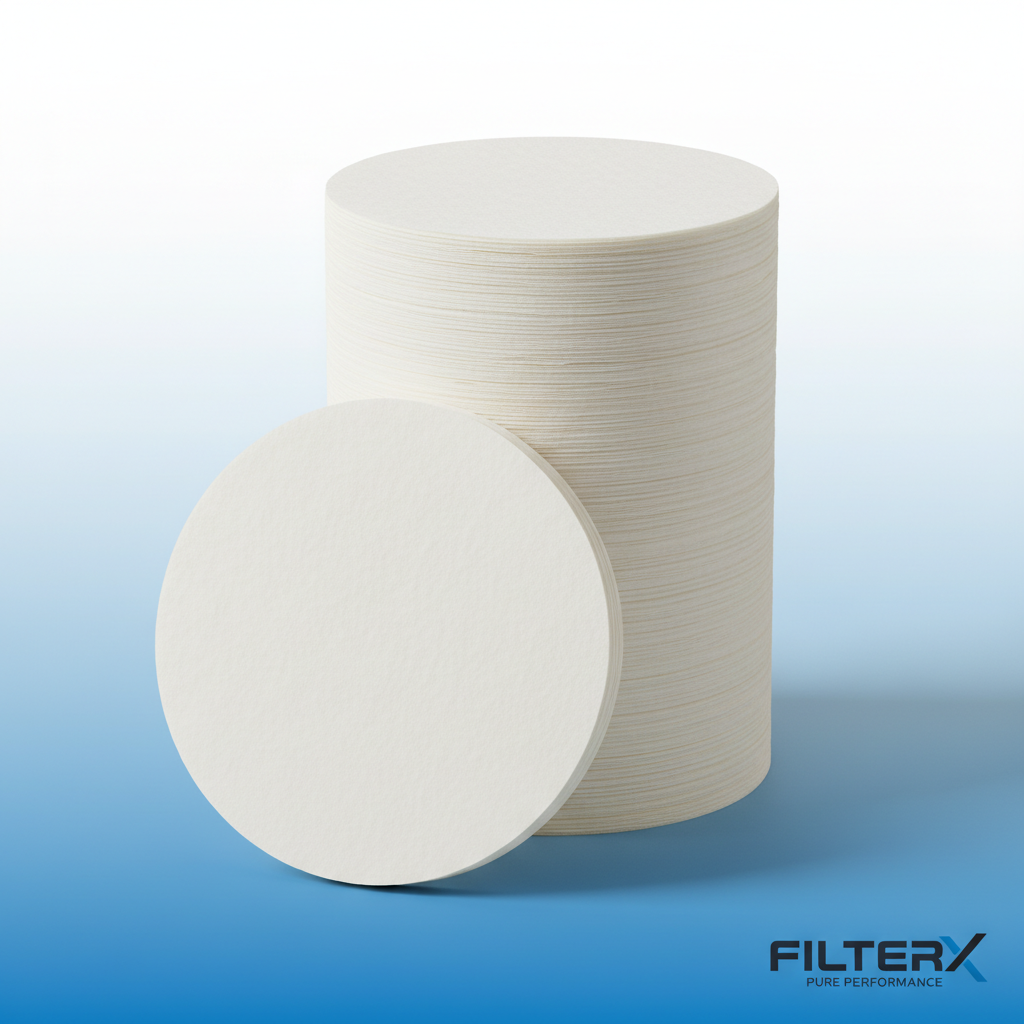
It's a funny material, cellulose nitrate. It's lightweight, almost airy, but surprisingly strong for its weight. Almost like a very thin, delicate cotton. It’s not like fiberglass, which always feels itchy and unpleasant. This is… different.
You need to wear gloves when handling it, though. Not because it’s dangerous to your skin, necessarily, but because the oils from your fingers can affect its filtration properties. And, you know, it's flammable. So, no open flames. Seems obvious, but you’d be surprised. Strangely, some of the older guys on the team remember using this stuff for polishing cars back in the day.
The quality varies a lot depending on the manufacturer. Some stuff is really flimsy and tears easily, while others are much more robust. You can tell by the way it feels, the texture. And the smell. Cheap stuff has a kind of chemical odor, while the good stuff smells almost…natural.
Testing Cellulose Nitrate Filter Paper – Beyond the Lab
Lab tests are okay, I guess. But they don’t tell you much about how the stuff performs in the real world. We do a lot of on-site testing. We’ll install filters in a pre-fab unit, monitor the air quality over time, and see how effectively they’re removing particles.
We also do what we call "dust chamber" tests. Basically, we build a small enclosure, fill it with dust, and then run the HVAC system with the cellulose nitrate filter paper to see how long it takes to clear the air. It's crude, but it gives us a good indication of its performance under real-world conditions.
Cellulose Nitrate Filter Paper Performance Metrics
Actual Use Cases – It's Not Always What You Expect
We thought initially it would be mostly for residential air filtration. But it's finding its way into some surprising applications. Like, we're using it in some cleanrooms for electronics manufacturing. Turns out, it's really good at capturing those tiny particles that can mess up semiconductors.
And another one – medical facilities. They’re using it to filter air in operating rooms. The higher filtration rate is a big plus there. You'd think they'd use something more sophisticated, but sometimes, simple is better.
Advantages and Drawbacks – A Pragmatic View
Okay, so the advantages? Lightweight, effective filtration, relatively inexpensive. It's biodegradable, which is nice. But, let’s be real, it’s flammable. And it doesn’t hold up well to moisture. And it's not as durable as some other filtration materials. Anyway, I think it’s a good balance of cost and performance for a lot of applications.
It's not a silver bullet, though. You need to consider the specific application and make sure it's the right fit. You can't just slap it in there and expect it to solve all your problems.
Customization and a Recent Customer Story
We can customize the density and thickness of the cellulose nitrate filter paper to meet specific requirements. For example, one customer, a small smart home device manufacturer in Shenzhen, last month, insisted on changing the interface to – completely unnecessary, added cost and complexity, and nearly delayed the whole project. But they were adamant. Similar thing with the filter paper. They wanted a specific pore size to remove allergens, even though it reduced the airflow slightly. We accommodated them, of course. You gotta keep the customers happy.
We also offer different coatings to improve its moisture resistance. It adds a bit to the cost, but it can be worth it in certain environments.
Summary of Cellulose Nitrate Filter Paper Performance Characteristics
| Characteristic |
Typical Value |
Impact on Application |
Mitigation Strategies |
| Filtration Efficiency (PM2.5) |
85-95% |
High performance in air purification |
Regular filter replacement |
| Moisture Absorption |
5-10% |
Reduced efficiency in humid environments |
Protective coatings, sealed enclosures |
| Flammability |
Highly Flammable |
Potential fire hazard |
Fire retardant treatments, safe handling practices |
| Material Density |
0.8 – 1.2 g/cm³ |
Affects airflow resistance |
Optimizing density for specific airflow requirements |
| Cost per Unit Area |
$0.50 - $1.50/m² |
Generally cost-effective |
Bulk purchasing discounts |
| Biodegradability |
Fully Biodegradable |
Environmentally friendly disposal |
Composting or landfill disposal |
FAQS
That depends a lot on the air quality, but generally, you’re looking at about 3-6 months. In really dusty environments, maybe less. It's better to check it regularly and replace it when it starts to look dirty. Ignoring it can reduce airflow and put strain on the HVAC system.
Yes, it is. It’s highly flammable. That's why you have to be careful handling it and make sure it's not exposed to any open flames or sparks. We always recommend using it in conjunction with other fire safety measures, like fire-resistant enclosures and regular inspections. Don't store it near heat sources.
HEPA filters are much more efficient at capturing very fine particles, but they're also more expensive and create more airflow resistance. Cellulose nitrate is a good compromise – it’s effective enough for most applications and doesn’t restrict airflow as much. It depends on what you’re trying to filter.
It is biodegradable, but generally not easily recycled through conventional systems. It’s best to dispose of it in a landfill or, ideally, through composting. We're exploring options for creating a closed-loop recycling system, but it's still in the early stages.
Primarily, it's used in HVAC systems to filter out dust, pollen, and other airborne particles. We're also seeing it used in some ventilation systems to remove odors and VOCs. The pre-fab industry needs this to maintain air quality standards within sealed modules.
Absolutely. We can adjust the manufacturing process to create different pore sizes, depending on the specific filtration requirements. Smaller pores capture smaller particles, but also reduce airflow. It’s all about finding the right balance for the application. We’ve done a lot of work with clients needing to filter specific allergens.
Conclusion
So, there you have it. Cellulose nitrate filter paper isn't the most glamorous material, but it’s surprisingly versatile and effective. It's playing an increasingly important role in modular construction, helping to improve air quality and create healthier indoor environments. It’s about finding the right balance between cost, performance, and safety.
Ultimately, whether this thing works or not, the worker will know the moment he tightens the screw. That’s the real test. If it holds, and the air stays clean, then we’ve done our job. You can visit our website at www.anyafiltermedia.com to learn more about our products and services.