Oil Filter Paper Bunnings: A Veteran's Take on Quality and Use
Having worked in the industrial equipment sector for well over a decade, I must say, the choice of oil filter paper — even something as seemingly simple as what you pick up at Bunnings — can really make or break your filtration process. Oddly enough, not all oil filter paper is created equal, despite how mundane it seems at first glance.
Oil filter paper at places like Bunnings is typically aimed at the DIYer as much as the professional. The thing is, these filter papers must balance durability with fine filtration capability, a sort of tightrope walk you don’t often think about. Frankly, over the years I've seen many engineers underestimate this balance — and pay for it later in machine downtime or contamination issues.
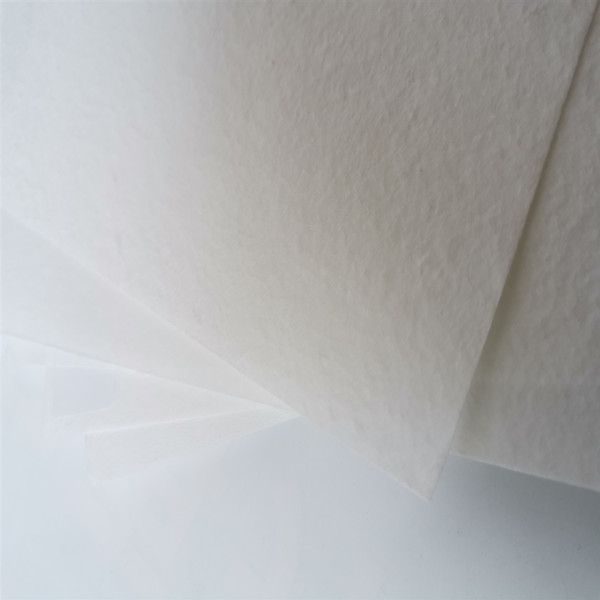
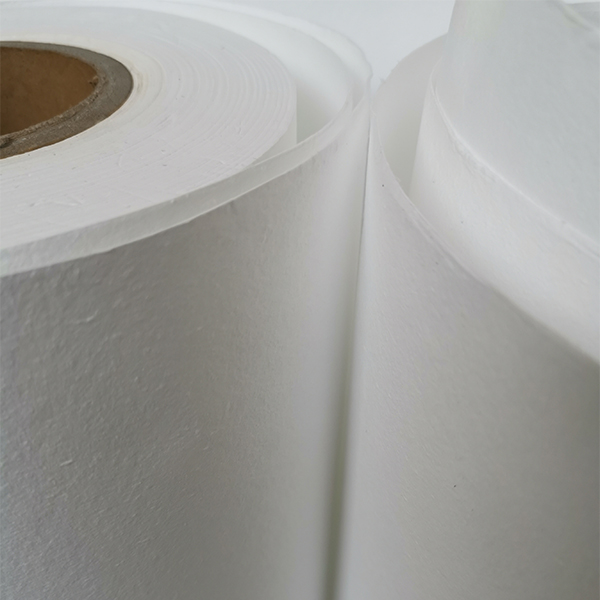
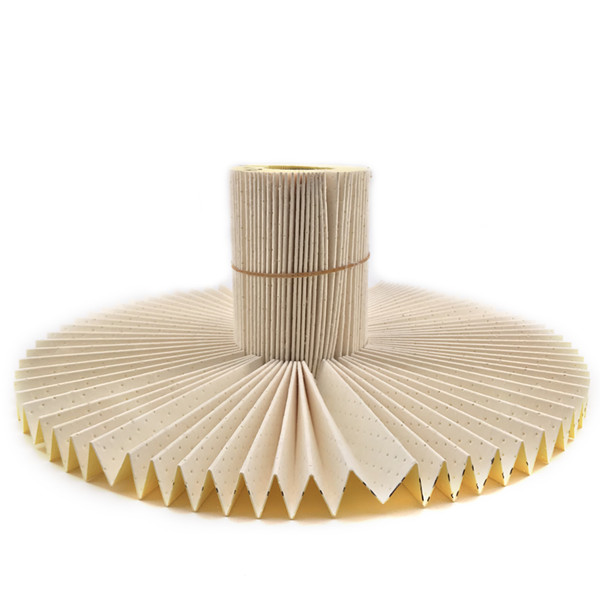
In real terms, good filter paper is mostly about the raw materials and the manufacturing process. For example, cellulose fibers form the backbone of most oil filter papers. But the finer detail lies in how these fibers are bonded and treated. Additives might be included to resist oil chemicals or temperature — that’s something I usually ask about before making a purchase. The best papers I’ve used remain stable under heat and maintain consistent pore size, keeping those particles out efficiently.
At Bunnings, what you get tends to be a balance between price and performance. It's great if you need to handle routine maintenance or small machine jobs. But if you’re running something heavy-duty, like industrial presses or hydraulic systems, you might want to take a closer look at product specifications or explore specialized suppliers.
Here’s a quick spec summary of what a typical Bunnings oil filter paper product might look like:
| Specification | Typical Value |
|---|---|
| Material | Cellulose with synthetic additives |
| Thickness | 0.25 mm |
| Pore size | 10–15 microns |
| Temperature resistance | Up to 120°C |
| Oil resistance | Good (standard mineral oils) |
Curious how Bunnings' offerings stack up against other suppliers? Here’s a straightforward comparison of key vendors I’ve worked with or heard good word of mouth about.
| Vendor | Price Range (AUD) | Filter Efficiency | Recommended Use |
|---|---|---|---|
| Bunnings | $15–$30 per sheet | Moderate (~12 microns) | Light to medium industrial, DIY |
| Anyafilter Media | $25–$50 per sheet | High (~5 microns) | Heavy-duty industrial, custom orders |
| Generic online retailers | $10–$20 per sheet | Variable | Small equipment, budget-conscious users |
There’s a story I often share with younger colleagues when they first handle the choice of filter paper. Once, a client tried to cut costs by switching to a cheaper filter paper from a lower-end supplier — not Bunnings, mind you. Within a month, their hydraulic system showed increased wear because the paper didn’t hold up under heat, letting contaminants through. The fix? A premium-quality filter paper from a trusted brand like Anyafilter Media — and that client never looked back. It’s kind of a small lesson in how the right filter paper really pays dividends over time.
All in all, if you’re just popping into Bunnings for some oil filter paper, it’s not a bad call — but weigh your needs carefully. If the job demands it, investing a bit more for higher performance can save serious headaches later.
Got questions? I find that talking directly to suppliers about your specific oil type and system usually helps — there’s no one-size-fits-all here. As with all industrial components, testing and trial can be your best friend.
In short: quality oil filter paper may look simple, but it’s a vital part of machine health, and where you buy it counts.
References:
1. Industry filtration guidebooks, various manufacturers (2022–2024)
2. Personal experience & client case studies, 2010–2023
3. Anyafilter Media Product Specifications
Post time: Dec-03-2025