Exploring Oil Filter Paper Manufacturers: Insights From the Field
Having spent more than a decade navigating the industrial equipment sector—particularly filtration solutions—I can say there's more to oil filter paper than meets the eye. Oil filter paper manufacturers offer products that, frankly, vary quite a bit in quality and design nuance. Over the years, I’ve noticed trends, met engineers focused fiercely on filter media efficiency, and even witnessed how tailored filter paper can save costly downtime for engines and machines.
Let’s dig into what makes oil filter paper tick, what key specs you should consider, and how to differentiate among top vendors—because not all filter papers are created equal.
Understanding Oil Filter Paper Basics
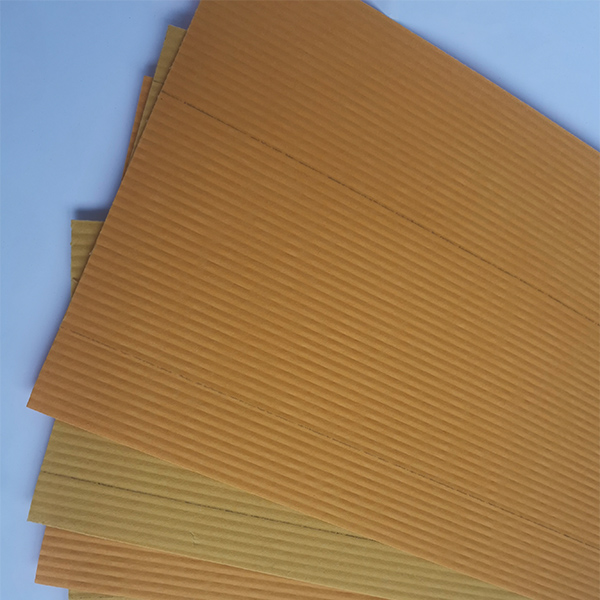
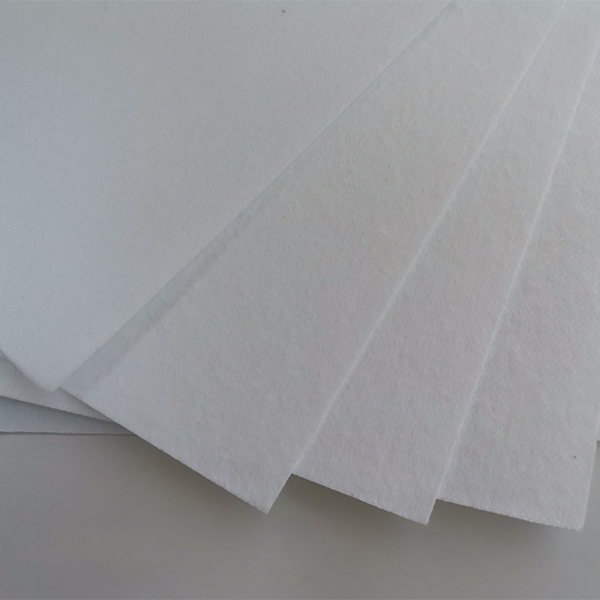
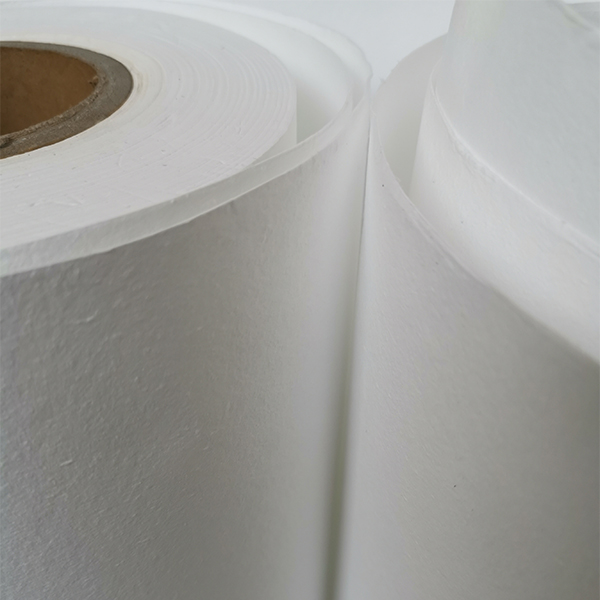
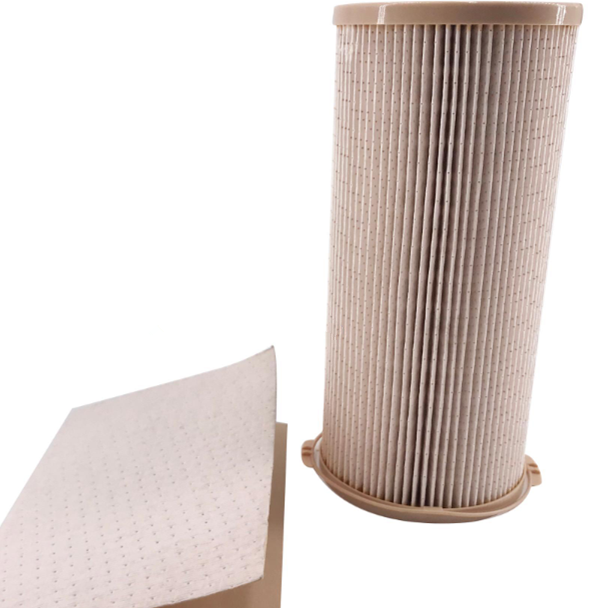
Oil filter paper, by and large, is a specialized filtration media designed primarily to trap contaminants—think fine particles, sludge, and metallic debris—while letting oil flow freely. Material-wise, manufacturers use blends of cellulose (wood pulp), sometimes coupled with synthetic fibers like glass or polyester to boost durability. I recall one project where switching to a synthetic hybrid paper significantly extended filter life under harsh thermal conditions.
Filtration efficiency, pore size, permeability, and burst strength are among the top specs to weigh. For instance, pore sizes are often in the 5-40 micron range—though your application might demand tighter tolerances, especially for sensitive engines or gearboxes.
| Specification | Typical Range | Impact |
|---|---|---|
| Pore Size (microns) | 5 - 40 | Controls particle filtration efficiency |
| Burst Strength (kPa) | 300 - 1200 | Resistance to filter collapse |
| Oil Permeability (L/m²/min) | 150 - 600 | Affects flow rate and pressure drop |
| Thickness (mm) | 0.3 - 1.2 | Influences filtration depth and durability |
Comparing Leading Oil Filter Paper Manufacturers
When selecting a oil filter paper manufacturer, I always advise looking beyond price. Longevity, material innovation, and customization options matter—especially since many applications have tight specs. Some bigger names boast decades of R&D, while newer players bring fresh synthetic blends into the mix.
| Manufacturer | Materials Used | Customization | R&D Focus | Lead Time |
|---|---|---|---|---|
| Anya Filter Media | Cellulose + synthetics | Full customization including pore size | Advanced fiber blends | Typically 4-6 weeks |
| FilterPro Solutions | Predominantly cellulose | Limited customization | Incremental quality upgrades | 2-3 weeks |
| EcoFiltrate Inc. | Synthetic fiber blends | Moderate, focus on eco-friendly materials | Biodegradable media development | 5-7 weeks |
One thing I find particularly reassuring when working with a manufacturer like Anya Filter Media (a name that’s popped up quite frequently during my years on the job) is their willingness to adjust fiber blends and paper thickness depending on specific oil types and operating temperatures. There was an instance with a heavy equipment client whose hydraulic systems kept failing filters prematurely. A customized paper with enhanced burst strength and tighter filtration solved the issues within a few months.
Waste Reduction and Industry Trends
Oddly enough, sustainability has become a stronger conversation in oil filter media circles—perhaps because the waste from used filters was being underestimated. Manufacturers now balance filtration performance with eco-friendliness, offering biodegradable options or recyclable media. I suppose for the industrial sector, it's encouraging to see this evolution, especially given the scale of operations.
At the end of the day, whether you’re sourcing from an established company or a niche supplier, the best approach is to test samples rigorously under your actual operating conditions. Performance in controlled labs can only tell you so much.
Frankly, I think investing time in vetting your oil filter paper manufacturers pays dividends. It’s not just about trapping dirt — it’s about protecting your machinery’s heart.
In reflection: Quality oil filter paper isn’t a commodity—it’s a critical partner in machine health, efficiency, and longevity.
- Industry Filtration Handbook, 2022 Edition
- Journal of Industrial Maintenance, “Oil Filter Media Innovations,” 2023
- Interviews with filtration engineers, ongoing since 2015
Post time: Dec-03-2025