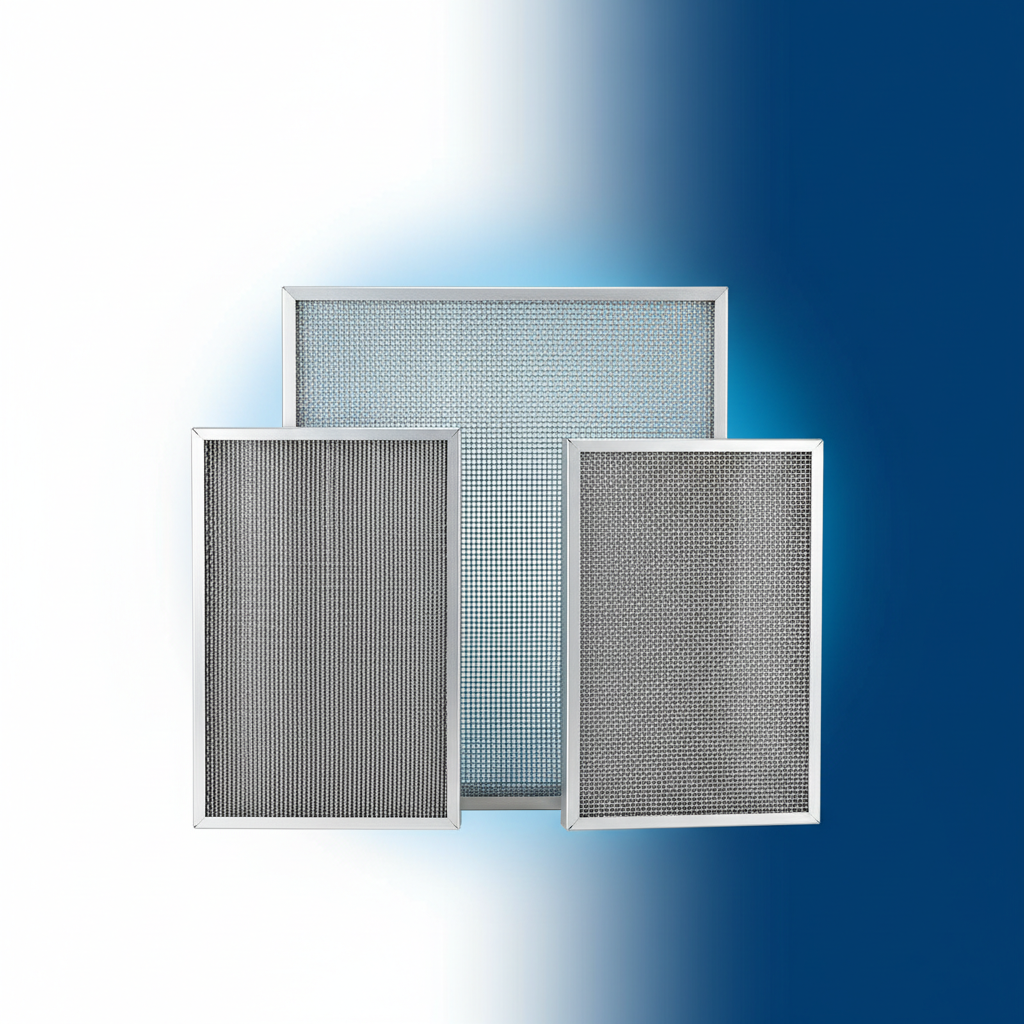
Understanding Metal Filters: Why They Matter Worldwide
In a world increasingly focused on sustainability, efficiency, and innovation, metal filters quietly play a huge role in shaping how industries function and how communities stay safe. Not exactly headline grabbers, but these nifty components ensure clean air, pure water, and efficient manufacturing processes globally.
So what exactly is a metal filter? And why should someone outside of industrial circles care about it? Simply put, metal filters are precision-engineered devices made primarily from woven or perforated metal that trap unwanted particles from gases or liquids without compromising flow or strength. Beyond their technical definition lies a major global impact — from boosting clean energy efforts to improving disaster relief operations. Plus, with global industrial growth expected to rise by over 3% annually (source: World Bank), understanding how metal filtration fits into this puzzle gives you insight into a critical yet often overlooked tech.
Mini takeaway: Metal filters are small but mighty components that quietly support critical processes worldwide, making air, water, and manufacturing cleaner and more efficient.
The Global Importance of Metal Filters
Metal filters actually show up in more places than you’d expect. From refining jet fuel at airports in Dubai to filtering particulates in steel factories in Germany, these filters help maintain product quality and reduce emissions.
According to the International Organization for Standardization (ISO), filtration technology improvements contribute significantly to lowering industrial pollution – an important step toward international environmental agreements like the Paris Accord.
But perhaps more compelling is the humanitarian side: in post-disaster zones where water safety is crucial, metal filtration units are deployed rapidly to provide clean drinking water. In fact, organizations like the UN have highlighted metal filters as key tools in emergency response kits, thanks to their durability and efficiency in removing harmful contaminants.
Honestly, it’s a bit surprising how such small parts play such a broad role in tackling big issues like climate change and public health.
Mini takeaway: Beyond industry, metal filters are vital in environmental protection and disaster relief — a testimony to their global relevance.
What Exactly Is a Metal Filter?
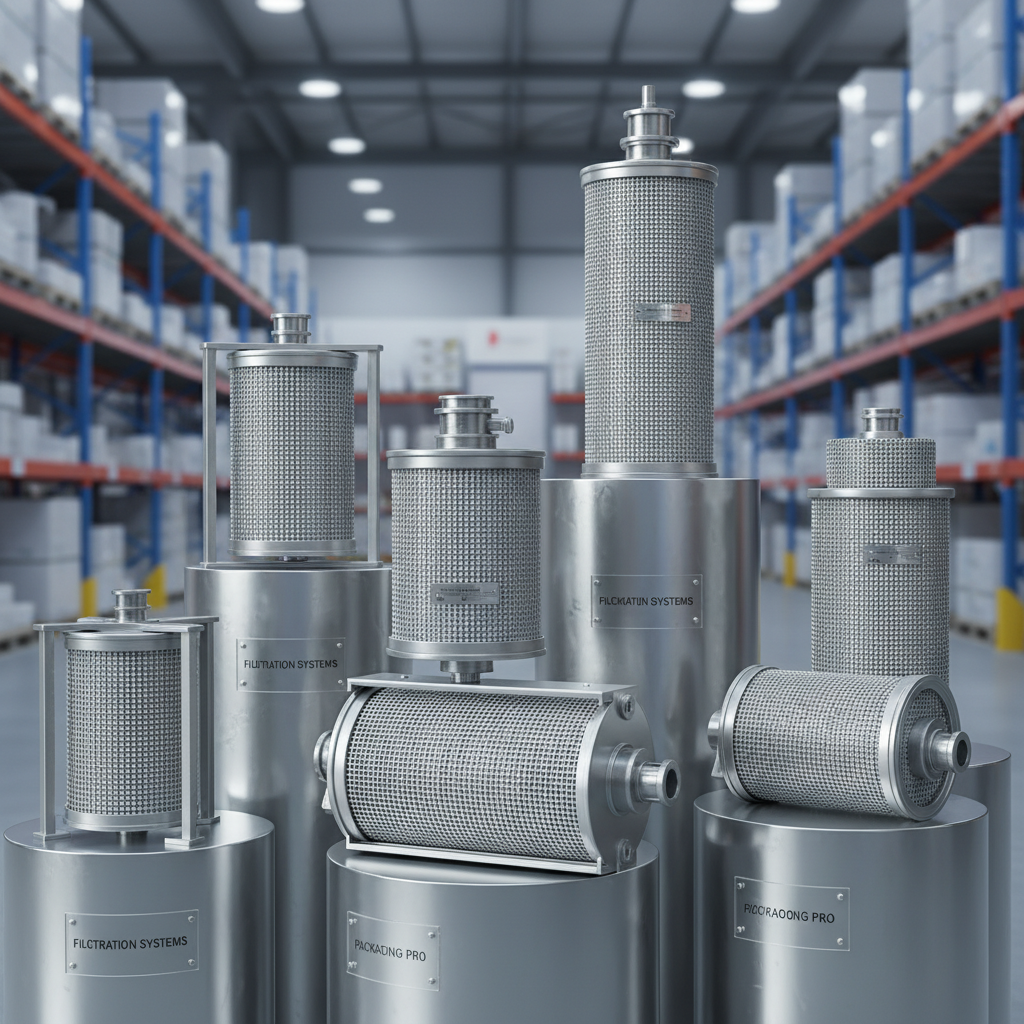
Let’s break it down gently. Think of a metal filter as a sieve—but one made with tiny, precise holes or meshes fashioned from stainless steel, brass, or other alloys. Its job is to let the “good stuff” through—be it air, water, or chemicals—while trapping particles that don’t belong.
Unlike paper filters or plastic membranes, metal filters boast high resistance to heat, corrosion, and mechanical wear. This makes them invaluable in demanding settings like high-temperature chemical plants or heavy manufacturing facilities.
In modern industry, these filters are more than just “screens.” They’re a convergence point of material science and mechanical engineering—designed with exact pore sizes, specified tensile strengths, and tailored for flow characteristics that traditional filters simply can’t match.
metal filter solutions also address humanitarian needs, ensuring clean water access while supplying industries globally.
Mini takeaway: A metal filter is a durable, precision-engineered mesh that filters out contaminants in tough conditions—a modern marvel bridging industrial demands and humanitarian needs.
Key Aspects of Metal Filters Worth Knowing
1. Durability
Metal filters are built to last. Resistant to corrosion, high temperatures, and pressure shocks, they often outperform conventional filters in harsh industrial environments, requiring less frequent replacement.
2. Scalability
From tiny filtration units in medical devices to massive filters in power plants, metal filters scale across sizes and industries. Manufacturing advances mean they’re customizable with precise pore sizes fit for diverse applications.
3. Cost Efficiency
Though metal filters may have a higher initial cost compared to disposable filters, their longevity and reusability translate into significant long-term savings and less environmental waste.
4. Chemical Compatibility
Choosing metals like stainless steel alloys ensures resistance against acidic or alkaline substances, making metal filters suitable for chemicals, pharmaceuticals, and water treatment.
5. Maintenance and Cleanability
Unlike many polymer filters, metal filters can be cleaned and reused multiple times. This means less downtime and lower maintenance expenses for industries.
Mini takeaway: Durability, scalability, cost efficiency, and chemical resistance empower metal filters to serve many roles reliably and economically.
Real-World Uses and Global Case Examples
Metal filters serve a surprising array of functions worldwide:
- Energy Sector: In geothermal energy plants in Iceland, metal filters withstand extremes to purify steam and protect turbines.
- Water Treatment: NGOs use portable metal filtration units in sub-Saharan Africa to provide safe drinking water following floods.
- Pharmaceuticals: German manufacturing facilities rely on metal filters to ensure particle-free liquids during drug production.
- Automotive Industry: In Japan, metal filters enhance fuel injection system reliability by filtering sediment and wear particles.
- Post-Disaster Relief: After the 2020 Australian bushfires, metal filter units helped purify water in isolated communities, ensuring minimal waterborne illness.
Oddly enough, the versatility feels almost poetic — from remote deserts to ultra-modern factories, metal filters quietly do their job.
Mini takeaway: The global applications are vast, spanning energy, water safety, healthcare, and disaster aid — a true testament to reliability and versatility.
Advantages and Long-Term Benefits of Metal Filters
Investing in metal filtration technology is about much more than immediate performance; it’s about sustainability and trust.
- Environmental Impact: Reusable filters mean less landfill waste and energy savings over time.
- Cost Savings: Fewer replacements, downtime, and maintenance add up to substantial financial benefits for manufacturers.
- Safety and Reliability: Metal filters meet strict regulatory standards (ISO 9001 and ISO 14001), providing confidence in contamination control.
- Innovation Enablement: As industries evolve to greener operations, metal filters enable clean processes needed for electric vehicles and renewable energy production.
- Dignity and Health: Safe clean water and air mean healthier lives, especially in vulnerable communities.
It resembles sort of a ripple effect—invest in good filtration and industries, people, and environments all benefit.
Mini takeaway: Durable, cost-efficient, and eco-friendly, metal filters offer both immediate and long-term value that supports innovation and social good.
What’s Next? Future Trends in Metal Filter Technology
Technology advances at a brisk pace, and metal filters are evolving right alongside:
- Nanostructured Metals: Researchers are developing ultra-fine meshes that filter viruses and nanoparticles, pushing the limits of filtration efficiency.
- 3D Printing: Additive manufacturing allows complex metal filter geometries unachievable before—custom-fit solutions for unique industrial needs.
- Green Filters: Work on eco-friendly metal alloys that are easier to recycle or decompose reduces environmental impact further.
- Smart Monitoring: Sensors embedded in filters can provide real-time health status monitoring, helping industries plan maintenance proactively.
- Automation: Automated cleaning and replacement systems reduce human error and downtime.
In other words, metal filters aren’t stuck in the past—they’re quite literally moving forward, layer by layer.
Mini takeaway: Innovations like nanotech, 3D printing, and smart sensors are redefining what metal filters can do, making them smarter and greener.
Common Challenges and How They’re Solved
Of course, it’s not all smooth sailing. Metal filters face some hurdles:
- Initial Cost: Metal filters can be pricier upfront compared to conventional filters, which some companies hesitate about.
- Clogging: Over time, fine filters can clog, reducing efficacy if not cleaned properly.
- Weight: Metal components are heavier than polymers, which may matter in certain mobile or aerospace applications.
However, advances like improved cleaning methods (ultrasonic or chemical baths), lightweight but strong alloys, and cost models focused on lifecycle savings help overcome these issues.
Many engineers I’ve talked to mention that once you factor in longevity and performance, metal filters end up “cheaper” in the long run. It’s a bit like choosing quality shoes — they might cost more, but you get better mileage.
Mini takeaway: While upfront costs and maintenance can be challenges, smart designs and improved cleaning tech make metal filters an economically sound choice over time.
Metal Filter Specification Table
| Specification | Details |
|---|---|
| Material | Stainless Steel 316L |
| Pore Size | 5 microns (customizable 1-100 microns) |
| Temperature Range | -40°C to 350°C |
| Pressure Rating | Up to 20 bar |
| Cleaning Method | Ultrasonic & Chemical Wash |
| Lifespan | 5+ years (with maintenance) |
Vendor Comparison: Leading Metal Filter Suppliers
| Vendor | Specialty | Typical Applications | Lead Time | Price Range |
|---|---|---|---|---|
| FilterTech Inc. | Custom 3D Printed Filters | Pharmaceutical, Aerospace | 4-6 weeks | $$$ (Premium) |
| Global Mesh Co. | Standard Stainless Steel Mesh | Water Treatment, Oil & Gas | 2-3 weeks | $$ (Mid-range) |
| EcoFilter Solutions | Eco-friendly Metal Alloys | Renewables, Environmental | 3-4 weeks | $$ (Competitive) |
FAQ: Frequently Asked Questions About Metal Filters
- Q: How do metal filters compare with polymer-based filters in terms of longevity?
- A: Metal filters generally last much longer due to their toughness and resistance to heat and chemicals. They can be cleaned and reused multiple times, whereas polymer filters often need frequent replacement when clogged or degraded.
- Q: Are metal filters suitable for drinking water purification in remote areas?
- Yes, metal filters are widely used in portable water purification units for field use because of their durability, ability to filter fine particles, and resistance to environmental contaminants.
- Q: What industries benefit the most from metal filter technology?
- Key industries include pharmaceuticals, oil & gas, chemical manufacturing, energy production, and water treatment. These sectors value metal filters for their precision and longevity under demanding conditions.
- Q: Can metal filters handle high-temperature filtration needs?
- Absolutely. Metal filters, especially stainless steel variants, perform excellently at elevated temperatures, sometimes exceeding 350°C, making them ideal for furnace exhausts and steam filtration.
- Q: What maintenance is required to keep metal filters working optimally?
- Routine cleaning via ultrasonic baths or chemical washes is typically needed to remove trapped particles. Proper maintenance extends filter life and maintains filtration efficiency.
Wrapping It Up: Why Metal Filters Are Worth Your Attention
Putting it all together, metal filters are more than just industrial components — they’re unsung heroes in clean industry, safety, and humanitarian aid. Their unmatched durability, sustainability benefits, and evolving technology make them an investment with both current returns and future potential. For businesses and relief agencies alike, metal filters offer a reliable bridge across environmental challenges and industrial demands.
Curious to learn more or see how metal filters can upgrade your operations? Visit our website for tailored solutions, expert advice, and cutting-edge innovation on metal filter products.
References
Post time: Dec-01-2025