Understanding Metal Filter Mesh: Why It Matters More Than You Think
Metal filter mesh might sound like a mundane industrial component, but if you pause and think about it, it quietly underpins countless essential processes worldwide. From ensuring the purity of drinking water to protecting sensitive electronics, this simple yet ingenious material tackles some of the world's most pressing filtration challenges. Understanding metal filter mesh and its performance can be a game changer, not just for manufacturers or engineers, but ultimately for societies pushing toward sustainability and resilience.
Why do I say that? Because filtration affects health, environmental safety, and industrial efficiency all at once. Grasping the full scope of metal filter mesh means appreciating its role in reducing waterborne diseases, improving air quality, or even aiding disaster relief efforts where safe, clean water isn't easy to come by. So, let’s dive into why this isn’t just a technical detail but key to global well-being and innovation.
The Global Relevance of Metal Filter Mesh in Industry and Beyond
Globally, filtration accounts for an enormous slice of environmental and industrial tech investments. According to the International Organization for Standardization (ISO), industrial filtration standards alone have evolved dramatically since the 1990s, reflecting how "clean processes" have become a central goal (1). Metal filter mesh, in particular, is a workhorse in this ecosystem owing to its durability and reusability.
UN reports estimate that nearly 2 billion people worldwide still lack access to safely managed drinking water (2). While this might seem like a complex problem requiring huge infrastructure, reliable filtration media such as metal filter mesh enable scalable, affordable water treatment solutions that some NGOs and governments are embracing to bridge that gap. And then there is industry — say, semiconductor, chemical plants, and even food production — where fine filtration is non-negotiable.
However, challenges like contamination, waste disposal, and cost pressures linger. Metal filter mesh addresses these by combining strength and longevity, but the industry still wrestles with how to optimize performance, accessibility, and environmental impact simultaneously.
What Exactly Is Metal Filter Mesh?
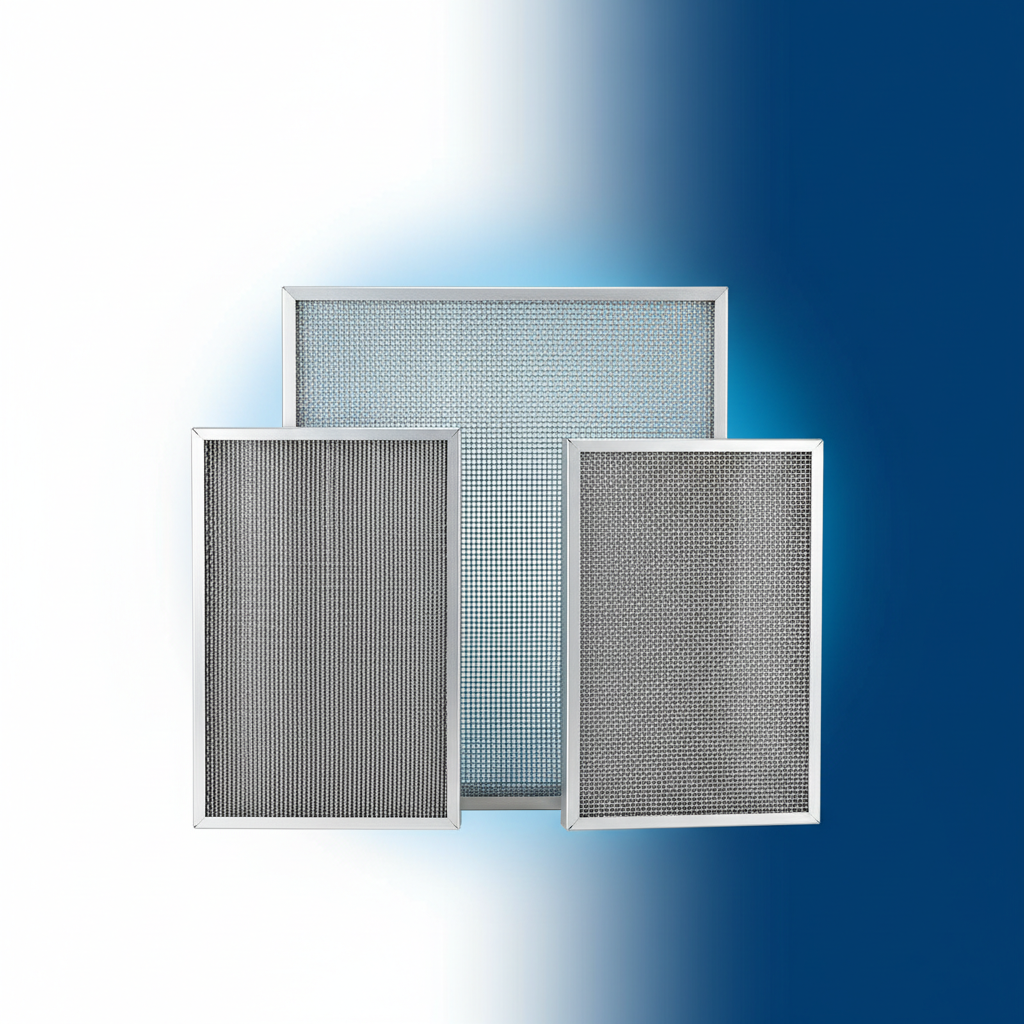
In simple terms, metal filter mesh is a woven, perforated, or expanded metal sheet designed to separate particles from liquids or gases. It acts like a sieve, but for everything from debris and sediments to microscopic contaminants. Usually made from stainless steel, brass, copper, or aluminum, the mesh size and weave pattern determine the filtration precision.
It’s not just about filtering dirt: metal filter mesh withstands harsh chemicals, high temperature, and pressure — making it indispensable in sectors from water treatment and petrochemical refining to medical device manufacturing. Oddly enough, despite its humble appearance, it’s a critical lifeline for clean technologies and humanitarian needs alike, enabling safer food, cleaner air, and pure water where it matters most.
Core Components Defining Metal Filter Mesh Performance
1. Durability and Corrosion Resistance
Because metal filter mesh often sits in challenging environments (think acidic fluids or salty seawater), composition matters. Stainless steel is a fan-favorite for corrosion resistance, and many engineers swear by its lifespan advantage over plastics or fabric meshes. Durability reduces replacement frequency and waste, which is great for costs and sustainability.
2. Filtration Precision and Mesh Size
From micron-level filtration in pharmaceuticals to coarse sediment exclusion in irrigation, mesh size is a crucial factor. Manufacturers customize mesh aperture and weave tightness to suit specific particle sizes. This adaptability makes metal filter mesh practical across diverse industries.
3. Scalability and Fabrication Methods
One reason metal filter mesh is globally favored is its production scalability. Techniques like weaving wire, punching holes, or laser cutting allow for customization in thickness, pattern, and size. That means small lab filters and massive industrial screens can be made from similar materials — a neat flexibility.
4. Cost-Efficiency Over Lifecycle
It’s tempting to compare upfront prices only, but metal filter mesh shines when lifecycle costs are considered. Its resistance to damage and ease of cleaning means fewer replacements and downtime. So, while not the cheapest at purchase, it’s often the smartest investment in the long run.
5. Environmental Sustainability
Many metal meshes are recyclable, and their longevity cuts down on landfill waste. Some new manufacturers even source scrap metals to create eco-conscious meshes, which aligns with the global push toward greener industrial practices.
Mini Takeaway:
Metal filter mesh isn’t a one-size-fits-all solution; it’s a tailored piece of high-performance hardware where material choices, weave style, and application environment come together to solve filtering challenges smartly.
Global Applications: Where Metal Filter Mesh Makes a Real Difference
In real-world terms, metal filter mesh is everywhere you least expect it. For instance:
- Water treatment plants in Southeast Asia rely on stainless steel meshes to remove particulate matter before chemical treatment phases.
- Post-disaster relief teams deploy portable filtration units fitted with metal filter mesh to provide clean water rapidly, saving lives in flood and earthquake zones.
- Industrial manufacturing in Europe and North America uses metal mesh filters to protect delicate machinery from dust and debris, ensuring product integrity.
- Oil and gas extraction zones deploy coarse metal mesh screens to prevent sediment buildup in pipelines, doubling operational uptime.
- Aerospace and electronics sectors employ ultra-fine metal meshes for precision filtration in cleanroom environments.
For NGOs and regional governments, the mesh’s reliability and reusability reduce logistical headaches and boost local water and air quality with modest infrastructure investments.
Advantages and Long-Term Value of Metal Filter Mesh
The benefits go well beyond filtering particles:
- Cost savings: Less frequent replacements, easier cleaning, and lower maintenance make it economically smart.
- Sustainability: Recycled metals and durability align with global climate goals (3).
- Social impact: Reliable filtration translates into healthier communities — imagine the dignity in getting safe drinking water without hassle.
- Trust and safety: Consistent performance builds industry and consumer confidence.
- Innovation driver: Many companies innovate around metal mesh to build smarter water systems or industrial filters.
So it’s not just a product; it occupies a sweet spot where logic meets care for people and planet.
Looking Ahead: Trends and Innovations in Metal Filter Mesh
Exciting things are happening here. From nanotechnology coatings that repel biofouling (slimy build-up that clogs filters) to automation-enabled quality control and AI-driven design tweaks optimizing weave patterns, the metal filter mesh landscape is evolving.
Green energy sectors are tapping into custom metal meshes to ensure purity in biofuels, and rising regulatory standards insist on traceability and sustainability certifications. For example, ISO 14000 environmental management systems increasingly influence manufacturing processes for these meshes.
Oddly enough, despite all this tech, the best meshes remain those that balance engineering with simplicity — which is why traditional braid styles persist alongside high-tech options.
Common Challenges and Smart Solutions
Of course, metal filter mesh isn’t perfect:
- Clogging: Fine meshes can clog quickly if upstream filtration is inadequate.
- Cost barriers: Smaller enterprises may find upfront costs daunting.
- Customization delays: Some complex industrial demands require special designs slowing delivery.
However, innovations like self-cleaning coatings, modular filter housing for easier maintenance, and financing models for emerging markets help mitigate these problems.
FAQ: What Would You Really Want to Know About Metal Filter Mesh?
- Q: How do I choose the right mesh size for my filtration needs?
- A: It depends largely on the particle size you're targeting. Generally, the smaller the mesh opening, the finer the filtration. Consult with suppliers about standard mesh gauges and try to balance flow rate with filtration precision for your application.
- Q: Can metal filter mesh handle corrosive chemicals?
- A: Yes, especially types made from stainless steel or specially coated alloys. However, for extremely aggressive chemicals, you’ll want to verify compatibility or consider supplementary protective treatments.
- Q: How do I maintain or clean metal filter mesh?
- A: Cleaning depends on use but usually involves backflushing, ultrasonic cleaning, or manual rinsing with compatible solvents. Routine inspection ensures longevity.
- Q: Is metal filter mesh recyclable?
- A: Absolutely. Most metal meshes are recyclable and can be incorporated into circular material streams if properly sorted.
Product Specification Table
| Model | Material | Mesh Size (microns) | Thickness (mm) | Max Temp (°C) | Surface Finish |
|---|---|---|---|---|---|
| AFM-S304 | 304 Stainless Steel | 20 - 300 | 0.5 - 1.0 | 850 | Electropolished / Matte |
| AFM-Cu | Copper | 50 - 500 | 0.3 - 0.8 | 400 | Polished |
| AFM-Ni | Nickel | 10 - 200 | 0.4 - 0.9 | 1000 | Matte / Brushed |
Vendor Comparison Table
| Vendor | Material Range | Custom Fabrication | Lead Time | Sustainability Credentials | Price Tier |
|---|---|---|---|---|---|
| Anya Filter Media | Steel, Copper, Nickel | Yes (wire weaving, punching) | 2-3 weeks | ISO 14001 certified | Mid |
| Global Mesh Works | Stainless Steel only | Limited (standard sizes) | 1 week | Partial recycling program | Low |
| EcoFilter Solutions | Recycled metals & alloys | Yes, including bespoke orders | 3-5 weeks | Cradle-to-cradle certified | High |
Summing It Up and What Next?
In closing, metal filter mesh might seem an underappreciated star among industrial components, but scratch the surface and you find a backbone to cleaner water, safer manufacturing, and improved health standards globally. Its combination of durability, adaptability, and sustainability means it’s well-placed to keep pace with future challenges and innovations.
If you want to learn more about cutting-edge metal filter mesh products or need hands-on guidance tailored to your sector, visit metal filter mesh. They offer a broad range of options backed by quality and global experience.
It’s fascinating how something so straightforward — a sheet of metal shaped for filtration — can ripple out to influence so many lives and industries. Sometimes the simplest materials carry the biggest impact.
Key References
Post time: Dec-01-2025