What Is a Filter Cover and Why It Matters Globally
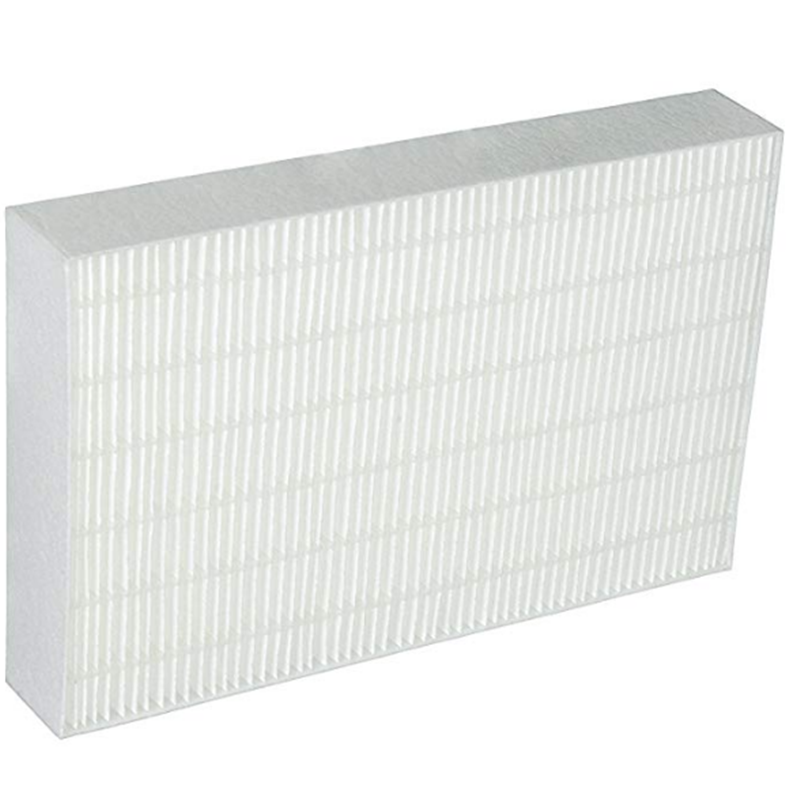
Around the globe, whether in bustling industrial zones, remote areas, or even disaster relief scenarios, the humble filter cover plays a surprisingly vital role. Simply put, a filter cover is a protective housing or enclosure designed to safeguard filter systems — devices that clean air, water, or other fluids. But it’s more than a box. In a world facing environmental and health challenges, understanding this component reveals how critical protection of filtration systems is to sustainability, safety, and operational efficiency.
From preventing contamination to extending the life of filters, the importance of a quality filter cover can't be overstated. Did you know that according to the International Organization for Standardization (ISO), proper environmental protection for filtration devices can enhance system uptime by up to 30%? That’s a big deal when you’re dealing with clean water access or industrial emissions.
Setting the Stage: The Global Context for Filter Covers
Globally, billions still lack access to safe air and clean water — a fact underscored by reports from the United Nations. Filtration systems, often deployed in infrastructure, healthcare, and industry, rely heavily on filter covers to function reliably under diverse conditions.
The challenge? Harsh environments like dusty construction sites, tropical climates, or chemically aggressive settings often expose filters to early wear or failure. This is where the concept of the filter cover steps in, preventing costly downtime and health hazards by extending filter lifespan and maintaining purification efficiency.
Breaking It Down: What Is a Filter Cover?
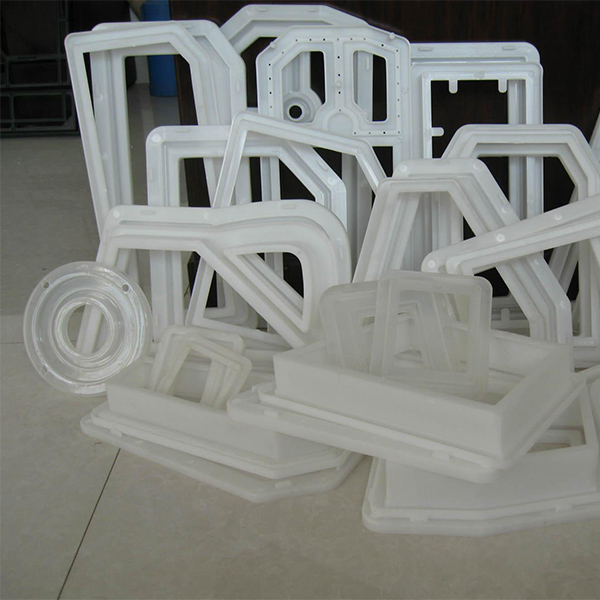
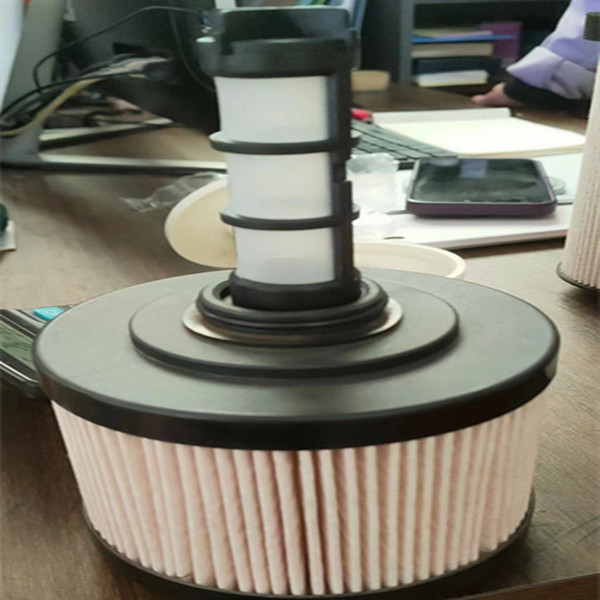
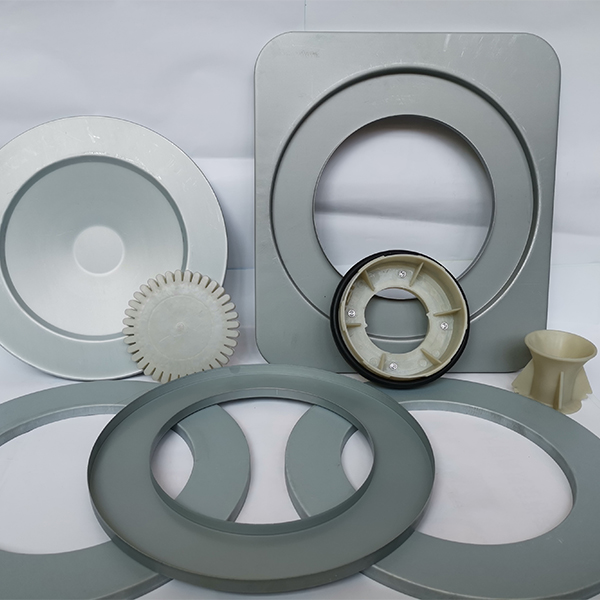
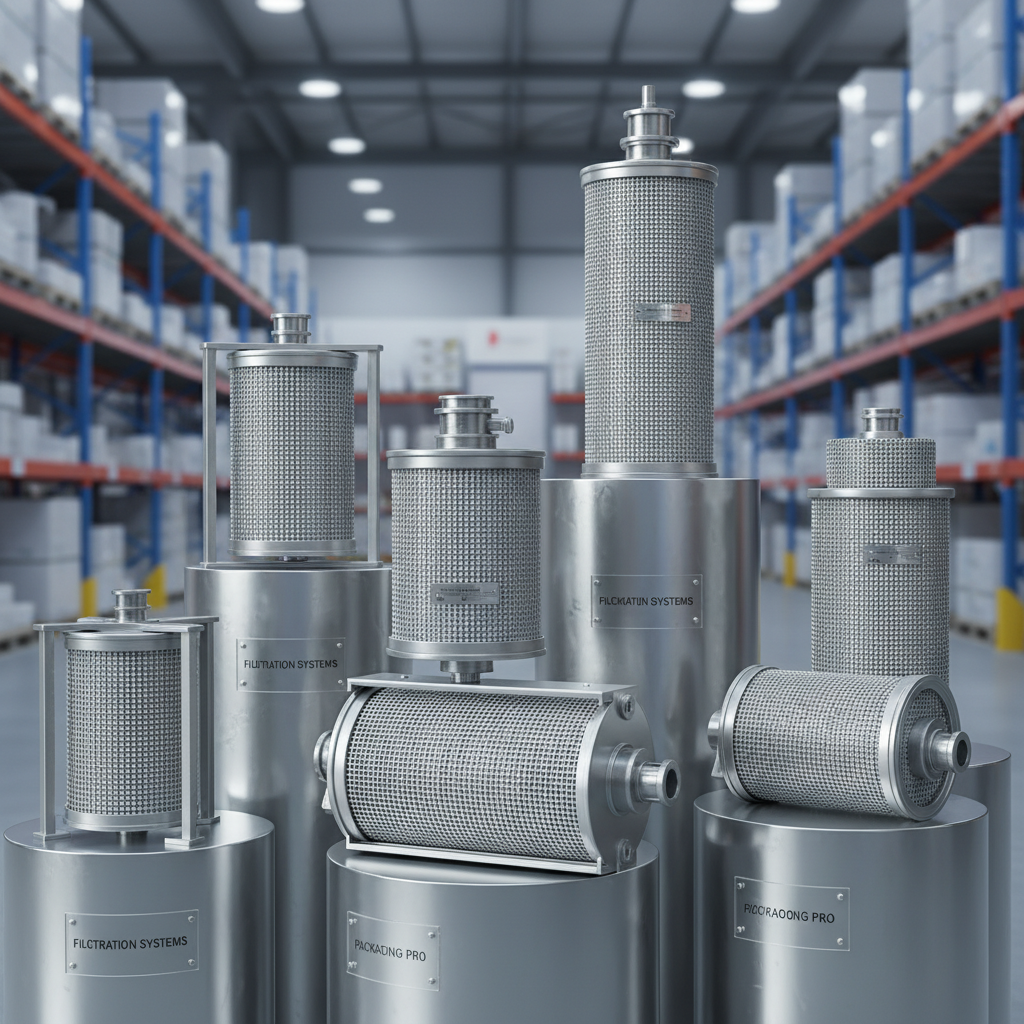
Think of a filter cover as the unsung hero that keeps your filtration system safe from the elements — dust, moisture, temperature extremes, or physical damage. Essentially, it’s a tailored enclosure or shield that fits over the filter unit, allowing optimal air/water flow but blocking contaminants or hazards outside.
In modern industrial or humanitarian contexts, filter covers ensure that the critical processes of air and water filtration continue uninterrupted. Whether inside huge manufacturing plants or emergency water purification units halfway around the world, their role is surprisingly fundamental.
Core Components and Essential Features to Look For
1. Durability
A good filter cover must withstand abrasion, UV radiation, chemical exposure, and sometimes impact — all without cracking or deforming. For industries ranging from mining to food and beverage, durability translates directly to fewer replacements and less maintenance hassle.
2. Material Compatibility
Not every filter cover material plays well with every environment. Metals like aluminum or stainless steel might be ideal for high-temperature industrial setups, while plastics or composites offer corrosion resistance in marine or coastal zones. Material choice influences both protection and cost.
3. Design and Fit
Precision sizing means the cover sits snugly without restricting airflow or filtration capacity. Some folks underestimate this detail, but ill-fitted covers can impair filter efficiency, raising energy costs or risking contamination leaks.
4. Ease of Maintenance
Filters often need replacing or cleaning. Covers designed for easy opening or quick removal can save time and reduce downtime — a practical feature especially in busy industrial plants.
5. Scalability and Adaptability
Modern projects may demand modular or customizable covers that adapt to different filter sizes or shapes. This flexibility is crucial in sectors like humanitarian relief, where quickly swapping parts can be lifesaving.
Mini takeaway: Durable, well-designed filter covers combine protection, practicality, and adaptability — making all the difference in reliability and operational costs.
Where Are Filter Covers Used the Most?
Filter covers turn up in some surprising places. Industrial manufacturing plants worldwide use them to shield filtration systems battling dust and fumes. In healthcare, they protect life-saving air filters ensuring sterile environments. Environmental NGOs deploy them on water filters in post-disaster zones — think southern Asia after floods or sub-Saharan Africa in drought-stricken areas.
In the energy sector, gas turbines and oil refineries rely heavily on robust filter covers to maintain smooth operations, reducing breakdown risks and environmental impact. Even in remote mining operations, filter covers are crucial for equipment longevity amidst abrasive dust storms.
Oddly enough, in high-tech electronics manufacturing centers, special filter covers help maintain ultra-clean air standards. So, from Delhi to Detroit, these components quietly do their job.
Advantages & Long-Term Value of Investing in Quality Filter Covers
- Cost Effectiveness: Less frequent replacements, reduced maintenance downtime, and fewer filter failures translate directly to saved budgets.
- Sustainability: By extending filter life, fewer resources are consumed, supporting circular economy goals increasingly pushed by regulators.
- Safety and Reliability: Prevents exposure to harmful particles or chemicals, protecting both equipment and personnel — a no-brainer for compliance and trust.
- Innovation Friendly: Modern filter covers often integrate smart sensors or sustainable materials, future-proofing operations.
At its core, a solid filter cover instills confidence in systems that millions rely on daily — from clean drinking water to pollution control.
Filter Cover Specification Table
| Feature | Specification | Notes |
|---|---|---|
| Material | Aluminum, Stainless Steel, Polycarbonate | Depending on environment and chemical exposure |
| Dimensions | Custom sizes available | Adapters for different filter units |
| Temperature Range | -40°C to 150°C | Suitable for most industrial climates |
| Protection Rating | IP55 - IP67 | Dust and water ingress resistance |
| Weight | 0.5 - 5 kg (depending on size) | Lightweight options for portability |
Vendor Comparison: Choosing the Right Filter Cover Supplier
| Vendor | Material Options | Customization | Lead Time | Price Range |
|---|---|---|---|---|
| Alpha Filters Inc. | Aluminum, Stainless Steel | High (Custom sizes & coatings) | 3-4 weeks | $$$ |
| EcoCover Solutions | Recycled Polycarbonate, Composite | Medium (Standard sizes with options) | 2 weeks | $$ |
| Global Filtration Co. | Steel, Aluminum, Plastic blends | Low (Mostly catalog items) | 1 week | $ |
Looking Ahead: Future Trends and Innovations
The future of filter covers is intriguingly tied to sustainability and digital transformation. Manufacturers are exploring biodegradable and recycled materials to cut down plastic waste — a growing global directive supported by ISO environmental standards. Also, imagine filter covers embedded with IoT sensors monitoring filter condition, alerting teams before problems escalate. Automation in manufacturing means faster, more precise designs adapted to real-time needs.
Plus, green energy projects, often located in challenging environments, demand ultra-resilient, eco-friendly filter covers. The industry feels like it’s at the cusp of a small revolution — not flashy, but utterly indispensable!
Challenges & How the Industry Is Tackling Them
No product is perfect. Filter covers can sometimes add weight or complexity, making installations trickier. Plus, costs for high-performance materials or custom designs can be steep upfront. Maintenance accessibility — while often addressed — remains a sticking point for some designs.
Yet innovative companies are responding by using lightweight composites, modular designs, and streamlined fitting techniques. Environmental regulations push vendors toward greener materials, while smart designs keep covers user-friendly. So the path forward looks promising, though with hurdles like cost and material sourcing still in play.
Filter Cover FAQ: Your Common Questions Answered
- Q: What materials are best for filter covers in coastal regions?
A: Coastal environments are harsh, with salt and moisture exposure. Stainless steel or corrosion-resistant composites are best, preventing rust and degradation for longer service life. - Q: Can filter covers be customized for non-standard filter sizes?
A: Absolutely. Many suppliers, like filter cover manufacturers, offer custom sizing or adaptable designs to fit specific product requirements without sacrificing protection. - Q: How often should filter covers be inspected or replaced?
A: Inspection schedules vary by usage, but generally, cover integrity should be checked every 6–12 months to catch wear or damage early. Replacement depends on material and environmental stresses. - Q: Are there eco-friendly filter covers available?
A: Yes. Some manufacturers now produce covers from recycled plastics or biodegradable composites, aligning with environmental sustainability goals. - Q: Does a filter cover affect filtration efficiency?
A: A well-designed cover should not impede filtration performance. However, improper fit or design can restrict airflow or fluid flow, so quality matters.
Wrapping It Up: Why a Good Filter Cover is Worth It
When you consider the long-term cost savings, improved system reliability, and positive environmental impacts, investing in a quality filter cover quickly looks like a smart move. It’s one of those things that’s easy to overlook but becomes glaringly obvious when missing or failing. If you’re curious, check out options and industry insights at filter cover suppliers’ websites — it’s worth exploring how a simple cover can protect not just your filter, but your whole operation.
References:
Post time: Dec-01-2025