HEPA Filter Paper for Sale: What You Need to Know
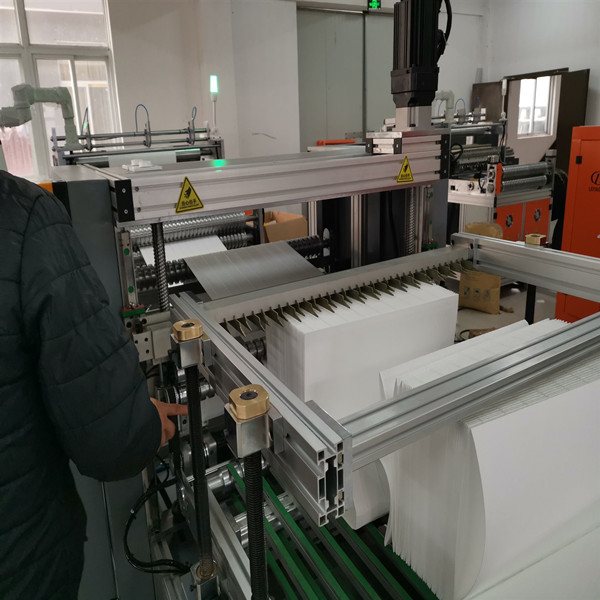
Having spent over a decade in the industrial equipment sector, I’ve handled countless types of filtration products. One component that never loses relevance is hepa filter paper for sale. Honestly, it’s a staple in cleanrooms, manufacturing lines, and healthcare environments, trusted for its ability to capture microscopic particles that others let slip through. If you’ve ever been curious about what goes into these filters, their specs, or how to choose the right supplier, stick with me.
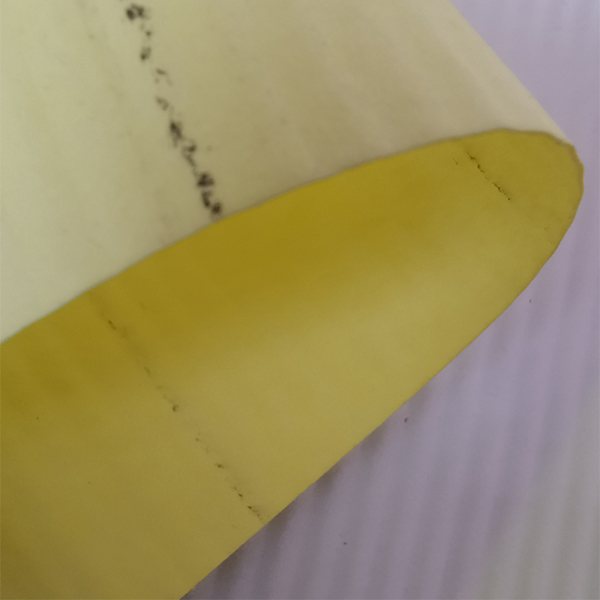
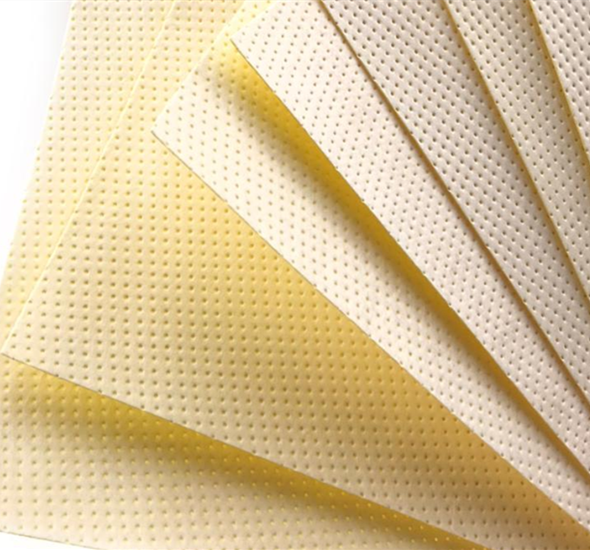
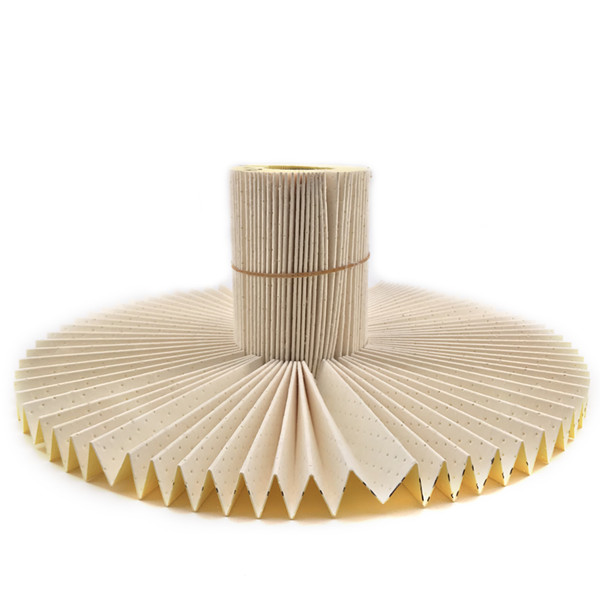
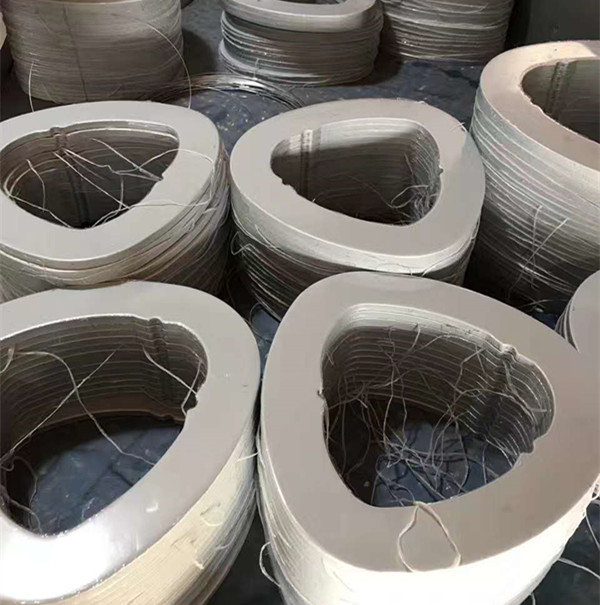
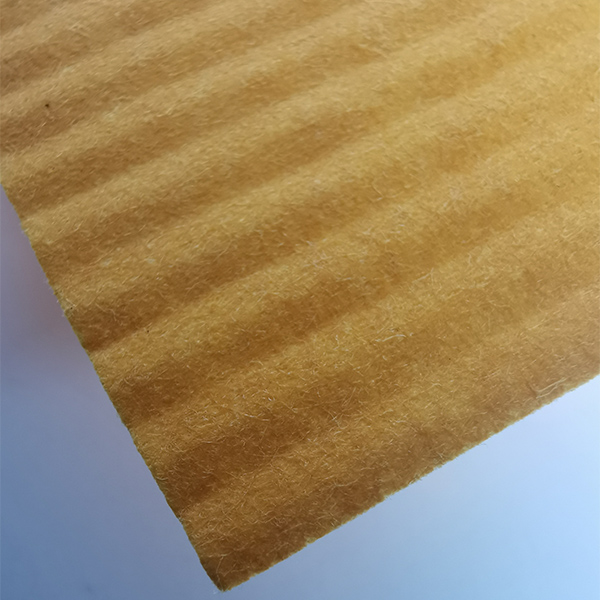
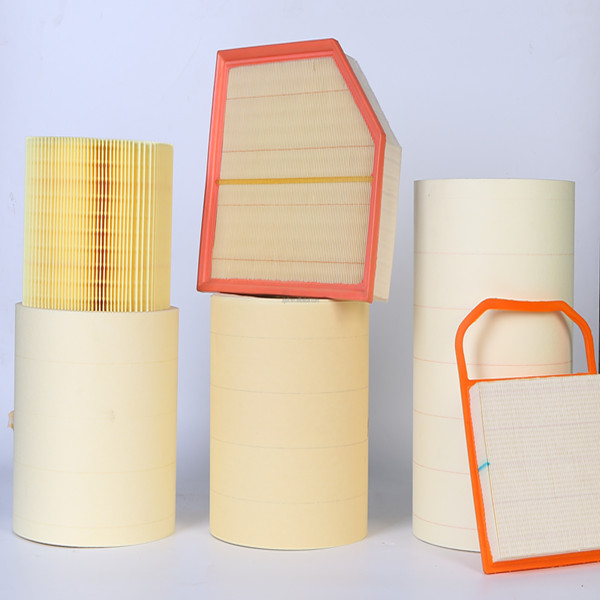
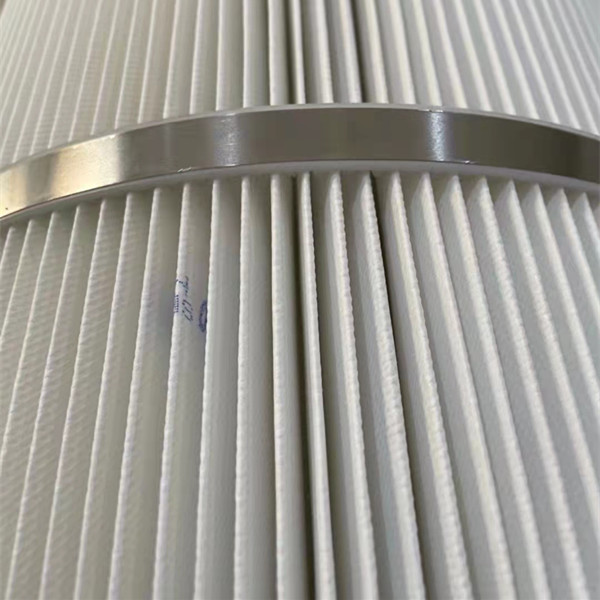
First off, HEPA stands for High Efficiency Particulate Air. The paper used in these filters isn’t your average paper – it’s typically made from ultra-fine glass microfibers laid out in a dense mat to trap particles as small as 0.3 microns with at least 99.97% efficiency. I remember a project years ago where switching to a high-quality HEPA paper drastically reduced contamination issues on the production floor, proving just how pivotal the right media can be.
Of course, not every HEPA filter paper is created equal. Variations exist in thickness, basis weight, fiber diameter, and even surface treatments designed to improve durability or moisture resistance. In my experience, specifying these parameters correctly can make or break a filtration system’s performance.
| Specification | Typical Range | Notes |
|---|---|---|
| Basis Weight | 80–150 g/m² | Affects filter thickness and pressure drop |
| Fiber Diameter | 0.2–1.0 μm | Finer fibers boost capture efficiency |
| Thickness | 1.2–3.0 mm | Thicker sheets typically for higher volume filtration |
| Efficiency | ≥ 99.97% @ 0.3 μm | Industry-standard HEPA rating |
I suppose one of the trickiest parts is selecting a vendor. It’s not just about cost – surprisingly, many companies find that inconsistent product quality or delayed shipments become costly over the long term. My advice: look closely at material sourcing (glass microfiber quality), manufacturing controls, and whether they can customize paper thickness or treatments.
| Vendor | Customization | Typical Lead Time | Quality Certifications | Price Range |
|---|---|---|---|---|
| Anya Filter Media | Yes (thickness, fiber tweaks) | 2–3 weeks | ISO 9001, ISO 14001 | Mid-range |
| Alpha Fibers Inc. | Limited | 4–6 weeks | ISO 9001 | High-end |
| PureFiber Solutions | Yes (limited) | 3–5 weeks | ISO 9001, ISO 45001 | Budget-friendly |
Oddly enough, I found that engineers often overlook the value of proper documentation and traceability in filter paper supply, but I promise that it can save you from headaches, especially in regulated sectors like pharma or food production. One client shared how a custom variant from Anya Filter Media not only improved their filtration efficiency but also cleared regulatory audits with ease – definitely worth the investment.
It feels like the HEPA filter market is steadily evolving; innovations around fiber treatments to resist moisture or improve antimicrobial properties are slowly creeping in. Having worked on-site during several upgrades, I noticed that these tweaks translate into longer filter life and less maintenance, which in real terms means less downtime and cost savings.
If you’re considering sourcing hepa filter paper for sale, my two cents: define your performance needs carefully, ask plenty of questions about raw material quality, and don’t skimp on supplier audits. The right filter paper really does make a lasting difference.
One last note: always test new batches of filter media in your specific application. Variations—even slight—in physical characteristics can impact overall system function. As they say, the devil’s in the details.
References:
- U.S. Environmental Protection Agency on HEPA Filtration – epa.gov
- ISO Standards for Air Filter Media – iso.org
- Industry Case Studies on HEPA Filter Media Performance – Filtration Journal
Post time: Dec-12-2025