Glass Fiber Filter Media Manufacturers: A Practical Dive into Quality and Options
Having spent a fair share of my career around industrial equipment—specifically filtration systems—I can say this: choosing the right glass fiber filter media manufacturers is less about just specs on paper and more about understanding the nuances behind how these materials perform in real industrial environments.
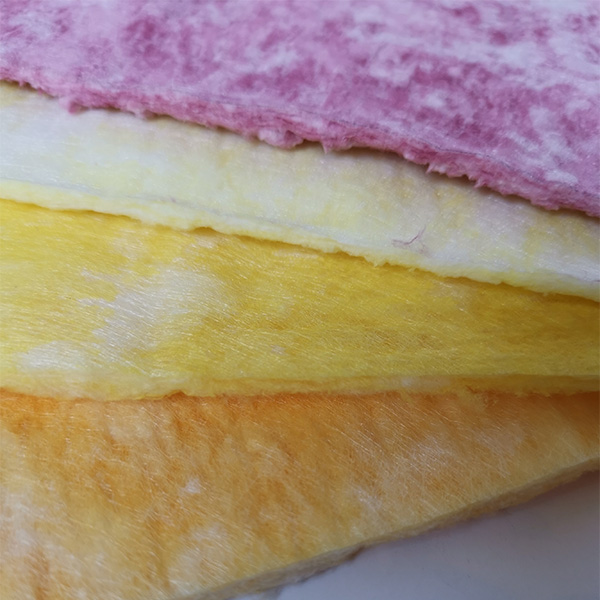
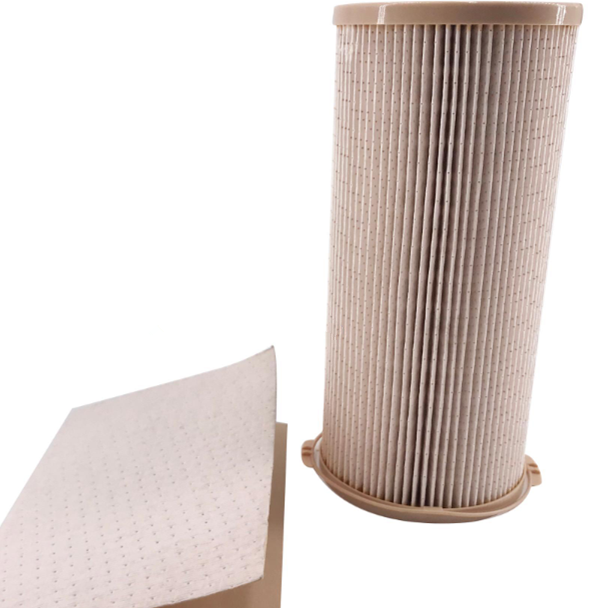
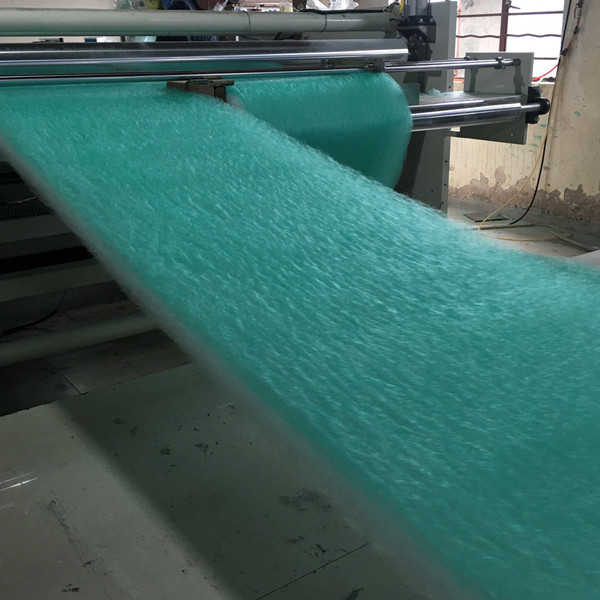
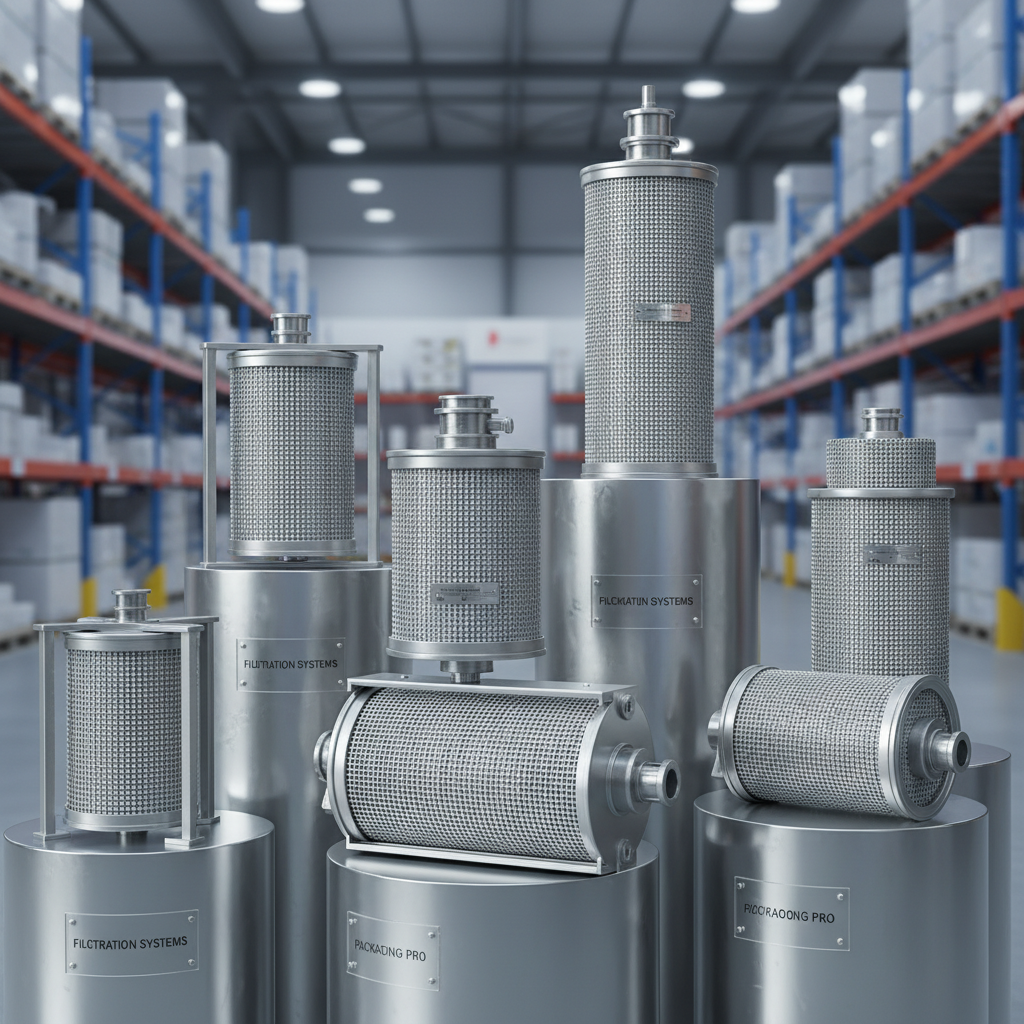
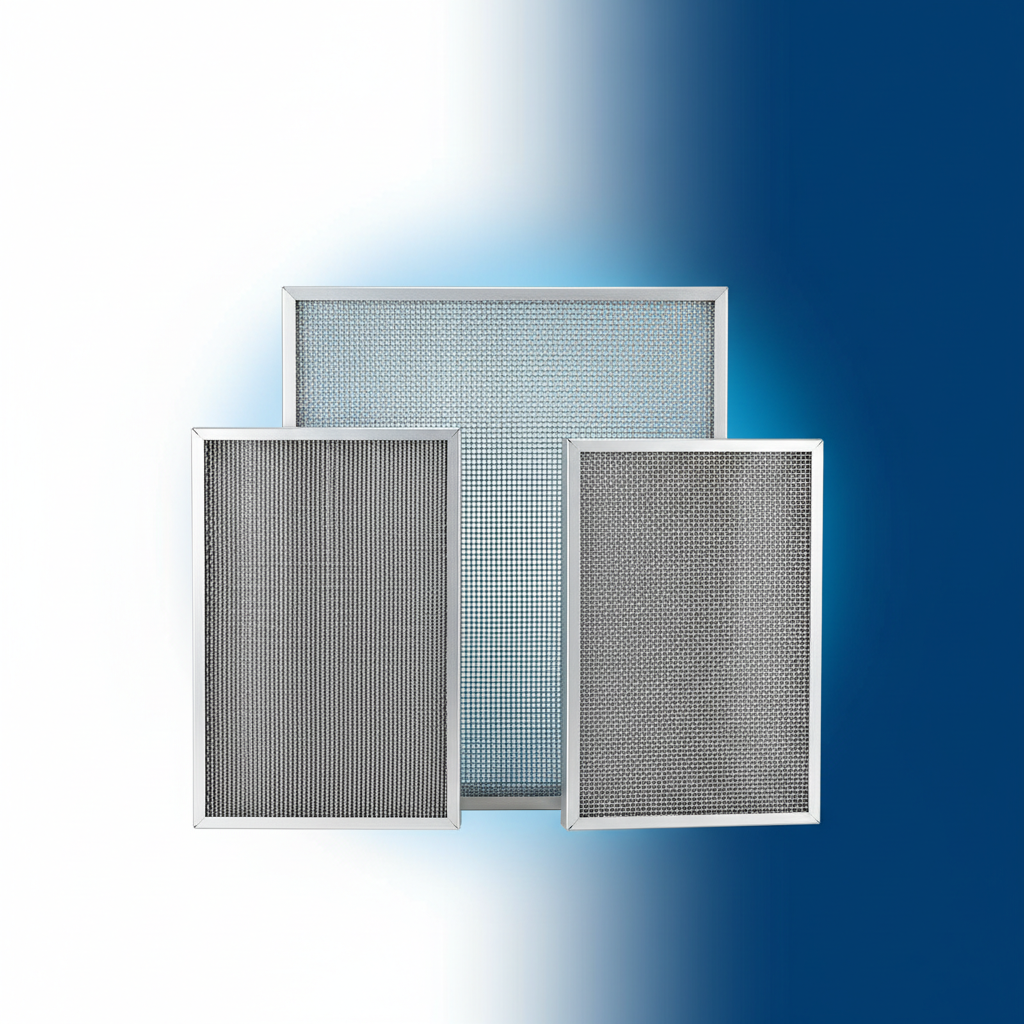
Glass fiber filter media might sound straightforward, but frankly, it’s a world of details. These media are the heart and soul of dust collectors and filtration units, especially when your operation deals with fine particulates or hazardous dust. I remember a plant challenge years ago, where switching to a finely tuned glass fiber media drastically improved not only the air quality but also the lifespan of the filters—and we’re talking a pretty dusty refinery environment.
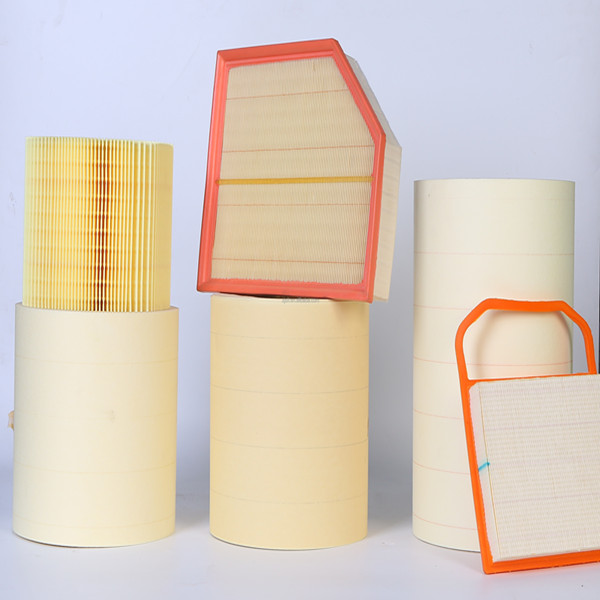
The manufacturers in this space tend to vary broadly in terms of production technology and customization ability. Some focus on the classic wet-laid process—great for very consistent fiber distribution—while others emphasize needled or spunbond options that cater better to durability or specific chemical resistance. It feels like a balancing act between particle size capture, pressure drop, and media life span.
In recent years, I’ve noticed more companies investing in enhanced surface treatments, like PTFE membranes applied to the glass fiber base, elevating performance in harsh environments. For instance, many engineers say the addition of these membranes helps with both moisture resistance and filtration efficiency, which frankly makes a huge difference for plant uptime. Of course, these innovations can bump up cost a bit, but in real terms, the ROI typically justifies itself.
Core Specifications of Typical Glass Fiber Filter Media
| Specification | Typical Values | Notes |
|---|---|---|
| Basis Weight | 250 - 450 g/m² | Higher weight improves durability |
| Thickness | 0.5 - 1.2 mm | Varies by manufacturing technique |
| Filtration Efficiency | >99.9% (PM0.3 and above) | Tested via ISO 16890 or ASHRAE standards |
| Temperature Resistance | -40°C to 250°C | Typical for glass fibers |
| Chemical Resistance | Good against acids and alkalis | Depends on resin binder used |
One thing that often surprises newcomers is the level of customization available. Many manufacturers offer tailored product lines with variations in fiber composition, surface finishes, and media layering designed to meet a client’s specific particulate challenges. Oddly enough, these customizations can be a subtle differentiator – in one case, swapping just the resin binder gave a filter media a two-fold improvement in resistance to acidic gas exposure.
Now, when it comes to picking among manufacturers, three names typically come up in my experience. Below is a quick comparison based on what I’ve gathered over the years, including material innovation, customer service, and lead times.
Comparison of Leading Glass Fiber Filter Media Manufacturers
| Vendor | Innovation | Customization | Lead Time | Customer Support |
|---|---|---|---|---|
| Anya Filter Media | Advanced PTFE membranes | Highly tailored solutions | 4-6 weeks | Proactive and accessible |
| FiberTech Corp. | Standard wet-laid media | Limited options | 6-8 weeks | Responsive, but slower |
| ClearFiber Solutions | Focus on durability | Good customization | 5-7 weeks | Support is decent |
In my view, what often tips the scales is how well the manufacturer works with engineering teams—communication, samples, on-site evaluations. Anya Filter Media, for example, stands out for their hands-on approach, which can be a real time saver and risk reducer when you need the media to perform precisely as expected.
So, if you’ve been hunting for reliable, high-performing glass fiber filter media, consider your environment first—chemical exposure, temperature swings, dust load—then look into manufacturers who don’t just sell a product but offer tailored technical support.
It’s not glamorous work, but I suppose in industrial filtration, the devil really is in the details. Sometimes what feels like a simple fabric has layers of complexity beneath, both literally and figuratively.
References:
- ISO 16890 – Air filters for general ventilation, Part 1: Technical specifications, requirements and classification system based upon particulate matter efficiency (PM).
- ASHRAE 52.2 – Method of Testing General Ventilation Air-Cleaning Devices for Removal Efficiency by Particle Size.
- Industry insights from multiple years of working with dust collection system integrators and equipment suppliers.
Post time: Dec-12-2025