HEPA Paper: The Backbone of Industrial Air Filtration
Having spent over a decade in the industrial equipment sector, particularly in filtration solutions, I can say there’s something reassuring about HEPA paper. It’s this humble, yet sophisticated fabric that plays a pivotal role in cleanrooms, pharmaceutical manufacturing, and countless high-stakes air filtration setups. You don’t always hear about the star material behind HEPA filters, but frankly, it’s the HEPA paper that truly makes the magic happen.
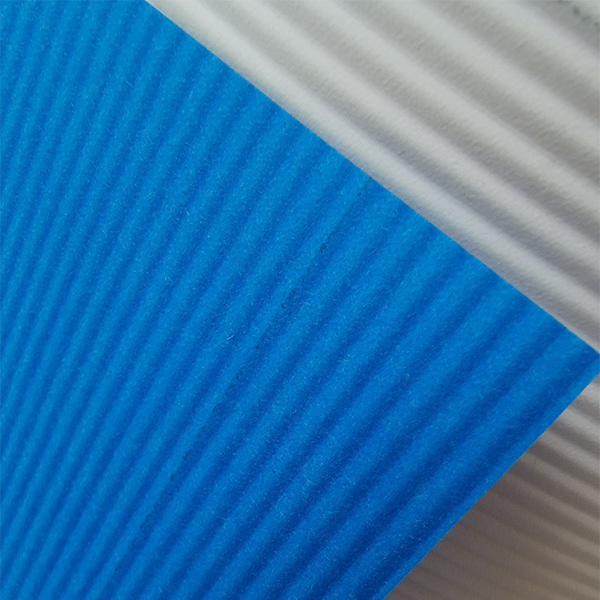
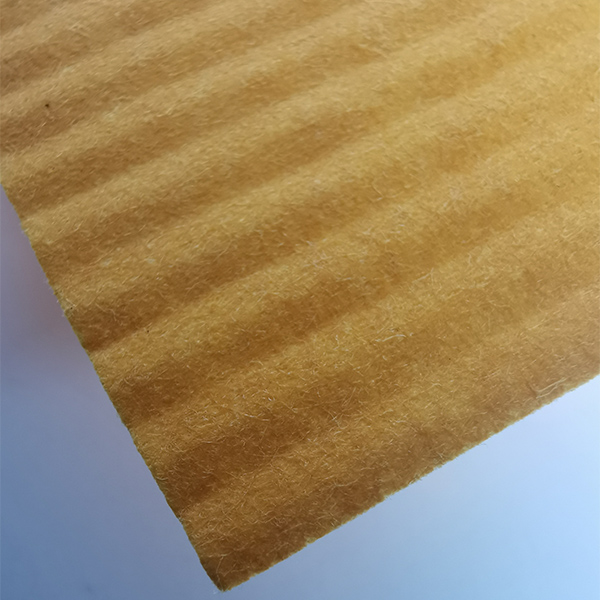
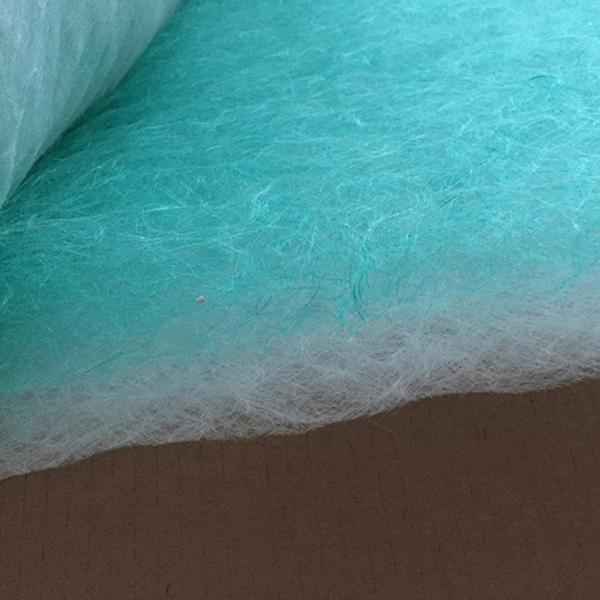
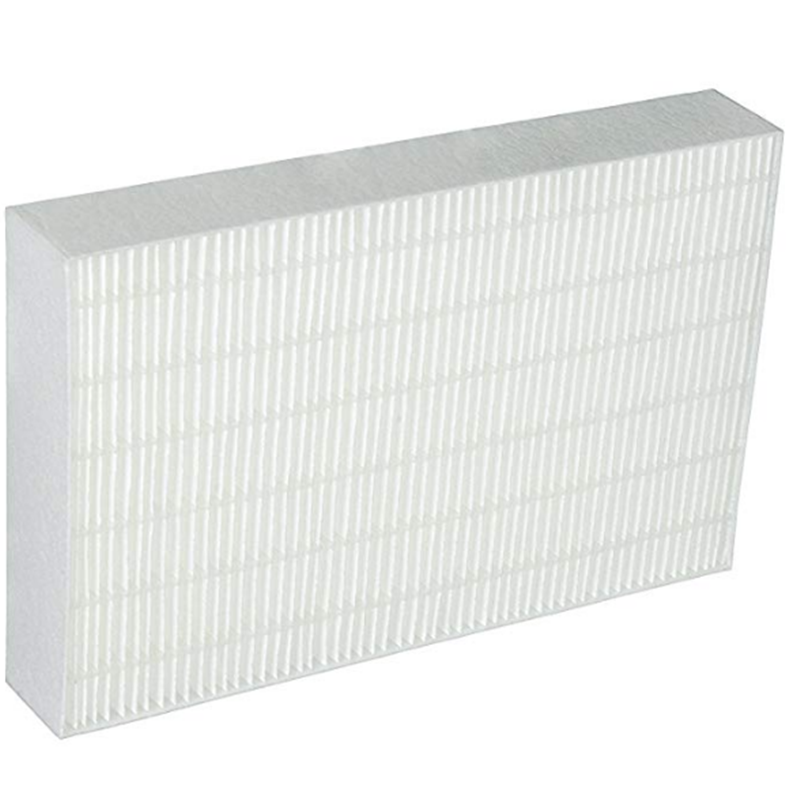
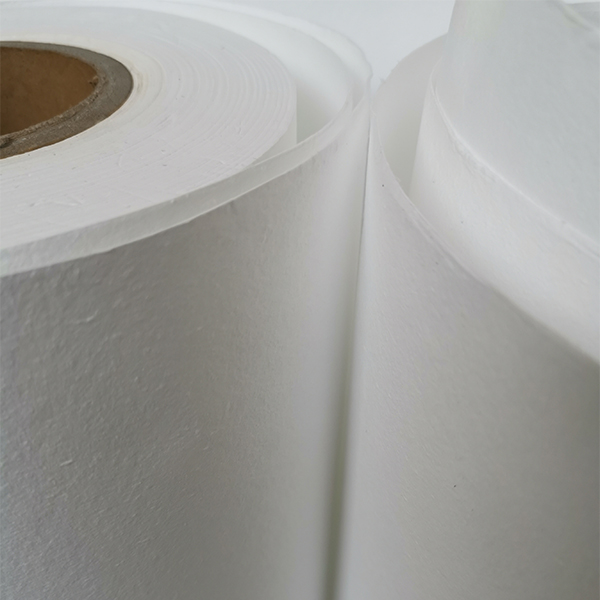
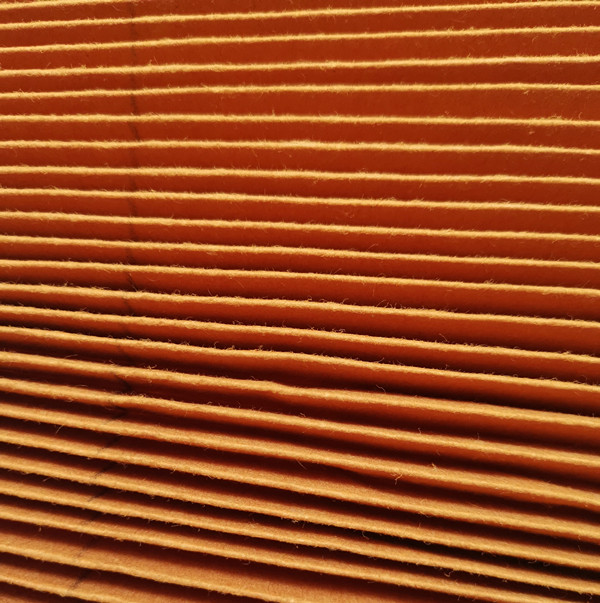
Just to set the scene: HEPA, or High-Efficiency Particulate Air filtration, relies heavily on this kind of specialized paper to trap particles down to 0.3 microns with astounding efficiency—typically 99.97% or better. The paper itself isn’t like your typical office supply; it’s engineered with glass microfibers, formed into ultrafine mats that mix mechanical trapping with electrostatic effects. It feels odd to think of paper in this way—because, well, it’s more of a specially crafted filter media than a sheet you’d scribble on.
One trend I’ve noticed recently is the shift toward customization. Many manufacturers, including HEPA paper suppliers, now tailor the paper thickness, fiber density, and even resin bonding techniques to suit very specific industrial needs. For example, some clients in semiconductor fabs want ultra-low outgassing, while others in the medical field need sterilizable materials that won’t degrade under extreme conditions. This tailored approach is really pushing product innovation forward.
Now, what about durability? Since HEPA filters often run in harsh environments—think corrosive gases or extreme humidity—the paper needs to hold up without turning brittle or losing efficiency. I recall working with a steel plant that initially used a standard HEPA paper product but struggled with frequent filter failures due to moisture. Switching to a reinforced, resin-treated variant made all the difference, extending filter life by over 30%. It’s these real-world stories that underline why the right HEPA paper matters.
Not to get too technical, but testing protocols for HEPA paper are quite rigorous. ASTM standards, for example, dictate particle retention, airflow resistance, tensile strength, and even temperature tolerance. It’s reassuring to see suppliers that can back their products with solid test data—those specs aren’t just marketing fluff. If you’re selecting HEPA paper for a project, make sure you ask for those certificates or lab results.
Here’s a quick specification snapshot of typical HEPA paper used in industrial applications:
| Property | Typical Value |
|---|---|
| Fiber Composition | Glass microfibers with resin binders |
| Thickness | 0.2 – 0.8 mm |
| Basis Weight | 50 – 150 g/m² |
| Efficiency (Particle Size 0.3 µm) | ≥ 99.97% |
| Operating Temperature | Up to 200°C (varies by treatment) |
| Moisture Resistance | High (with resin treatment) |
Now, when considering vendors, experience really counts. I’ve seen some suppliers who offer a broad range of HEPA paper but may fall short on technical support or delivery reliability. Others lean heavily into R&D, providing custom blends and quick prototyping. I put together this quick vendor comparison based on my own evaluation criteria that you might find useful:
| Vendor | Product Range | Customization | Lead Time | Technical Support |
|---|---|---|---|---|
| Anya Filter Media | Wide (various grades & treatments) | High (custom recipes, fast prototyping) | 2-4 weeks | Excellent (dedicated engineering support) |
| Generic Industrial Filters | Moderate | Low (standard options only) | 4-6 weeks | Average (limited technical advice) |
| Premium Filter Supplies | Wide | Medium | 3-5 weeks | Good (responsive support) |
It’s worth highlighting again that details like technical support and customization aren’t just “nice-to-haves” — they can be real game-changers when your project hits a snag or you need a non-standard filter grade. I suppose in the end, choosing HEPA paper comes down to balancing price, performance, and supplier partnership.
Oddly enough, one of the best compliments I received on the topic of HEPA filtration wasn’t about the paper itself but about how invisible it is when it’s working correctly. Nobody talks about the paper when the air is clean and machines hum quietly—that’s the mark of good filtration. But if you want that invisible protection, get the paper right.
In real terms, if you’re specifying or sourcing HEPA filters, spend a little time understanding the paper behind the scenes. Ask questions, get samples, and test for your application. You’ll be surprised how much difference the “paper” makes.
Takeaway: Never underestimate the humble HEPA paper; it’s the silent guardian of industrial air quality.
References:
- ASTM International Standards for HEPA Filter Media
- “Industrial Filtration Basics,” Filtration Journal, 2022
- Personal experience & numerous client projects (2010–2023)
Post time: Dec-12-2025