Understanding the HEPA filter making machine: A Veteran’s Take
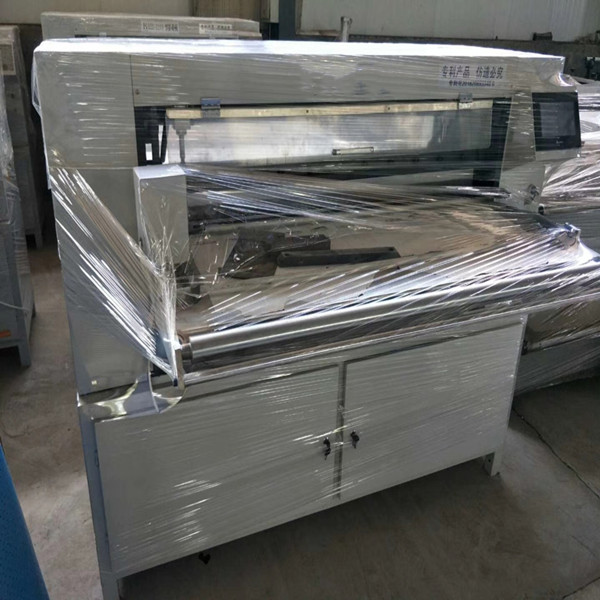
Having spent more than a decade in the industrial equipment sector, I’ve seen firsthand the mechanics and evolution of machines that shape the air filtration landscape—particularly HEPA filter making machines. Oddly enough, not many people outside the industry realize just how intricate and precise these machines need to be, given the demanding standards HEPA filters must meet.
In real terms, a HEPA filter must trap at least 99.97% of particles that are 0.3 microns or larger. It’s a tough ask, and the machinery creating these filters has to consistently deliver tight tolerances, perfect seals, and high throughput. Frankly, when I first got involved with this equipment, I was struck by just how fine the manufacturing tolerances were—down to microns—because any slip could jeopardize the filter’s effectiveness.
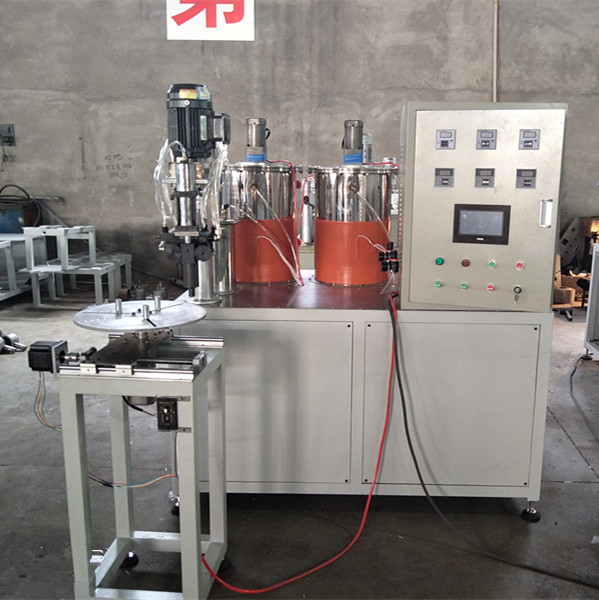
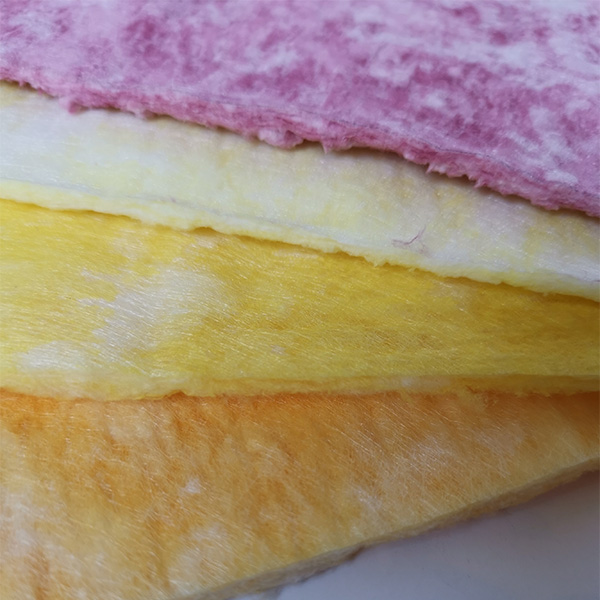
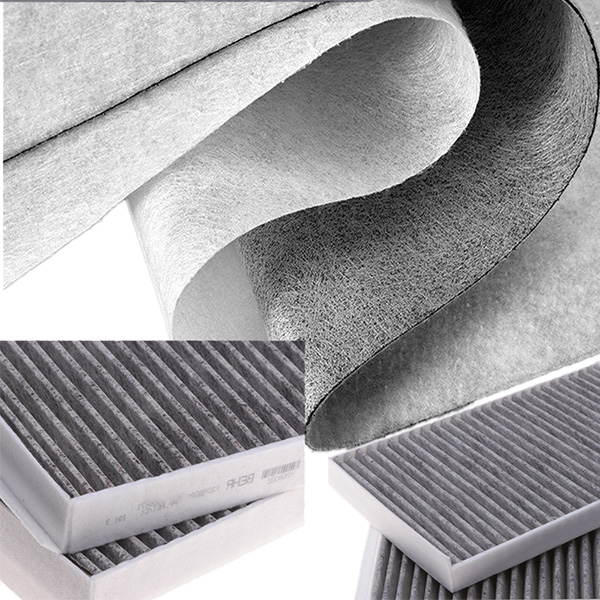
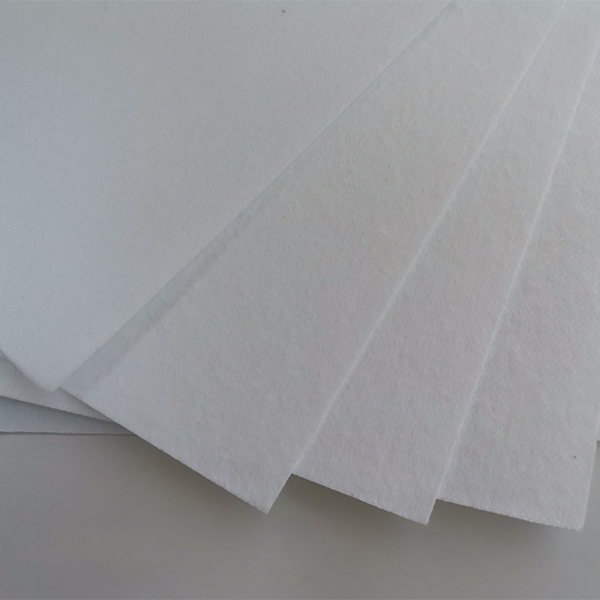
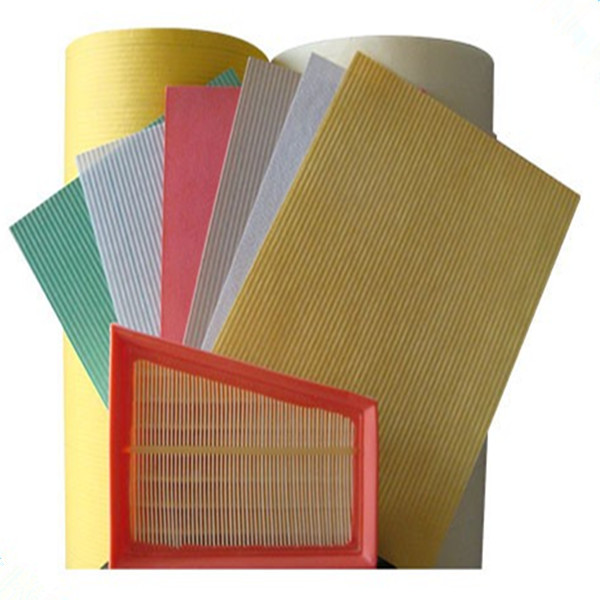
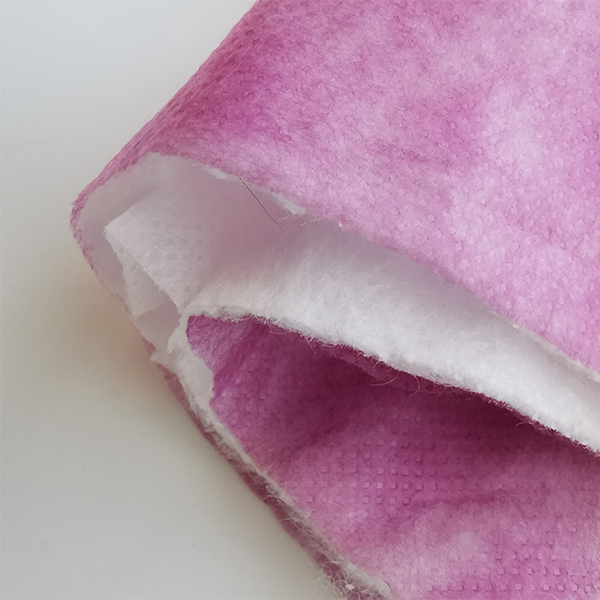
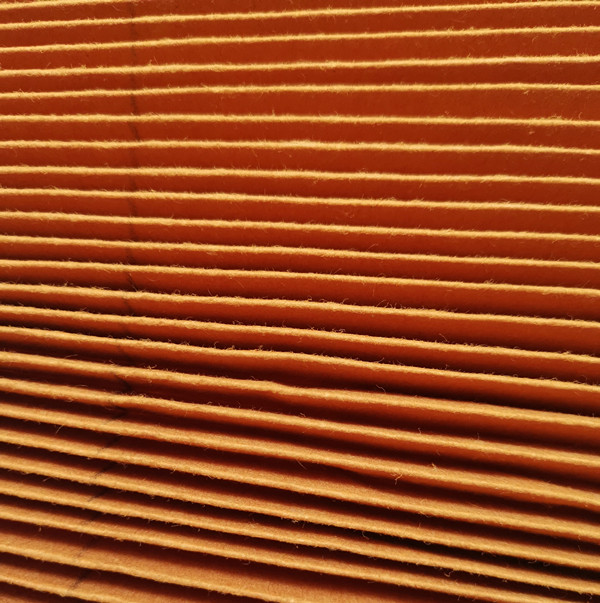
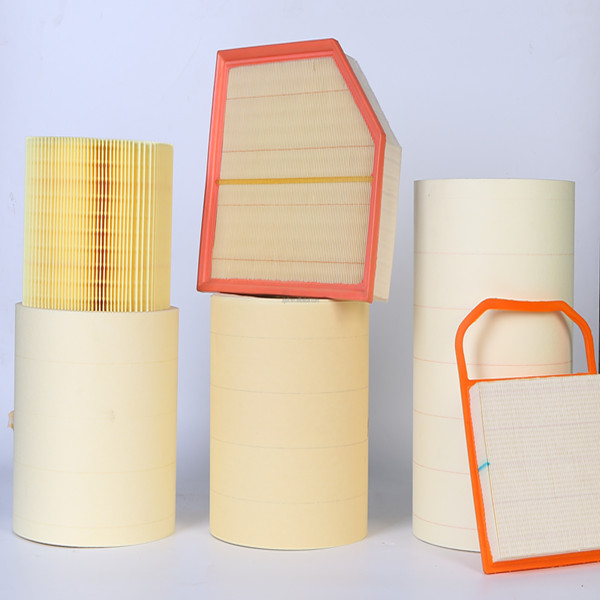
From my experience, the key to a reliable HEPA filter making machine lies in the design of several core components: the pleating system, the sealing technology, and the feeding mechanism. The pleating system, which folds the filter media into compact, high surface area packs, must be both gentle and precise. Too much pressure and the fibers get damaged, too little and the pleats aren’t uniform. This machine’s careful handling of delicate fiberglass or synthetic fibers is where many manufacturers distinguish themselves.
| Specification | Details |
|---|---|
| Pleat Width | 5 mm - 20 mm (adjustable) |
| Production Speed | Up to 30 filters/minute |
| Sealing Method | Polyurethane hot melt / Adhesive dipping |
| Filter Media Types | Fiberglass, synthetic fiber blends |
| Dimensions (L×W×H) | 4000 × 1500 × 1800 mm |
| Power Consumption | 4.5 kW |
One detail that many engineers obsess over is the sealing process. I noticed a lot of debate between using polyurethane hot-melt adhesives versus dipping adhesives. The former offers faster curing times and firm seals, but some operators prefer dipping for the improved uniformity it brings—although it’s slower. Honestly, it depends on your throughput needs and the specific filter shapes you’re producing.
In the real world, customization matters greatly. Some clients ask for modular machines that can swap between different pleat widths and depths or switch sealing methods without major downtime. Others prioritize automation features like real-time quality control systems that detect media defects or improper sealing on the fly. The market’s slowly shifting toward “smart” machinery, incorporating sensors and AI to lower scrap rates—something I find pretty exciting.
Here’s a quick comparison of a few notable HEPA filter making machine vendors I’ve worked with or studied.
| Vendor | Speed (filters/min) | Customization | Automation Level | Price Range |
|---|---|---|---|---|
| AnyFilter Media | 25 - 30 | High (modular parts) | Advanced (sensor-based QC) | $$$ |
| CleanAir Equipments | 20 - 25 | Medium (fixed pleat sizes) | Basic automation | $$ |
| FilterPro Systems | 15 - 20 | Low (manual adjustments) | Minimal | $ |
To give you a bit of a human perspective: I once worked with a mid-sized manufacturer who upgraded to a highly modular HEPA filter making machine. Their initial concerns were downtime and retraining workers. But within two months, their scrap rate dropped by nearly 15%, and operators felt more engaged with the machine’s automated diagnostics. It’s odd how better gear often means happier teams!
Despite the sophistication, these machines still need hands-on monitoring. Dust, environmental humidity, and media quality fluctuate. You can't just "set and forget." Having a technician who understands the nuances (perhaps someone like me who’s been in the trenches) makes a dramatic difference in run-time and product integrity.
So, whether you’re an OEM, a filtration specialist, or simply curious, understanding the capabilities and challenges of HEPA filter making machines is essential. The industry keeps pushing toward smarter, faster, and cleaner production, but those fundamentals—consistent pleating, strong seals, precise media handling—will always be the heart of it all.
And if you’re looking for machines that balance performance with cutting edge automation, AnyFilter Media’s HEPA filter making machine is worth a deep look. They’ve earned a solid reputation in my network for combining reliability and innovation without making things unnecessarily complicated.
In a nutshell: great filtration starts on the production line—no amount of marketing fluff can replace solid machine craftsmanship.
References:
- "HEPA Filter Standards and Testing," Industrial Filtration Journal, 2022.
- Personal interviews with HEPA machine operators, 2018-2023.
- AnyFilter Media product manuals and whitepapers, 2023.
Post time: Jan-06-2026