Bike Air Filter Making Machine: A Closer Look from an Industry Vet
Having spent over a decade in the industrial equipment sector, I’ve seen countless machines come and go — from forging presses to specialized assembly lines. But honestly, few pieces of equipment hold the quiet charm and functional sophistication of a bike air filter making machine. It’s a niche tool, to be sure, but one that plays a critical role in the lifecycle of many motorbikes worldwide.
Why, you might ask? Well, air filters are the lungs of any combustion engine. In motorcycles, especially, the air filter’s quality can make or break performance and longevity. And the machines crafting these filters... well, they’re precision workhorses, optimising everything from material compaction to final shape.
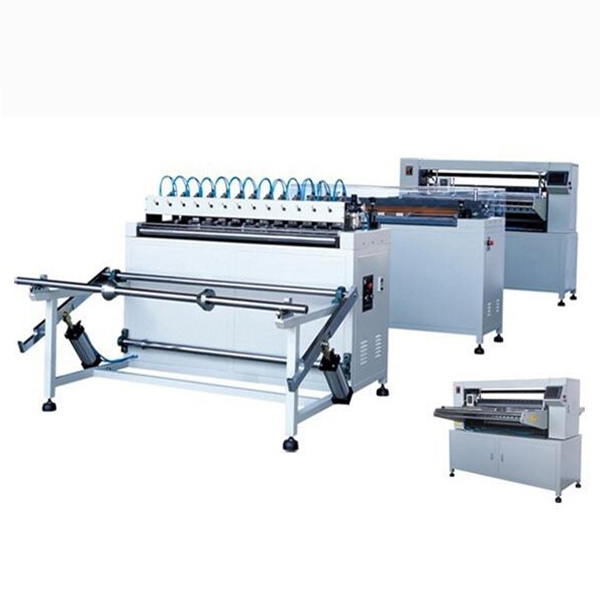
Oddly enough, when I first encountered these machines years back on a factory floor in southeastern China, I was struck by how their seemingly simple design belied their complexity. These are not just “press and go” devices; they blend mechanical engineering with textile technology — something many newcomers might overlook.
What makes a quality bike air filter making machine tick?
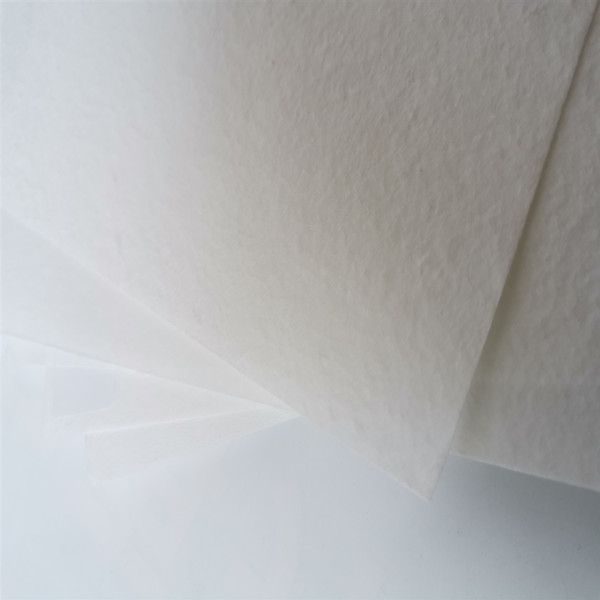
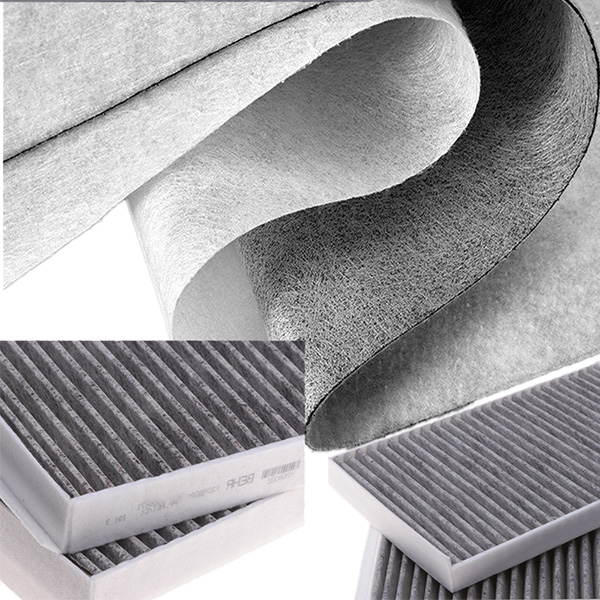
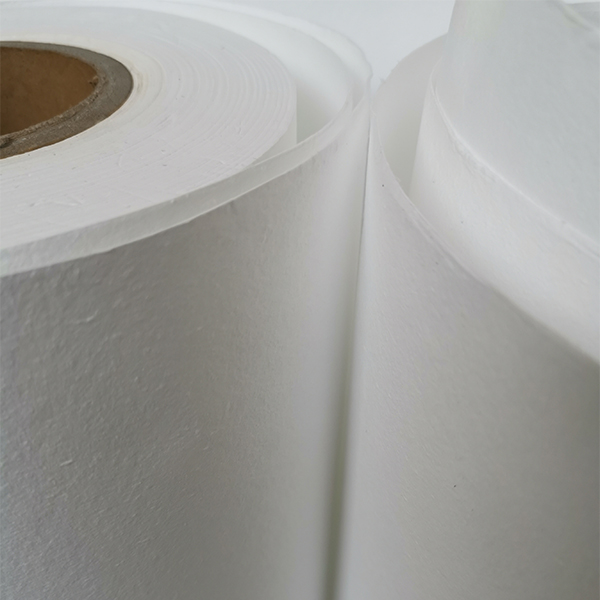
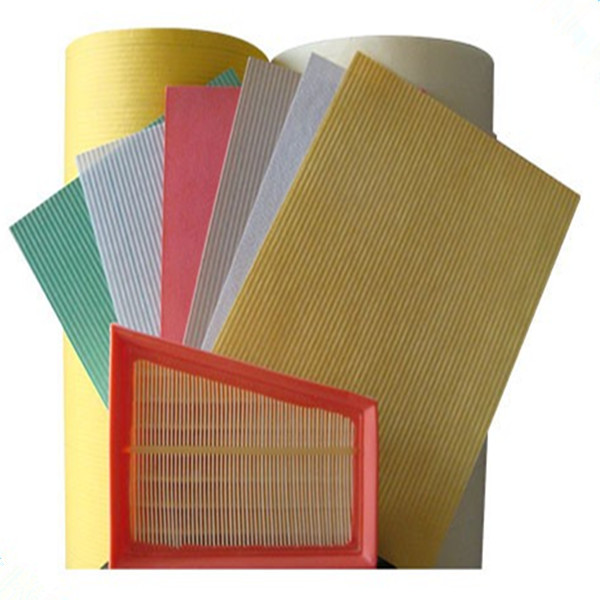
To begin with, the materials handled are quite specific. Typically, non-woven fabrics, cotton paper, and synthetic fibers are layered and compressed to exacting specifications. The machine must deliver consistent pressure and temperature controls to properly bond these layers without damaging filter integrity.
Many engineers I know say that the real challenge lies in balancing production speed with precise quality control. Too fast, and the filter media might deform; too slow, and costs skyrocket. The latest machines often incorporate automation and sensors that monitor pressure and thickness in real-time — something that wasn’t commonplace a decade ago.
| Specification | Details |
|---|---|
| Machine Type | Hydraulic Press with Automatic Layer Feeding |
| Max Production Capacity | Up to 400 filters/hour |
| Material Compatibility | Non-woven fabric, Cotton Paper, Synthetic Fibers |
| Pressure Range | 50-300 Tons |
| Automation Level | Semi to Fully Automated |
| Energy Consumption | Approx. 7 kW per shift |
| Dimensions (L×W×H) | 3500 mm × 1500 mm × 1800 mm |
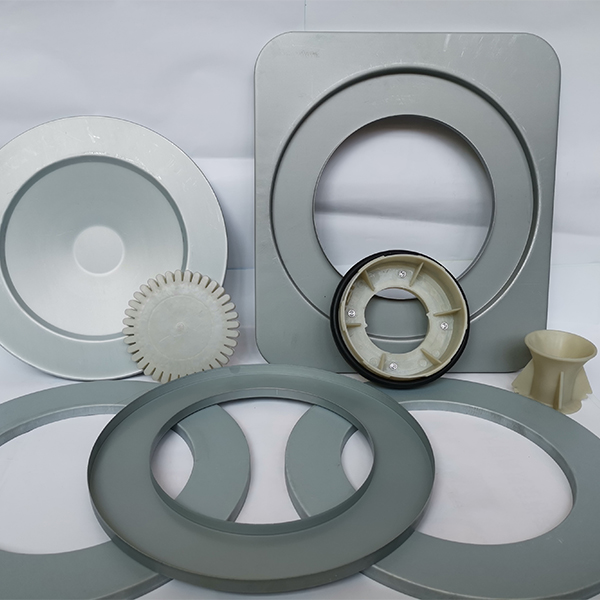
You know, one of the things I appreciate most about modern bike air filter making machines is how customizable they can be. Manufacturers often tailor pressure settings or feeding mechanisms to accomodate different filter shapes — round, oval, or even some fancy proprietary forms. That flexibility is crucial because motorbike models differ wildly from market to market, and filter specs need to keep pace.
A quick vendor comparison: what sets them apart?
From my experience attending trade shows and reviewing industry reports, a handful of vendors consistently emerge as leaders — but their approaches can be quite different. Here’s a brief snapshot of three main players:
| Vendor | Automation Level | Price Range | Customization | After-Sales Service |
|---|---|---|---|---|
| Anyafilter Media | Semi to Fully Automated | $$$ | High (Custom designs available) | Excellent (24/7 support) |
| Industrial Filters Co. | Semi-Automated | $$ | Medium (Limited shapes) | Good (Business hours only) |
| MotoAir Tech | Fully Automated | $$$$ | Very High (Custom and adaptive production) | Moderate (Limited remote service) |
In real terms, choosing the right machine often comes down to a trade-off between budget and needs. I recall a mid-sized manufacturer I worked with who switched to a semi-automated bike air filter making machine after struggling to meet demand with manual processes. The upgrade boosted output by nearly 3x, and their defect rates dropped significantly. Those kinds of gains, frankly, make a tangible difference in competitive markets.
On the whole, if you’re in the business of making bike filters, a capable machine isn't just a nice-to-have — it’s the foundation of quality control, consistency, and scalability. And by the way, tight-knit vendor support and flexible customization options usually go hand-in-hand with better machines.
Anyway, I hope that gives you a picture that’s a little deeper than the typical product blurb. Feel free to explore more via the bike air filter making machine vendors I’ve mentioned. It’s a small corner of the industrial world, but it’s fascinating once you peek beneath the surface.
Looking back, I realize these machines are unsung heroes for something we often take for granted: clean and reliable air for our rides.
References:
- Industry interviews at Asia Filtration Expo, 2023
- "Advanced Air Filter Manufacturing", Journal of Industrial Equipment, 2022
- Manufacturer case studies from Anyafilter Media, 2023
Post time: Jan-06-2026