Flame Retardant Paper Sheets: Essential in Industrial Safety
Having spent over a decade deep in the industrial equipment trenches, I've encountered my fair share of materials touted as “fire-safe.” Oddly enough, flame retardant paper sheets still catch a lot of engineers off guard — mainly because they seem so simple, yet they perform a pretty critical role. If you’ve dealt with insulation, packing, or filtration media, you probably know what I mean.
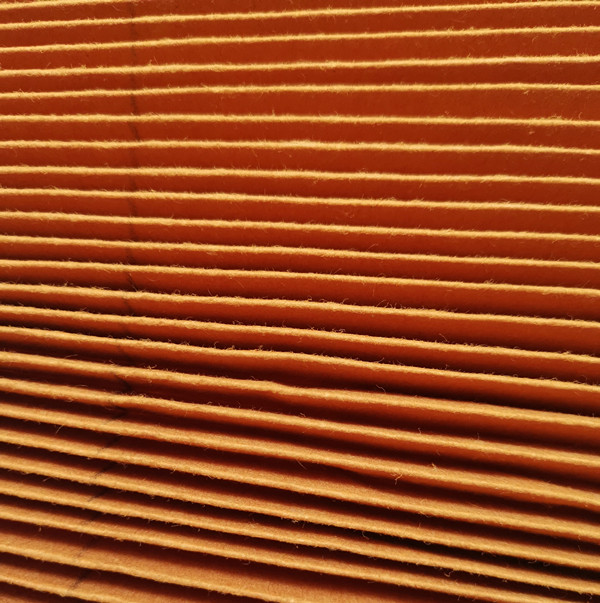
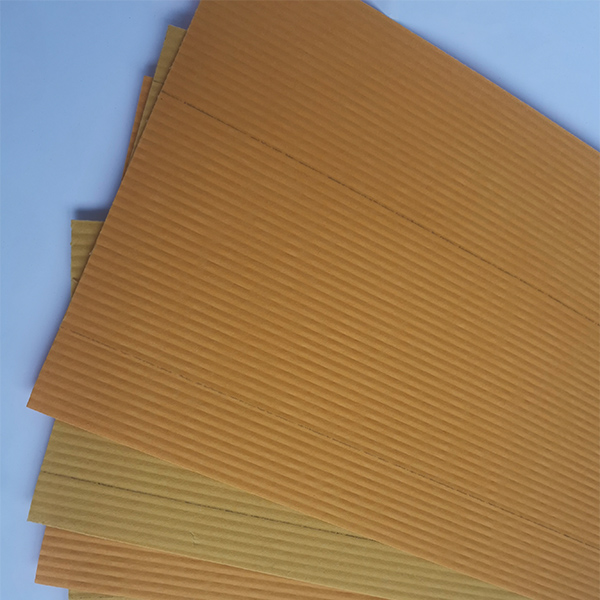
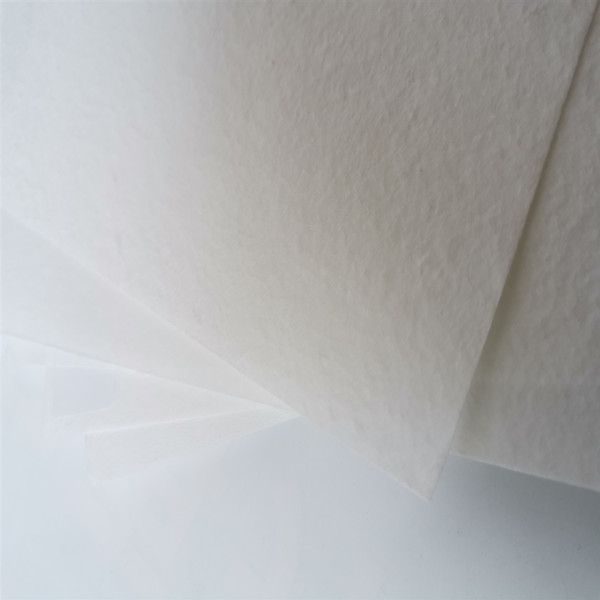
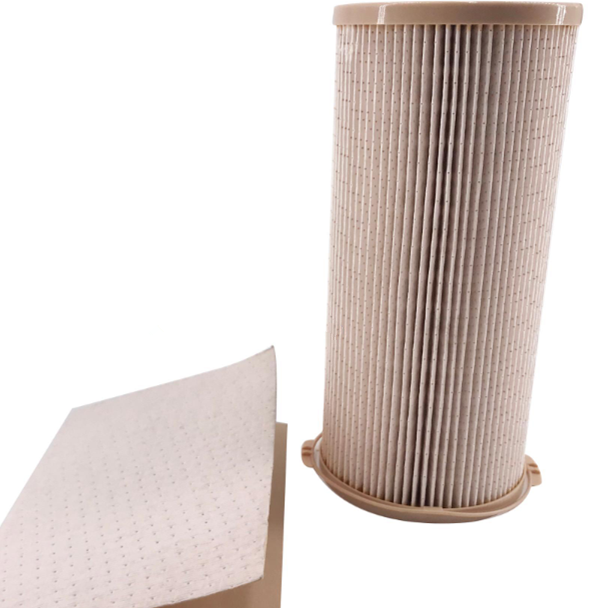
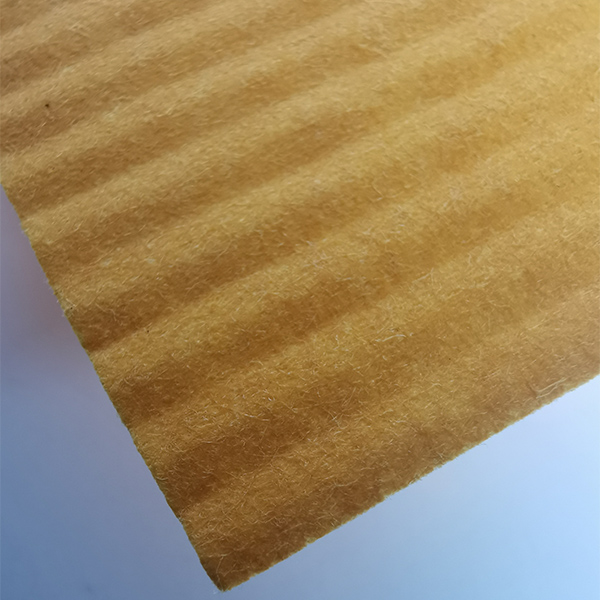
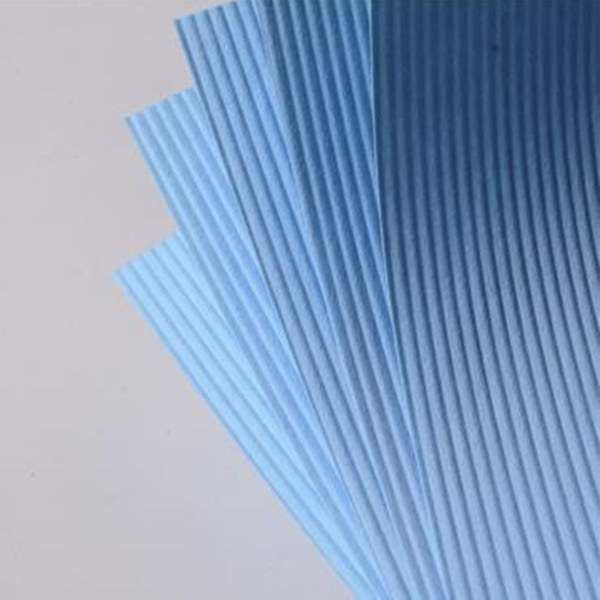
Flame retardant paper sheets, at their core, are specially treated cellulose papers designed to resist ignition and slow flame spread. I remember a project years ago where we used these in electrical panel linings. The difference in fire containment was noticeable during our safety tests. The material gave us extra seconds to react—an eternity in a crisis.
The secret is in their chemical treatment. These papers typically incorporate halogen-free retardants or phosphorus-based additives, which suppress flame propagation without compromising the paper’s flexibility or tensile strength. It feels almost like a magician’s trick — how can something so seemingly fragile help so much with safety? But that’s the beauty of engineered materials.
Of course, any good flame retardant paper has to pass strict industry standards. Many suppliers ensure compliance with UL 94 or ASTM E84 tests to measure flammability and smoke generation. I’ve found that the ones hitting a V-0 rating on UL 94 are the most reliable for industrial settings.
Typical Specifications of Flame Retardant Paper Sheets
| Specification | Details |
|---|---|
| Material Base | Cellulose fiber composite |
| Flame Retardant Treatment | Phosphorus-based, halogen-free additives |
| Thickness | 120 - 250 microns |
| Flammability Rating | UL 94 V-0 / ASTM E84 Class A |
| Tensile Strength | >30 N/mm² |
| Thermal Stability | Up to 150°C continuous use |
Now, if you’re in the market for sourcing these sheets, you’ll find there’s a fair bit of variation between vendors. Frankly, the devil’s in the details — things like durability under humidity, customizable sizes, and eco-friendliness can all vary and affect performance on-site.
Vendor Comparison: Flame Retardant Paper Sheets
| Vendor | Thickness Range (microns) | Flame Rating | Custom Sizes | Eco-Friendly Options |
|---|---|---|---|---|
| Anya Filter Media | 120 - 250 | UL 94 V-0 | Yes | Yes |
| FireGuard Papers Ltd. | 150 - 300 | ASTM E84 Class A | Limited | No |
| SafePaper Solutions | 100 - 200 | UL 94 V-1 | Yes | Partial |
Before I forget, if you want a reliable source, I often recommend Anya Filter Media. Their flame retardant paper sheets struck a good balance between toughness and eco-conscious manufacturing. We actually tested several batches from them, and the consistency was impressive — that sort of reliability makes all the difference in large-scale industrial projects.
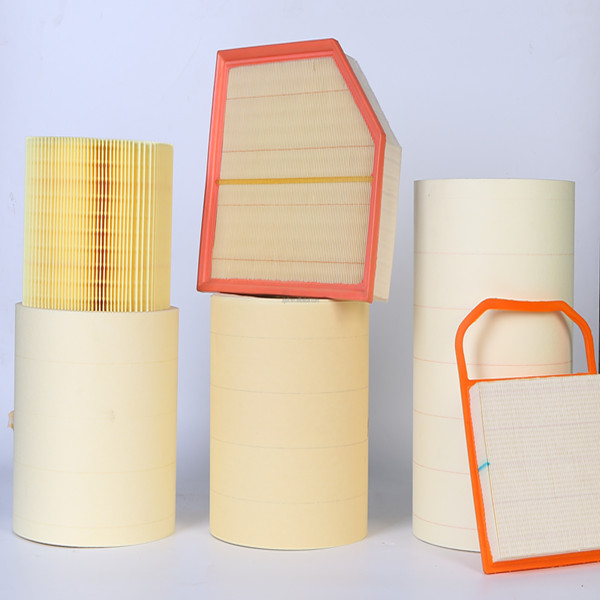
In real terms, these papers get used in all sorts of niche ways: heat shields, gaskets, and even some packaging that demands an extra layer of fire protection. The fact they can be customized in thickness and size means you’re not stuck shoehorning in a one-size-fits-all material. It’s kind of like having a fire suit tailored to your machinery instead of buying off the rack.
These sheets have their quirks, though. They don’t replace metal or ceramic insulation, that’s for sure. But they’re far lighter and easier to handle, making them popular where weight and workspace are limited. I noticed that many engineers say the ease of cutting and shaping the paper is a huge plus during assembly.
So, if you’re reviewing fire safety materials, don’t overlook flame retardant paper sheets. They’re subtle heroes, quietly preventing nasty accidents. And as always, make sure to vet your supplier thoroughly — the standards, the certifications, and ideally some user testimonials. It feels like due diligence, but it’ll pay off when your panels hold strong during a test or, fingers crossed, a real event.
In closing: flame retardant paper sheets might not be flashy, but in the industrial world, where safety often rides on the least glamorous details, they’re worth every bit of attention.
References:
1. UL 94 Flammability Standard Information
2. ASTM E84 Tunnel Test Overview
3. Anya Filter Media Product Datasheets
Post time: Dec-04-2025