Understanding Flame Retardant Paper Rolls: A Practical Guide
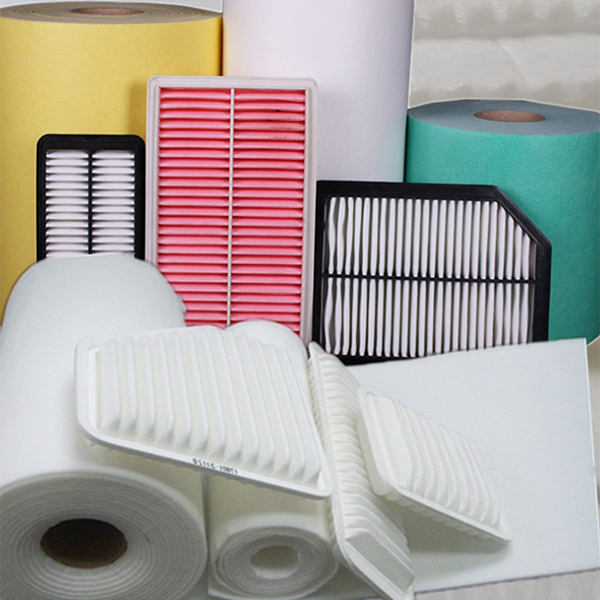
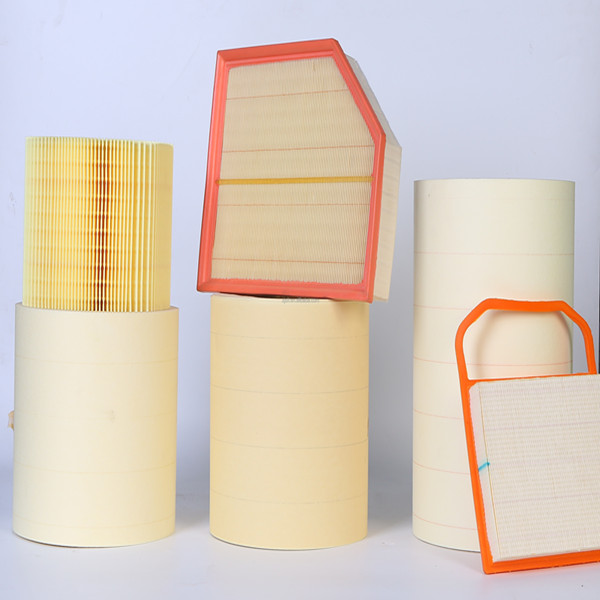
After working in industrial equipment and filtration media for well over a decade, I've seen firsthand how critical the right materials can be — especially when it comes to safety. One product that’s quietly crucial but often overlooked is the flame retardant paper roll. These aren’t your run-of-the-mill paper rolls slapped onto machines; they’re carefully engineered to resist ignition, helping keep operations safer in environments where sparks or high temperatures are common.
Frankly, when I first encountered flame retardant paper rolls, I underestimated their importance. But after some close calls (and a little advise from veteran engineers), it became clear why this kind of paper is so vital. You see, it's not just about blocking flames; it’s about controlling how any flame behaves, giving precious extra seconds or minutes before things escalate — and that can make all the difference in industrial settings.
What Sets Flame Retardant Paper Rolls Apart?
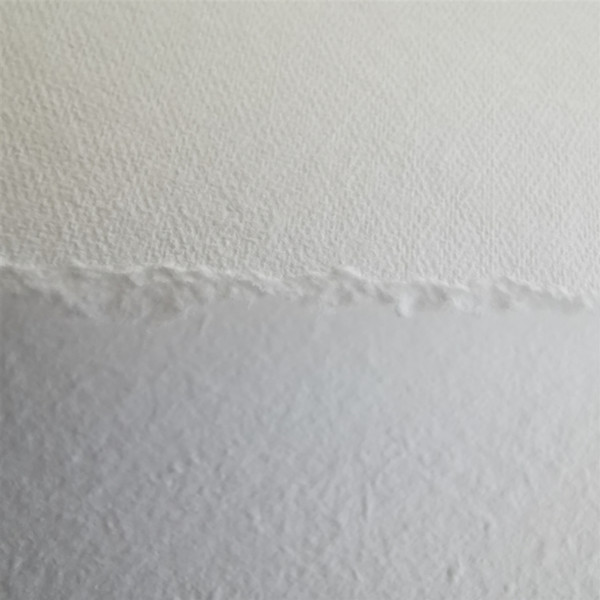
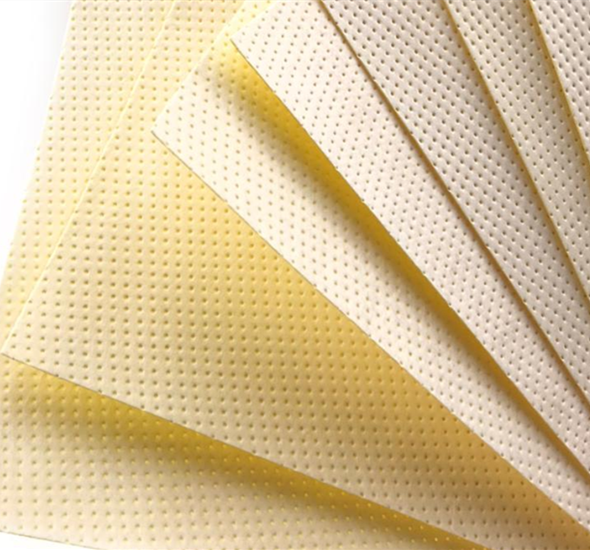
The magic lies mostly in the composition and treatment of the paper. Standard kraft or cellulose paper won't cut it under fiery stress. Flame retardant paper rolls typically involve specialized fibers combined with chemicals that inhibit combustion. Often, these papers are treated with additives like ammonium polyphosphate or borates to stifle flame propagation. In some cases, such rolls are layered with a thin coating, increasing resistance yet preserving flexibility — which is crucial for roll handling and installation.
In real terms, they undergo rigorous testing per standards like UL 94 or ASTM E84, which mimic real-life fire exposure. Many suppliers even customize the paper’s thickness and chemical profile depending on the end-user’s demands, say for a steel mill versus an electronics assembly plant.
Key Specifications in Flame Retardant Paper Rolls
| Specification | Typical Range/Value | Notes |
|---|---|---|
| Material Type | Cellulose fiber with flame retardant additives | Natural base with chemical treatments |
| Thickness | 0.15mm – 0.35mm | Tailored to application |
| Width | 100mm – 1000mm | Custom widths available |
| Flame Retardancy Rating | UL 94 V-0 or EN ISO 11925-2 compliant | Varies by standard applied |
| Roll Length | 50m – 200m | Depends on order specs |
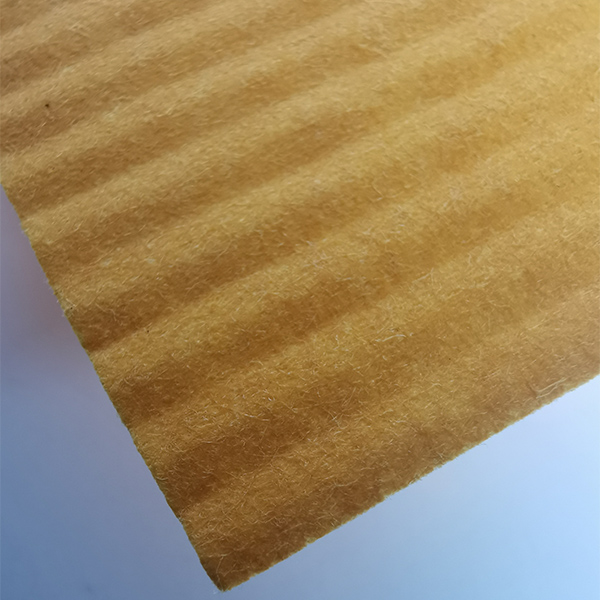
| Color | Usually off-white to light brown | Natural fiber colors typical |
Choosing the Right Vendor: A Quick Comparison
Having dealt with several suppliers over the years, I can say it’s worth paying close attention beyond just price. Delivery times, quality consistency, and the ability to customize really matter. Here’s a quick comparison of some prominent flame retardant paper roll vendors I’ve come across:
| Vendor | Customization Options | Quality Consistency | Typical Lead Time | Price Level |
|---|---|---|---|---|
| Anya Filter Media | High (thickness, width, flame rating) | Very reliable | 2-3 weeks | Mid-range |
| FlameSafe Papers Co. | Medium (standard range only) | Good, some variability | 3-4 weeks | Lower |
| Industrial Safety Rollings | Low (mostly catalog items) | Consistent, but limited options | 1-2 weeks | Higher |
Real-World Use: A Quick Story
I’ll never forget visiting a steel forging plant a couple years back, where they switched to flame retardant paper rolls after a near-incident involving an electrical spark. Maintenance staff told me the new rolls not only met safety codes but also lasted longer, which cut downtime. It’s little things like this that remind me: safety products don’t just protect — they add real efficiency.
If you find yourself needing reliable flame retardant paper rolls, my advice is clear: consider your environment, verify standards compliance, and lean on a trusted provider like Anya Filter Media who understands both the specs and the quirks of industrial realities. It’s worth the investment — no question.
In the end, safety and tailored durability can never be an afterthought. Flame retardant paper rolls are one of those small components with an outsized impact.
References:
1. UL 94 Flame Retardant Standards Documentation
2. ASTM E84 Fire Test for Surface Burning Characteristics
3. Industry Reports on Flame Retardant Media, 2022
Post time: Dec-04-2025