Understanding Filter Paper for Oil Filter Machine: A Key to Cleaner Machinery and a Greener Planet
Filter paper for oil filter machine might sound a bit niche, but it’s actually a surprisingly crucial piece in the global industrial puzzle. Why? Because effective oil filtration keeps engines humming, machines precise, and, frankly, helps reduce waste and pollution worldwide. In a world dependent on complex machinery—from vehicles to heavy industrial tools—understanding the role of this filter paper means better maintenance, longer equipment life, and less environmental impact.
In this article, we’ll dig into what filter paper for oil filter machine really is, why it matters globally, where it’s applied, and even peek into the future of oil filtration technology.
Global Importance of Filter Paper for Oil Filter Machine
Let’s set the scene first: According to data from the International Organization for Standardization (ISO) and other industrial bodies, the global machinery market is growing steadily, with millions of vehicles and machines requiring regular oil filtration to keep operational quality. ISO standards emphasize oil cleanliness because contaminated lubricant leads to faster wear, catastrophic breakdowns, and costly downtime.
Oddly enough, the filter paper’s role is often overlooked, even though it’s the frontline defense removing particles that degrade oil quality. Especially in developing regions with tough environmental conditions, good filter media correlate directly with machinery longevity.
What Exactly is Filter Paper for Oil Filter Machine?
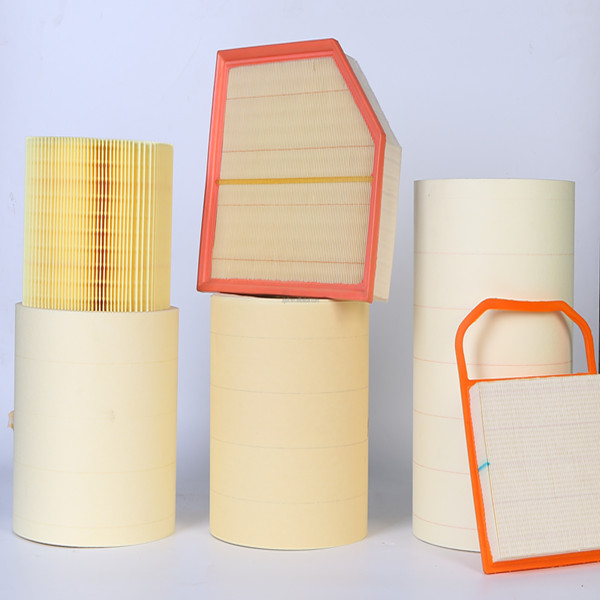
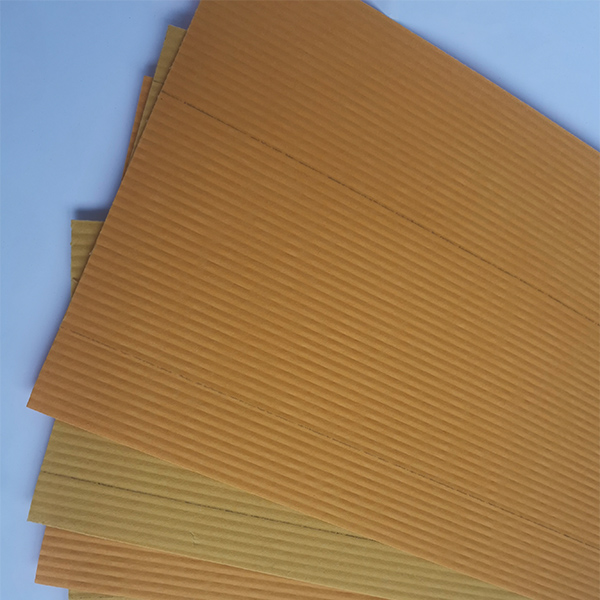
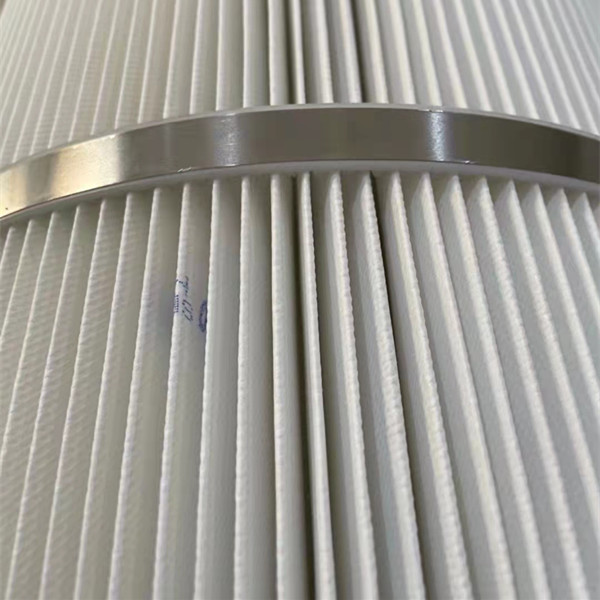
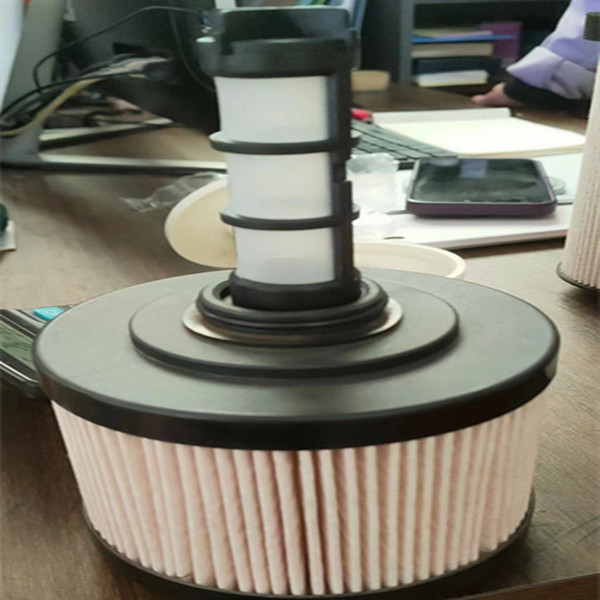
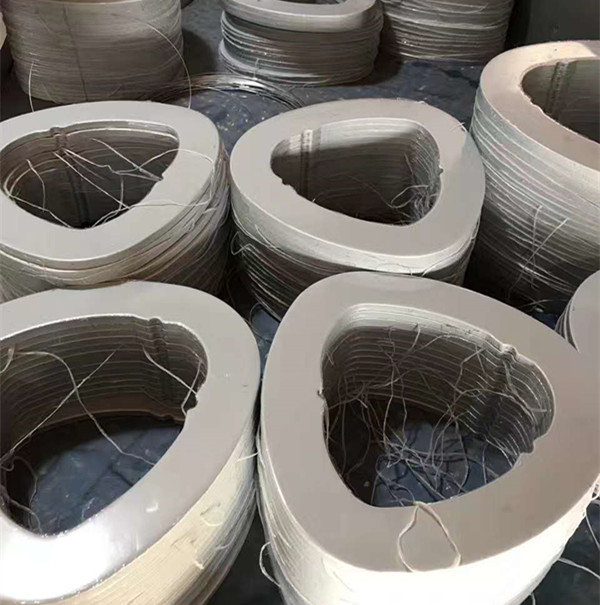
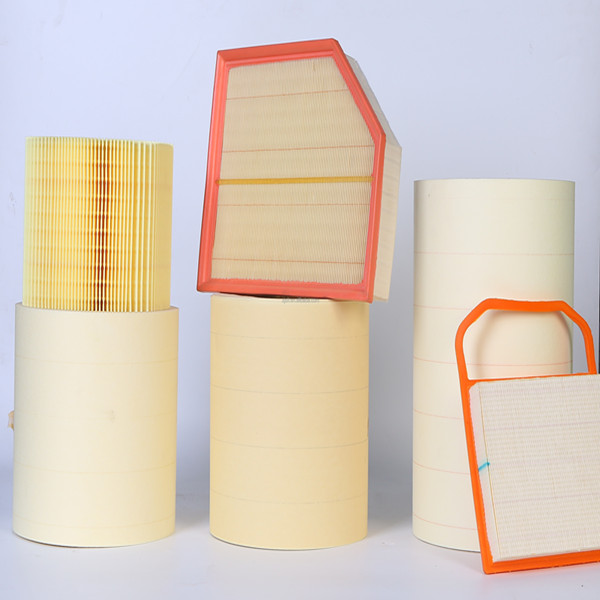
Simply put, filter paper for oil filter machine is a specialized sheet material designed to trap and remove impurities like tiny dirt particles, metal shavings, and oxidized compounds from lubricating oil. This paper is engineered carefully to allow oil to pass through while capturing contaminants that could damage your engine or industrial equipment.
It’s not your everyday office paper—this filter paper is usually composed of cellulose fibers, synthetic fibers, or sometimes a blend of both, often treated to resist oil and heat degradation. This intricate design helps oil-filtering systems perform in everything from a car engine to heavy-duty diesel equipment.
Core Components and Key Factors of Filter Paper for Oil Filter Machines
1. Porosity & Filtration Efficiency
The pore size in the filter paper determines what particles are filtered out. More efficient papers can filter particles as small as a few microns, which is critical to prevent wear. However, too fine a filter may restrict flow—so there’s always a balance.
2. Durability & Oil Resistance
Filter paper encounters hot, chemically challenging oil constantly. Hence, it must resist tearing, fiber breakdown, and oil-induced swelling. The use of synthetic fibers in blends improves this resistance, making filters last longer and perform consistently.
3. Thickness and Flexibility
Thicker papers generally provide better filtration and dust holding but can reduce oil flow. Flexibility allows the filter paper to conform to filter housings for a tight seal, minimizing leaks.
4. Cost Efficiency
Because filter papers are consumables in any filtering system, cost per unit and service life factor heavily into operational budgets.
| Specification | Typical Values | Comments |
|---|---|---|
| Material | Cellulose / Synthetic Blend | Balances cost and durability |
| Pore Size | 5-50 microns | Optimized for oil particle filtration |
| Oil Resistance | Up to 150°C | Withstands engine operating temperatures |
| Thickness | 0.3 - 0.5 mm | Varies by application need |
Mini takeaway: Filter paper is more than a simple barrier; it’s an engineered fabric balancing durability, filtration, and flow critical to keeping oil clean and machinery safe.
Global Applications and Use Cases of Filter Paper for Oil Filter Machine
The oil filtering sector isn’t limited to passenger cars or trucks. Industries stretching from aerospace to agriculture depend on high-quality filter paper.
- Automotive and Heavy Machinery: Countries racing towards industrial modernization, like India or Brazil, rely heavily on effective oil filtration to reduce costly downtime.
- Offshore and Marine: Oil filters in marine diesel engines utilize specialized filter media to endure corrosive salty environments.
- Disaster Response: In remote or post-disaster zones, reliable oil filtration helps maintain generators and vehicles when repair options are limited.
- Manufacturing and Power Plants: Maintaining equipment uptime with clean oil filters aligns with ISO 8573 standards emphasizing contamination control.
For anyone curious, a quick peek at filter paper for oil filter machine resources reveals how customization adapts them for specific regional conditions.
Mini takeaway: From dusty deserts to oceanic environments, these filters prove their worth worldwide, tailored by region and industry.
Advantages and Long-Term Value of Using Quality Filter Paper in Oil Filters
Investing in quality filter paper pays off beyond reducing contamination. Here’s why:
- Cost Savings: Fewer breakdowns and longer equipment life cut repair bills and operational downtime.
- Eco-Friendly: Cleaner oil means less waste oil disposal and reduced harmful emissions.
- Safety & Trust: Reliable filtration boosts confidence in machinery safety, a critical factor in transport and construction.
- Social Impact: Robust machinery in developing areas supports economic growth and stability.
Frankly, when I chatted with some engineers recently, many mentioned that swapping to a higher-grade filter paper was one of the simplest upgrades that made a tangible difference.
Emerging Trends & Innovations in Filter Paper for Oil Filter Machines
Looking ahead, the filter paper world is buzzing with new developments:
- Eco-Friendly Materials: Biodegradable and recycled fibers are gaining traction for greener filtration.
- Nanotechnology: Enhancing filtration efficiency by modifying fibers at the molecular level.
- Smart Filters: Sensors embedded to monitor filter status in real-time, connected with Industrial IoT systems.
- Automation: Automated quality checks during production improve consistency and safety compliance.
These innovations dovetail nicely with the global push for sustainability and reduced industrial emissions.
Challenges & Solutions in Current Oil Filter Paper Usage
No product is without flaws. Common challenges include:
- Filter Clogging: Too fast contamination can reduce oil flow; layered or gradient media are options to mitigate this.
- Degradation Over Time: Paper can break down under extreme conditions; synthetic blends help here.
- Cost vs. Performance: Striking the right balance can be tricky for budget-conscious industries.
Experts recommend regular filter maintenance and upgrading media formulations based on specific machinery and environment analytics to tackle these issues efficiently.
FAQ: Frequently Asked Questions About Filter Paper for Oil Filter Machines
- Q: What is the ideal lifespan of filter paper in oil filter machines?
- A: It varies depending on usage, oil quality, and operating conditions but typically ranges from 5,000 to 15,000 kilometers in vehicles or several hundred operational hours in industrial machines. Regular checks can help optimize replacement timing.
- Q: Can synthetic fibers improve my filter paper’s performance?
- A: Yes—synthetic fibers enhance oil resistance, durability, and filtration efficiency, especially at higher temperatures and in harsh environments.
- Q: How do I choose the right filter paper for my equipment?
- A: Consider operating temperature, oil type, required filtration micron rating, and manufacturer recommendations. Consulting with filter media suppliers can provide tailored solutions.
- Q: Is filter paper recyclable or environmentally friendly?
- A: Traditional cellulose papers can degrade biologically, but recycling mixed fiber filters is challenging. New eco-friendly materials are emerging but still in adoption phases.
- Q: Where can I find reliable suppliers for filter paper?
- A: Established industrial filter media manufacturers with compliance to ISO certifications offer trusted products. Our recommended suppliers ensure quality and customization.
Vendor Comparison: Leading Filter Paper Suppliers
| Supplier | Material Types | Customization Options | Lead Time | ISO Certification |
|---|---|---|---|---|
| Anya Filter Media | Cellulose & Synthetic blends | Tailored micron-size & thickness | 2-4 weeks | ISO 9001:2015 |
| Global Filter Corp | Primarily cellulose | Standard sizes only | 4-6 weeks | ISO 14001 certified |
| Superior Filter Solutions | High synthetic fiber content | Advanced filtration needs | 3-5 weeks | ISO 9001 & TS16949 |
Conclusion: Cleaner Oil, Longer Machine Life, and a Sustainable Future
To wrap it up, filter paper for oil filter machine isn’t just a material—it’s an unsung hero protecting machinery, reducing environmental impact, and supporting industries globally. Whether you’re running a fleet of trucks or managing heavy industrial equipment, the benefits of quality filter paper resonate through cost savings, reliability, and even social development.
If you’re curious to learn more or need tailor-made solutions, do visit our website. It’s a good step towards ensuring your machines run smoother and more sustainably.
Sometimes, it really is the smallest components that make the biggest difference.
References
Post time: Dec-03-2025