Filter Paper for Oil Filtration: Why It Matters Globally
Filter paper for oil filtration might sound like a niche, industry-level detail, but in fact, it’s a vital component that keeps machinery humming, environments safe, and industries sustainable worldwide. At its core, filter paper helps separate contaminants from oils — a process crucial not only in heavy industries but also in humanitarian responses and environmental protection. Understanding how filter paper works and why it’s so important unlocks insights into cleaner energy, safer manufacturing, and even emergency relief efforts.
Global Context: A Big Piece of a Bigger Puzzle
Did you know that the global oil filtration market is expected to grow steadily as industries push for cleaner production methods? According to ISO standards on environmental management, and with increasing regulatory pressure from entities like the United Nations Environment Programme (UNEP), efficient oil filtration is more than just maintenance; it’s compliance and environmental stewardship. Industrial suppliers worldwide, from those operating in European manufacturing hubs to remote oil fields in Africa, rely on filter paper to manage debris, particulates, and water contamination.
Yet, despite this demand, challenges persist — from inconsistent quality and cost inefficiencies to sustainability concerns. Filter paper for oil filtration is a surprisingly intricate topic with global stakes.
So, What Is Filter Paper for Oil Filtration Anyway?
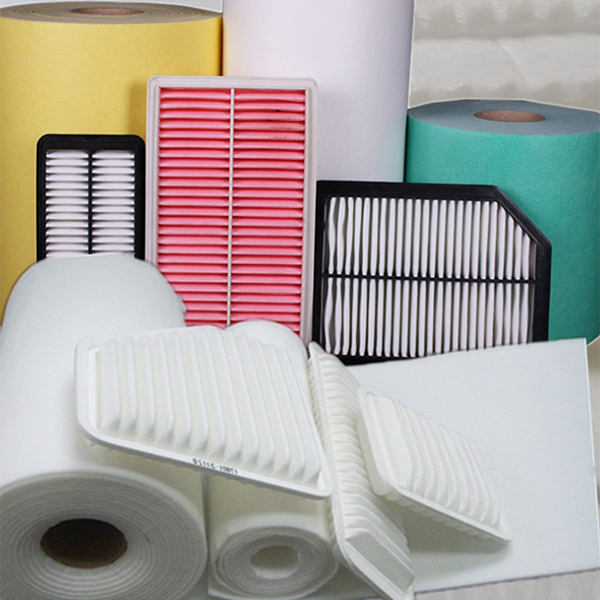
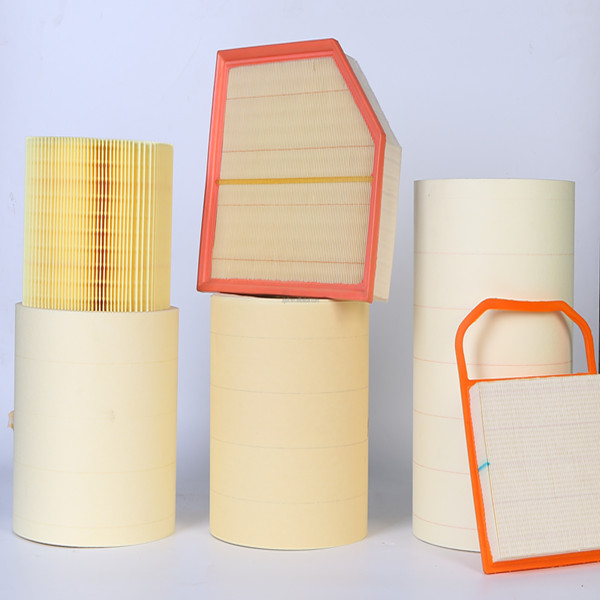
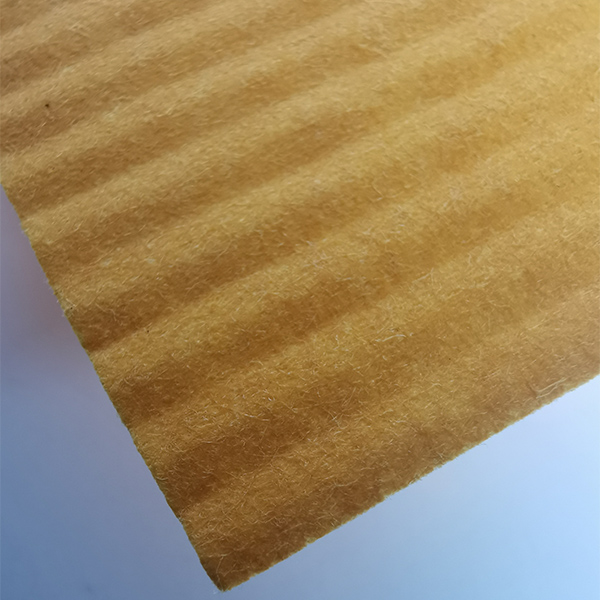
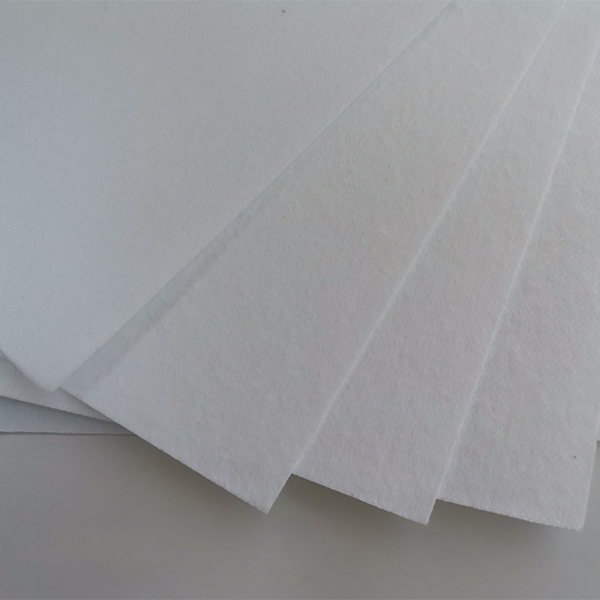
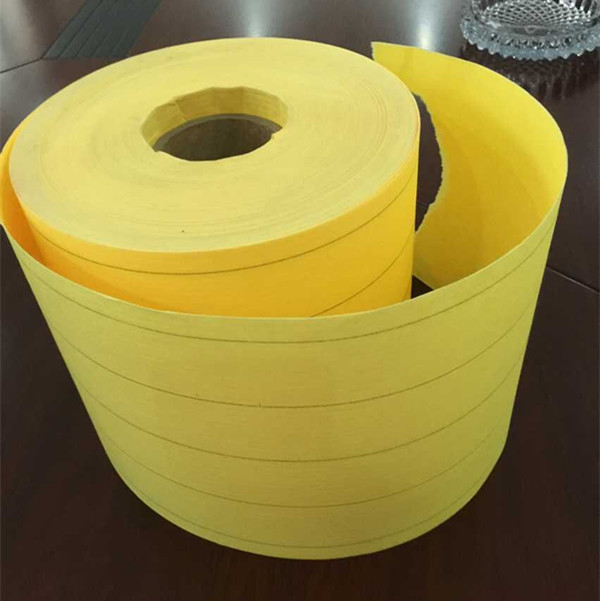
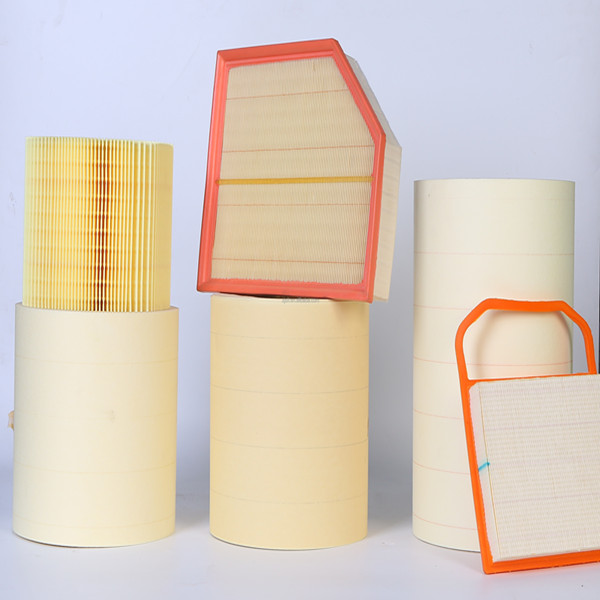
Simply put, filter paper for oil filtration is a porous cellulose or synthetic sheet designed to trap solid impurities, water droplets, and other unwanted particles suspended in oils. Whether lubricants for heavy machinery, hydraulic oils, or transformer oils, these papers act as a last line of defense. Without them, engines suffer wear and tear, processes become inefficient, and environmental hazards multiply.
The role of filter paper extends beyond industrial settings. In humanitarian crises, for example, machinery used for water purification or mobile power generators often depend on clean oil to function reliably. It might not be the first thing you think of, but good filter paper can literally keep aid flowing.
Key Factors in Filter Paper for Oil Filtration
1. Durability
Oil filtration means constant exposure to viscous fluids at high temperatures. The filter paper’s strength under these conditions is paramount. Papers with longer lifespans reduce downtime and replacement costs.
2. Filtration Efficiency (Micron Rating)
How small the particles the paper can trap directly affects oil purity and machine health. For instance, a 5-micron filter paper will catch finer debris than a 20-micron one, but may require more frequent changes due to clogging.
3. Oil Compatibility
Filter papers must be chemically inert with oils to avoid breakdown. Synthetic fibers or specially treated cellulose help ensure no chemical interactions degrade the paper during use.
4. Scalability and Customization
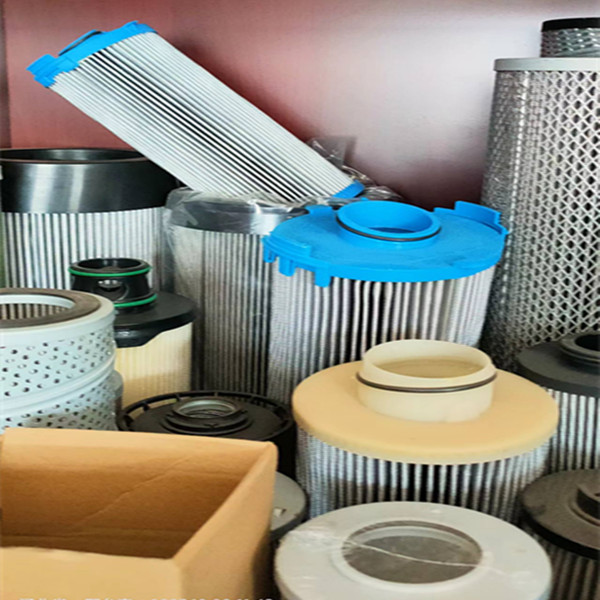
From industrial-scale filtering systems to portable units in remote operations, filter papers come in many shapes and sizes. Customization for specific oil types or contaminants is a growing trend.
5. Cost Efficiency
Filtering is an ongoing necessity, so the cost per use matters. The key is balancing price with durability and filtration quality, especially for large-scale or long-term applications.
Mini Takeaway
Effective filter paper for oil filtration blends durability, fine filtration, oil compatibility, and cost efficiency—qualities that directly impact equipment life and operational safety.
Product Specification Table: Typical Filter Paper Attributes
| Attribute | Details |
|---|---|
| Material | Cellulose, Synthetic Fiber Blend |
| Micron Rating | 1–20 microns |
| Max Operating Temp. | 140°C (284°F) |
| Oil Compatibility | Hydraulic, Lubricant, Transformer Oils |
| Typical Thickness | 0.20 - 0.40 mm |
Global Applications & Use Cases
- Manufacturing Plants: Keep hydraulic systems clean in automotive assembly lines in Germany or Japan.
- Energy Sector: Filter transformer oil in power grids, especially in emerging markets like India and Brazil, reducing outages.
- Disaster Relief: Mobile power and water purification units deployed by the UN in disaster zones depend on clean operating fluids enabled by quality filter paper.
- Marine & Aviation: Critical lubricant oil filtration in engines and gear systems worldwide—from US Navy vessels to commercial airline fleets.
If you’d like to dive deeper into the specifics of filtering media, consider checking filter paper for oil filtration options and advancements.
Mini Takeaway
The versatility of filter paper extends across continents and industries, underpinning mechanical reliability and environmental protection in myriad contexts.
Advantages & Long-Term Value
Filter paper doesn’t just protect machines; it safeguards investments and promotes sustainability. Cleaner oil leads to less wear and tear, fewer breakdowns, and lower lubricant consumption. This aligns perfectly with corporate social responsibility goals and environmental regulations.
There’s also an emotional element—trust in equipment reliability means less stress for engineers and operators. It’s about dignity in places where the smallest breakdown can mean days of lost productivity or worse. All this innovation, frankly, brings peace of mind on a large scale.
Future Trends & Innovations
Looking ahead, the industry is embracing greener fiber sources—like biodegradable cellulose blends—and coating technologies that enhance filtration without compromising recyclability. Digital monitoring sensors embedded in filters are enabling predictive maintenance, reducing waste and unexpected downtime.
Also, the push toward electric vehicles and renewable energy assets brings fresh demands: more specialized oils and fluid filtering solutions tailored at a micro and nano scale. Sustainability and digital transformation, oddly enough, are reshaping something as "classic" as filter paper.
Challenges & Innovative Solutions
The biggest challenges? Cost pressures and ensuring consistency across suppliers—particularly when sourcing from different regions. Some filter papers degrade prematurely or are incompatible with modern synthetic oils. Fortunately, innovations in lab testing and improved raw material sourcing are making current products more reliable and tailor-fit.
Vendor Comparison Table: Leading Filter Paper Suppliers
| Vendor | Material | Micron Range (μm) | Price (per unit) | Special Features |
|---|---|---|---|---|
| FilterTech Inc. | Cellulose-Synthetic | 1–15 | $$$ | High durability, ISO 9001 certified |
| PureFiltration Ltd. | Synthetic Fiber | 3–20 | $$ | Eco-friendly manufacturing, biodegradable |
| OilGuard Solutions | Cellulose | 5–10 | $ | Cost-effective, wide availability |
FAQ: Frequently Asked Questions About Filter Paper for Oil Filtration
Q1: How often should filter paper be replaced in hydraulic systems?
A1: It depends on operating conditions, but typically every 500 to 1000 hours of operation. If the oil appears darker or machines show signs of wear, replacing filter paper sooner is recommended to avoid damage.
Q2: Are synthetic filter papers better than cellulose-based ones?
A2: Synthetic papers often last longer and resist breakdown in harsh oil environments, but they can be pricier. Cellulose filters are cost-effective but may degrade faster, so your choice depends on the application and budget.
Q3: Can filter paper for oil filtration be recycled?
A3: Biodegradable cellulose filter papers generally can be composted or recycled depending on local waste management. Synthetic blends are more challenging to recycle, but advances in eco-friendly materials are improving this.
Q4: What micron rating do I need for engine lubricant filters?
A4: Commonly, a 6 to 10-micron rating balances particle removal with flow rate. For sensitive equipment, smaller micron ratings improve protection but may require more frequent changes.
Conclusion: Why Filter Paper for Oil Filtration Should Matter to You
Filter paper for oil filtration is one of those unsung heroes that protect our machines, environment, and even humanitarian efforts. Its long-term benefits ripple out from cost savings to improved sustainability and operational reliability. If you’re considering upgrading your filtration media or want to learn more about innovative solutions, don’t hesitate to visit https://www.anyafiltermedia.com for expert guidance and product choices tailored to your needs.
Worth contemplating: sometimes, the paper protecting your engine is also protecting the planet, one micron at a time.
References
Post time: Dec-03-2025