Engine Oil Filter Paper: A Critical Component for Modern Machinery
Engine oil filter paper might not always make headlines, but this seemingly simple material plays a huge role in the global automotive and industrial landscape. Understanding what it is and why it matters is more important than many realize — especially as machinery gets more complex and environmental standards stricter.
Introduction: Global Significance of Engine Oil Filter Paper
Across the world, vehicles and machines depend on clean engine oil to run efficiently. According to the International Organization for Standardization (ISO), efficient filtration is key to engine longevity and reduced emissions.[1] The global market for engine oil filtration media reflects this — expected to grow steadily as industrialization spreads and environmental regulations tighten.
But here’s the challenge: oil filters need to trap microscopic contaminants without sacrificing flow, durability, or cost-effectiveness. It’s that balance engine oil filter paper helps achieve daily in billions of machines worldwide.
What Exactly is Engine Oil Filter Paper?
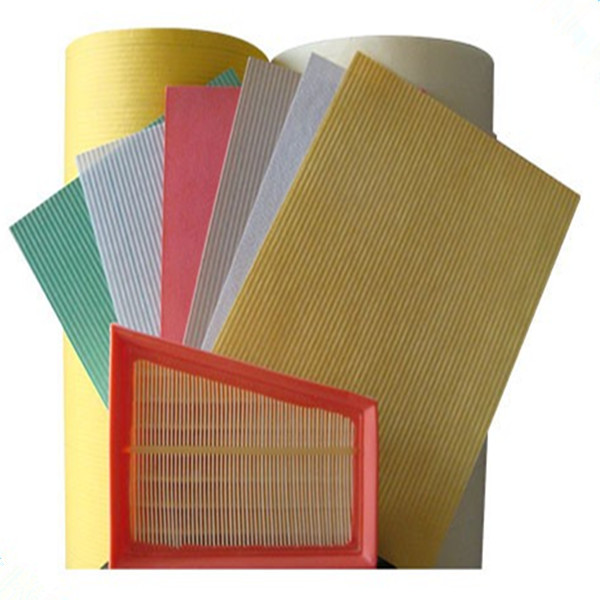
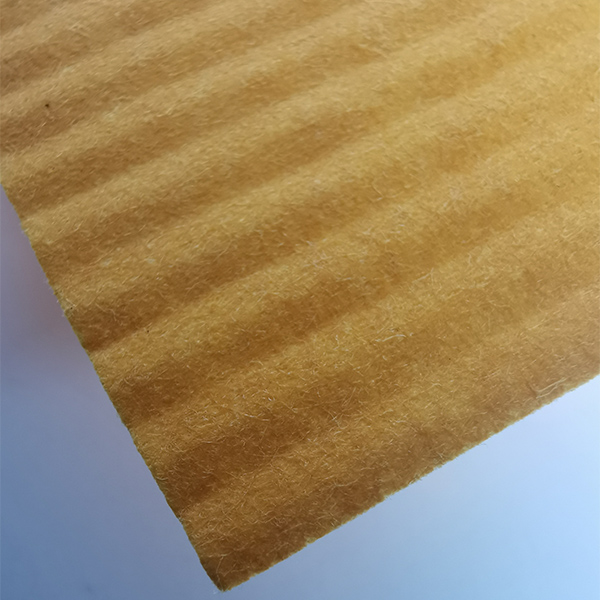
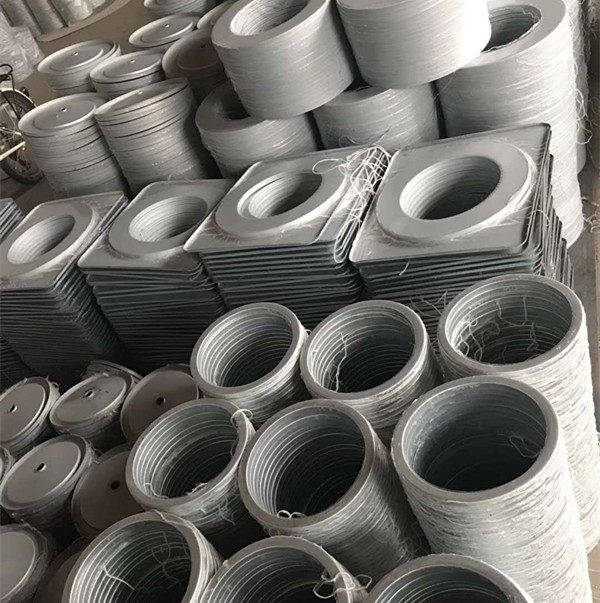
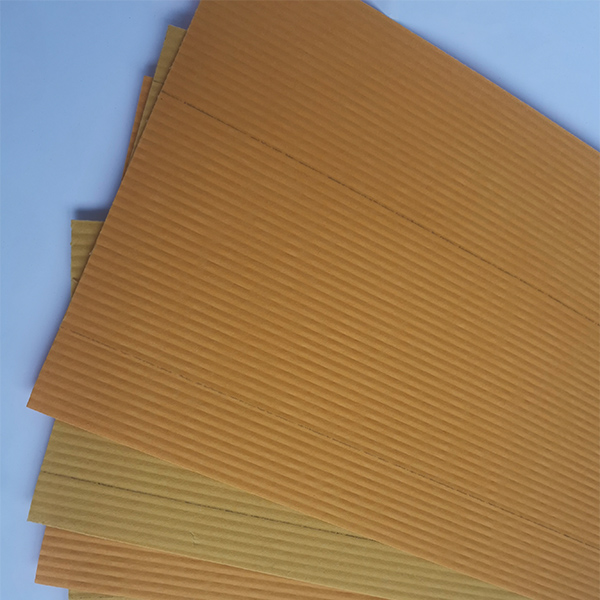
Simply put, engine oil filter paper is a specialized filter media made of cellulose, synthetic fibers, or blends, designed specifically to remove impurities from engine oil. Unlike regular paper, it’s engineered for oil compatibility, thermal resilience, and fine particle retention.
In practical terms, think of it as a microscopic sieve embedded within oil filters. Its purpose? Keeping the oil clean from dirt, metal shavings, and combustion byproducts — protecting engines from premature wear and failure.
Core Components & Key Factors of Engine Oil Filter Paper
1. Filtration Efficiency
This factor defines how well the paper traps particles. High-efficiency papers capture contaminants down to a few microns. This is vital because tiny particles cause the most damage.
2. Durability & Chemical Resistance
Engine oil filter paper must withstand high temperatures—often over 120°C—and constant exposure to aggressive oil chemicals without degrading.
3. Porosity & Flow Rate
Good filtration media balances porosity to allow oil flow without blocking. Too tight, and oil flow slows, risking engine starvation; too loose, and contaminants slip through.
4. Material Composition
Mixes of cellulose and synthetic fibers are common, as natural fibers provide cost-effectiveness, while synthetics boost chemical and thermal resistance.
5. Eco-friendliness
Some manufacturers focus on recyclable or biodegradable filter papers to reduce environmental footprint, increasingly important as sustainability drives innovation.
Product Specifications at a Glance
| Specification | Typical Value |
|---|---|
| Micron Rating (Nominal) | 5–20 µm |
| Max Operating Temperature | 120°C (248°F) |
| Material Composition | Cellulose/Synthetic Fiber Blend |
| Oil Compatibility | Conventional & Synthetic Engine Oils |
| Thickness | 0.3–0.5 mm |
Global Applications & Use Cases of Engine Oil Filter Paper
Engine oil filter paper finds use in almost every sector where engines run:
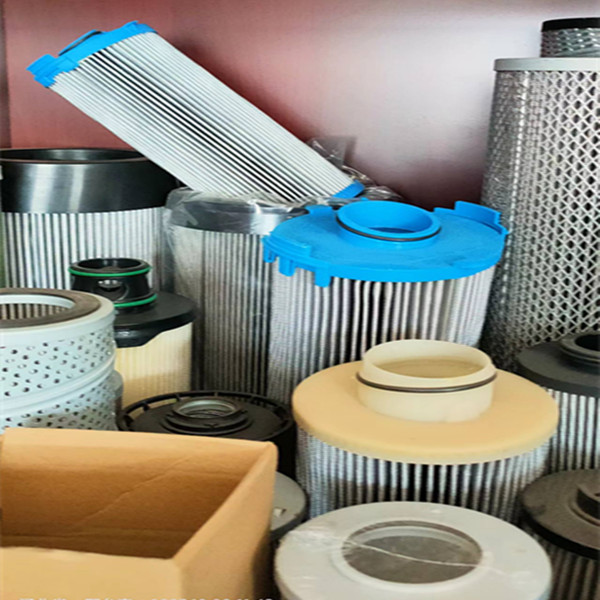
- Automotive Industry: Most passenger cars worldwide rely on oil filters using specialized filter paper to ensure engine health.
- Heavy Machinery & Construction: Bulldozers, cranes, and excavators operating in harsh environments demand robust filtration.
- Marine Engines: Ships use engine oil filters equipped with durable paper to withstand saltwater corrosion effects.
- Remote Industrial Zones: In places like mining sites in Africa or Asia, reliable filter media helps avoid breakdowns where repair options are limited.
- Post-Disaster Relief Operations: Mobile generators and vehicles supporting humanitarian aid depend on quality filtration to function smoothly, sometimes in tough conditions.
Oddly enough, you might not think about it, but these humble components keep the wheels of global development turning behind the scenes.
Vendor Comparison: Popular Engine Oil Filter Paper Suppliers
| Vendor | Material Type | Max Temp. °C | Eco-Friendly Options | Typical Industries Served |
|---|---|---|---|---|
| Anyafilter Media | Cellulose/Synthetic Blend | 120 | Yes | Automotive, Industrial, Marine |
| GlobalFilters Inc. | High-Grade Synthetic | 150 | Limited | Heavy Machinery, Aviation |
| EcoFilter Solutions | Recycled Fibers | 100 | Yes | Automotive, Light Industry |
Benefits and Lasting Value of Using Quality Filter Paper
Proper engine oil filtration isn’t just about neat, clean oil. It directly saves money in reduced engine wear and fewer breakdowns. Many engineers say it extends engine life by years — that’s significant when you consider fleet operators or heavy equipment owners.
Sustainability wise, better filtration means less frequent oil changes and less waste. Also, the social impact shouldn’t be underestimated. Machines running reliably support livelihoods and safety in industries, transport, emergency services, and beyond.
Emerging Trends in Engine Oil Filter Paper
Looking ahead, innovations include nano-fiber technologies enhancing filtration at even smaller particle sizes. There’s also a green push: biodegradable and recycled paper blends gaining traction.
Additionally, digital monitoring systems are being integrated to warn when filters are clogged, optimizing maintenance schedules. The trend towards synthetic oils and more compact engines pressures filter media to adapt as well.
Challenges Faced & How to Overcome Them
A big limitation still is balancing filtration efficiency with flow rate under diverse thermal and chemical stresses. Some cheaper papers degrade prematurely or clog too fast.
Industry experts recommend partnering with reputable vendors that thoroughly test papers according to ISO standards and customize media to specific engine oils and conditions.
FAQ: Frequently Asked Questions About Engine Oil Filter Paper
- Q1: How often should engine oil filter paper be replaced?
- A1: Typically, oil filter paper is replaced with every oil change — usually every 5,000 to 10,000 miles depending on the vehicle and oil type. Timely replacement ensures optimal filtration and engine health.
- Q2: Can synthetic engine oils damage filter paper made from cellulose?
- A2: Some cellulose papers degrade faster in synthetic oils due to chemical properties. Higher-grade or blended synthetic/cellulose filter papers are recommended to maintain durability with synthetic oils.
- Q3: Is all engine oil filter paper recyclable?
- A3: Not all are recyclable. Papers with synthetic fibers or heavy oil saturation pose recycling challenges. However, some manufacturers now offer eco-friendly, biodegradable options to ease disposal concerns.
- Q4: Where can I buy high-quality engine oil filter paper?
- A4: Established filter media companies like Anyafilter Media supply various grades suitable for automotive and industrial applications — it’s wise to source from trusted vendors.
Conclusion & Call to Action
So, in real terms, engine oil filter paper may seem straightforward but it’s a nuanced product that quietly enables machines worldwide to run cleaner, longer, and more efficiently. Investing in quality filtration media protects engines, supports sustainability, and promotes industrial resilience.
If you want to explore more about engine oil filter paper, its applications, or source cutting-edge media, I definitely recommend visiting https://www.anyafiltermedia.com. Understanding the filter paper inside your engine oil filter can make a surprisingly big difference down the road!
Takeaway: A small piece of filter paper is a big deal when it comes to keeping the global engine running smoothly—kind of humbling when you think about it.
- ISO 4548-12: Engine oil filtration testing standards, International Organization for Standardization.
- Wikipedia: Engine oil filter
- World Bank: Transport sector data and analysis
Post time: Dec-03-2025