Fiberglass Air Filter Media: A Tried-and-True Solution in Industrial Filtration
Having spent more than a decade around industrial equipment — sometimes elbow-deep in dusty warehouses or humming air handling units — I’ve come to appreciate the quiet workhorses in the behind-the-scenes of clean air supply. Fiberglass air filter media is one of those unsung heroes. Its durability, affordability, and filtration efficiency often win the day where lots of other materials fail or simply cost too much.
Back when I first started consulting on HVAC projects, I often noticed how operators underestimated the filter media’s role. You might think, “It’s just a filter,” but frankly, the choice of media can make or break the entire filtration effort. Fiberglass, especially in industrial settings, strikes a good balance between performance and cost.
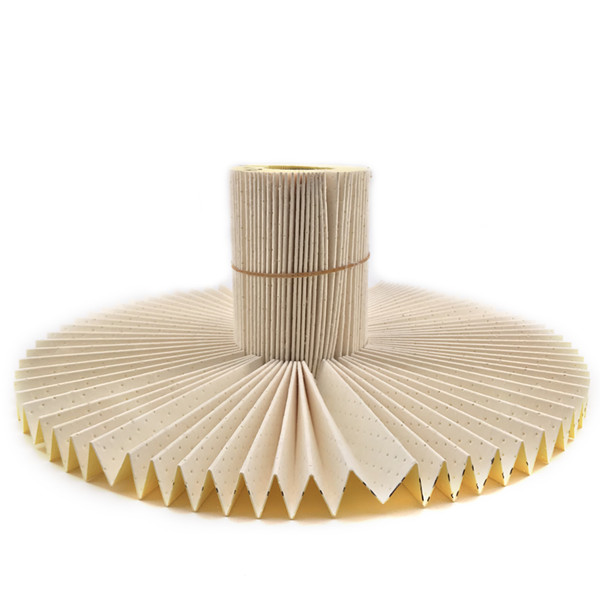
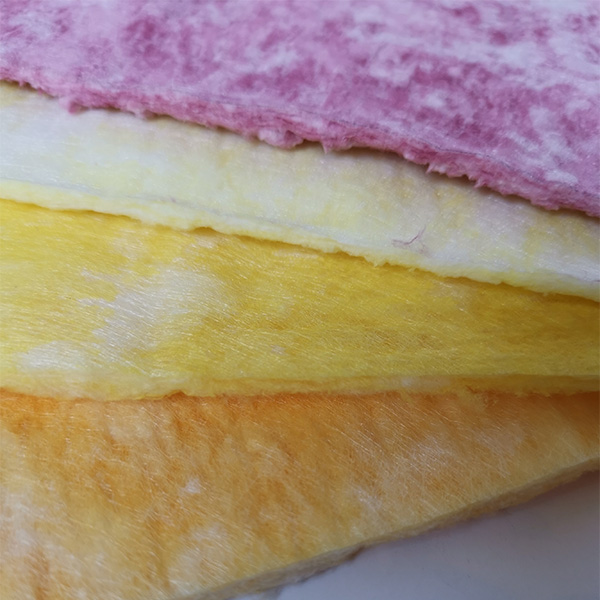
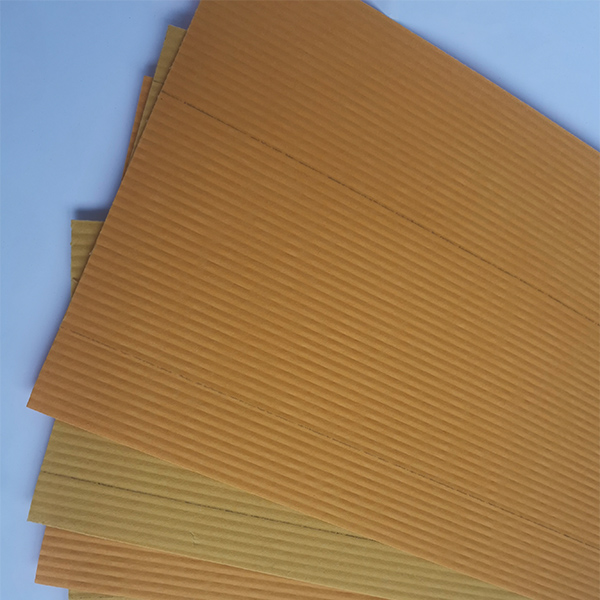
The Nature of Fiberglass Air Filter Media: Fiberglass is made from extremely fine glass fibers woven or matted into sheets. These fibers trap dust, dirt, and airborne contaminants efficiently — and here’s something I find interesting: unlike synthetic fibers, fiberglass media holds up well under high temperatures and moisture variations. It’s never perfect (what is?), but in the dusty, heavy-duty environment of factories or processing plants, it’s pretty much the go-to.
I recall a client in a manufacturing plant who switched from synthetic to fiberglass media after repeated premature filter failures during a particularly humid summer. The difference was night and day. The filters lasted longer and maintained consistent airflow, which helped keep their production lines humming smoothly.
Key Specifications of Fiberglass Air Filter Media
| Specification | Typical Range | Notes |
|---|---|---|
| Fiber Diameter | 2–5 microns | Fine enough for dust capture |
| Media Density | 300–600 g/m² | Varies by application |
| Operating Temp | Up to 120°C (248°F) | Good heat resistance |
| Airflow Rate | Minimal resistance | Optimized for HVAC systems |
| Filtration Efficiency | 20% to 60% @ 1–3 microns | Depends on thickness & layering |
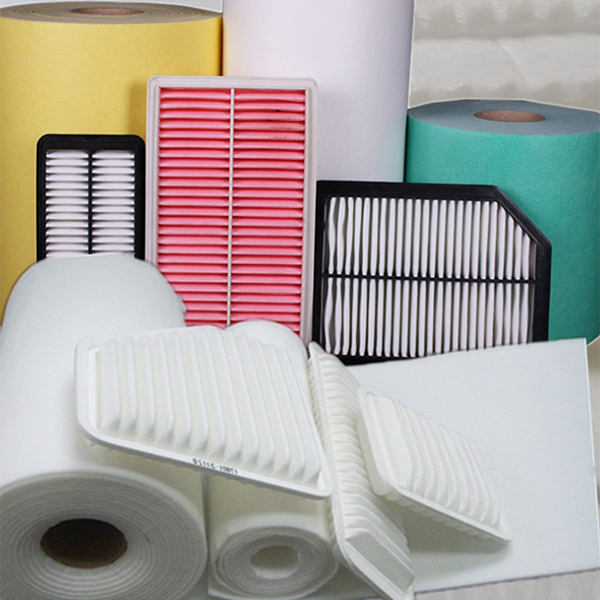
It’s worth noting that many suppliers customize fiberglass media layers or treat them for anti-microbial or hydrophobic properties depending on the client needs. It mostly comes down to application—whether you’re filtering general dust or managing slightly greasy or humid environments.
Comparing Top Vendors of Fiberglass Air Filter Media
| Vendor | Product Range | Customization Capability | Price Range | Typical Lead Time |
|---|---|---|---|---|
| Anya Filter Media | Broad (Standard to premium grades) | High — custom layers & treatments | Mid-tier | 2–3 weeks |
| FibraTech Solutions | Focused (industrial grades) | Moderate | Competitive | 1–2 weeks |
| PureGlass Filters | Premium only | Low | High-end | 3–4 weeks |
Oddly enough, many engineers I spoke with still swear by fiberglass because even with emerging synthetic alternatives, it’s both time-tested and surprisingly forgiving in harsh conditions. Also, the environmental footprint is usually lighter compared to some synthetics, which is a growing consideration for many plants aiming for sustainability without breaking the bank.
Final thoughts? If you’re weighing filter media options, fiberglass remains a solid, savvy choice. It’s as if, despite new innovations, fiberglass quietly remains the dependable backbone of many heavy-duty filtration systems. If you want to explore quality options, I recommend checking out Fiberglass air filter media from trusted sources — understanding the specs and customizing the right grade can save you headaches (and money) down the line.
In real terms, it’s a reminder that sometimes the best solutions don’t change much for a reason. Just consider the environment, your specific needs, and you won’t go far wrong.
Stay curious, stay clean.
References:
1. Industry Filtration Handbook, 2023 Edition.
2. HVAC Filtration Materials & Testing, J. Grant, 2021.
3. Personal consulting notes, industrial clients 2010–2023.
Post time: Dec-09-2025