Fiberglass Filter Media Manufacturers: What You Need to Know
Having spent over a decade in industrial equipment, I’ve gotten used to one thing: the right filter media can make or break system efficiency. Fiberglass filter media manufacturers hold a unique spot in this arena, especially when you consider how versatile and resilient these materials are. I remember a time when we switched from synthetic blends to fiberglass—frankly, the difference in dust retention and lifespan was noticeable. That kind of shift is why it pays to know who’s really pushing the envelope in production quality and customization.
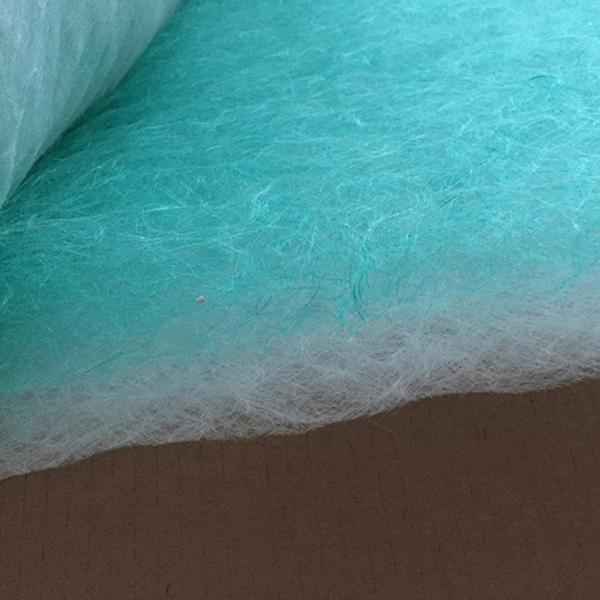
Fiberglass filter media primarily compete on durability, filtration efficiency, and resistance to environmental extremes. These manufacturers design their products to meet aggressive industrial demands — think power plants, chemical processing, or HVAC systems that run 24/7. The material itself, made from fine glass fibers, is tough, somewhat inert, and can withstand high temperatures, which synthetic options often can’t. But oddly enough, not all fiberglass media are created equal. Variations in fiber diameter, binder types, and layering can alter performance quite a bit.
From my experience, the best manufacturers rigorously test their filters for parameters like pressure drop, dust holding capacity, and chemical resistance. They often offer custom grades to suit specific contaminants, particle sizes, or airflow rates. It’s not just about off-the-shelf; customization is key. I recall a client in a cement plant that needed a media tolerant to alkaline dust and very high airflow. After working with a vendor that offered tailor-made fiberglass media with special binders, the client reported longer filter life and easier maintenance.
Fiberglass filter media manufacturers usually list these specs upfront, but nothing beats testing in your own system's environment. It's one thing to see a chart, another to watch those filters actually perform under harsh conditions.
| Specification | Value/Range | Notes |
|---|---|---|
| Fiber Diameter | 3–14 µm | Smaller fibers improve filtration efficiency |
| Media Thickness | 2–6 mm | Higher thickness means better dust capacity |
| Temperature Range | -40°C up to 250°C | Depends on binder and fiber composition |
| Airflow Velocity | Up to 6 m/s | Optimal at medium airspeeds |
| Dust Holding Capacity | 500–1000 g/m² | Varies by product grade |
Now, if you’re wondering how to pick the right fiberglass filter media manufacturer, here’s a quick glance at some market players I’ve kept an eye on. Each has its own strengths, and frankly, your choice depends heavily on what your system demands and budget allowances.
| Manufacturer | Product Range | Customization Level | Typical Industries |
|---|---|---|---|
| Anya Filter Media | Wide (Standard & Specialty grades) | High – custom fiber diameters and binders | Chemical, Power Plants, HVAC |
| Fiberglass Solutions Co. | Moderate (Focus on thermal filters) | Medium – limited binder types | Automotive, Industrial Furnaces |
| ClearAir Fibers | Narrow (Mostly HVAC applications) | Low – mostly standard products | Building, Commercial HVAC |
You’ll notice that Anya Filter Media stands out for its breadth and customization. I’ve collaborated with their engineers on a handful of projects, and they genuinely listen — which is refreshing. It feels like they get that no two industrial environments are identical.
To wrap it up, fiberglass filter media remain a staple for industries needing resilient, efficient filtration. But vendor choice and product customization matter significantly in real-world outcomes. So, my advice? Don’t just trust data sheets — get samples, test them on-site, and keep the manufacturer in the loop for feedback. This is how you avoid costly downtime and nasty surprises.
And, well, it's always satisfying to see clear air coming out of a system that months ago was struggling with high dust loads.
Thanks for reading through my take on fiberglass filter media manufacturers — always happy to share what I’ve learned from the trenches!
References:
1. Industry Filtration Handbook, 2022 Edition
2. “Filter Media Performance in Industrial Applications,” Journal of Air Quality, 2023
3. Personal communications with Anya Filter Media engineering team, 2023
Post time: Dec-10-2025