Understanding the Benefits of Glass Fiber Filter Media in Industrial Applications
Having spent more than a decade working in various industrial sectors, I’ve come to appreciate the silent heroes behind efficient filtration systems — glass fiber filters. Oddly enough, while many engineers and technicians acknowledge their critical role, fewer truly grasp their versatility and subtle complexities.
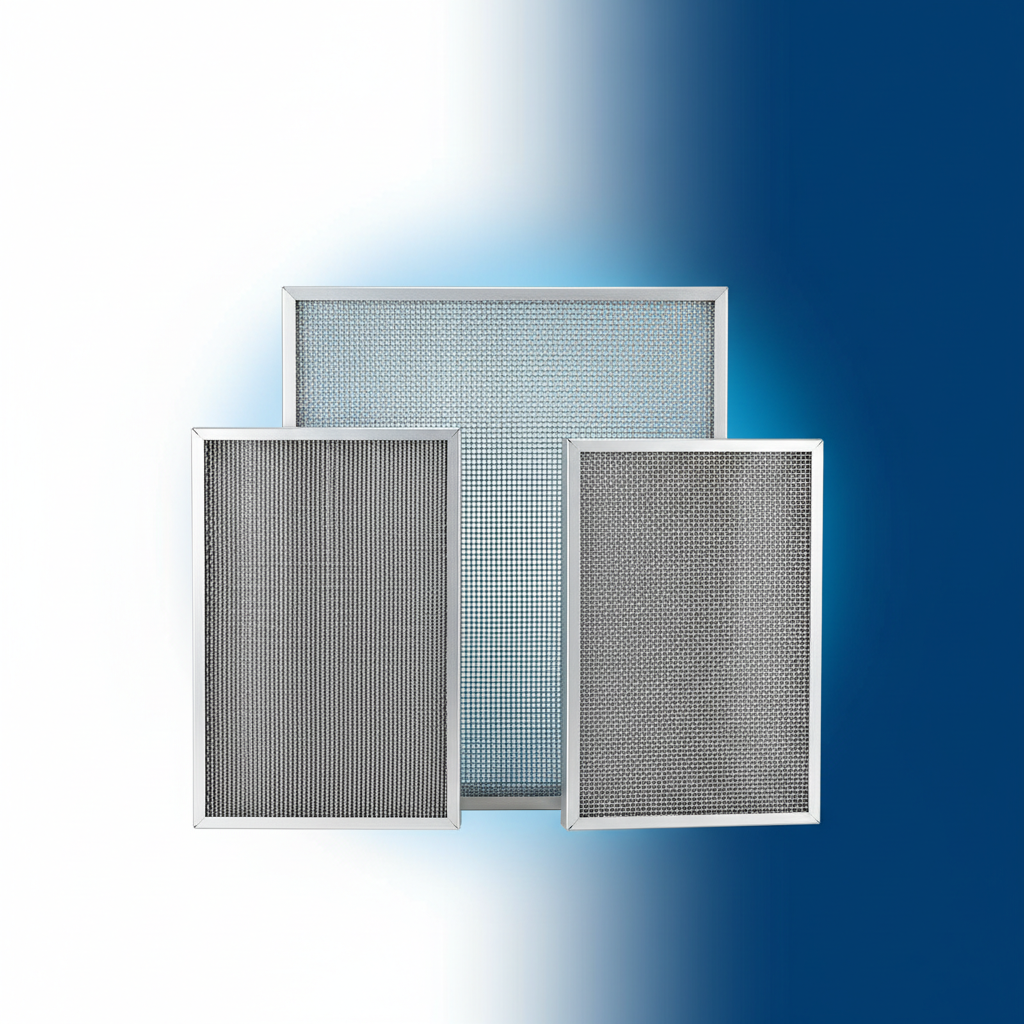
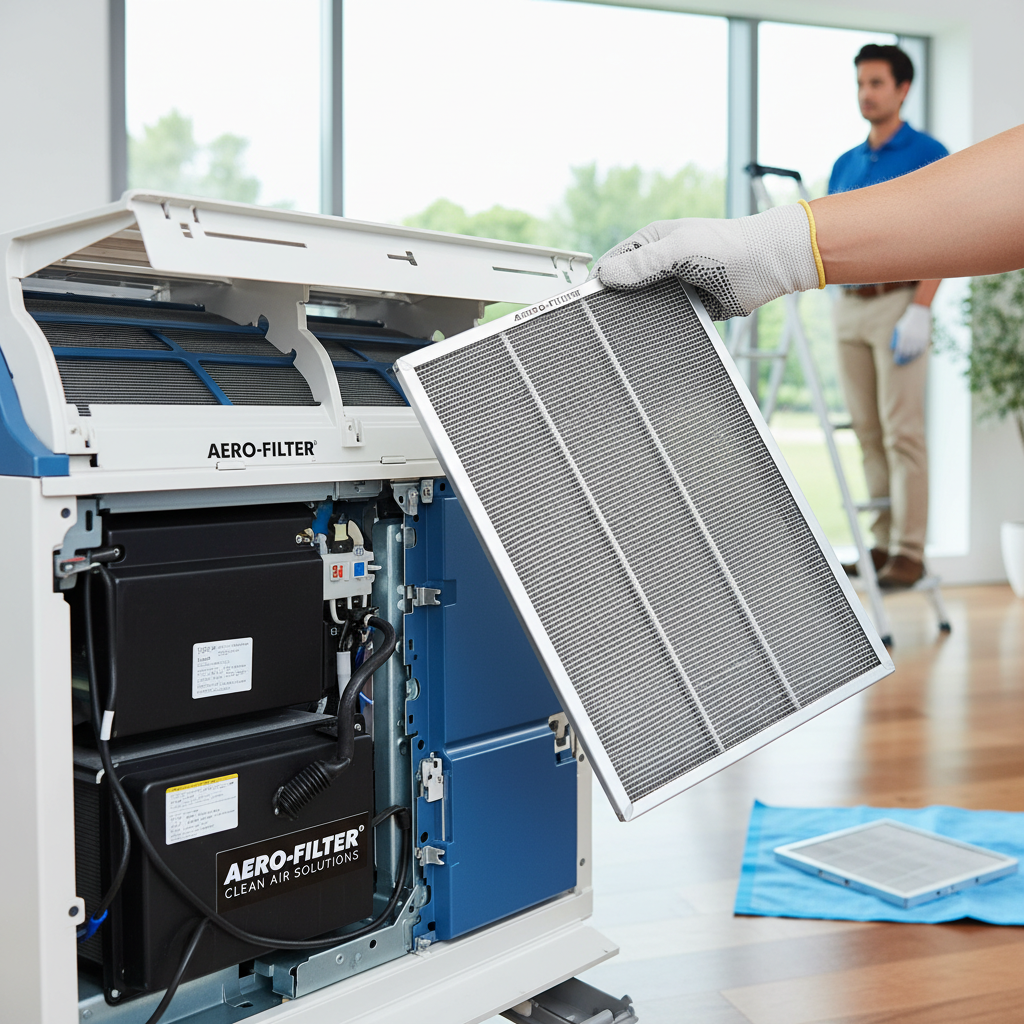
Glass fiber filter media have this unique blend of durability and fine particulate capturing ability that make them indispensable in heavy industry, power generation, and chemical processing plants. They’re not just “filters”; they’re crucial components that help maintain air quality, protect equipment, and ensure regulatory compliance.
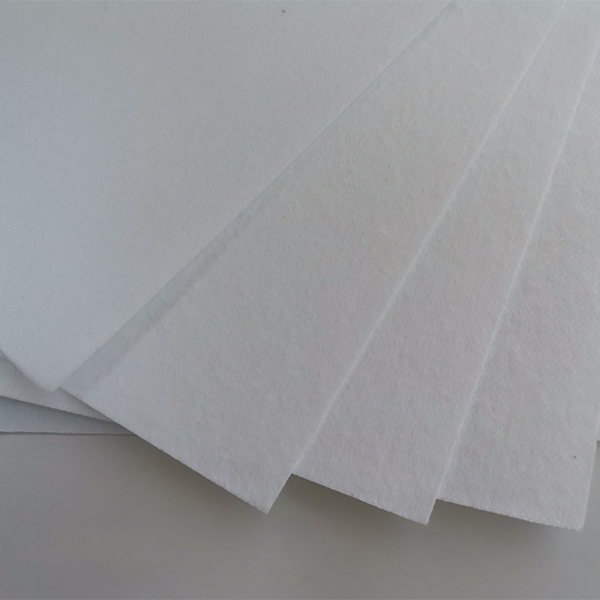
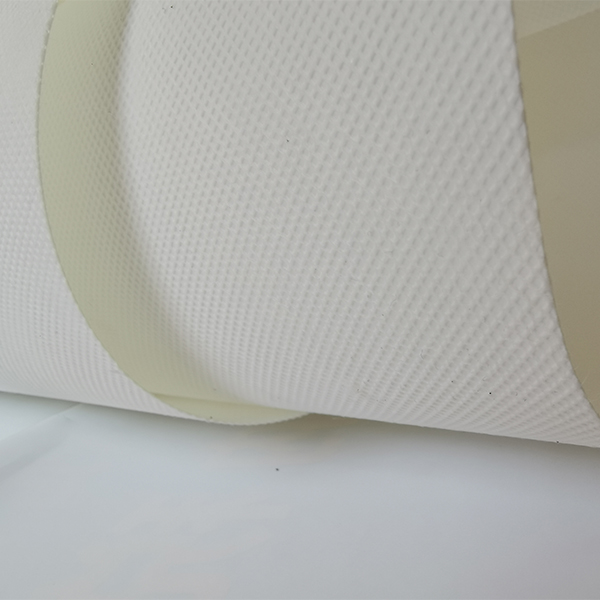
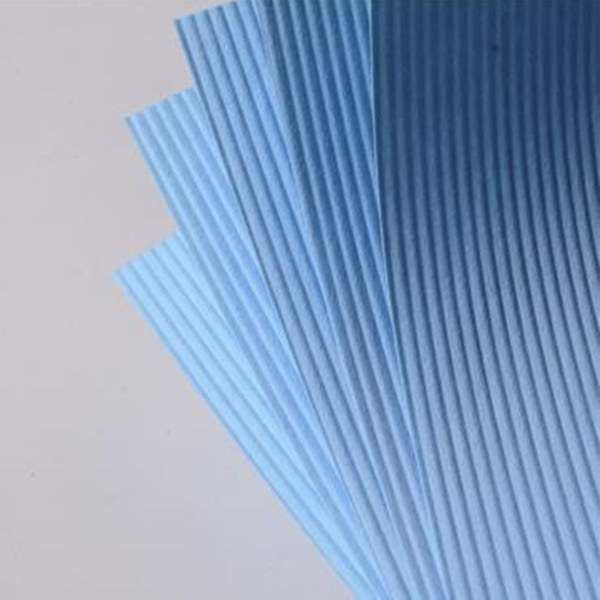
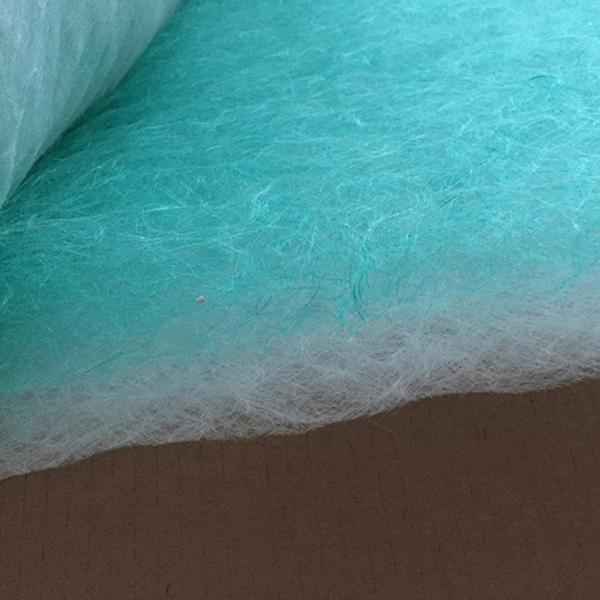
Frankly, it’s the material composition that fascinates me the most — the way extremely thin glass fibers are woven and layered, forming a matrix that traps dust and airborne contaminants without compromising airflow. You can spot the difference immediately compared to synthetic media if you ever get hands-on with these materials. There’s a certain crisp rigidity to good glass fiber media combined with a surprisingly soft texture.
In real terms, many manufacturers tweak the fiber diameter, layering, and binder treatments to optimize for applications ranging from high-temperature use in boilers, where temperatures can exceed 250°C, to demanding particle filtration in paint spray booths. This customization often determines the filter’s longevity and efficiency. I noticed once at a client site how switching from a standard polyester filter to a specially treated glass fiber one extended filter life nearly fourfold. Cost savings didn’t hurt either.
| Property | Value |
|---|---|
| Fiber Diameter | 1–3 microns |
| Maximum Operating Temperature | 250°C (482°F) |
| Air Permeability | 150–500 CFM/ft² |
| Filter Efficiency | 95–99.9% (per submicron particulates) |
| Thickness | 1–4 mm |
Now, you don’t have to take my word for it. Many in the field mention how these filters hold up reliably in tough environments. It’s also important, though, to choose the right vendor—one that understands the particular demands of your operation. Let’s briefly compare some industry players:
| Vendor | Customization Options | Typical Industries Served | Lead Time |
|---|---|---|---|
| Anya Filter Media | High — fiber blend & binder specifics | Power Generation, Pharmaceuticals, Automotive | 2–4 weeks |
| Global Fibers Inc. | Medium — standard products, minor adjustments | Steel Plants, Cement, Chemical Processing | 4–6 weeks |
| ClearAir Technologies | Low — mostly off-the-shelf | Food & Beverage, Retail HVAC | 1–2 weeks |
You know, one particular story sticks out. A midwestern power plant was battling recurring failures with filters clumping under high humidity and heat. The team switched to a glass fiber filter specifically engineered for moisture resistance. Result? Downtime decreased noticeably and maintenance backlogs shrank.
Finally, I want to mention that testing and certifications matter a lot. Glass fiber filters often undergo stringent quality controls like ISO 16890 dust efficiency testing or ASHRAE standards compliance. Whenever I evaluate new suppliers, I always request test data, which frankly is a great way to avoid surprises down the road.
So, if you’re in search of a tried-and-true filtration solution with a good track record, I’d recommend starting with a vendor like Anya Filter Media, whose mix of customization and reliability seems tough to beat.
Anyway, it feels like glass fiber filters will continue to be a cornerstone of industrial air filtration — their blend of efficiency, resilience, and adaptability hard to match. I suppose that’s why they’ve been around so long and will likely stick around even longer.
References:
- ISO 16890 Dust Efficiency Standards – International Organization for Standardization
- ASHRAE Handbook – HVAC Applications, Chapter on Filtration
- “Industrial Air Filtration Solutions” by J. Field & R. Kent, 2019
Post time: Dec-09-2025