What Is a Copper Mesh Filter and Why Should We Care?
At first glance, a copper mesh filter might sound like a niche industrial component, but a deeper look reveals how crucial it has become worldwide. These filters, made of fine copper wires woven into a mesh, are quietly tackling major global challenges — from clean water access to air purification and advanced electronics cooling. Understanding copper mesh filters unlocks benefits across industries and humanitarian efforts alike, making them a surprisingly versatile, cost-effective, and sustainable tech tool.
Today, as resource scarcity, pollution, and climate change push innovation forward, the copper mesh filter’s role grows even more relevant. Whether in remote community water systems or high-tech manufacturing plants, knowing how these filters work and where they fit helps engineers, planners, and NGOs make smarter, greener choices.
Why Copper Mesh Filters Matter Globally
The United Nations estimates around 2 billion people globally lack access to safe drinking water (1), and worldwide, industrial emissions continue to affect air quality. Here, copper mesh filters step in with a unique combination of physical filtering and antimicrobial properties, thanks to copper's natural ability to kill bacteria and inhibit biofilm formation. This makes them invaluable in water treatment—even in disaster zones—and air filtration systems that aim to reduce pollutants without harmful chemicals.
Environmental and industrial standards like ISO 14001 highlight sustainability and resource efficiency as critical goals. Copper mesh filters contribute because they are reusable, durable, and highly recyclable, fitting well into circular economy models. Meanwhile, industries from aerospace to pharmaceuticals depend on precision filtration solutions that can handle fine particles with precision and reliability — and copper mesh certainly answers that call.
Mini takeaway:
- Copper mesh filters contribute to solving critical resource and pollution problems.
- They combine physical filtration and antimicrobial effects, essential globally.
- Alignment with environmental standards makes them a sustainable choice.
Defining the Copper Mesh Filter: What’s in a Name?
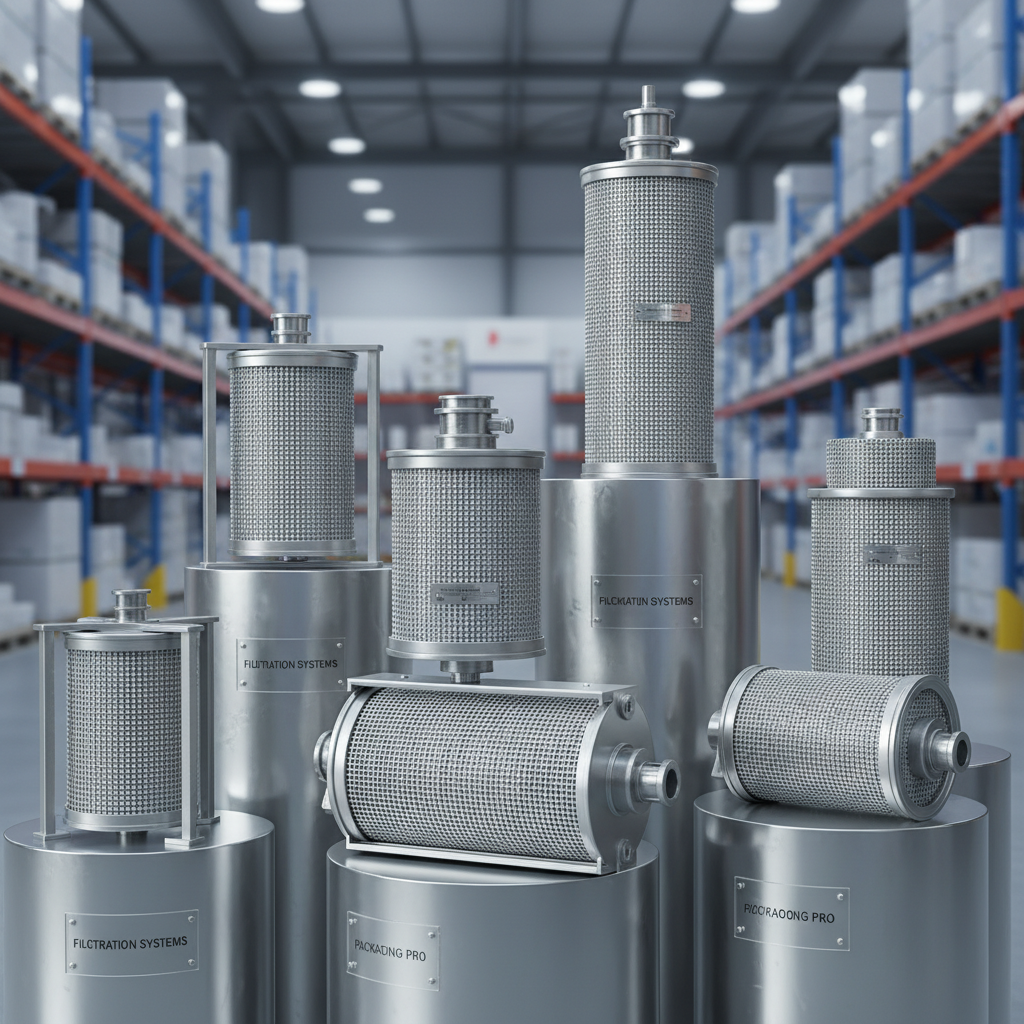
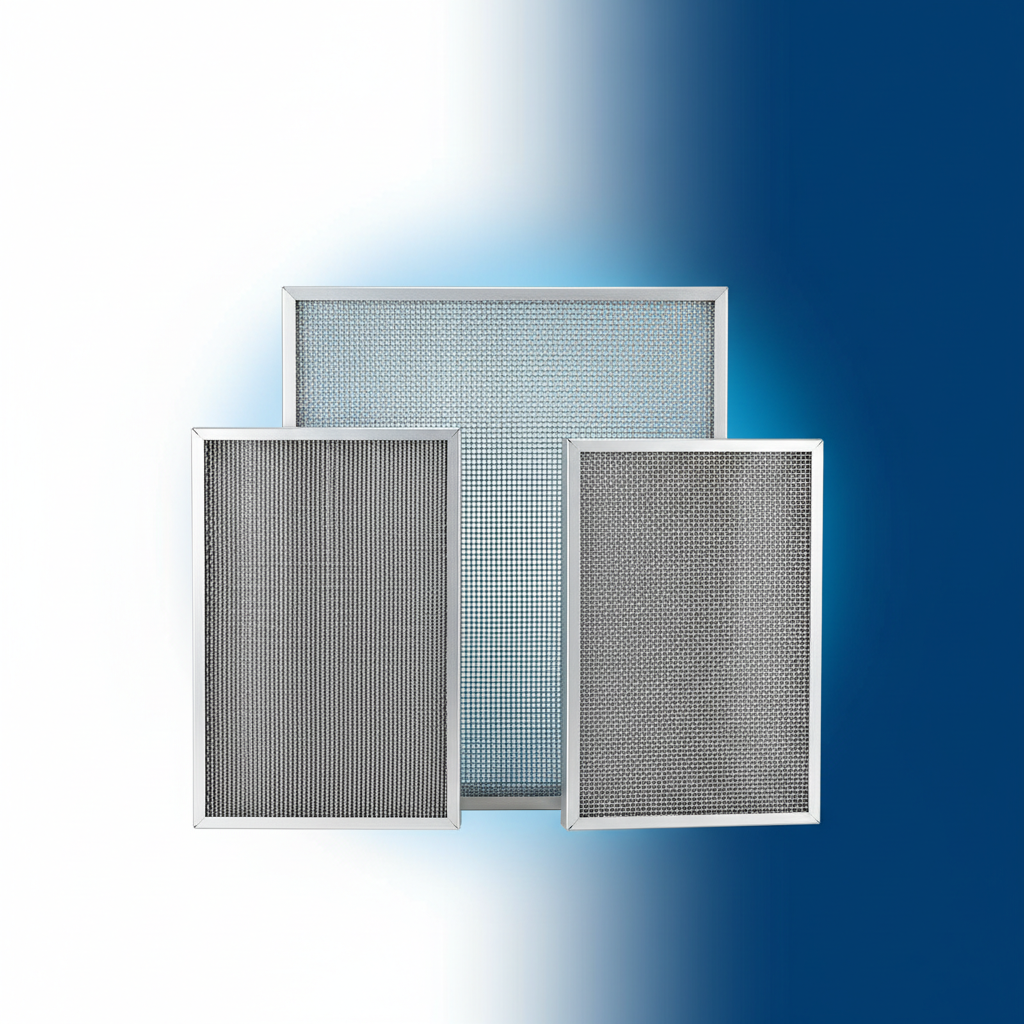
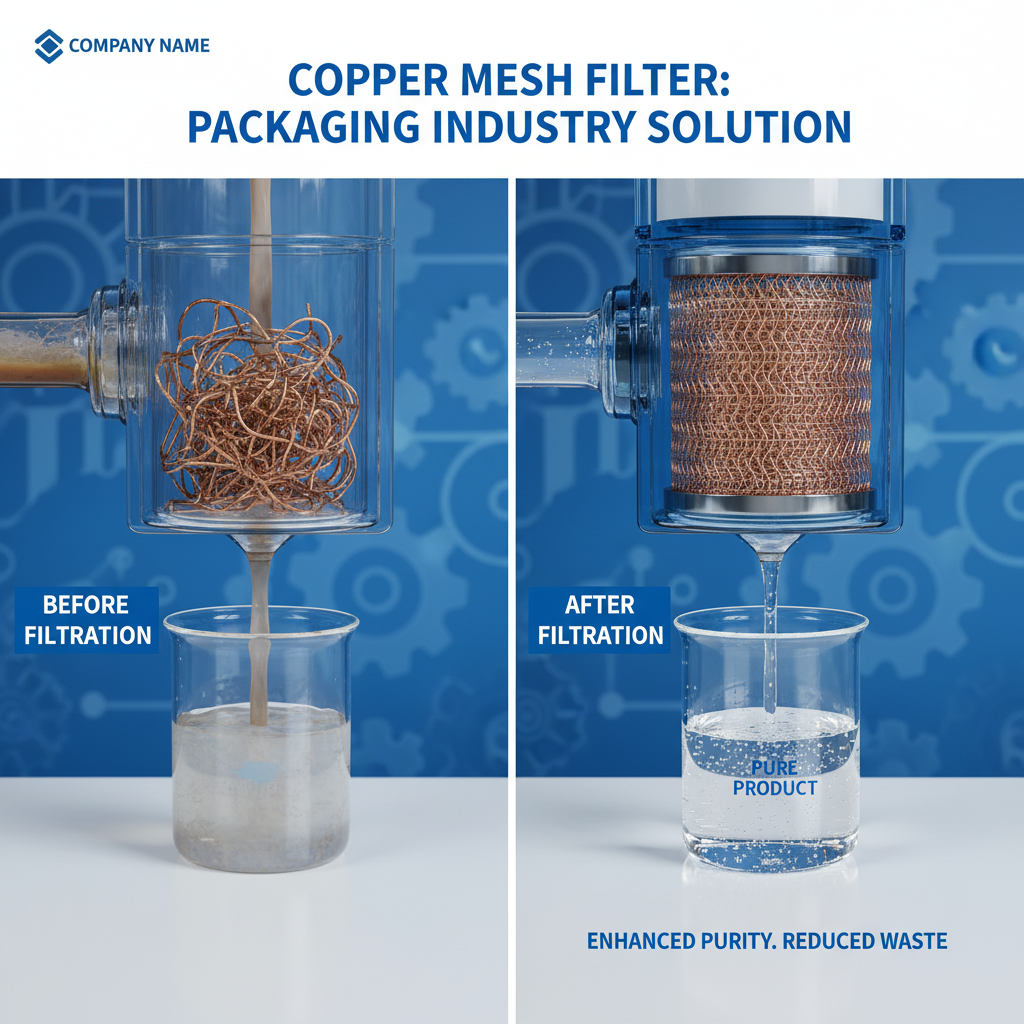
So, what exactly is a copper mesh filter? Simply put, it’s a filtering medium composed of interwoven fine copper wires shaped into sheets or tubes. This mesh acts as a physical barrier to particles, contaminants, and microbes. Unlike standard mesh or metal filters, copper’s unique properties — notably its antimicrobial efficacy and excellent thermal conductivity — provide dual benefits.
In industries ranging from water purification to electronics cooling, the copper mesh filter serves as a backbone component. NGOs working in emergency water provision often choose copper mesh because it’s robust, easy to clean, and effective at removing debris and pathogens. In medical device manufacturing, it helps ensure sterile conditions. On a humanitarian level, its reliability can mean the difference between clean water and waterborne illness.
Key Characteristics that Make Copper Mesh Filters Stand Out
Durability and Corrosion Resistance
Copper withstands wear and corrosion better than many metals — especially in wet or harsh environments. This is crucial when filters must last months or years without failing or contaminating the filtered medium.
Antimicrobial Properties
Copper effectively kills bacteria, viruses, and fungi on contact, reducing biofilm buildup inside filters and extending their usability. This makes copper mesh filters a natural choice for potable water and healthcare applications.
Customizability and Scalability
Copper mesh filters can be manufactured in various weave densities, mesh sizes, and shapes, depending on requirements. Whether a fine mesh for pharmaceutical-grade filtration or coarse flushing filters for irrigation, the adaptability is impressive.
Thermal Conductivity
They dissipate heat efficiently, making them popular in cooling systems for electronics and automotive applications. This multifunctionality adds a subtle but important advantage.
Cost Efficiency Over Time
Though initial costs might be higher than plastic filters, copper’s longevity and recyclability often translate into lower lifecycle costs. Less frequent replacements and easy maintenance mean less downtime and waste.
Mini takeaway:
- Copper mesh filters combine strength and antimicrobial benefits.
- Custom options exist for different industries and scales.
- Thermal and economic advantages boost their appeal.
Real-World Applications: Copper Mesh Filter Across the Globe
In Asia and Africa, for example, copper mesh filters are used in rural water treatment facilities to ensure safer drinking water, combating waterborne diseases like cholera and typhoid. Post-disaster relief agencies often rely on portable copper mesh filters integrated into emergency water purification kits—they’re light, effective, and reusable.
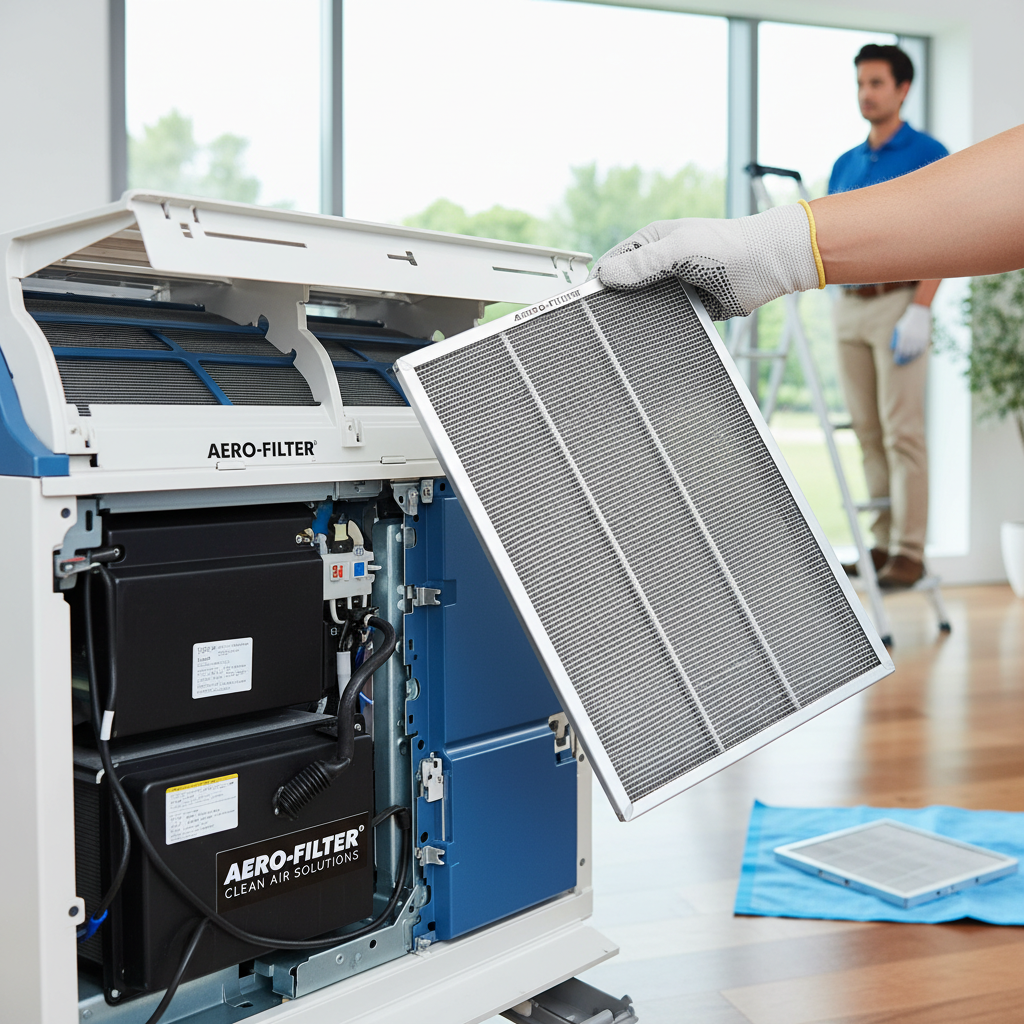
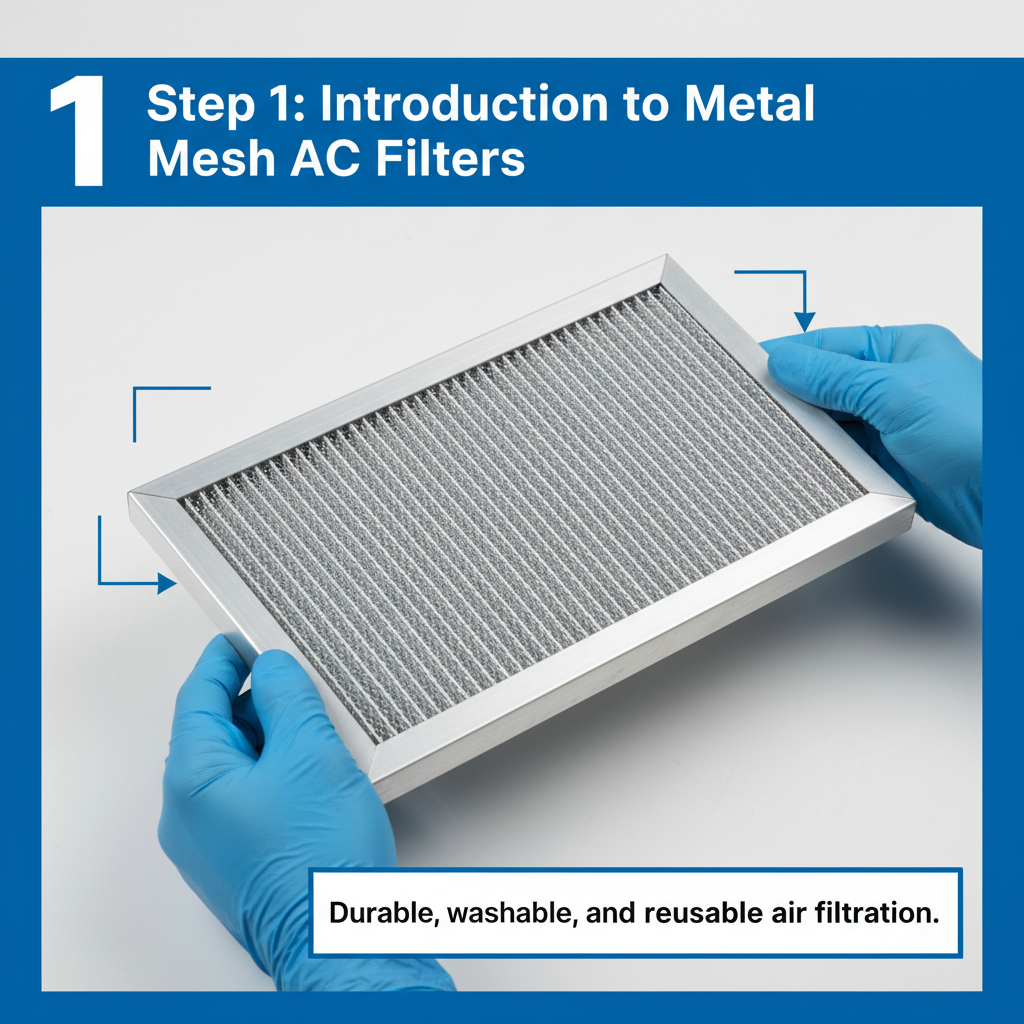
In industrialized nations, these filters appear in modern HVAC systems, capturing particles and inhibiting microbial growth in hospital ventilation. Aerospace engineers use copper mesh cooling filters to protect sensitive instruments from dust while helping dissipate heat. Even artisanal breweries select copper mesh filters for precise, contaminant-free filtration.
Commercial manufacturers and vendors of copper mesh filters have expanded globally, supplying everything from tiny electronics filter components to large-scale industrial filtration units, adaptable to local needs.
Mini takeaway:
- Global presence from remote humanitarian uses to hi-tech industries.
- Key roles in water sanitation, air quality, electronics cooling, and more.
Product Specification Table: Typical Copper Mesh Filter Features
| Feature | Description | Typical Range / Value |
|---|---|---|
| Material Purity | Copper wire content | ≥ 99.9% |
| Mesh Size | Opening size in microns | 25 - 1000 microns |
| Wire Diameter | Thickness of copper wire | 0.05 - 0.3 mm |
| Filtration Efficiency | Percentage of particles removed | Up to 99.5% |
| Temperature Range | Operational temperature span | -200°C to +400°C |
Vendor Comparison Table: Choosing the Right Copper Mesh Filter Supplier
| Vendor | Global Reach | Customization Options | Typical Lead Time | Sustainability Rating |
|---|---|---|---|---|
| CopperTech Ltd. | Europe, Asia, Americas | High (custom sizes and shapes) | 4-6 weeks | A |
| MeshWorks International | Asia, Middle East | Medium (standard mesh sizes) | 3-5 weeks | B+ |
| EcoFilter Supplies | North America, Europe | Low (fixed product lines) | 2-4 weeks | A+ |
Why Investing in Copper Mesh Filters Pays Off Long-Term
One of the most overlooked benefits is simply trust. Many engineers say that copper mesh filters offer peace of mind — a reliability factor often intangible but critical in safety-focused industries. Knowing that your filter won’t corrode or harbor bacteria literally protects lives. Then there’s the sustainability angle — copper is one of the most recycled metals worldwide (2), reducing environmental impact significantly compared to plastic or disposable filters.
From a social perspective, deploying copper mesh filters in disaster-stricken or underserved regions advances dignity by delivering cleaner water and air without expensive chemicals or complex infrastructure. It’s innovation with an ethical core.
Looking Ahead: Innovations Shaping the Copper Mesh Filter Landscape
Roughly speaking, the future combines digital and green tech: smart filters embedded with sensors, real-time clog detection, and adaptable mesh technology that adjusts pore size based on detected particles. Researchers are experimenting with nano-coated copper meshes that enhance antimicrobial effects while reducing biofouling even further.
Additionally, as industries move toward net-zero and decarbonization targets, copper mesh filters’ recyclability and compatibility with renewable energy cooling systems will boost adoption.
Common Hurdles and Fresh Solutions
Not all is rosy, though. Initial cost and sourcing high-purity copper can present barriers for small organizations or projects in developing countries. Also, copper’s softness requires protective design tweaks to avoid mesh deformation under high pressure or handling.
Innovations in alloying, mesh reinforcement, and modular filter design make these limits less of a problem. Plus, NGOs often partner with vendors offering training and affordable bulk procurement, smoothing logistics.
FAQ: Frequently Asked Questions About Copper Mesh Filters
- Q: How does copper mesh compare with other metal filters?
- A: Copper mesh offers superior antimicrobial properties and thermal conductivity compared to stainless steel or aluminum filters. It resists corrosion better in wet environments, making it ideal for water filtration and HVAC applications where biofilm is a concern.
- Q: Can copper mesh filters be cleaned and reused?
- A: Absolutely. They are designed for easy cleaning by backflushing with water or mild chemicals. The copper's resilience and antimicrobial surface help maintain long-term usability, reducing replacement frequency.
- Q: Are copper mesh filters safe for potable water?
- Yes, copper is approved by health authorities for water contact. Its antimicrobial effect helps kill bacteria without releasing harmful substances, ensuring safe, clean water especially when combined with other treatment methods.
- Q: What are typical delivery times for custom copper mesh filters?
- Depending on complexity and vendor, lead times range from 2 to 6 weeks. Large orders or specialized customizations require more time, but vendors often provide rapid support for emergency or disaster relief needs.
- Q: Can copper mesh filters be integrated into solar-powered water purification systems?
- Yes, their low maintenance and durability align well with decentralized solar purification units, offering cost-effective, ecological filtration solutions in off-grid locations.
Wrapping Up: Why Copper Mesh Filters Make Sense
From a technical standpoint, the copper mesh filter is a quietly powerful ally in filtration solutions — combining durability, antimicrobial action, and adaptability with long-term value. From a humanitarian lens, it’s one more tool to address global challenges in water, air, and technology.
If you want to explore copper mesh filters more or find reliable vendors, check out the comprehensive offerings at copper mesh filter suppliers. Their expertise can open doors to smarter, more sustainable filtration for your needs.
Mini takeaway:
- Copper mesh filters offer unmatched reliability and antimicrobial benefits.
- Their diverse applications make them a versatile solution worldwide.
- Integrating these filters aligns with sustainability and global health goals.
References:
(1) United Nations Water Statistics — https://www.unwater.org
(2) International Copper Association — https://copperalliance.org
(3) ISO Environmental Management Standards — https://www.iso.org/iso-14001-environmental-management.html
Post time: Nov-27-2025