Car Filter Paper: The Unsung Hero of Clean Engines
When you think about the essential parts that keep your car running smoothly, car filter paper might not be the first thing on your list. Yet, it plays a crucial role in protecting some of your vehicle’s most delicate components. Globally, with millions of vehicles on the road, the demand and importance of reliable filtration have skyrocketed. The quality and efficiency of car filter paper directly affect engine performance, fuel economy, and ultimately, carbon emissions — which, as many organizations like the United Nations point out, is a non-trivial factor in global environmental challenges.
Understanding what makes a good car filter paper isn’t just a niche concern of automotive engineers. It ties into broader themes like sustainability, innovation in manufacturing, and cost efficiency for consumers worldwide.
Mini takeaway: Car filter paper might be small, but its impact on environment and economy is anything but.
Why Car Filter Paper Matters on a Global Scale
With over 1.4 billion vehicles in operation worldwide (according to the World Bank), the sheer volume of air and liquid filtration happening inside engines is staggering—literally billions of liters of oil and cubic meters of air filtered daily. Engineers globally must grapple with contaminant particles, dirt, and chemicals that threaten performance and longevity. Poor filtration not only accelerates wear and tear but increases pollution.
Automotive filtration standards have evolved too. ISO and SAE standards regularly set benchmarks to ensure consistent performance and durability. Why is this so critical? Because vehicles today are expected to be more fuel-efficient and less polluting, and the humble car filter paper contributes significantly by preventing harmful debris from entering the engine.
Mini takeaway: As global vehicle numbers grow, so does the influence of filter paper in sustainable automotive engineering.
What Exactly Is Car Filter Paper?
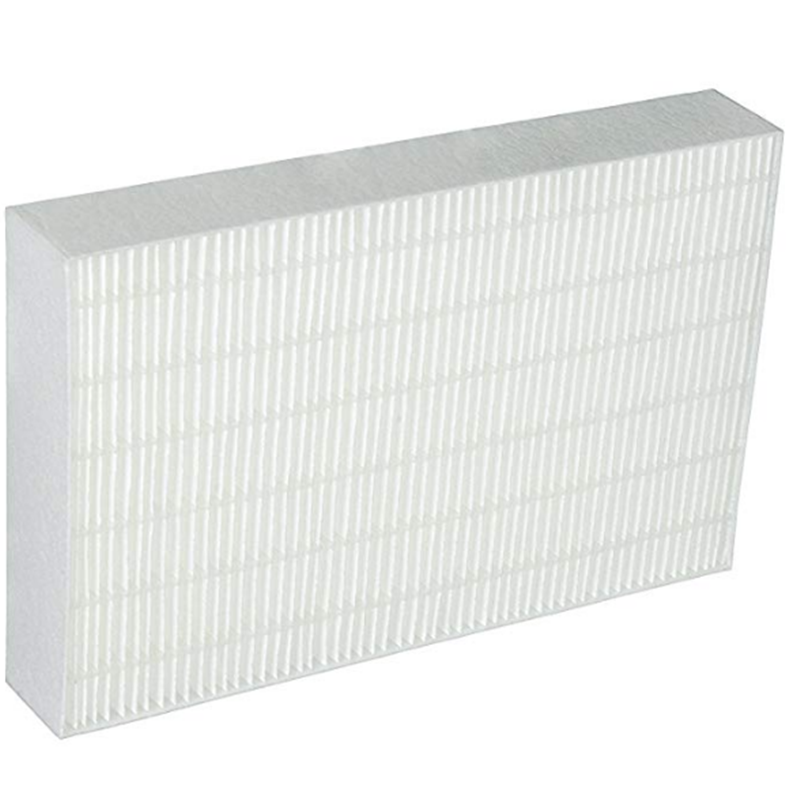
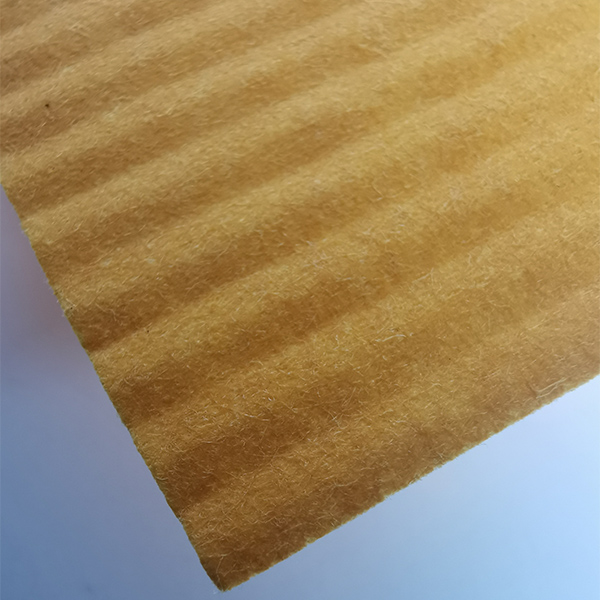
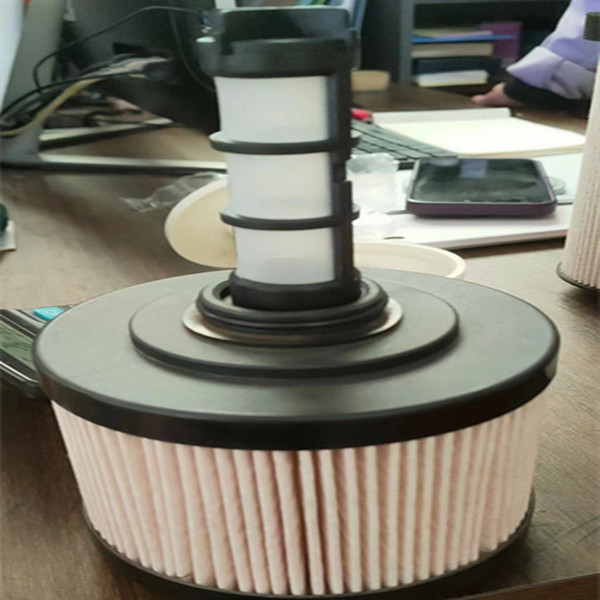
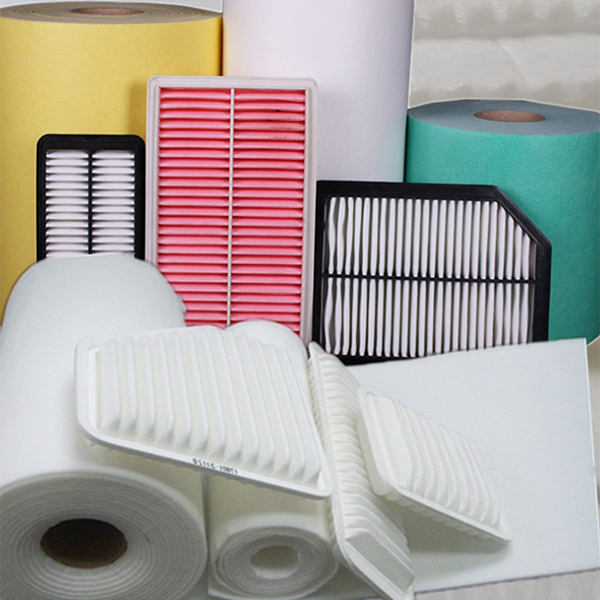
Simply put, car filter paper refers to the engineered paper filter media used in various automotive filters—like air filters, oil filters, and fuel filters. Unlike everyday paper, these materials are designed using cellulose, synthetic fibers, or blends that provide high strength and fine filtration capabilities.
They serve as barriers that trap dust, dirt, and other contaminants before they can cause engine damage or reduce efficiency. In humanitarian or industrial contexts, filtration media like these also find applications in machinery maintenance and environmental controls, where clean operations are critical to safety and productivity.
Key Characteristics of Car Filter Paper
- Porosity: Controls particle size captured; finer pores mean better filtration but can reduce flow.
- Durability: Needs to endure high temperatures, pressure fluctuations, and chemical exposure.
- Absorbency: Important especially for oil and fuel filters to hold contaminant particles securely.
- Compatibility: Must work with diverse fluids — gas, oil, air — without degrading or shedding fibers.
Core Factors in Choosing the Right Car Filter Paper
Durability & Heat Resistance
Modern engines can reach temperatures upwards of 120°C within the filters’ vicinity. Engineers often opt for composite fiber papers that withstand heat and resist chemical degradation. Oddly enough, the combination of cellulose with synthetic fibers often provides the perfect balance for durability without excessive cost.
Filtration Efficiency & Airflow Balance
It’s a dance between filtering microscopic particles and maintaining airflow. Too dense, and the engine chokes; too loose, and harmful debris slips through. Manufacturers perform rigorous lab testing to strike the right balance — many use particle counters to quantify efficiency.
Cost Efficiency & Availability
In developing markets, cost is king. Filter papers must be affordable and locally sourced whenever possible to reduce environmental and financial costs associated with shipping specialized materials globally.
Environmental Impact
More industries are prioritizing sustainability, moving toward biodegradable fibers or recyclable filter media — because honestly, throwing out tons of used filters every year adds up in waste volume.
Customization & Scalability
Every car model demands specific filtration specs. Vendors excel when they provide custom filter papers to suit performance needs, often in massive production runs.
How Car Filter Paper Is Used Around the World
The application of car filter paper transcends borders. In Europe and North America, strict environmental regulations push manufacturers to invest in high-performance filters with ultra-fine particle capture. In industrial hubs like China and India, it's about balancing quality with volume and affordability.
Look at remote mining operations in Australia or oil rigs in the North Sea: maintaining clean machinery in dusty, harsh environments is essential to avoid costly downtime — that's where robust car filter paper comes in. Meanwhile, humanitarian fleets providing disaster relief rely on durable filters that can sustain performance under tough conditions, ensuring vehicles stay operational through challenging terrain.
Mini takeaway: Regardless of where it’s used, car filter paper supports reliability, sustainability, and overall engine health across diverse settings.
The Value Proposition: Why Invest in Quality Filter Paper?
- Engine Longevity: Prevent wear, reduce repairs.
- Fuel Efficiency: Cleaner air and fluids mean better combustion.
- Lower Emissions: Supports global climate goals by keeping engines cleaner.
- Cost Savings: In the long run, good filters mean fewer breakdowns and replacements.
- Peace of Mind: Knowing your vehicle has robust filtration is oddly comforting — especially on long trips.
Looking Ahead: Innovations in Car Filter Paper Technology
Smart filters, embedded with sensors that measure clogging and performance in real-time, are on the horizon. These would send alerts for replacements before any damage occurs. Meanwhile, green innovations focus on bio-based fibers, reducing reliance on petroleum products in synthetic papers.
Notably, the rise of electric vehicles will shift filtration needs but won’t eliminate them altogether — cooling systems and other components still require filtration materials. Consequently, filter paper manufacturers are diversifying to stay relevant.
Challenges and How Experts Are Overcoming Them
One bottleneck remains balancing filtration efficiency with airflow and durability without inflating costs. Some innovative companies use nanofiber coatings to enhance performance without bulk. Others are exploring recycling programs for used filter media to tackle waste.
Expert insight: "We're entering an era where materials science and digital monitoring converge. The challenge is not just filtering better but doing so smarter and greener," notes an R&D lead at a major filter media firm.
FAQ: Common Questions About Car Filter Paper
- Q: How do I know when to replace my car filter paper?
- A: Typically, manufacturers recommend replacing filters every 12,000 to 15,000 miles, depending on driving conditions. If you notice reduced engine performance or unusual noises, it's best to check sooner.
- Q: Can cheaper filter papers harm my engine?
- A: Low-quality papers may have poor particle retention or degrade quickly, leading to contaminants entering the engine. Investing in certified filter media reduces this risk significantly.
- Q: Are biodegradable filter papers effective?
- A: Yes, recent advances have produced biodegradable papers that match traditional ones in efficiency and durability. They're a sustainable choice worth considering.
- Q: Can I use the same filter paper for oil and air filters?
- A: Generally no. Oil and air filters have different requirements — oil filters might need paper that resists oil saturation better, while air filters focus on particle size and airflow.
Product Specification Table: Typical Car Filter Paper Features
| Feature | Specification | Notes |
|---|---|---|
| Material | Cellulose & Synthetic Fiber Blend | Balanced durability and filtration |
| Thickness | 0.4 – 0.6 mm | Optimized for pressure resistance |
| Temperature range | -40°C to 150°C | Suitable for most engine conditions |
| Particle filtration rating | Down to 10 microns | Effective against dust and particulates |
| Chemical resistance | Resists oil, fuel, and common solvents | Prevents media degradation |
Vendor Comparison: Leading Car Filter Paper Suppliers
| Supplier | Product Range | Price per Unit (USD) | Sustainability Focus | Global Presence |
|---|---|---|---|---|
| FilterTech Solutions | Standard & Custom Papers | 1.20 – 2.00 | Moderate, focusing on synthetic blends | North America, Europe |
| EcoFilter Media | Biodegradable Papers | 1.50 – 2.50 | High, 90% bio-based content | Europe, Asia |
| GlobalFiltrix | Wide Range, OEM Partnerships | 1.00 – 2.20 | Moderate, working on recycling initiatives | Worldwide |
Wrapping It Up: Why This Tiny Component Should Matter to You
In the grand scheme of automotive engineering, car filter paper is the silent guardian, maintaining engine health and reducing environmental footprint. Its evolution reflects advances in materials science, sustainability pressures, and the diversity of automotive needs worldwide — from family cars on city roads to rugged vehicles in tough terrains.
If you're curious to dig deeper or considering better filter media for your manufacturing or automotive needs, don’t hesitate to explore the options at https://www.anyafiltermedia.com. Investing in great filter paper feels like a small decision but pays dividends in reliability, cost, and peace of mind.
So next time you hit the road, spare a thought for the unglamorous but essential filter paper quietly doing its job.
References:
Post time: Nov-28-2025