What Is Auto Filter Paper and Why Should We Care?
At first glance, auto filter paper might sound like a niche product spun tightly in the realm of automotive engineers and lab techs. But dig a little deeper and it turns out this humble material quietly plays a massive role globally — from protecting delicate engine parts to ensuring clean air and fluids in industries that drive modern life.
Understanding the nuances of auto filter paper isn’t just for specialists; it's a vital piece in the sustainability puzzle, industrial efficiency, and even public health. After all, better filtration means less wear, fewer emissions, and far less waste clogging up systems. So, whether you’re a mechanic, product designer, or just an inquisitive reader, here’s why it all matters.
The Global Context: Auto Filter Paper’s Role in Industry and Beyond
Globally, industries consume millions of tons of filter media annually — and an impressive chunk of that is auto filter paper. According to ISO standards (ISO 5011 for air cleaners), the quality and consistency of filter papers drastically affect machinery lifespan and environmental emissions. The World Bank estimates that poor filtration & maintenance cost industries billions — not just in replacement parts but in lost productivity and environmental damage.
Take a challenge: rapid urbanization and industrial growth have surged demand for reliable filtration across continents like Asia and Africa, where infrastructure may lag but automotive and manufacturing sectors grow at breakneck speed. Without effective filters, pollution rises, equipment fails earlier, and the knock-on effects? We've all felt them, whether as choking smog or costly machine downtime.
Breaking It Down: What Exactly Is Auto Filter Paper?
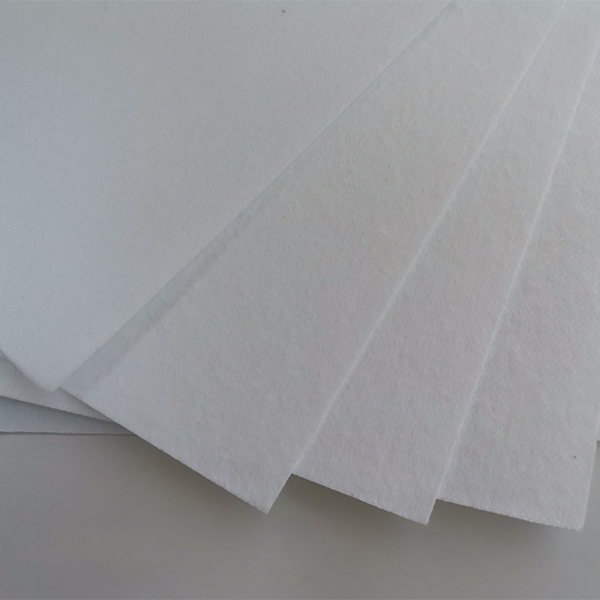
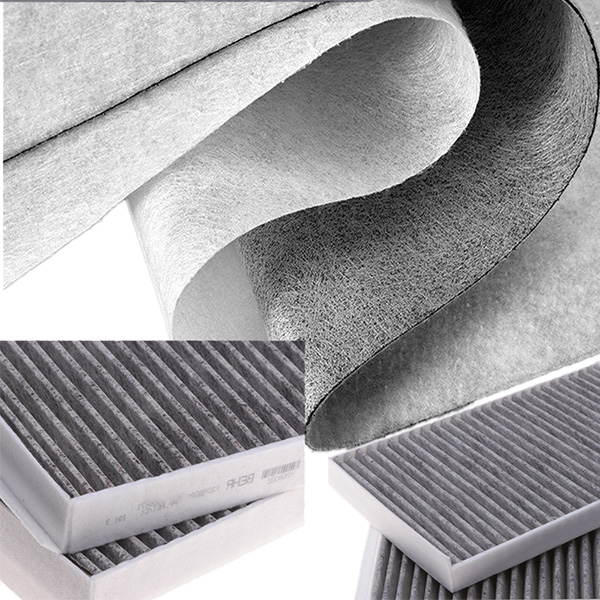
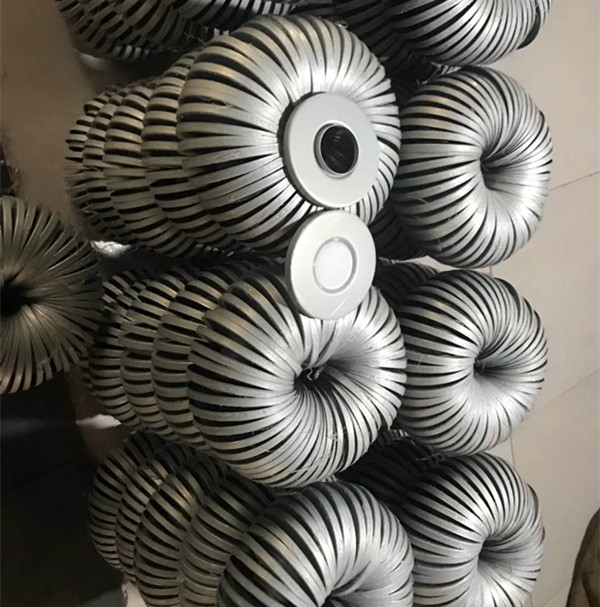
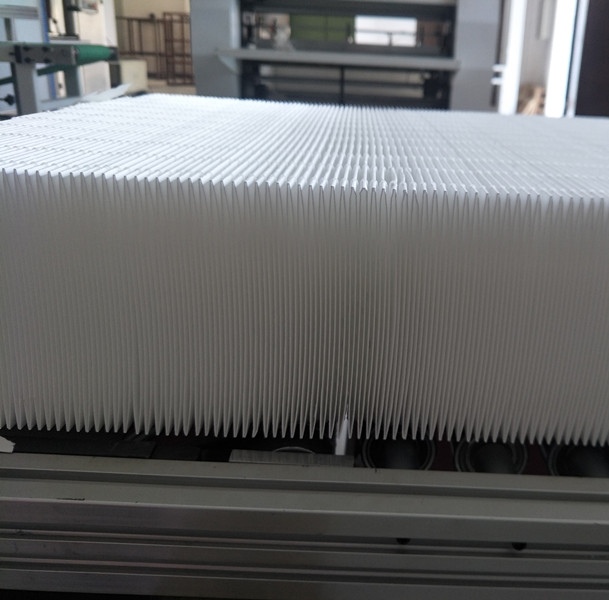
Simply put, auto filter paper is a specially engineered cellulose or synthetic fiber sheet designed to trap impurities like dust, dirt, oil particles, or other contaminants in vehicles and industrial machinery. It's the heart of oil filters, air filters, and fuel filters — basically, the unsung hero behind the clean, smooth performance we often take for granted in our cars and machines.
Zoom out and you realize this material also has humanitarian ties. For instance, in disaster zones where clean water or air is critical, similar filter papers help devices provide safe conditions quickly. So, its utility stretches beyond just the auto shop — it’s a vital material across urgent human needs and cutting-edge industries alike.
Key Factors to Consider When Choosing Auto Filter Paper
Durability and Strength
Filter papers have to withstand variable pressures, temperatures, and chemical exposures. Many engineers emphasize durability to prevent breakdowns during heavy use, especially in harsh environments. It's a balance: the paper must be permeable enough to trap particles but robust enough to hold its form.
Filtration Efficiency
This relates to how well the paper traps contaminants without restricting flow. A high-efficiency filter paper catches very fine particles, but if it clogs too fast, it needs frequent replacement. Manufacturers often tailor pore sizes and fiber layering to optimize this balance.
Cost Efficiency
While premium papers promise better performance, cost remains a huge factor — especially for fleet operators or mass-market manufacturers. Many prefer durable, mid-range papers that deliver solid protection without breaking budgets.
Environmental Impact
More companies now prioritize recyclable or biodegradable filter media. Innovations in synthetic biodegradables or blends with natural fibers help reduce landfill waste significantly.
Compatibility and Customization
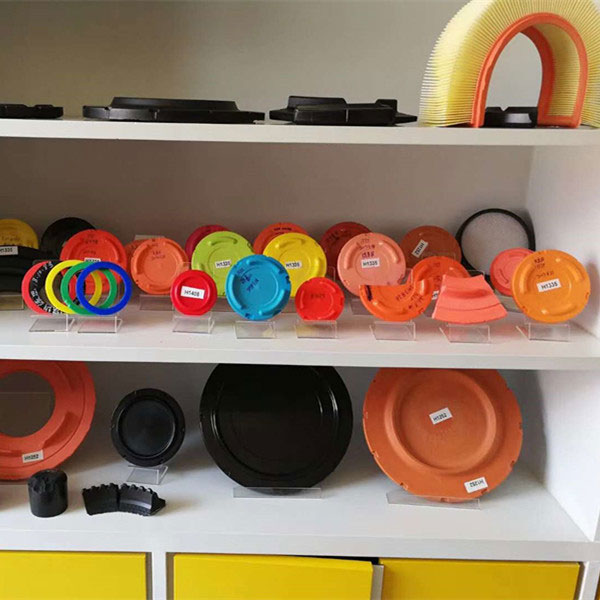
Each engine or system might require a slightly different specification. Most suppliers offer tailored thickness, surface treatments, or reinforcements to meet specific OEM standards or specialized applications.
Global Applications and Real-World Use Cases
- Automotive Industry: The most obvious sector—filters using this paper keep engines running cleanly across global vehicle fleets, from sedans in Europe to motorcycles in Southeast Asia.
- Industrial Machinery: Heavy equipment operators in mining or construction rely on durable auto filter paper to avoid costly downtime caused by contamination.
- Post-Disaster Relief: Emergency water filtration devices use similar media to provide safe drinking water in flood or drought zones.
- Remote Areas: In places with limited access to parts, durable filter paper reduces maintenance frequency, ensuring essential systems keep operating.
Mini takeaway:
Auto filter paper's applications are as varied as the global industries they support, highlighting how this material quietly impacts daily life in some surprisingly vital ways.
Specification Table: Typical Auto Filter Paper Features
| Feature | Typical Range / Description |
|---|---|
| Material | Cellulose, synthetic fibers, or blend |
| Thickness | 0.3–1.5 mm |
| Porosity | 5–25 microns (varies by application) |
| Temperature Range | -40°C to +120°C (some synthetics higher) |
| Tensile Strength | 5–15 N/mm (wet and dry conditions) |
Comparing Leading Auto Filter Paper Vendors
| Vendor | Material Options | Customization | Lead Time | Sustainability Initiatives |
|---|---|---|---|---|
| PaperTech Filters | Cellulose & Blended | High (OEM specs) | 2–4 weeks | Bio-based fiber R&D |
| SynFil Solutions | Synthetic & Hybrid | Medium | 3–6 weeks | Recycling program |
| EcoFilter Works | Natural fibers & biodegradable | Low | 4–8 weeks | Certified compostable |
Advantages and Long-Term Value of Auto Filter Paper
The bottom line? Reliable filter paper means cleaner air, longer engine life, and fewer environmental impact headaches. In cost terms, good filtration reduces repair bills and maintenance stopgaps, while in social terms it supports cleaner air standards and safety for millions of vehicle operators worldwide.
Emotionally, users gain peace of mind — knowing that behind the scenes a filter paper is quietly working 24/7, preventing damage or danger. On the innovation front, companies racing to greenify their products are investing in bio-based fibers and recycling initiatives to make sure the filters of tomorrow aren’t just good for engines but good for the planet too.
Future Directions: What’s Next for Auto Filter Paper?
Look out for advancements like nanofiber layering engineered to trap particles that once slipped through, or self-cleaning papers that minimize premature clogging. Sustainability is also driving new formulations that biodegrade safely or come from renewable sources. Meanwhile, digital sensors embedded in filters could soon communicate their status directly to vehicle management systems, signaling maintenance needs before failures occur.
Challenges and Their Ingenious Solutions
Current limitations include balancing filtration efficiency with airflow—too fine a filter chokes performance, too coarse invites damage. Also, environmental disposal of synthetic papers remains tricky. But innovations such as hybrid fiber blends and chemical surface treatments are helping engineers find that sweet spot more consistently.
Plus, companies increasingly offer customized solutions for unique climates and machinery, which helps adapt filters to harsher environments worldwide. So while no product is without its quirks, the solutions keep evolving.
FAQ: Practical Questions About Auto Filter Paper
- How often should auto filter paper be replaced?
Typically, replacement depends on usage and environment—anywhere from 10,000 to 50,000 miles in vehicles is standard. Industrial machines may vary based on contaminants’ severity. - Can auto filter paper handle extreme temperatures?
Most cellulose-based papers work reliably between -40°C and 120°C, but synthetic variants can push beyond that range, making them suitable for high-performance or heavy-duty engines. - Is biodegradable auto filter paper as effective?
The technology is catching up fast. While early bio-fiber filters were less durable, recent blends offer comparable strength and filtration with the added benefit of reduced environmental impact. - Where can I source custom auto filter paper?
Many vendors offer customization services that tailor thickness, porosity, and fiber blends to your specs—check out specialized suppliers and OEM partnerships for best results. - Does filter paper affect fuel efficiency?
Indirectly yes—clean filters improve engine airflow and combustion stability, which can enhance fuel economy by a few percent under optimal conditions.
Wrapping Up: Why Auto Filter Paper Matters More Than You Thought
Throughout the global economy and daily life, this seemingly simple material quietly safeguards performance, lowers environmental harm, and pushes innovation forward. It’s not just about keeping engines clean — it’s about a better, more efficient world.
If you’re intrigued, or factoring filtration into your projects, auto filter paper suppliers can be a great first stop to explore options tailored to your needs. Don’t overlook the filter paper; sometimes, the smallest detail packs the biggest punch.
References
Post time: Nov-29-2025