Why Wire Mesh Filter Price Matters More Than You Think
When you hear “wire mesh filter price,” you might think it's just a number on a catalog. But it’s actually a doorway into a fascinating and critical side of modern industry — one that quietly supports everything from clean water to fine manufacturing. Understanding the price points of wire mesh filters helps businesses, engineers, and even humanitarian groups optimize costs while improving filtration quality worldwide. In a globalized economy where precision and efficiency rule, knowing wire mesh filter price isn’t just about cutting costs; it’s about unlocking reliability and sustainable solutions.
The Global Picture: Why Wire Mesh Filters Are a Universal Concern
Across continents, filtration stands out as a cornerstone of public health, manufacturing, and environmental care. The World Health Organization estimates that poor water filtration contributes to billions of dollars in healthcare costs annually. Wire mesh filters, because of their durability and fine standards, are often the unsung heroes in this fight.
Globally, the demand for affordable and high-quality wire mesh filters is climbing. According to the International Organization for Standardization (ISO), industrial filtration products have seen at least a 5% annual growth rate worldwide over the past five years. However, cost remains a major challenge, especially in developing regions where budget constraints meet growing pollution concerns.
The link here is obvious: better understanding wire mesh filter price helps manufacturers and buyers strike the ideal balance between cost and quality — a balance that impacts health, industry efficiency, and even disaster response.
Breaking It Down: What Exactly Is Wire Mesh Filter Price?
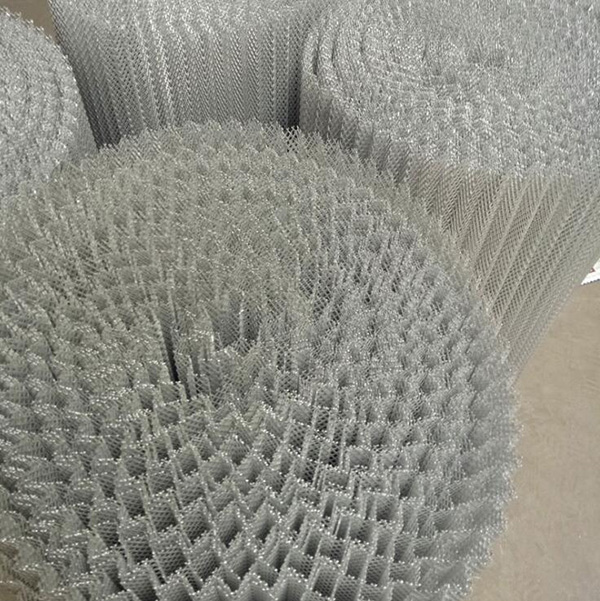
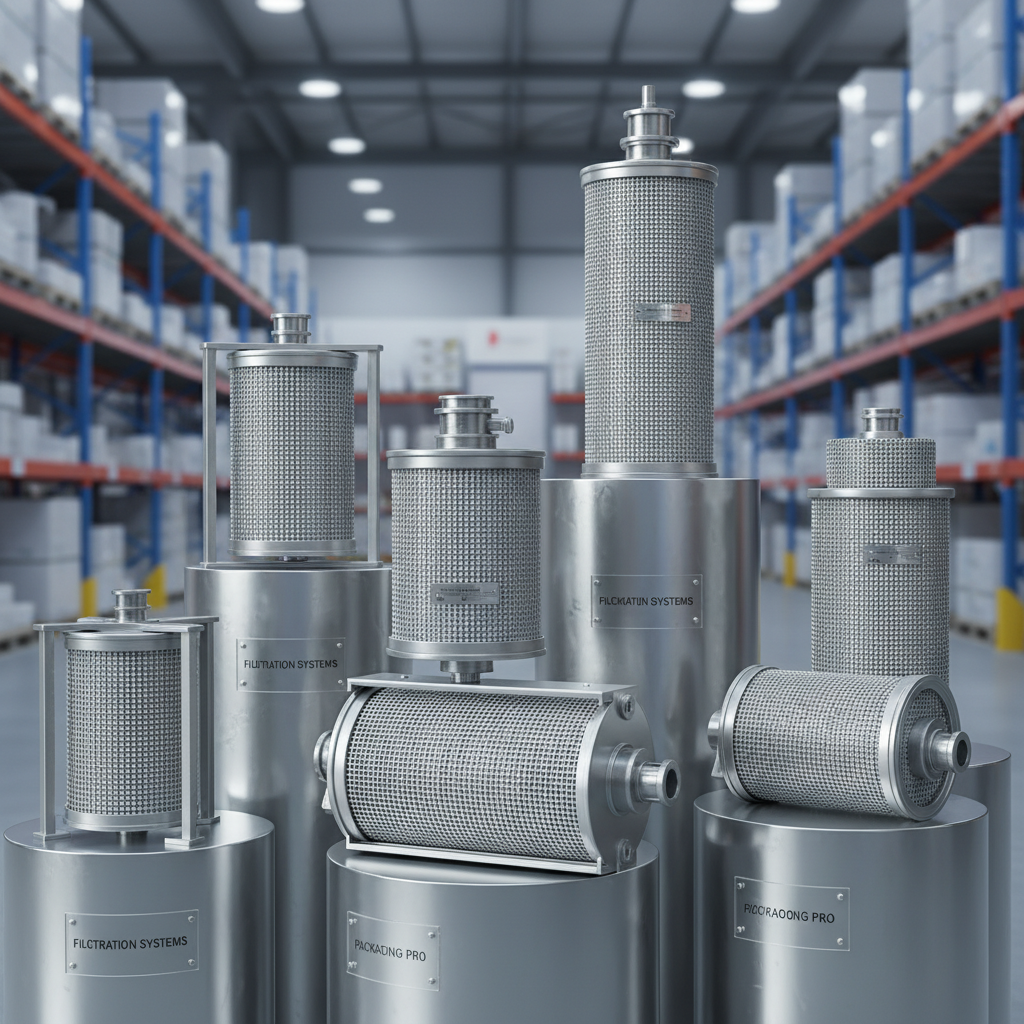
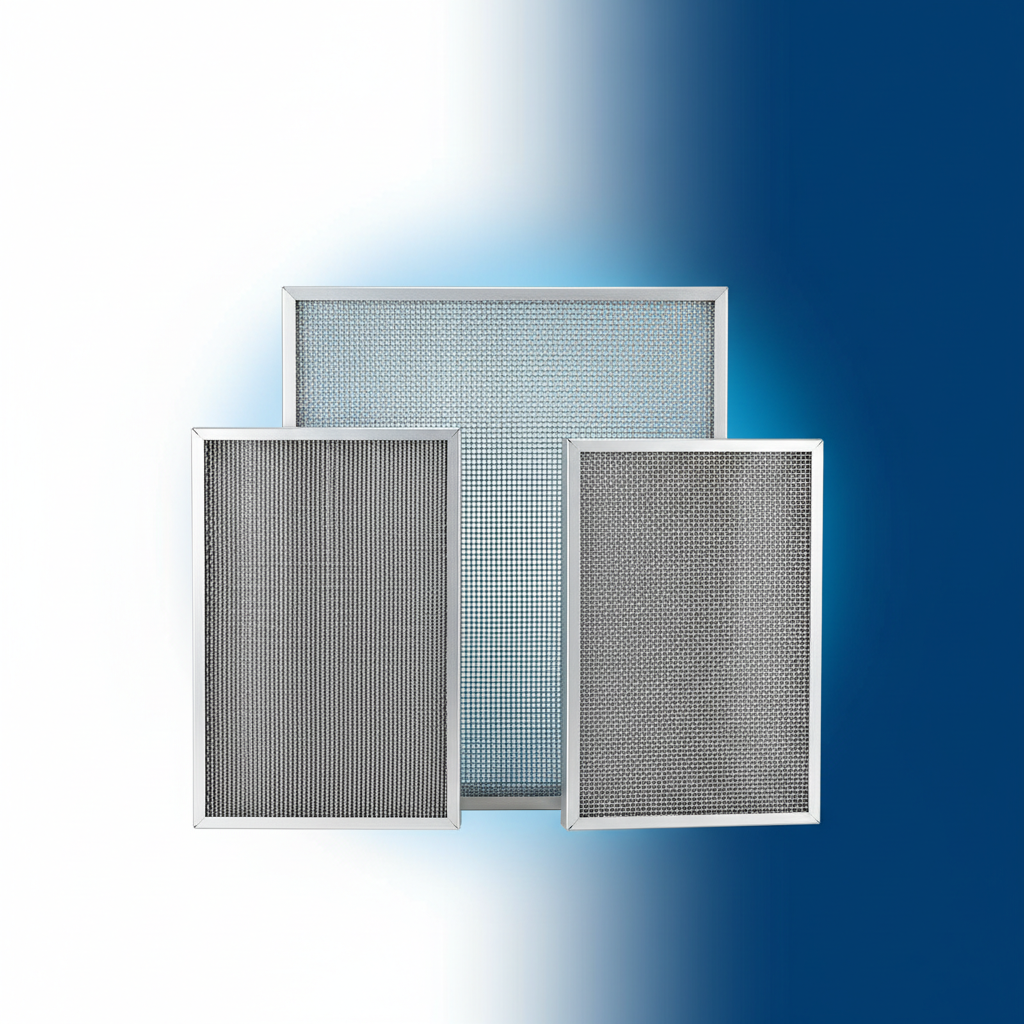
Put simply, "wire mesh filter price" refers to the cost associated with acquiring wire mesh filters — the knitted or woven screens usually made of stainless steel, brass, or other alloys — designed to trap particles while allowing liquids or gases to pass through.
This price encapsulates raw materials, manufacturing complexity, mesh size (the fineness of weave), and finishing processes. Think of it as the price tag on a tiny, high-tech sieve that plays a huge role in industries ranging from pharmaceuticals to water treatment.
For humanitarian efforts—like providing clean water in disaster zones—the cost of wire mesh filters can literally translate to lives saved or lost. So it’s not just a fancy industrial term; it’s a global lifeline.
Key Factors Influencing Wire Mesh Filter Price
1. Material Quality and Type
Whether you go for stainless steel 304, 316, or brass makes a significant price difference. Stainless steel 316, with its corrosion resistance, usually commands premium pricing but offers better longevity.
2. Mesh Size and Precision
The finer the mesh (more openings per inch), the higher the manufacturing challenge — and, naturally, the cost. Ultra-fine meshes are often required for pharmaceuticals or semiconductor industries, pushing the wire mesh filter price upward.
3. Manufacturing Techniques
Techniques like weaving versus welding or electroforming impact costs. Automated high-precision weaving might increase upfront costs but improve consistency, reducing long-term expenses.
4. Durability and Coatings
Filters with special coatings—like anti-corrosion layers or thermal resistance—are more expensive but vital where durability under harsh conditions matters.
5. Scale and Customization
Bulk orders per unit are cheaper, but bespoke sizes or shapes increase the price sharply, especially for smaller buyers with niche needs.
Mini Takeaway:
The wire mesh filter price depends on a cocktail of factors — from raw material choices to finishing touches — shaping how well your filter performs in the field.
How Wire Mesh Filters Fit Into Real-World Applications
The diversity of industries embracing wire mesh filters never ceases to amaze. Let me share some examples that really showcase their vital role:
- Water Treatment Plants: From Singapore’s advanced filtration systems to remote setups in Sub-Saharan Africa, wire mesh filters play a crucial role in removing sediment and microbes cost-effectively.
- Oil and Gas: In the Middle East, filters help separate impurities from crude, protecting downstream equipment and safeguarding production integrity.
- Food and Beverage Industry: Wire mesh filters ensure liquids are pure and free from foreign particles — from fruit juices in California to craft breweries in Belgium.
- Disaster Relief Operations: NGOs deploy mobile filtration units using wire mesh filters to purify water rapidly after floods or earthquakes in places like Nepal or the Philippines.
Product Specification Table
| Specification | Typical Range | Notes |
|---|---|---|
| Material | Stainless Steel 304/316, Brass | 316 preferred for corrosive environments |
| Mesh Size | 20 to 400 mesh (openings per inch) | Higher mesh = finer filtration |
| Thickness | 0.2mm to 2mm | Thicker mesh endures higher pressure |
| Max Operating Temp | 350°C (for stainless steel) | Important for industrial applications |
| Standard Sizes | Varies by vendor (e.g. 1”x1”, 2”x2”) | Custom sizes available on request |
Comparing Vendors: Wire Mesh Filter Prices and Offerings
| Vendor | Price Range (USD per unit) | Material Options | Lead Time |
|---|---|---|---|
| Alpha Filters | $15 - $50 | SS 304, SS 316 | 1-2 weeks |
| Beta Mesh Co. | $12 - $45 | Brass, SS 304 | 2-3 weeks |
| Gamma Filtration Ltd. | $20 - $60 | SS 304, SS 316, custom alloys | 1 week (stock items) |
Advantages and the True Value Behind the Price Tag
Understanding wire mesh filter price isn’t just a financial exercise. These filters bring a slew of benefits worth their cost and more:
- Cost Efficiency: While some filters are pricier upfront, their durability means less frequent replacements, which translates to savings over time.
- Environmental Sustainability: Wire mesh filters are often reusable after cleaning, reducing waste compared to disposable filters.
- Safety and Trust: Reliable filtration ensures health standards in food, water, and pharmaceuticals, adding confidence and dignity to end-users.
- Innovation Enablement: High-quality filters enable cutting-edge industries—think biotech or microelectronics—to operate flawlessly.
Emotionally, when you can trust your filter to do its job, you sleep better at night.
What’s Next? Trends Shaping Wire Mesh Filter Price
Several promising innovations hint at shifts in pricing and performance:
- Smart filtration: Embedded sensors that monitor clogging and lifespan digitally could add upfront cost but slash maintenance expenses.
- Advanced alloys and composites: New materials may increase initial price but extend the usable life dramatically.
- Sustainability regulations: Increasing regulatory pressure favors materials and manufacturing processes that can change cost structures.
- 3D printing: Though still emerging, additive manufacturing could customize filters at scale, impacting price and availability.
Challenges and How Experts Are Tackling Them
Of course, wire mesh filters aren’t perfect. Common challenges include:
- Clogging and maintenance: Fine meshes can clog quickly, causing downtime.
- Balancing price and quality: Lower prices sometimes mean compromised durability or precision.
- Customization delays: Tailored solutions take longer and cost more.
Industry experts suggest integrating real-time sensor tech for early warning on clogging and investing in manufacturing automation to reduce custom order lead times without hiking prices. There’s also a push towards modular filter systems that allow quick part-changing in the field.
Frequently Asked Questions about Wire Mesh Filter Price
Q1: What determines the biggest part of wire mesh filter price?
A: Material type and mesh fineness typically dominate costs. Stainless steel 316 will usually cost more than brass, and finer mesh sizes require more precise manufacturing, bumping up prices.
Q2: Can I expect cheaper prices if I order large quantities?
A: Definitely. Bulk buying generally reduces the price per unit. Many vendors offer discounts for orders above a certain threshold, though customization can affect discounts.
Q3: How important is durability compared to just buying the cheapest filter?
A: Critical. A cheaper filter might save money upfront, but inferior durability can mean faster failure, increased downtime, and added replacement costs, often costing more in real terms.
Q4: Are wire mesh filters environmentally friendly?
A: Yes—many filters are reusable and made from recyclable materials. This reduces waste compared to single-use filters, aligning with growing sustainability goals.
Q5: Where can I find reliable wire mesh filters at a good price?
A: Trusted suppliers like those featured in industry reviews or specialized marketplaces are ideal. You can also check industry reports or wire mesh filter price listings online for updated pricing info.
Wrapping It Up: Why Paying Attention to Wire Mesh Filter Price Pays Off
Looking beyond just the number, wire mesh filter price encapsulates a lot — materials, precision, durability, and the downstream effects of performance. It’s a small investment with big implications for health, safety, and industry efficiency worldwide.
So, before you select your next filter, remember: good wire mesh filters aren’t just a cost, they’re an asset. For the latest updates, specs, and competitive rates, visit our website at https://www.anyafiltermedia.com. Your project — and your budget — will thank you.
References
Post time: Nov-28-2025